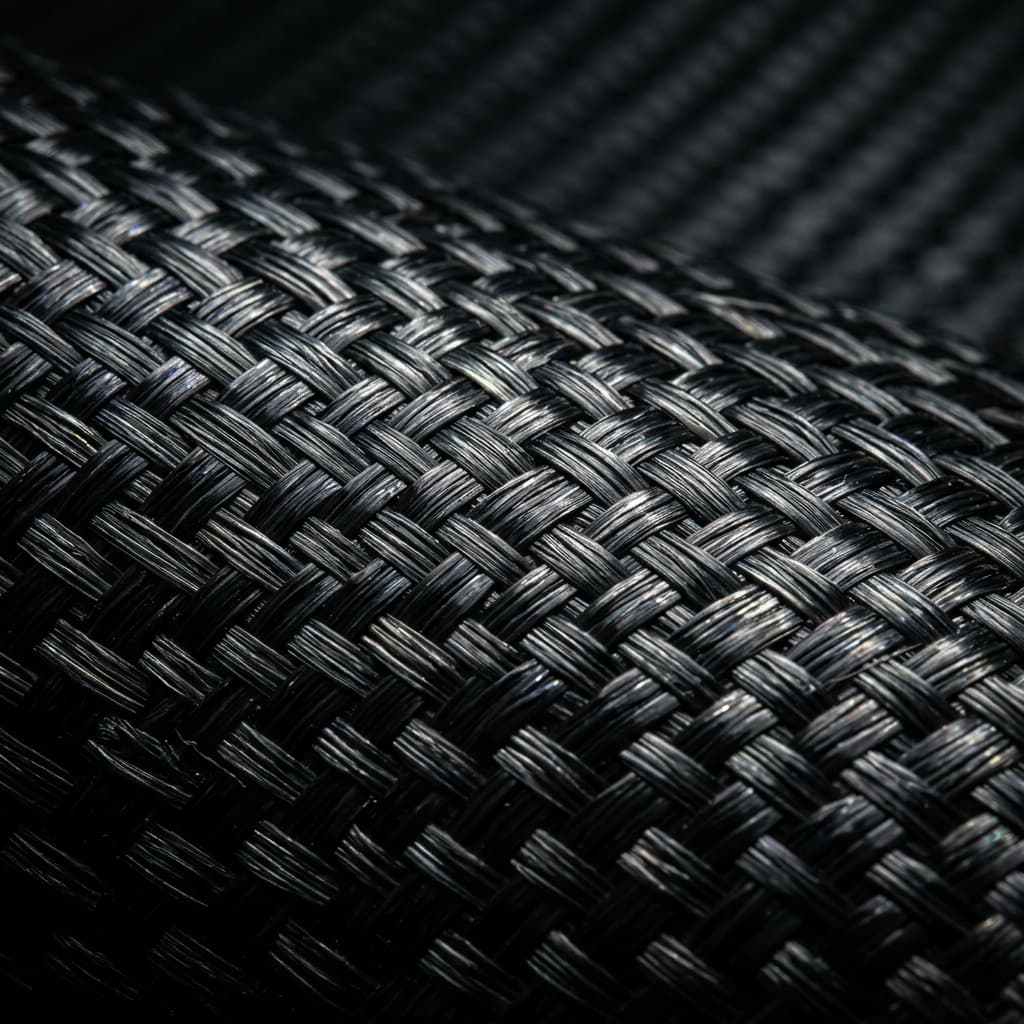
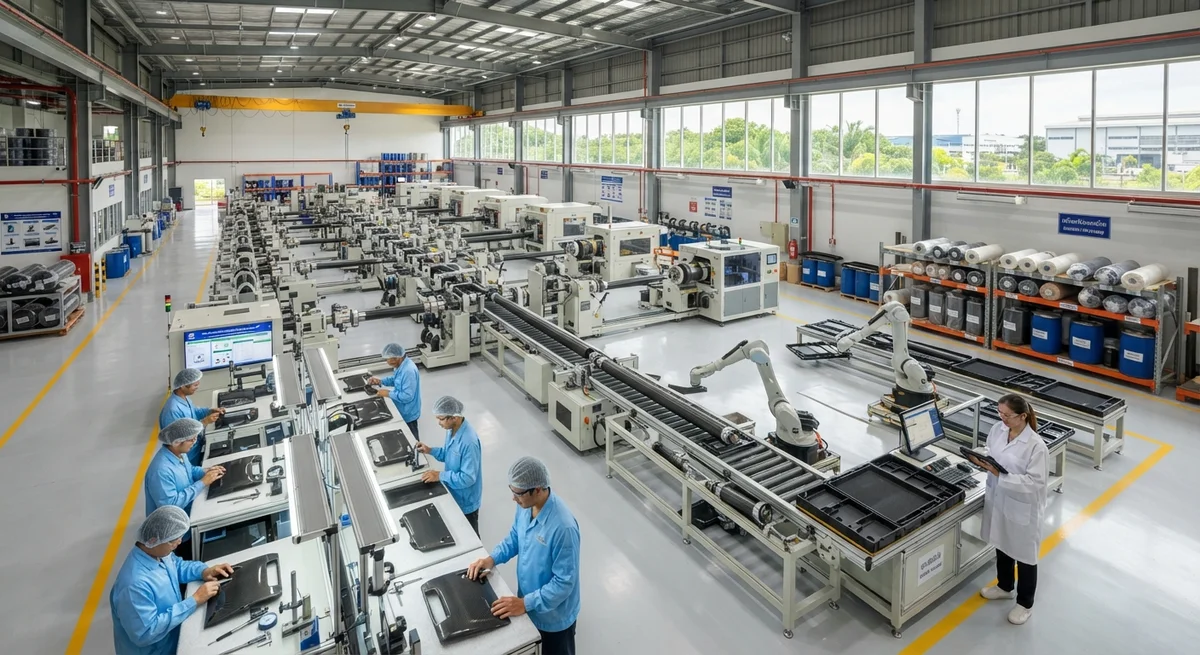
As Southeast Asia emerges as a global manufacturing powerhouse for electronics, automotive assembly, and consumer goods, the demand for advanced composite materials is accelerating. This comprehensive market analysis examines the carbon fiber opportunity across Vietnam, Thailand, and Indonesia — covering supply chain dynamics, regional growth projections, and strategic entry considerations for B2B suppliers targeting ASEAN's rapidly industrializing manufacturing base.
The Shifting Manufacturing Landscape in ASEAN
Southeast Asia has become one of the most dynamic manufacturing regions in the world. Over the past decade, Vietnam, Thailand, and Indonesia have attracted billions of dollars in foreign direct investment as multinational corporations diversify their supply chains beyond China. This geopolitical shift — often termed "China Plus One" — has created a surge in demand for high-performance materials capable of supporting advanced manufacturing processes.
Carbon fiber, once reserved for aerospace and luxury automotive applications, is now finding its way into consumer electronics housings, mid-range automotive components, and high-end consumer goods produced across the ASEAN region. For B2B carbon fiber suppliers, the opportunity is significant and growing rapidly.
Vietnam: The Electronics Manufacturing Rising Star
Vietnam has emerged as Southeast Asia's leading electronics manufacturing destination. Samsung alone operates multiple smartphone production facilities in Bac Ninh and Thai Nguyen provinces, producing over 50% of the company's global smartphone output. LG, Foxconn, and Pegatron have also established large-scale facilities in the country.
The demand for carbon fiber in Vietnam's electronics sector is driven by several factors:
- Premium smartphone chassis require lightweight, high-strength materials for structural integrity and heat dissipation. Carbon fiber-reinforced polymers (CFRP) offer a 40–60% weight reduction compared to aluminum alloys while providing superior stiffness.
- Laptop and tablet enclosures increasingly use carbon fiber composites for thin-and-light designs, particularly in the premium business laptop segment where durability and portability are paramount.
- Wearable electronics — smartwatches, wireless earbuds, and fitness trackers — benefit from carbon fiber's combination of low weight and electromagnetic interference (EMI) shielding properties.
Vietnam's electronics exports reached approximately $115 billion in 2025, and the compound annual growth rate for carbon fiber consumption in the country's electronics sector is projected at 18–22% through 2030.
Thailand: Automotive Hub Driving Composite Demand
Thailand has long been known as the "Detroit of Southeast Asia," producing over 2 million vehicles annually. The country's automotive supply chain is mature and deeply integrated with global OEMs including Toyota, Honda, Mitsubishi, and Ford. As the automotive industry undergoes its largest transformation in a century — electrification, lightweighting, and autonomous driving — Thailand is positioned to become a major consumer of carbon fiber composites.
| Application | Traditional Material | Carbon Fiber Alternative | Weight Reduction | Cost Premium |
|---|---|---|---|---|
| Interior trim panels | ABS plastic / wood veneer | Short-fiber CFRP | 35–50% | 2–3x |
| Exterior body panels | Steel / aluminum | Continuous-fiber CFRP | 50–60% | 5–8x |
| Battery enclosure | Steel / aluminum | Flame-retardant CFRP | 40–55% | 3–5x |
| Drive shaft | Steel | Filament-wound CFRP | 60–70% | 4–6x |
Thailand's Board of Investment (BOI) has introduced tax incentives for manufacturers adopting advanced composite materials, further accelerating the adoption of carbon fiber in the country's automotive supply chain.
Indonesia: Consumer Goods and Infrastructure
Indonesia, with its population of 280 million, represents a growing market for carbon fiber in consumer goods and infrastructure applications. The country's expanding middle class is driving demand for premium consumer products — sporting goods, bicycles, furniture, and home appliances — all of which can benefit from carbon fiber reinforcement.
Key opportunities in Indonesia include:
- Sporting goods manufacturing: Indonesia is a major producer of badminton rackets, bicycles, and fishing equipment for global brands. Carbon fiber shafts, frames, and components command premium pricing and are increasingly specified in mid-range products.
- Infrastructure rehabilitation: Carbon fiber-reinforced polymer (CFRP) wraps and laminates are used for seismic retrofitting of buildings, bridge reinforcement, and concrete column strengthening — a rapidly growing niche as Indonesia invests in infrastructure modernization.
- Marine applications: Indonesia's vast archipelago and growing yacht-building industry create demand for carbon fiber masts, hulls, and deck components.
Market Entry Strategies for B2B Suppliers
For carbon fiber manufacturers and distributors looking to enter the Southeast Asian market, several strategic approaches warrant consideration:
- Establish regional warehousing: Singapore or Malaysia serve as ideal logistics hubs, offering free trade agreements, excellent port infrastructure, and duty-free access to ASEAN markets under the ATIGA framework.
- Partner with local compounders: Collaborating with regional thermoplastic and thermoset compounders who already serve local OEMs can accelerate market penetration without requiring a full in-country sales force.
- Target export processing zones (EPZs): Vietnam's industrial parks and Thailand's Eastern Economic Corridor (EEC) offer tax holidays and customs duty exemptions for manufacturers using advanced materials, effectively reducing the landed cost of carbon fiber by 15–25%.
- Invest in technical support: Southeast Asian manufacturers frequently lack in-house composites engineering expertise. Suppliers who provide on-the-ground technical support — process optimization, joint development programs, and training — gain a significant competitive advantage.
Challenges and Risk Factors
Despite the compelling growth story, B2B suppliers should be aware of several challenges specific to the Southeast Asian market:
- Supply chain fragmentation: Unlike the mature composites supply chains in Europe, Japan, and North America, ASEAN's carbon fiber ecosystem remains underdeveloped with limited local intermediate material production.
- Tariff and non-tariff barriers: While ASEAN has reduced intra-regional tariffs, certain carbon fiber precursor materials still face import duties of 5–15% depending on the country and HS code classification.
- Quality consistency: Maintaining consistent material properties across regional production batches can be challenging, particularly for small and medium-sized processors.
- Talent shortage: Skilled composites engineers and technicians are scarce in the region, limiting the speed at which manufacturers can adopt advanced carbon fiber processes.
Growth Projections and Outlook
The Southeast Asian carbon fiber market was valued at approximately $280 million in 2025 and is expected to reach $650–720 million by 2030, representing a compound annual growth rate of 18–21%. This growth is driven by three converging trends: manufacturing migration from China, automotive electrification in Thailand, and rising consumer demand for premium products across the region.
For B2B suppliers who establish a presence early, invest in local technical support infrastructure, and build relationships with the region's rapidly expanding OEM base, Southeast Asia represents one of the most compelling growth opportunities in the global carbon fiber industry.
Frequently Asked Questions
What is the current import duty for carbon fiber materials into Vietnam?
Carbon fiber products imported into Vietnam under HS code 6815.11 are subject to a Most-Favored-Nation (MFN) duty rate of 5–10%, depending on the specific product form (continuous fiber, chopped strands, woven fabric). However, manufacturers operating within Vietnam's export processing zones may qualify for duty exemptions on imported raw materials used in exported finished goods. B2B suppliers should verify the applicable HS code classification with a licensed customs broker before pricing their products for the Vietnamese market.
Which ASEAN country offers the best incentives for carbon fiber composite manufacturers?
Thailand's Board of Investment (BOI) currently offers the most comprehensive incentive package for advanced composite material manufacturers, including an 8-year corporate income tax holiday, 50% tax reduction for an additional 5 years, and exemption of import duties on machinery and raw materials. Vietnam provides similar benefits through its high-tech industrial park schemes, and Indonesia has recently introduced "super tax deduction" incentives of up to 300% for R&D activities related to advanced materials. The optimal choice depends on the manufacturer's specific target market, production scale, and supply chain requirements.
Is the quality of carbon fiber produced in ASEAN comparable to Japanese or European grades?
Currently, most carbon fiber consumed in ASEAN is imported from Japan (Toray, Mitsubishi), Europe (SGL Carbon, Solvay), or China (Zhongfu Shenying, Jiangsu Hengshen). In-country production is minimal and limited to small-volume specialty operations. Material quality depends on the source — Toray's T700 and T800 grades imported from Japan maintain their original specifications, while carbon fiber sourced from Chinese producers may exhibit batch-to-batch variability of 5–15% in tensile strength and modulus. Buyers should require mill test certificates and establish incoming quality control protocols for every batch. As regional demand grows, several ASEAN governments are exploring domestic carbon fiber production capabilities, but commercial-scale production is not expected until 2028–2030.
Part of topic
Related Articles
- Recycled Carbon Fiber Market Forecast 2030: Technology Maturity and Commercialization Path
- South Korea Carbon Fiber Market 2026: Hydrogen Economy and Shipbuilding Innovation
- Wind Turbine Blade Leading Edge Protection 2026: Polyurethane, Tape, and Metallic Shield Solutions
- China Carbon Fiber Overcapacity 2026: Price War Impact and Industry Consolidation
- India Carbon Fiber Market 2026: Wind Energy, Aerospace, and Defense Expansion
- PAN Precursor Market 2026: Acrylonitrile Supply and Carbon Fiber Cost Structure
Interested in Our Products?
Contact our team for competitive pricing and technical specifications.
Get a QuoteRelated Products
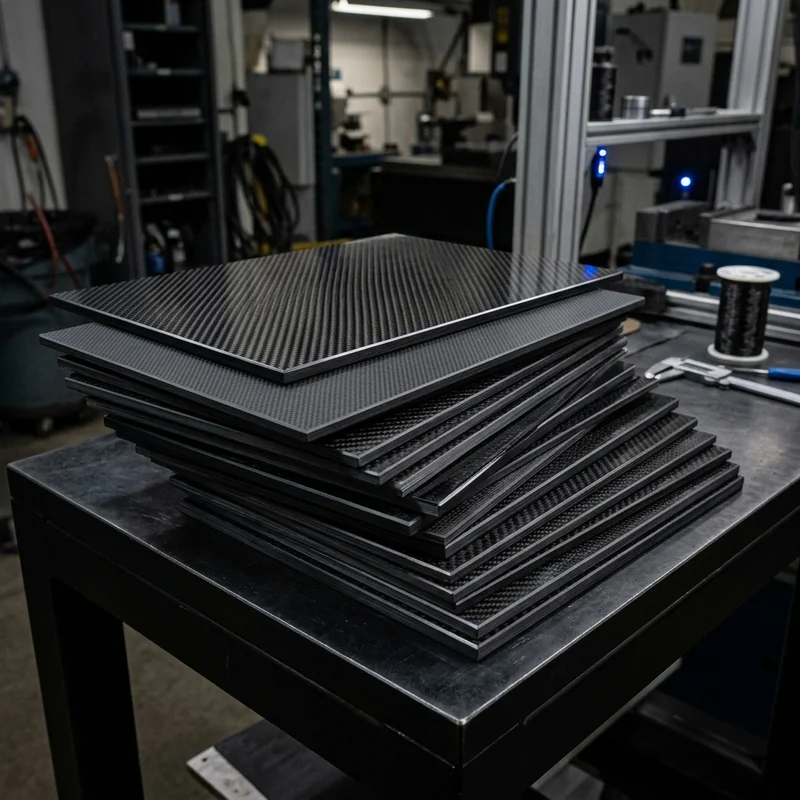
Carbon fiber standard plate-3k stripe
Lightweight, ultra-rigid standard sheets for drone fuselages, robot housings, facades and structural applications.
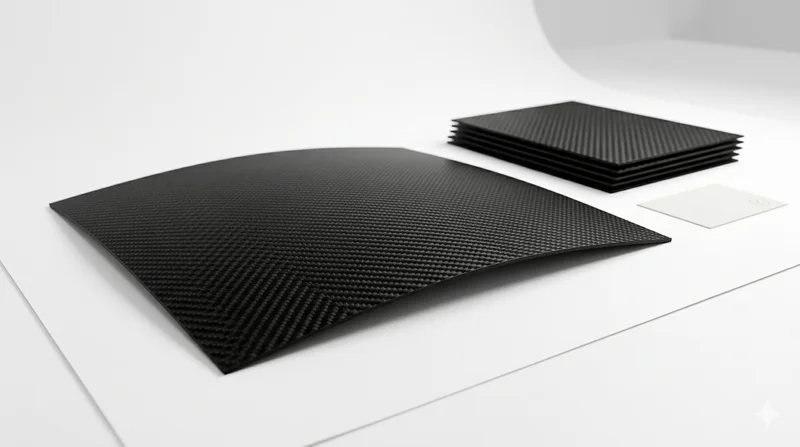
Carbon Fiber Plate — 3K Twill T700 1.5mm
Thin 1.5mm carbon fiber plate with 3K twill weave surface. Lightweight and stiff, commonly used for covers, panels, drone bodies, and applications requiring a premium aesthetic appearance.
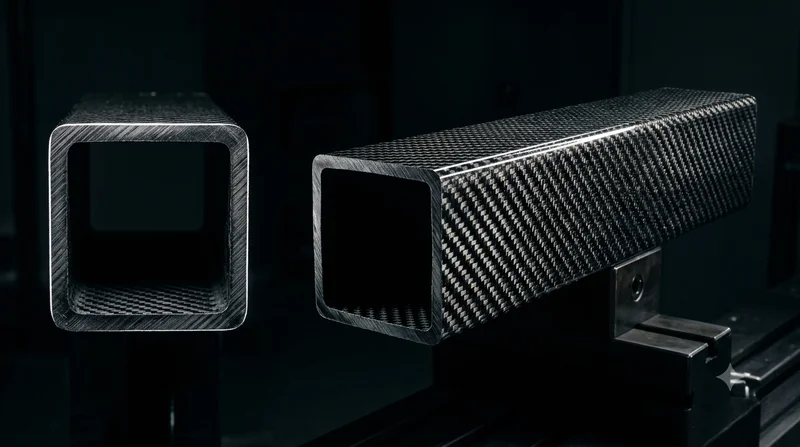
Square Carbon Fiber Tube — 3K Twill T700
Square cross-section carbon fiber tube manufactured with 3K twill weave for torsional strength. Preferred for structural frames, trusses, and support columns where rectangular geometry offers design flexibility.
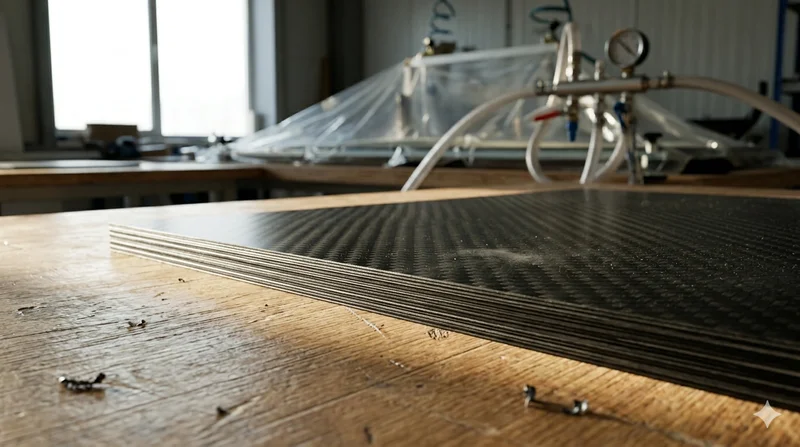
Carbon Fiber Plate — 3K Twill T700 3.0mm
Medium-thickness 3.0mm carbon fiber plate offering significantly higher load capacity while maintaining attractive 3K twill finish. Suitable for structural brackets, reinforcement plates, and load-bearing panels.
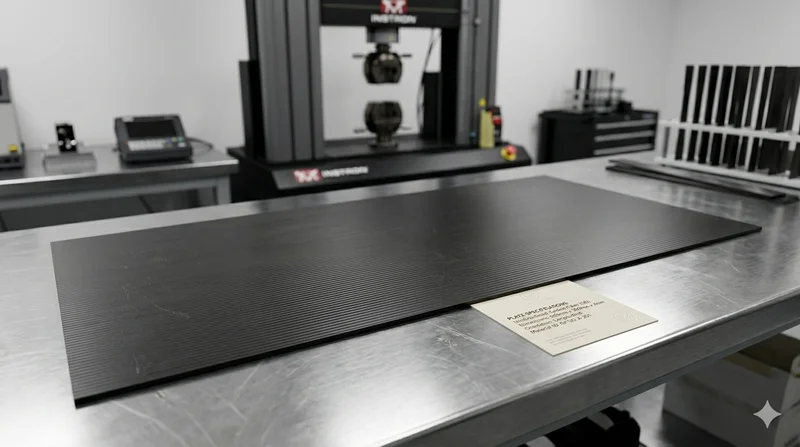
Carbon Fiber Plate — UD Unidirectional T700
Unidirectional carbon fiber plate with all fibers oriented in a single direction for maximum strength along the fiber axis. Essential for structural reinforcements, splints, and applications where load direction is predictable.