
Middle East Carbon Fiber Market 2026: Oil and Gas, Desalination, and Infrastructure Demand The Middle East carbon fiber market is undergoing a structural transformation. Valued at approximately $480 million in 2025, the regional carbon fiber composites market is projected to…
Middle East Carbon Fiber Market 2026: Oil and Gas, Desalination, and Infrastructure Demand
The Middle East carbon fiber market is undergoing a structural transformation. Valued at approximately $480 million in 2025, the regional carbon fiber composites market is projected to reach $1.14 billion by 2032, growing at a compound annual growth rate (CAGR) of 13.2%. This growth is being driven not by the aerospace demand that characterizes European and North American markets, but by three distinct and regionally specific demand drivers: oil and gas pipeline rehabilitation using corrosion-resistant composites, desalination plant infrastructure utilizing carbon fiber reinforced polymer (CFRP) pressure vessels, and massive infrastructure megaprojects including NEOM, the UAE railway network, and Qatar's post-World Cup legacy development.
For B2B suppliers of carbon fiber materials and components, the Middle East represents one of the most attractive growth markets globally. The region combines high government capital expenditure, a strategic imperative to diversify away from hydrocarbon dependency (as articulated in Saudi Vision 2030, UAE Vision 2021, and Qatar National Vision 2030), and a harsh operating environment that makes the corrosion resistance and lightweight properties of carbon fiber particularly valuable. This article provides a comprehensive market analysis with country-by-country breakdowns, application-specific demand projections, and strategic guidance for carbon fiber suppliers targeting the Middle East market.
Oil and Gas: Pipeline Corrosion-Resistant Composites
The oil and gas sector remains the single largest industrial consumer in the Middle East, accounting for 38% of regional carbon fiber demand in 2025. The primary application is in pipeline rehabilitation and corrosion management. The Middle East operates over 120,000 kilometers of hydrocarbon transmission pipelines, of which approximately 65% were installed before 2000 and are now entering the critical phase of their design life. Traditional steel pipeline replacement carries significant operational disruption — shutting down a major crude oil trunk line for even 48 hours can cost producers $5–8 million in lost revenue per incident.
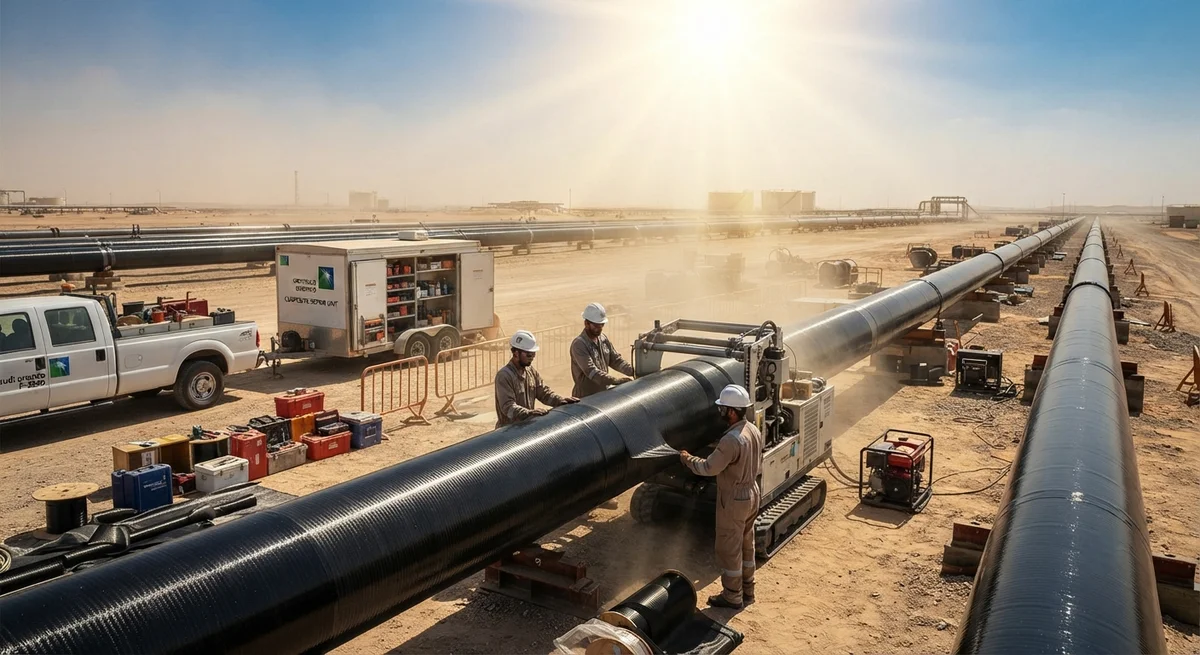
Carbon fiber reinforced polymer (CFRP) composite wrap systems have emerged as the preferred solution for pipeline rehabilitation. These systems consist of unidirectional carbon fiber fabrics impregnated with epoxy resin, applied circumferentially to the external surface of corroded or weakened pipe sections. The carbon fiber wrap restores the burst pressure rating to original design specifications — and in many cases exceeds it — while adding minimal weight and requiring no hot work permits (a critical safety advantage in hydrocarbon processing environments).
Field data from Saudi Aramco's pipeline rehabilitation program demonstrates that CFRP wrapping restores 100–120% of the original design burst pressure at 40–60% of the cost of pipe replacement and with 85% less operational downtime. Typical installation takes 3–5 days per repair section versus 2–4 weeks for conventional cut-and-replace methods. Saudi Aramco alone has deployed CFRP wrapping on over 1,800 pipeline sections since 2018, with an average repair length of 4.7 meters per section.
| Pipeline Rehabilitation Method | Cost per Repair Section (USD) | Downtime | Restored Burst Pressure | Service Life Extension |
|---|---|---|---|---|
| CFRP Composite Wrap | $18,000–$35,000 | 3–5 days | 100–120% of original | 20–30 years |
| Steel Pipe Replacement | $45,000–$85,000 | 14–28 days | 100% (new pipe) | 25–40 years |
| Welded Steel Sleeve Repair | $30,000–$55,000 | 7–14 days | 80–95% of original | 10–15 years |
| Epoxy Grout Injection | $12,000–$22,000 | 2–4 days | 60–75% of original | 5–10 years |
Desalination: CFRP for Reverse Osmosis Pressure Vessels
The Middle East accounts for approximately 47% of global desalination capacity, operating over 7,500 desalination plants with a combined capacity of 65 million cubic meters per day. The dominant desalination technology has shifted from thermal distillation (multi-stage flash and multi-effect distillation) to reverse osmosis (RO), which now accounts for 68% of new capacity installations in the region. This technological shift has created significant demand for carbon fiber composite materials in RO pressure vessels.
Reverse osmosis pressure vessels operate at pressures ranging from 55 to 85 bar (800–1,200 psi) and are exposed continuously to highly corrosive saltwater environments. CFRP pressure vessels have become the industry standard for high-pressure RO applications due to three critical advantages over traditional metallic vessels: weight reduction of 60–70% compared to stainless steel, complete immunity to chloride-induced stress corrosion cracking, and a 20-year design life with minimal maintenance. A standard 8-inch diameter CFRP pressure vessel weighing 28 kg replaces a stainless steel vessel weighing 82 kg, enabling significant reductions in structural support requirements and installation labor.
Infrastructure Megaprojects: NEOM, UAE Rail, and Beyond
The Middle East is currently executing the world's largest portfolio of infrastructure megaprojects, with a combined value exceeding $2.3 trillion. Carbon fiber composites are finding applications across multiple project types. NEOM alone — the $500 billion smart city under development in northwest Saudi Arabia — has specified carbon fiber-reinforced concrete for bridge decks, carbon fiber cables for its suspended mobility systems, and CFRP cladding for corrosion-resistant building façades. The projected carbon fiber consumption for NEOM Phase 1 construction (2026–2030) is estimated at 4,200 metric tons.
The UAE railway network — Etihad Rail, connecting all seven emirates and extending to the Saudi and Omani borders — incorporates carbon fiber composite components in bridge structures, station canopies, and rolling stock interior panels. Qatar's post-2022 World Cup legacy development program, including the Lusail City expansion and the Sharq Crossing megaproject, has similarly specified CFRP materials for corrosion-resistant infrastructure components. Across the region, a 2025 survey of Middle Eastern construction and engineering procurement managers indicated that 67% expect to increase their specification of carbon fiber composites in infrastructure projects over the next 3–5 years.
Regional Market Analysis by Country
The Middle East carbon fiber market is concentrated in four countries that collectively account for 89% of regional demand:
| Country | Market Size 2025 (USD M) | Projected 2032 (USD M) | CAGR | Primary Demand Drivers |
|---|---|---|---|---|
| Saudi Arabia | $210 | $535 | 14.3% | Oil & gas pipeline rehab, NEOM, Red Sea Project, desalination |
| United Arab Emirates | $145 | $348 | 13.4% | Etihad Rail, Dubai urban rail, desalination, construction |
| Qatar | $52 | $125 | 13.1% | Lusail City, Sharq Crossing, water infrastructure |
| Oman | $38 | $92 | 13.5% | Oil & gas pipeline rehab, desalination, Duqm port development |
Key demand drivers for Middle Eastern carbon fiber adoption include:
- Corrosion mitigation: The Gulf's high ambient temperature (45–55°C), extreme humidity (85–100% RH), and chloride-rich atmosphere accelerate metallic corrosion 3–5 times faster than temperate environments. Carbon fiber's intrinsic corrosion resistance eliminates this failure mode entirely.
- Weight reduction: Every kilogram saved in offshore platform topsides equipment, desalination plant structural supports, or vehicle components translates directly to reduced construction costs and improved operational efficiency in a region where logistics and installation labor are expensive.
- Vision 2030 economic diversification: Saudi Arabia's plan to reduce oil dependence by 2030 includes a $117 billion budget for industrial development that specifically targets advanced materials, composites manufacturing, and localization of carbon fiber supply chains.
- Water security imperatives: The region's desalination expansion — projected to add 28 million m³/day of new capacity by 2032 — creates a compounding demand for CFRP pressure vessels, piping, and structural components.
- Temperature and UV stability: Advanced carbon fiber composite systems formulated with high-Tg epoxy resins (180–200°C) and UV-resistant protective coatings maintain mechanical performance in the Gulf's extreme thermal environment where many polymer-based alternatives degrade within 5–7 years.
Supply Chain and Procurement Considerations
B2B suppliers targeting the Middle East carbon fiber market must address several region-specific procurement requirements. Local content rules — particularly in Saudi Arabia's In-Kingdom Total Value Add (IKTVA) program and the UAE's In-Country Value (ICV) framework — increasingly require that a percentage of the manufacturing value be generated within the country. For carbon fiber products, this typically means establishing local conversion facilities (prepreg manufacturing, component fabrication) while importing the raw carbon fiber. The UAE currently hosts the region's only dedicated carbon fiber precursor and tow production facility, while Saudi Arabia has announced plans for a $250 million carbon fiber manufacturing complex in the King Salman Energy Park (SPARK).
For smaller volume buyers, working with international carbon fiber suppliers who have established distribution partnerships in Dubai (Jebel Ali Free Zone) or Bahrain provides the most cost-effective access. Jebel Ali serves as the primary regional logistics hub for carbon fiber products, with bonded warehousing capacity of over 5,000 square meters for controlled-environment storage of prepregs and adhesives.
What are the certification and standards requirements for carbon fiber composites used in Middle East oil and gas applications?
CFRP repair systems for oil and gas pipelines must comply with ISO 24817 (Composite Repairs for Pipework) and ASME PCC-2, Article 4.1 (Repair of Pressure Equipment and Piping). Additionally, Saudi Aramco maintains its own standard, SAES-L-013, which requires third-party validation of repair design at a recognized testing laboratory. For desalination applications, CFRP pressure vessels must be certified to ASME Boiler and Pressure Vessel Code Section X (Fiber-Reinforced Plastic Vessels) and meet NSF/ANSI 61 for drinking water system components. Construction applications require compliance with IBC (International Building Code) and local civil defense authority approvals.
What is the typical lead time for CFRP pressure vessel delivery to Middle East desalination projects?
Standard CFRP pressure vessels for RO desalination have a manufacturing lead time of 10–16 weeks from order, plus 3–4 weeks for shipping from Asian manufacturing hubs (primarily China, South Korea, and Taiwan) to Middle Eastern ports. Custom vessel configurations with specialized port configurations or higher pressure ratings (85 bar+) require 14–20 weeks. Buyers should factor in an additional 4–8 weeks for certification review if the project requires third-party validation through a recognized authority such as Lloyds Register or DNV. Most experienced buyers place orders 6–9 months before the planned installation date to secure production slot availability.
How do Middle East temperature extremes affect carbon fiber composite performance?
Standard epoxy-based carbon fiber composites are formulated for service temperatures of –40°C to +120°C, which encompasses the full Middle Eastern operating range. However, prolonged exposure to surface temperatures exceeding 80°C (achievable on dark-colored deck surfaces in direct Gulf summer sun) can accelerate epoxy matrix degradation in standard systems. For these applications, suppliers should specify high-temperature epoxy systems with Tg values of 180°C or higher, or phenolic-based resin systems that maintain structural integrity up to 250°C. UV degradation of the protective coating layer — rather than the carbon fiber itself — is the primary long-term durability concern, requiring gel coats or polyurethane topcoats specifically formulated for high-UV environments.
Conclusion
The Middle East carbon fiber market in 2026 represents a unique convergence of demand drivers — from oil and gas pipeline rehabilitation and desalination infrastructure to transformative megaprojects that collectively create a multi-billion-dollar addressable market. For B2B carbon fiber suppliers, the region offers above-average growth rates (13–14% CAGR versus 8–10% globally), strong government-backed demand that is less cyclical than consumer-driven markets, and an emerging localization trend that rewards early establishment of manufacturing or distribution partnerships. The key to successful market entry is understanding the specific technical requirements of each sub-market — pipeline repair systems certified to ISO 24817, pressure vessels meeting ASME Section X, or construction-grade CFRP products with appropriate fire and thermal ratings — and building supply chain relationships that address the region's unique logistics and compliance landscape.
Part of topic
Related Articles
- Recycled Carbon Fiber Market Forecast 2030: Technology Maturity and Commercialization Path
- South Korea Carbon Fiber Market 2026: Hydrogen Economy and Shipbuilding Innovation
- Wind Turbine Blade Leading Edge Protection 2026: Polyurethane, Tape, and Metallic Shield Solutions
- China Carbon Fiber Overcapacity 2026: Price War Impact and Industry Consolidation
- India Carbon Fiber Market 2026: Wind Energy, Aerospace, and Defense Expansion
- PAN Precursor Market 2026: Acrylonitrile Supply and Carbon Fiber Cost Structure
Interested in Our Products?
Contact our team for competitive pricing and technical specifications.
Get a QuoteRelated Products
Carbon fiber standard plate-3k stripe
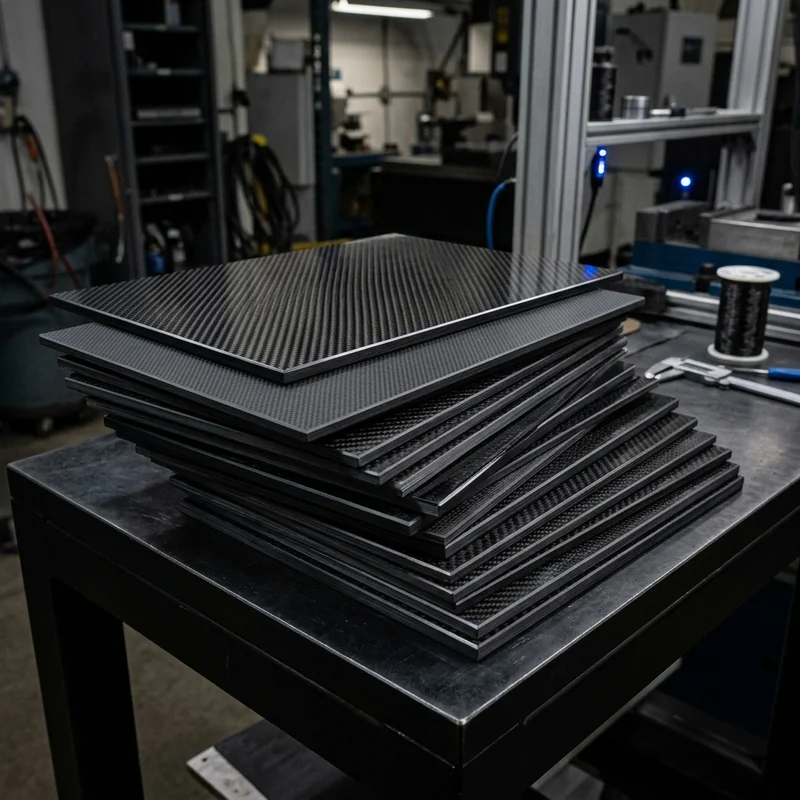
Lightweight, ultra-rigid standard sheets for drone fuselages, robot housings, facades and structural applications.

Carbon Fiber Plate — 3K Twill T700 1.5mm
Thin 1.5mm carbon fiber plate with 3K twill weave surface. Lightweight and stiff, commonly used for covers, panels, drone bodies, and applications requiring a premium aesthetic appearance.
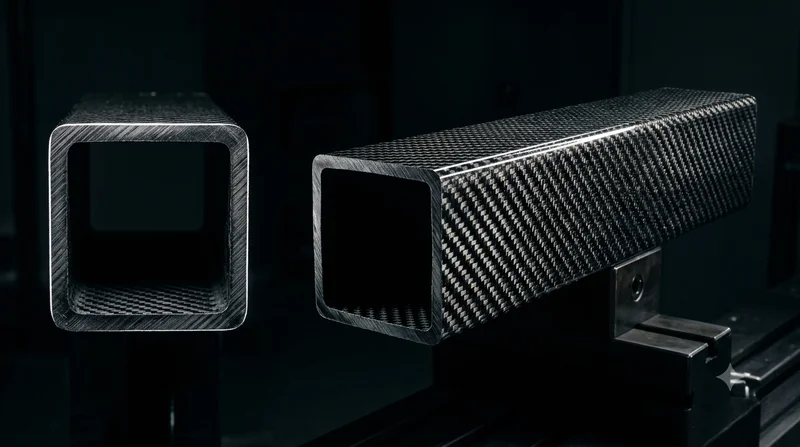
Square Carbon Fiber Tube — 3K Twill T700
Square cross-section carbon fiber tube manufactured with 3K twill weave for torsional strength. Preferred for structural frames, trusses, and support columns where rectangular geometry offers design flexibility.
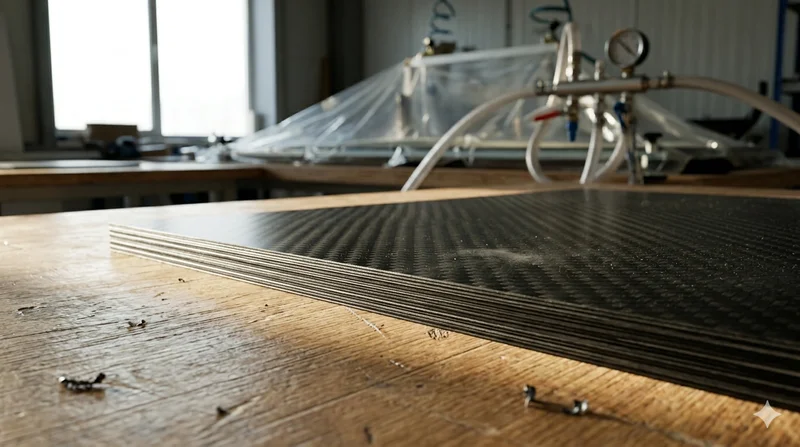
Carbon Fiber Plate — 3K Twill T700 3.0mm
Medium-thickness 3.0mm carbon fiber plate offering significantly higher load capacity while maintaining attractive 3K twill finish. Suitable for structural brackets, reinforcement plates, and load-bearing panels.
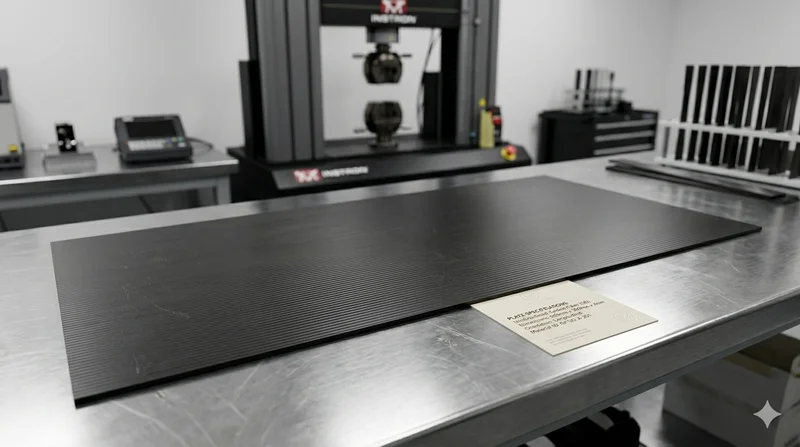
Carbon Fiber Plate — UD Unidirectional T700
Unidirectional carbon fiber plate with all fibers oriented in a single direction for maximum strength along the fiber axis. Essential for structural reinforcements, splints, and applications where load direction is predictable.