
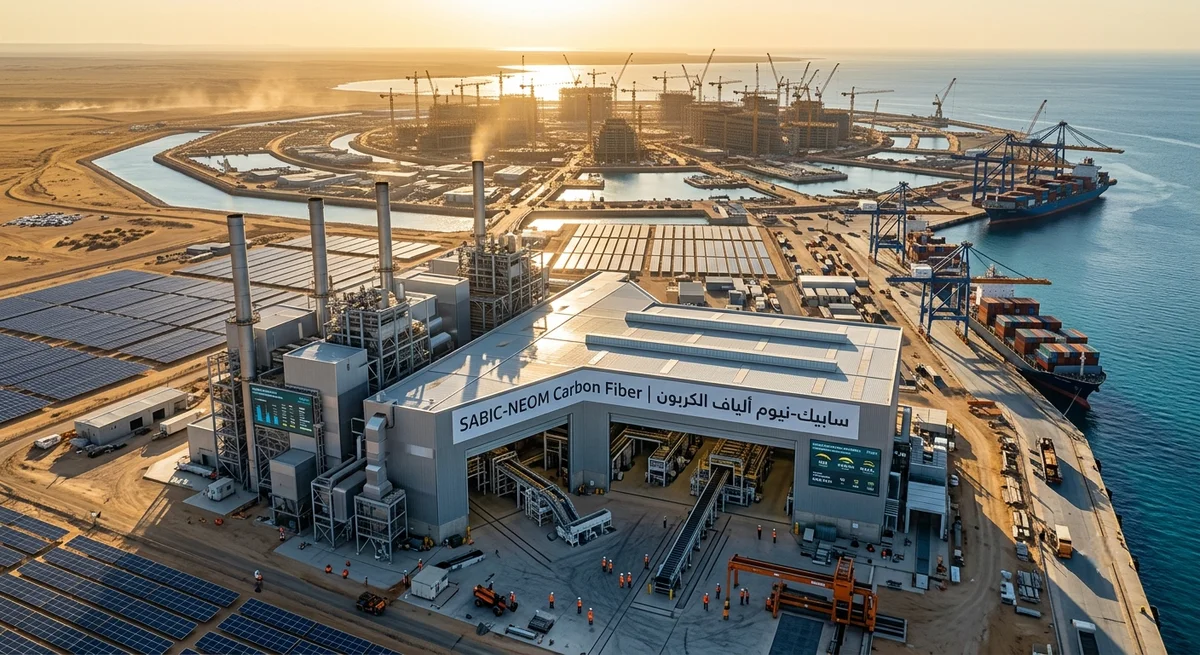
Saudi Arabia and the UAE are investing over $12 billion in carbon fiber and advanced composites infrastructure as part of their aerospace industrial strategies. This analysis covers the key projects, strategic rationale, supply chain implications, and opportunities for global B2B partners.
The $12 Billion Bet: Middle East Composites and Aerospace Transformation
The Middle East is undergoing one of the most ambitious industrial transformations of the 21st century. At the heart of Saudi Arabia's Vision 2030 and the UAE's Operation 300bn lies a strategic bet on advanced materials — particularly carbon fiber and advanced composites — as the foundational technology for domestic aerospace capability. With over $12 billion in announced investments across the Gulf region (2024–2026), the Middle East is positioning itself not merely as a consumer of composites but as a manufacturing hub, R&D center, and supply chain node. This article provides a data-driven analysis of the key projects, strategic drivers, and what these developments mean for global B2B partners in the carbon fiber ecosystem.
Major Carbon Fiber and Composites Projects in the Middle East
| Project | Location | Investment ($B) | Capacity / Scope | Timeline | Partner/Technology |
|---|---|---|---|---|---|
| SABIC-NEOM Carbon Fiber Plant | NEOM (Oxagon), Saudi Arabia | $3.2 | 15,000 tonnes/yr PAN-based CF | 2025–2028 | SABIC + Toray (technology license) |
| ADNOC Composites Complex | Al Ain, UAE | $2.0 | 8,000 tonnes/yr CF + 12,000 tonnes/yr prepreg | 2024–2027 | ADNOC + Hexcel (JV) |
| Mubadala Aerospace Composites Park | Al Ain, UAE | $1.8 | 150,000 m² facility, AFP lines, autoclaves | 2025–2029 | Strata Manufacturing + Boeing |
| NEOM Advanced Manufacturing Hub | NEOM, Saudi Arabia | $2.5 | Integrated CF weaving, prepreg, molding | 2026–2030 | Multiple (Airbus, Solvay) |
| KACST Carbon Research Center | Riyadh, Saudi Arabia | $0.6 | R&D, pilot line (500 tonnes/yr), recycling | 2024–2027 | King Abdulaziz City for Science & Technology |
| Ducab Composites (Al Dhafra) | Abu Dhabi, UAE | $0.5 | Pultrusion, winding lines for construction | 2025–2028 | Ducab + Mitsubishi Chemical Group |
| QatarEnergy CF Pipe Plant | Ras Laffan, Qatar | $0.4 | CFRP pipes for oil & gas (5,000 tonnes/yr) | 2025–2027 | QatarEnergy + ACP Composites |
| Oman CF Recycling Facility | Duqm, Oman | $0.3 | 3,000 tonnes/yr recycled CF | 2026–2028 | OQ + ELG Carbon Fibre |
Strategic Rationale: Why Carbon Fiber?
The Middle East's focus on carbon fiber is driven by five converging imperatives:
- Aerospace localization: Saudi Arabia's Aviation Strategy targets $33 billion in aerospace GDP by 2030 (from $8 billion in 2023). The UAE aims to produce 30% of its defense aerospace components domestically by 2030. Both require a domestic composites supply chain — currently, 95% of Gulf aerospace-grade CF prepreg is imported.
- Industrial diversification beyond oil: Carbon fiber manufacturing is a high-value, high-skill industry with gross margins of 25–40% for standard modulus CF and 45–60% for intermediate modulus CF. A 15,000-tonne plant at NEOM at $30/kg average pricing generates $450 million annual revenue — directly aligned with Vision 2030's non-oil GDP goals.
- Green hydrogen infrastructure: The GCC plans $54 billion in green hydrogen projects by 2030. CFRP is the material of choice for Type IV and Type V hydrogen storage vessels (70 MPa). At 80 tonnes CF per 1,000 vessels (typical for a hydrogen refueling station buildout), the Middle East's hydrogen ambitions alone require 15,000–20,000 tonnes of CF annually by 2030.
- Defense self-sufficiency: The GCC military expenditure was $115 billion in 2024. Domestic CF production reduces dependence on foreign suppliers for critical defense components — UAV airframes, ballistic armor, naval composite structures, and missile casings.
- Sustainability and recycling leadership: The Middle East aims to become a global hub for carbon fiber recycling, leveraging low-cost solar energy for the energy-intensive pyrolysis recycling process. A recycled CF price of $10–15/kg (vs $18–25/kg virgin standard modulus) creates a competitive downstream supply chain advantage.
Supply Chain Implications for Global B2B Partners
| Supply Chain Segment | Current Gulf Status | 2028 Target | Import Dependency (2024) | B2B Opportunity |
|---|---|---|---|---|
| PAN precursor production | Zero domestic | 5,000 tonnes/yr (NEOM) | 100% | Technology transfer & licensing ($50–80M per plant) |
| Carbon fiber (standard modulus) | 500 tonnes/yr (pilot) | 20,000 tonnes/yr | 98% | OEM supply agreements, toll conversion partnerships |
| Carbon fiber (intermediate modulus) | Zero | 3,000 tonnes/yr | 100% | Joint venture with Toray/Hexcel/Toho Tenax |
| Prepreg manufacturing | 2,000 tonnes/yr | 18,000 tonnes/yr | 85% | Equipment supply (autoclaves, AFP) & resin systems |
| CF component fabrication | $400M/yr (UAE) | $3.5B/yr | 60% | Subcontract manufacturing, composite tooling supply |
| CF recycling | Negligible | 8,000 tonnes/yr | N/A | Recycling technology, rCF product offtake |
| Aerospace NDT & certification | Limited to MRO | Full capability | 80% | Testing lab partnerships, certification consulting |
Comparative Analysis: Saudi Arabia vs UAE
| Dimension | Saudi Arabia (Vision 2030) | UAE (Operation 300bn / We the UAE 2031) |
|---|---|---|
| Total CF investment (2024–2030) | $7.5B | $4.8B |
| Target CF production capacity (2030) | 25,000 tonnes/yr | 12,000 tonnes/yr |
| Primary hub | NEOM (Oxagon) | Al Ain / Tawazun Industrial Park |
| Key advantage | Land, solar energy ($0.015/kWh), scale | Established aerospace ecosystem (Strata, Emirates) |
| Key challenge | Skilled workforce availability | Higher energy costs, land constraints |
| Defense focus | UAVs, naval composites | Aerospace structures, missile components |
| Hydrogen infrastructure | NEOM green hydrogen (600 tonnes/day H₂ by 2026) | ADNOC hydrogen (1M tonnes/yr by 2030) |
| R&D spending (% of GDP) | 0.6% (target 2.5% by 2030) | 1.5% (target 2.0% by 2031) |
| International partnerships | Toray, Airbus, SABIC | Hexcel, Boeing, Strata, EDGE Group |
Investment Timeline: 2024–2030
- 2024: KACST opens pilot CF line (500 tonnes/yr). ADNOC-Hextel JV announced ($2B). Mubadala breaks ground on Al Ain Composites Park.
- 2025: SABIC-NEOM CF plant construction begins. First commercial CF production from ADNOC complex. QatarEnergy CF pipe plant operational.
- 2026: Strata Manufacturing doubles aerospace composites capacity to 6,000 parts/month. NEOM Advanced Manufacturing Hub phase 1 opens. Oman CF recycling facility begins construction.
- 2027: SABIC-NEOM CF plant reaches 50% capacity (7,500 tonnes/yr). ADNOC prepreg line at full capacity. First fully Saudi-produced prepreg enters aerospace qualification.
- 2028: SABIC-NEOM CF plant at full capacity (15,000 tonnes/yr). KACST commercial recycling line online. Combined Gulf CF capacity reaches 28,000 tonnes/yr.
- 2030: Target: 37,000 tonnes/yr total Gulf CF capacity (approximately 10% of global production in 2023). NEOM Advanced Manufacturing Hub at full operation. $3.5B in annual composites fabrication revenue.
Opportunities for Global B2B Partners
- Technology licensing and equipment supply: Gulf entities are aggressively seeking PAN precursor technology, carbonization line equipment (furnaces from Harper, Despatch), and AFP/ATL machinery (Electroimpact, MTorres, Coriolis). A 1,500-tonne carbonization line costs $80–120M fully installed. Multiple lines are being procured 2025–2028.
- Resin system supply: The UAE and Saudi Arabia will require 5,000–8,000 tonnes of aerospace-grade epoxy resin systems annually by 2028. Current Gulf epoxy production (ADNOC, SABIC) is limited to commodity grades. Aerospace-grade resin (CYCOM, HexPly, Solvay) is 100% imported — a $150–250M annual market.
- Workforce training and certification: An estimated 12,000–15,000 skilled composites technicians will be needed by 2030 across the Gulf. Current trained workforce: approximately 800. Training partnerships with NCAMP, EASA Part 21G, and NADCAP certification bodies are in high demand.
- Joint venture manufacturing: Global CF manufacturers (Toray, Teijin, Mitsubishi Chemical, SGL Carbon, Hyosung) are actively negotiating JV terms for Gulf production. Key incentives: 0% corporate tax for 20–50 years, subsidized energy ($0.015–0.03/kWh), and preferential access to government procurement.
FAQ
Q: Is Gulf carbon fiber cost-competitive with Chinese production?
A: At current prices, Chinese standard-modulus CF (Toray T700 equivalent) is $18–22/kg, while Gulf-produced CF is projected at $22–28/kg during the first 3 years of production (2027–2029). However, the Gulf's advantage lies in (1) energy costs — carbonization requires 35–55 kWh/kg at $0.015/kWh (NEOM) vs $0.07–0.10/kWh in China, saving $2.50–4.50/kg; (2) logistics — Gulf CF avoids the 12–15% tariff + 5–8% freight premium for CF entering Middle East markets from Asia; (3) preferential procurement — GCC defense and energy sectors mandate local content waivers of 15–25% price premium. By 2030, with scale and process optimization, Gulf CF is expected to reach $20–24/kg, approaching Chinese pricing parity for the Middle East market.
Q: How will Gulf CF investment affect global carbon fiber supply and pricing?
A: The combined Gulf capacity target of 37,000 tonnes/yr by 2030 represents approximately 10% of 2023 global production (374,000 tonnes) and could be 8–10% of projected 2030 demand (450,000–500,000 tonnes). This new supply is unlikely to depress global pricing significantly because the majority (~70%) will be consumed locally for Gulf aerospace, hydrogen, and defense programs — these are NEW demand drivers, not import displacement. However, the increased competition could accelerate the consolidation of mid-tier global CF producers (those with 2,000–5,000 tonnes/yr capacity and $25–35/kg cost base). The main pricing impact will be regional: Middle East CF prices are expected to drop 30–40% by 2029 compared to 2024 import prices, benefiting downstream Gulf manufacturers.
Q: What are the biggest risks to the Middle East composites buildout?
A: Three primary risks: (1) Skilled workforce shortage — building a 15,000-person composites workforce from a base of ~800 is unprecedented. GCC countries are investing $2B+ in training (including SABIC's Composites Academy and UAE's National Advanced Materials Skills Program), but recruiting and retention remain critical. (2) Technology transfer delays — Japanese and US export controls on high-modulus CF precursor technology (regulated under Wassenaar Arrangement) have already delayed the SABIC-Toray deal by 18 months. (3) Hydrogen economy scaling — if green hydrogen adoption is slower than projected, the anchor demand case for 15,000–20,000 tonnes of CF loses its largest single application, undermining plant economics. Current GCC hydrogen projects face 12–24 month delays on average.
Q: Which global carbon fiber companies are best positioned to benefit?
A: Toray Industries is the most deeply engaged (SABIC-NEOM deal, potential UAE expansion) and stands to capture the largest Gulf market share through technology licensing fees ($150–200M total), precursor supply ($40–60M/yr at full capacity), and JV equity stakes (estimated 25–30% in NEOM CF plant). Hexcel benefits from its established ADNOC JV and strong aerospace prepreg position. Mitsubishi Chemical Group is well-positioned for construction and infrastructure CF applications through Ducab. SGL Carbon could benefit from hydrogen storage vessel partnerships. European and Chinese equipment manufacturers (Harper, Eisenmann, CEC) have the most to gain from the equipment procurement wave, with estimated $1.2–1.8B in furnace and conversion line orders through 2030.
Conclusion: A Transformative Decade for Gulf Composites
The Middle East's carbon fiber investment represents the largest concentrated buildout of carbon fiber production capacity in the industry's history outside of China. With $12 billion committed, a doubling of engineers in training, and preferential policy support spanning energy subsidies to local content mandates, the Gulf is on track to account for 8–10% of global carbon fiber production by 2030 — a remarkable increase from effectively zero in 2023. For global B2B partners, the window for entry is 2025–2027, before local supply chains mature. Technology providers, equipment manufacturers, resin system suppliers, and certification bodies have the greatest opportunities in the near term. As Gulf capacity comes online, regional pricing will converge with Asian benchmarks, but the strategic value lies in accessing one of the world's fastest-growing aerospace, hydrogen, and defense markets through local partnerships.
Source: weekly-topics.json | Category: industryPart of topic
Related Articles
- Recycled Carbon Fiber Market Forecast 2030: Technology Maturity and Commercialization Path
- South Korea Carbon Fiber Market 2026: Hydrogen Economy and Shipbuilding Innovation
- Wind Turbine Blade Leading Edge Protection 2026: Polyurethane, Tape, and Metallic Shield Solutions
- China Carbon Fiber Overcapacity 2026: Price War Impact and Industry Consolidation
- India Carbon Fiber Market 2026: Wind Energy, Aerospace, and Defense Expansion
- PAN Precursor Market 2026: Acrylonitrile Supply and Carbon Fiber Cost Structure
Interested in Our Products?
Contact our team for competitive pricing and technical specifications.
Get a QuoteRelated Products
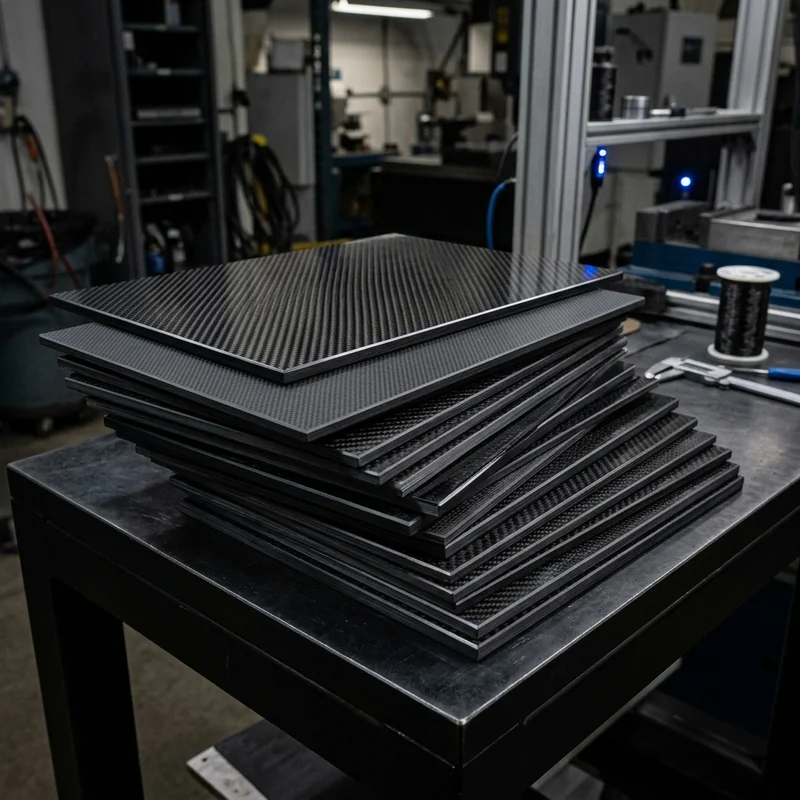
Carbon fiber standard plate-3k stripe
Lightweight, ultra-rigid standard sheets for drone fuselages, robot housings, facades and structural applications.

Carbon Fiber Plate — 3K Twill T700 1.5mm
Thin 1.5mm carbon fiber plate with 3K twill weave surface. Lightweight and stiff, commonly used for covers, panels, drone bodies, and applications requiring a premium aesthetic appearance.

Square Carbon Fiber Tube — 3K Twill T700
Square cross-section carbon fiber tube manufactured with 3K twill weave for torsional strength. Preferred for structural frames, trusses, and support columns where rectangular geometry offers design flexibility.

Carbon Fiber Plate — 3K Twill T700 3.0mm
Medium-thickness 3.0mm carbon fiber plate offering significantly higher load capacity while maintaining attractive 3K twill finish. Suitable for structural brackets, reinforcement plates, and load-bearing panels.
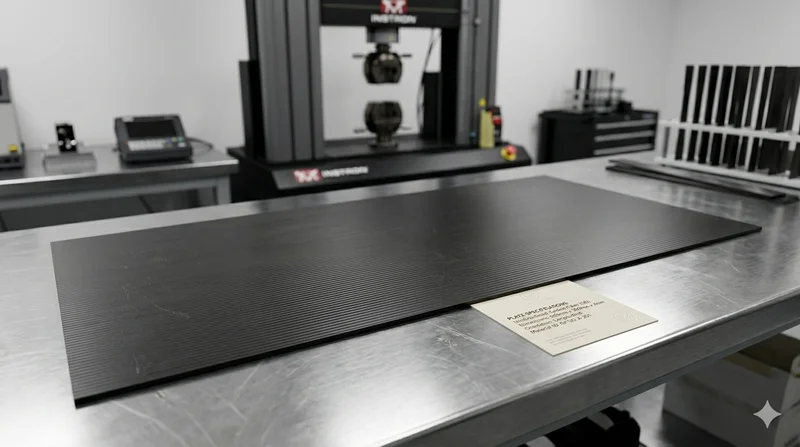
Carbon Fiber Plate — UD Unidirectional T700
Unidirectional carbon fiber plate with all fibers oriented in a single direction for maximum strength along the fiber axis. Essential for structural reinforcements, splints, and applications where load direction is predictable.