
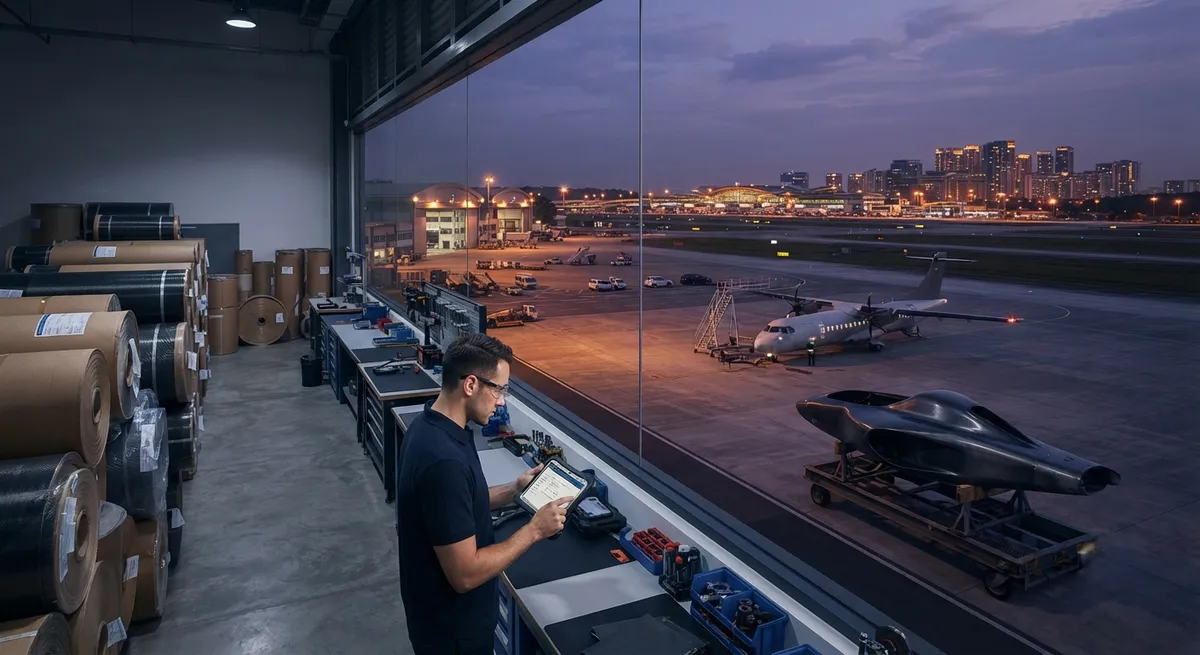
Malaysia has quietly become one of the most active carbon fiber demand markets in Southeast Asia. Unlike larger neighbors that lean on a single industry, Malaysia draws demand from three distinct sectors at once: an aerospace cluster that has grown around the Subang and Kuala Lumpur Int
Introduction
Malaysia has quietly become one of the most active carbon fiber demand markets in Southeast Asia. Unlike larger neighbors that lean on a single industry, Malaysia draws demand from three distinct sectors at once: an aerospace cluster that has grown around the Subang and Kuala Lumpur International Airport corridors, a deep electronics manufacturing base that increasingly specifies carbon composites for precision tooling and handling equipment, and an automotive electronics (EMS) sector that is adopting lightweight composite parts as vehicle architectures electrify. For suppliers and importers, Malaysia is less a single market than a portfolio of three demand streams, each with its own specification profile and sourcing behavior.
This article reviews the reported 2026 picture for carbon fiber in Malaysia, the regional trade data that frames it, and what the numbers mean for a buyer deciding where and how to source material.
The Aerospace Cluster: Subang and the MRO-to-Manufacturing Shift
Malaysia's aerospace story is anchored in the Subang aerospace park and the wider Klang Valley corridor, where a mix of maintenance, repair, and overhaul (MRO) operators, tier suppliers, and a growing number of composite fabrication shops have clustered. The country has long positioned itself as a regional MRO hub, and reported 2026 trade data continues to show steady growth in aerospace-related imports, including composite materials and semi-finished parts. What is changing is the mix: more local fabrication of interior panels, fairings, and secondary structures, which pulls in carbon fiber fabric, prepreg, and honeycomb core rather than only finished components.
The table below summarizes the reported shape of Malaysia's carbon fiber demand by sector in 2026:
| Sector | Primary Carbon Fiber Use | Reported 2026 Demand Trend |
|---|---|---|
| Aerospace cluster | Interior panels, fairings, secondary structures, tooling | Growing with MRO-to-manufacturing shift |
| Electronics manufacturing | Precision tooling, pick-and-place equipment, structural frames | Steady, specification-driven |
| Automotive EMS | Lightweight structural and trim components | Rising with EV and lightweighting programs |
| Marine and sporting goods | Hulls, masts, shafts, and recreational equipment | Moderate, export-linked |
For a supplier, the aerospace cluster is the highest-value entry point because it demands documented, traceable material with consistent batch properties — exactly the kind of specification that rewards a reliable upstream partner.
Electronics Manufacturing: Precision Tooling and Equipment Demand
Malaysia is one of the world's largest electronics manufacturing locations, with a dense network of semiconductor assembly, test, and packaging (OSAT) facilities and precision equipment makers. This base is a growing consumer of carbon fiber for a reason that has little to do with the aerospace glamour: carbon composites offer a high stiffness-to-weight ratio and low thermal expansion, which makes them valuable for precision tooling, machine frames, pick-and-place arms, and handling equipment where dimensional stability under load matters. Reported 2026 data points to continued investment in Malaysian electronics capacity, which in turn sustains demand for composite tooling and structural components.
- Precision tooling: Carbon fiber fixtures and frames that hold tolerances better than metal under temperature change.
- Automation equipment: Lightweight, stiff arms and gantries for high-speed pick-and-place and inspection systems.
- Cleanroom components: Non-magnetic, low-outgassing composite parts for sensitive manufacturing environments.
- Thermal management: Composite structures that combine stiffness with low thermal conductivity for equipment housings.
This segment buys differently from aerospace: it values consistency and lead time over certification paperwork, and it is often willing to adopt standard carbon fiber fabrics and prepregs rather than bespoke aerospace-grade material.
Automotive EMS Demand: Lightweighting in the Supply Chain
Malaysia's automotive sector is anchored by national OEMs and a large network of tier-1 and tier-2 suppliers, and the country has a growing electronics manufacturing services (EMS) footprint that serves global automotive customers. As vehicle electrification and lightweighting programs expand across the region, reported 2026 data shows rising interest in carbon fiber for structural and semi-structural components — battery enclosures, seat structures, and trim that must meet weight targets without sacrificing strength. The EMS model matters here: Malaysian suppliers often build to customer specification, which means demand for carbon fiber is driven by the design decisions of global OEMs rather than by local vehicle sales alone.
For importers, the practical implication is that Malaysian automotive EMS demand is project-driven and lumpy. A single program award can create a step-change in material requirements, while a program delay can flatten demand for a quarter. Buyers who can respond quickly to specification changes and hold flexible inventory are better positioned than those locked into rigid long-term contracts.
Trade Data and Reported Market Growth
Reported in June 2026 trade data, Malaysia's imports of carbon fiber and carbon fiber products have continued to grow, consistent with the expansion of the aerospace, electronics, and automotive sectors described above. The country does not have a large domestic carbon fiber precursor or tow production base, so the vast majority of demand is met by imports — a structural fact that makes Malaysia a net importer and a reliable destination for overseas suppliers. Regional trade flows show material arriving from major producing economies, with the reported value of imports rising in line with the growth of the downstream clusters.
It is important to read these figures as reported ranges rather than precise official statistics. Trade data in the region is published with lags and revisions, and the exact tonnage varies by classification. What is consistent across the reported data is the direction: Malaysian demand for carbon fiber is growing, and it is growing fastest in the aerospace and electronics segments where specification and traceability matter most.
Frequently Asked Questions
Is Malaysia a large producer of carbon fiber, or an importer?
Malaysia is primarily an importer. It does not have a large domestic carbon fiber precursor or tow production base, so the vast majority of carbon fiber demand is met by imports from major producing economies. This makes Malaysia a net import market and an attractive destination for overseas suppliers of carbon fiber fabric, prepreg, and tow.
Which Malaysian sectors drive the most carbon fiber demand?
Three sectors dominate: the aerospace cluster around Subang and the Klang Valley, which uses carbon fiber for interior panels, fairings, and secondary structures; electronics manufacturing, which uses carbon fiber for precision tooling and automation equipment; and automotive EMS, which is adopting carbon fiber for lightweight structural and semi-structural components. Marine and sports goods add a smaller, export-linked stream of demand.
What specifications do Malaysian buyers typically require?
It depends on the sector. Aerospace buyers require documented, traceable material with consistent batch properties and full process records. Electronics and automation buyers prioritize dimensional stability, lead time, and consistency, and are often willing to use standard carbon fiber and prepreg grades. Automotive EMS buyers supply to global OEM specifications, so requirements follow the design decisions of the customer's program.
How should a supplier approach the Malaysian market?
Because Malaysia is really three markets in one, a supplier should identify which cluster it serves and tailor its value proposition accordingly. For aerospace, emphasize traceability and documentation. For electronics, emphasize consistency and lead time. For automotive EMS, emphasize responsiveness and the ability to support specification changes. Working with a partner that understands the local trade and logistics environment also reduces friction.
Conclusion
Malaysia's carbon fiber market in 2026 is best understood as three overlapping demand streams — a growing aerospace cluster, a precision-driven electronics manufacturing base, and an automotive EMS sector adopting lightweight composites — all supported by a structural reliance on imports. Reported trade data points to continued growth, and the segments that value specification and traceability are the ones where a reliable upstream partner adds the most value. For a buyer, the opportunity is to match the right material grade and documentation to the right Malaysian sector, rather than treating the country as a single undifferentiated market.
Whether you are supplying the aerospace cluster, precision tooling for electronics, or lightweight components for automotive EMS, consistent, traceable carbon fiber inputs make the difference. Explore our carbon fiber fabrics and prepreg materials with consistent batch documentation, or contact our engineering team to discuss specifications for your Malaysian program.
Part of topic
Related Articles
- Carbon Fibre Sheet Supplier UK: Sourcing Options and Specification Checklist
- Carbon Fiber Sheets Near Me Suppliers: Local Stock vs Factory Direct
- Filament Wound Epoxy Tubes: Industry Standards and Compliance Requirements
- Carbon Fiber Dealers Near Me: What a Good Dealer Actually Adds
- Carbon Fiber Supplies Near Me: Local Sourcing Without Compromising Spec
- Carbon Fiber for Sale: Online Platforms and Direct Sales Channel Comparison
Interested in Our Products?
Contact our team for competitive pricing and technical specifications.
Get a QuoteRelated Products
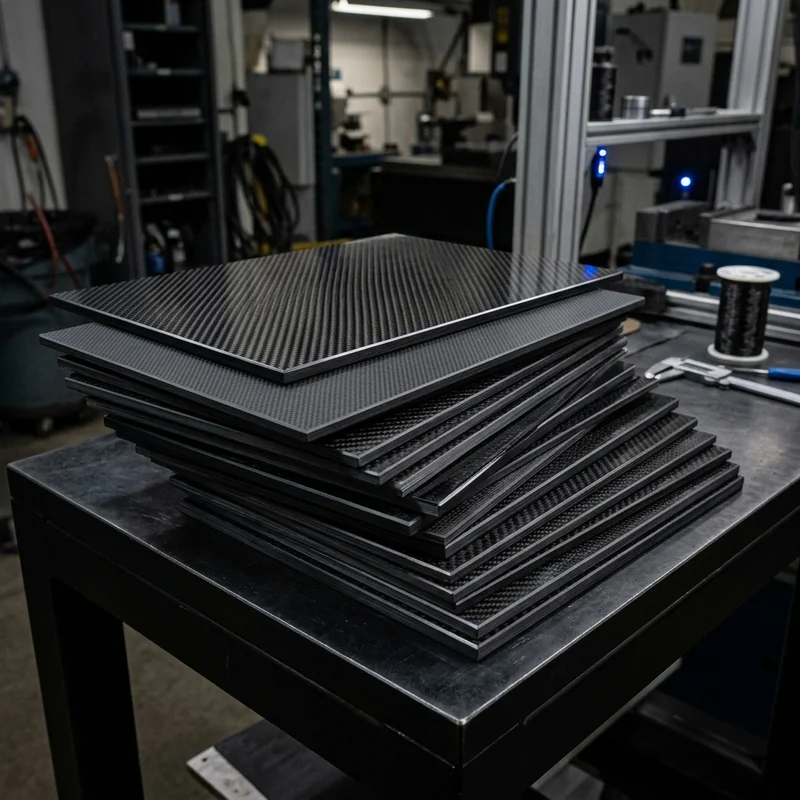
Carbon fiber standard plate-3k stripe
Lightweight, ultra-rigid standard sheets for drone fuselages, robot housings, facades and structural applications.
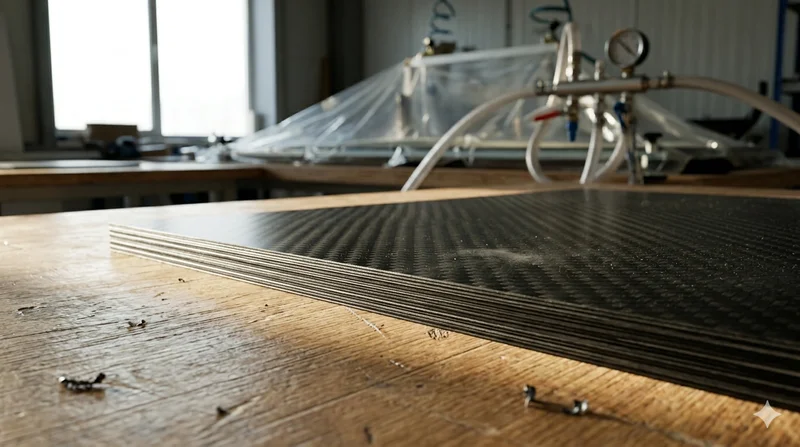
Carbon Fiber Plate — 3K Twill T700 3.0mm
Medium-thickness 3.0mm carbon fiber plate offering significantly higher load capacity while maintaining attractive 3K twill finish. Suitable for structural brackets, reinforcement plates, and load-bearing panels.
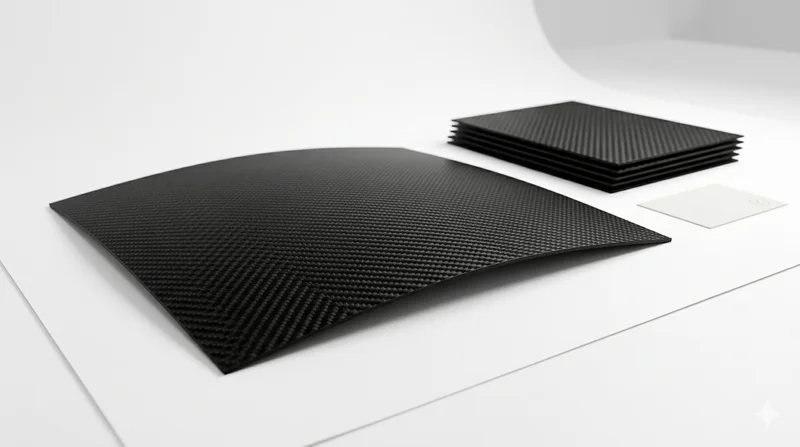
Carbon Fiber Plate — 3K Twill T700 1.5mm
Thin 1.5mm carbon fiber plate with 3K twill weave surface. Lightweight and stiff, commonly used for covers, panels, drone bodies, and applications requiring a premium aesthetic appearance.
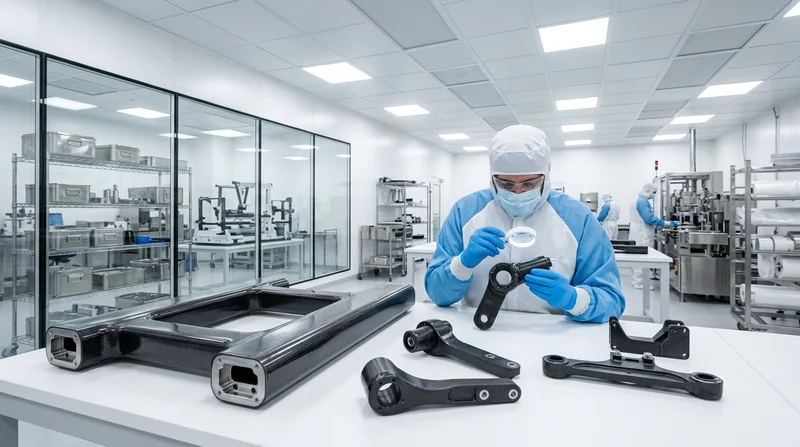
Custom Carbon Fiber Medical Device Components
Medical-grade carbon fiber components manufactured for imaging equipment, surgical instruments, and patient support systems. Carbon fiber's radiolucency (X-ray transparency) and high strength-to-weight ratio make it ideal for CT scanner beds, wheelchair frames, surgical robot arms, and MRI-compatible accessories. Biocompatible resin systems available.
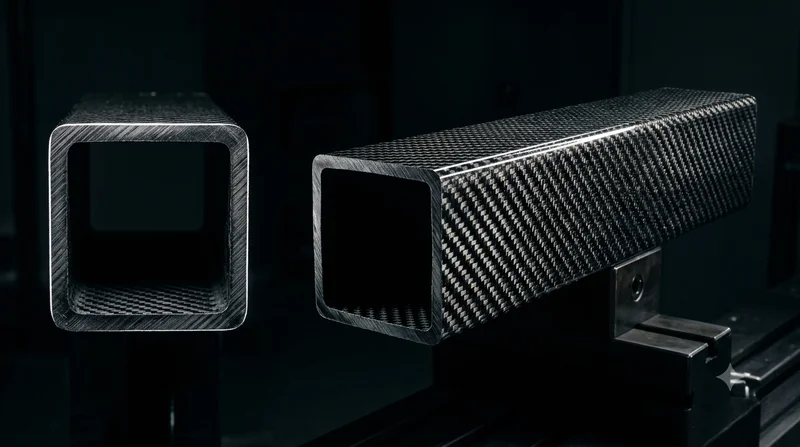
Square Carbon Fiber Tube — 3K Twill T700
Square cross-section carbon fiber tube manufactured with 3K twill weave for torsional strength. Preferred for structural frames, trusses, and support columns where rectangular geometry offers design flexibility.