
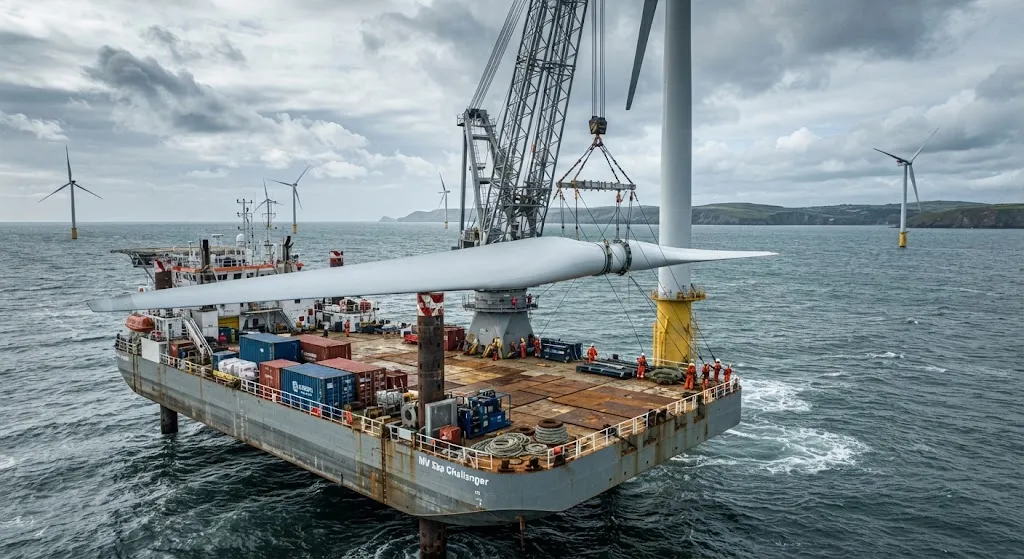
Ireland's carbon fiber market is undergoing a transformation driven by two powerful forces: the country's ambitious offshore wind energy program and its long-established marine technology sector. While Ireland has historically been overshadowed by larger European markets like Germany, D
Introduction
Ireland's carbon fiber market is undergoing a transformation driven by two powerful forces: the country's ambitious offshore wind energy program and its long-established marine technology sector. While Ireland has historically been overshadowed by larger European markets like Germany, Denmark, and the United Kingdom, the combination of Atlantic wind resources, a robust marine engineering heritage, and supportive government policy is positioning Ireland as a growing destination for carbon fiber composite materials and technologies.
For carbon fiber suppliers and composite manufacturers, Ireland presents a focused but high-value opportunity. The offshore wind sector demands advanced materials for turbine blades, nacelle structures, and subsea components, while the marine industry requires lightweight, corrosion-resistant solutions for high-performance vessels, offshore platforms, and aquaculture equipment. This article examines Ireland's carbon fiber market structure, the key demand drivers, and the specific applications creating B2B opportunities in 2026 and beyond.
Ireland's Offshore Wind Energy Ambitions
Ireland's Climate Action Plan targets 9 GW of offshore wind capacity by 2030, with the first large-scale floating offshore wind projects currently in development. The Celtic Sea and Atlantic waters off the west coast offer some of the strongest and most consistent wind resources in Europe, with average wind speeds exceeding 10 meters per second at hub height. These deep-water locations (>60 meters depth) make floating wind technology essential, creating demand for advanced composite materials that fixed-bottom installations do not require.
The Irish government's offshore wind delivery roadmap includes the Celtic Sea Energy Hub, which aims to develop 3-5 GW of floating wind capacity through a series of coordinated projects. Each floating wind turbine requires significantly more composite material than its fixed-bottom counterpart — the floating platform structure, mooring system components, and dynamic cables all benefit from carbon fiber's high strength-to-weight ratio and fatigue resistance. Industry estimates suggest that floating wind installations require 30-50% more composite material per megawatt compared to fixed-bottom designs.
Marine Technology and Vessel Applications
Ireland's marine technology sector has deep roots in naval architecture, offshore oil and gas support, and aquaculture engineering. Irish marine companies have developed expertise in high-performance vessel design, subsea inspection systems, and offshore platform technology that creates ongoing demand for advanced composites. Carbon fiber applications in the Irish marine sector span several categories:
- High-speed patrol and survey vessels: Irish shipyards produce fast patrol boats, hydrographic survey vessels, and crew transfer vessels for offshore wind farms where weight reduction directly translates to speed, fuel efficiency, and sea-keeping performance.
- Subsea inspection and maintenance equipment: Remotely operated vehicles (ROVs) and autonomous underwater vehicles (AUVs) used in offshore inspection require lightweight, corrosion-resistant housings and structural components.
- Aquaculture infrastructure: Ireland is Europe's largest aquaculture producer, with salmon farming operations requiring lightweight, durable net pen structures and monitoring equipment that can withstand harsh Atlantic conditions.
- Offshore platform components: Transition pieces, gangways, and access systems for offshore installations benefit from carbon fiber's corrosion resistance in saltwater environments.
Supply Chain and Infrastructure
Ireland's carbon fiber supply chain is currently import-dependent, with materials sourced primarily from European producers (Hexcel, SGL Carbon, Solvay) and Asian manufacturers (Toray, Mitsubishi). The domestic composites manufacturing base includes several specialized firms with capabilities in resin infusion, prepreg processing, and filament winding, but Ireland lacks domestic carbon fiber production capacity. This creates opportunities for suppliers willing to establish distribution partnerships or technical support services in the Irish market.
| Supply Chain Element | Current Status (2026) | Development Direction |
|---|---|---|
| Carbon fiber production | None (import-dependent) | No near-term plans announced |
| Prepreg manufacturing | Limited (2-3 small operations) | Expansion linked to wind demand |
| Composite fabrication | 15-20 specialized firms | Growth in marine and wind sectors |
| Technical expertise | Strong (university programs) | Collaborative R&D with industry |
| Distribution/logistics | Established import channels | Regional warehouse potential |
The National Composites Centre at University of Limerick and the Tyndall National Institute in Cork provide research and development support for composite applications, creating a pipeline of technical talent and innovation that supports industry growth.
Market Size and Growth Projections
Ireland's carbon fiber market is estimated at approximately 800-1,200 metric tons annually in 2026, with the offshore wind sector accounting for roughly 40% of consumption and marine applications representing 25%. The remaining demand comes from automotive, aerospace MRO, and industrial applications. Market projections suggest compound annual growth of 12-15% through 2030, driven primarily by offshore wind project execution and marine technology exports.
The wind energy sector's growth trajectory is particularly significant: as Ireland moves from development consent to construction of its first large-scale floating wind farms in 2027-2028, carbon fiber consumption in this sector is expected to increase three to four times from current levels. This creates a narrow but high-volume demand window that suppliers must plan for now.
Challenges and Opportunities
Ireland's carbon fiber market faces several structural challenges. The small market size limits economies of scale, and the geographic distance from major carbon fiber producers increases logistics costs. However, these challenges create opportunities for suppliers who can offer just-in-time delivery, technical support, and local inventory management. The Irish government's Foreign Direct Investment (FDI) incentives, including the IDA Ireland program, offer support for companies establishing manufacturing or distribution operations in Ireland.
For carbon fiber suppliers targeting the Irish market, the most promising approach is to focus on the offshore wind and marine sectors where material requirements are specific and performance-driven, rather than competing on price in commodity applications. The floating offshore wind segment in particular demands materials with proven fatigue performance, corrosion resistance, and quality certifications — attributes that favor established carbon fiber producers with comprehensive technical support capabilities.
Frequently Asked Questions
How much carbon fiber does Ireland currently consume annually?
Ireland's carbon fiber consumption is estimated at 800-1,200 metric tons annually in 2026, with the offshore wind sector accounting for approximately 40% and marine applications representing 25% of total demand. The market is expected to grow at 12-15% annually through 2030 as offshore wind projects move from development to construction phases. Compared to larger European markets like Germany (8,000-12,000 tons) or the United Kingdom (5,000-7,000 tons), Ireland is a focused but high-value market where performance requirements often outweigh price considerations.
What makes floating offshore wind different for carbon fiber applications?
Floating offshore wind installations require significantly more composite material per megawatt compared to fixed-bottom designs. The floating platform structure, which must withstand constant wave motion and environmental loading, benefits from carbon fiber's high strength-to-weight ratio and fatigue resistance. Additionally, dynamic cables connecting floating turbines to the seabed, mooring line components, and access systems all require corrosion-resistant, lightweight materials. Industry estimates suggest 30-50% more composite material per megawatt for floating versus fixed-bottom installations, with carbon fiber capturing an increasing share as designs optimize for weight reduction.
Are there opportunities for carbon fiber suppliers to establish operations in Ireland?
Ireland offers several advantages for carbon fiber suppliers establishing operations. The IDA Ireland FDI program provides financial incentives and support services for manufacturing or distribution operations. The country's English-speaking workforce, EU membership, and common law legal system reduce operational barriers. Strategic location provides access to both European and transatlantic markets. However, the small domestic market means suppliers must plan for export-oriented operations or establish Ireland as a regional hub for serving the broader European offshore wind and marine markets. Technical support capabilities and local inventory management are key differentiators in this market.
Conclusion
Ireland's carbon fiber market represents a focused but growing opportunity driven by the country's ambitious offshore wind energy program and established marine technology sector. The transition from fixed-bottom to floating offshore wind installations, combined with Ireland's extensive Atlantic coastline and deep-water resources, creates specific demand for advanced composite materials with proven fatigue performance and corrosion resistance. While the market is currently import-dependent and relatively small, the growth trajectory through 2030 is compelling for suppliers with the technical capabilities and supply chain infrastructure to serve this specialized B2B market. For carbon fiber suppliers evaluating market entry strategies, Ireland offers a combination of performance-driven demand, supportive government policy, and a technical workforce experienced in composite applications — factors that favor long-term partnerships over transactional supply relationships.
To explore carbon fiber solutions for offshore wind and marine applications, browse our composite material range or contact our technical team to discuss material selection and supply chain support for your Irish market requirements.
Part of topic
Related Articles
- Recycled Carbon Fiber Market Forecast 2030: Technology Maturity and Commercialization Path
- South Korea Carbon Fiber Market 2026: Hydrogen Economy and Shipbuilding Innovation
- Wind Turbine Blade Leading Edge Protection 2026: Polyurethane, Tape, and Metallic Shield Solutions
- China Carbon Fiber Overcapacity 2026: Price War Impact and Industry Consolidation
- India Carbon Fiber Market 2026: Wind Energy, Aerospace, and Defense Expansion
- PAN Precursor Market 2026: Acrylonitrile Supply and Carbon Fiber Cost Structure
Interested in Our Products?
Contact our team for competitive pricing and technical specifications.
Get a QuoteRelated Products
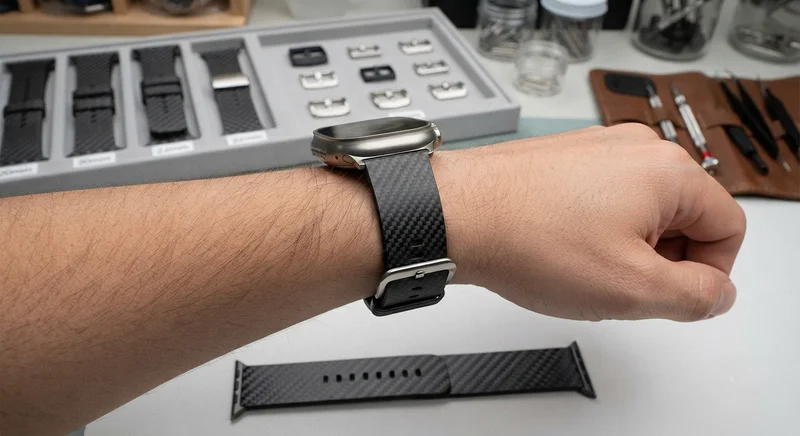
Carbon Fiber Watch Strap — 20mm/22mm Quick-Release
Premium carbon fiber watch strap with quick-release spring bars. Woven from T700 3K twill prepreg with a flexible resin system that conforms to the wrist. Available in 20mm and 22mm lug widths, compatible with Apple Watch, Samsung Galaxy Watch, Garmin, and traditional mechanical watches. Features a stainless steel buckle and carbon fiber keepers. The natural weave pattern makes each strap unique.
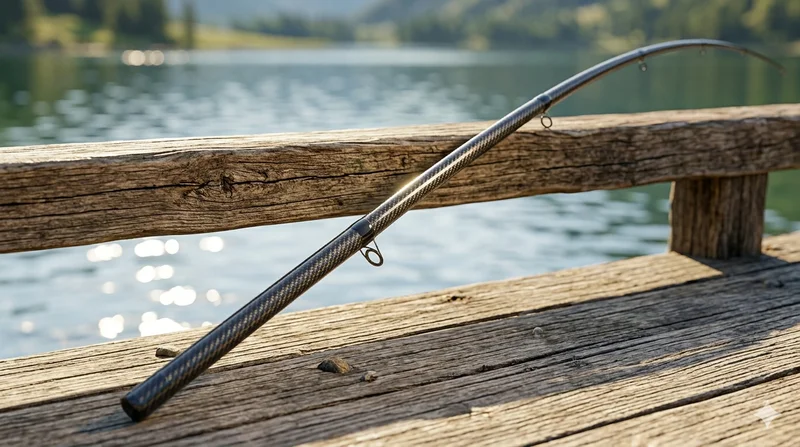
Carbon Fiber Fishing Rod Blank
High-quality carbon fiber fishing rod blank manufactured from multiple grades of Toray carbon fiber cloth. Available in a wide range of lengths, powers, and actions for freshwater and saltwater applications. Suitable for OEM rod building.

Carbon Fiber Plate — 3K Twill T700 1.5mm
Thin 1.5mm carbon fiber plate with 3K twill weave surface. Lightweight and stiff, commonly used for covers, panels, drone bodies, and applications requiring a premium aesthetic appearance.

Carbon Fiber Plate — 3K Twill T700 3.0mm
Medium-thickness 3.0mm carbon fiber plate offering significantly higher load capacity while maintaining attractive 3K twill finish. Suitable for structural brackets, reinforcement plates, and load-bearing panels.

Carbon Fiber Trekking Pole
Lightweight carbon fiber trekking pole manufactured from high-grade carbon fiber tube. Weighs only 160g per pole while providing superior shock absorption and durability for hiking, trail running, and backpacking.