
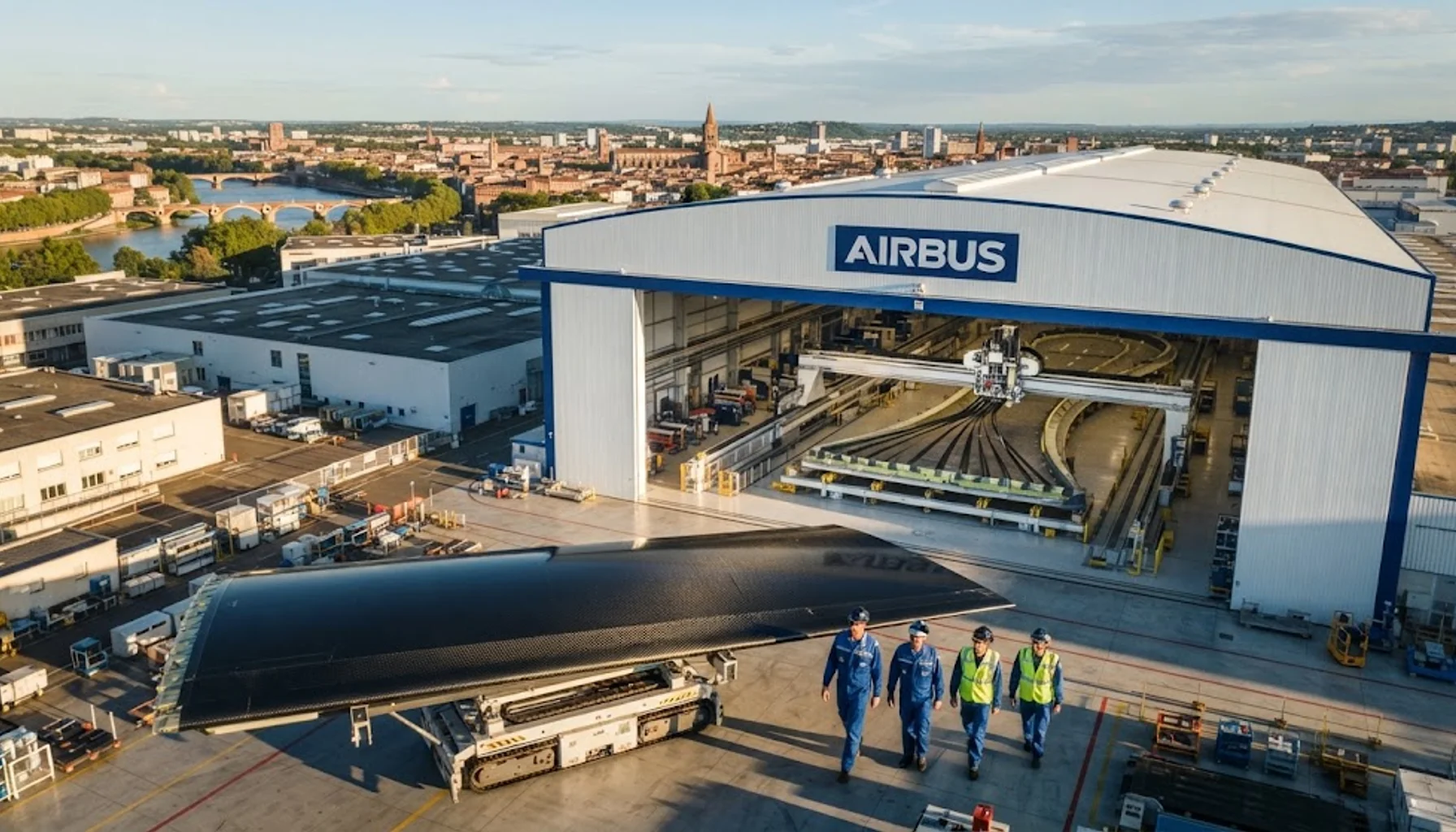
France hosts a mature carbon fiber ecosystem anchored by Airbus in Toulouse, Safran aircraft structures, and automotive Tier-1 suppliers. This article maps French carbon fiber producers, converters, and end-use sectors, covering aerospace primary structures, F1 and motorsport components, and the growing hydrogen storage market.
Introduction
France maintains one of Europe's most vertically integrated carbon fiber and advanced composites ecosystems. Anchored by Airbus in Toulouse — the single largest consumer of aerospace-grade carbon fiber in Europe — the French composites industry spans the full value chain from precursor chemistry through fiber production, prepregging, component manufacturing, and end-use applications in aerospace, automotive, defense, and emerging hydrogen storage markets.
With approximately 8,000 tonnes of carbon fiber consumed annually in French aerospace alone, representing 35% of European aerospace demand, France is a critical node in the global carbon fiber supply chain. The industry is supported by world-class research institutions, a skilled workforce, and government industrial policy that prioritizes strategic autonomy in advanced materials.
Carbon Fiber Production and Supply
Hexcel operates France's primary carbon fiber and prepreg production facilities. The Dagneux plant in Ain produces intermediate modulus (IM) carbon fiber for aerospace applications, while the Romans-sur-Isère facility specializes in prepreg production for Airbus and military programs. Combined, Hexcel's French operations produce approximately 3,000 tonnes of carbon fiber and 15 million square meters of prepreg annually.
Solvay's composite materials division, with facilities in Lyon and Bordeaux, produces epoxy resin systems, cyanate ester resins, and BMI (bismaleimide) matrices for high-temperature aerospace applications. Solvay's CYCOM and OUT series resins are qualified on major Airbus and Dassault programs.
For specialty applications, Chomarat (Le Teil) produces carbon fiber fabrics and non-crimp fabrics (NCF) using spread-tow technology, enabling thin-ply prepreg production for weight-critical aerospace structures.
Aerospace Primary Structures
Airbus Toulouse is the epicenter of French carbon fiber consumption. The A350 XWB program uses CFRP extensively:
• Wing skins: The A350 wing is the largest carbon fiber composite structure in commercial aviation, with over 7,000 CFRP parts per aircraft. Automated fiber placement (AFP) machines lay up pre-cured and co-cured wing skin panels from Hexcel IM7/8552 prepreg.
• Fuselage sections: Sections 15–19 of the A350 fuselage are CFRP monocoques, produced using automated tape laying (ATL) and out-of-autoclave (OoA) cure processes.
• Vertical tail plane: The A350 VTP is a single-piece CFRP structure, co-cured in a one-shot autoclave cycle — one of the most complex composite structures in serial production.
Safran Landing Systems in Villeurbanne produces carbon fiber brake discs for commercial and military aircraft. The carbon-carbon (C/C) composite brake discs are manufactured from PAN-based carbon fiber preforms that are densified through chemical vapor infiltration (CVI) and resin impregnation cycles.
Dassault Aviation, based in Mérignac, uses carbon fiber extensively in the Rafale fighter (estimated 25% composite by weight) and the Falcon family of business jets. The Rafale's wings, control surfaces, and engine nacelles are all CFRP structures.
Automotive and Motorsport
French automotive carbon fiber use centers on high-performance niche vehicles and motorsport:
• Bugatti: The Chiron and Mistral models use CFRP monocoques produced by Dallara (Italy) from prepreg supplied by Hexcel. The Chiron's monocoque weighs approximately 80 kg and requires autoclave cure at 120°C for 4 hours.
• Alpine: The A110 and upcoming A290 electric sports car use carbon fiber body panels and structural elements, with production managed through the Alpine Composites Center in Dieppe.
• Formula 1: While the majority of F1 carbon fiber work is concentrated in the UK's Motorsport Valley, French engineering teams — particularly those based near Paris — provide specialized composites consulting, testing, and prototyping services to F1 teams.
• Commercial vehicles: Lohr Group in Strasbourg produces CFRP body panels and structural modules for electric buses and urban vehicles, targeting weight reduction of 30% compared to aluminum alternatives.
Defense and Security Applications
France's defense sector is a significant consumer of advanced carbon fiber composites:
• Naval systems: Naval Group (Cherbourg) uses carbon fiber in submarine sonar domes, mine countermeasure vessels (MCMV), and next-generation frigate structures. The FTI (Future Tactical Frigate) program specifies extensive CFRP use for superstructure and mast components.
• Missile systems: MBDA produces CFRP motor cases and airframes for the MICA, Meteor, and Exocet missile families. The high specific strength of carbon fiber enables extended range and improved maneuverability.
• Unmanned systems: Dassault's nEUROn stealth UCAV demonstrator uses carbon fiber for its flying wing structure, while smaller tactical UAVs from Thales and Safran use CFRP for airframes and payload structures.
Hydrogen Storage and Energy Transition
France is investing heavily in Type IV hydrogen pressure vessels for the emerging hydrogen economy:
• ASA (Advanced Structures Alliance): Based in the Lot-et-Garonne region, ASA produces Type IV hydrogen tanks for commercial vehicle fleets, using carbon fiber overwrap on high-density polyethylene (HDPE) liners. Target specifications: 700 bar storage, 6.5 wt% hydrogen gravimetric density.
• Kvarken Composite: In the Normandy region, Kvarken produces Type IV tanks for industrial hydrogen storage and transport, using automated filament winding with IM carbon fiber.
• Air Liquide: The industrial gas giant partners with composite tank manufacturers for hydrogen distribution infrastructure, specifying carbon fiber-reinforced tanks for tube trailers and stationary storage.
Research and Innovation Ecosystem
France hosts world-class composites research:
• CETEC (Composites and Eco-Design Technology Center): Based in Saint-Étienne, CETEC provides process development, testing, and certification services for composite structures.
• I2M (Institut de Mécanique et d'Ingénierie): At Bordeaux University, I2M conducts fundamental research on composite fatigue, damage mechanics, and multiscale modeling.
• PROMES-CNRS: In Perpignan, PROMES develops solar energy applications using carbon fiber reinforced concrete and high-temperature composite structures.
The French government's France 2030 investment plan allocates €1.5 billion for advanced materials research, with significant funding directed toward composite recycling, bio-based precursors, and digital manufacturing technologies.
Conclusion
France's carbon fiber industry is characterized by deep vertical integration, strong aerospace anchoring, and diversified end-use markets. From Hexcel's fiber production to Airbus's structural applications, from Bugatti's hypercars to Safran's aircraft brakes, France demonstrates how a mature composites ecosystem supports multiple high-value sectors simultaneously. As hydrogen storage and electric mobility create new demand drivers, the French composites industry is positioned to expand its global role in advanced carbon fiber applications.
Part of topic
Related Articles
- Recycled Carbon Fiber Market Forecast 2030: Technology Maturity and Commercialization Path
- South Korea Carbon Fiber Market 2026: Hydrogen Economy and Shipbuilding Innovation
- Wind Turbine Blade Leading Edge Protection 2026: Polyurethane, Tape, and Metallic Shield Solutions
- China Carbon Fiber Overcapacity 2026: Price War Impact and Industry Consolidation
- India Carbon Fiber Market 2026: Wind Energy, Aerospace, and Defense Expansion
- PAN Precursor Market 2026: Acrylonitrile Supply and Carbon Fiber Cost Structure
Interested in Our Products?
Contact our team for competitive pricing and technical specifications.
Get a QuoteRelated Products
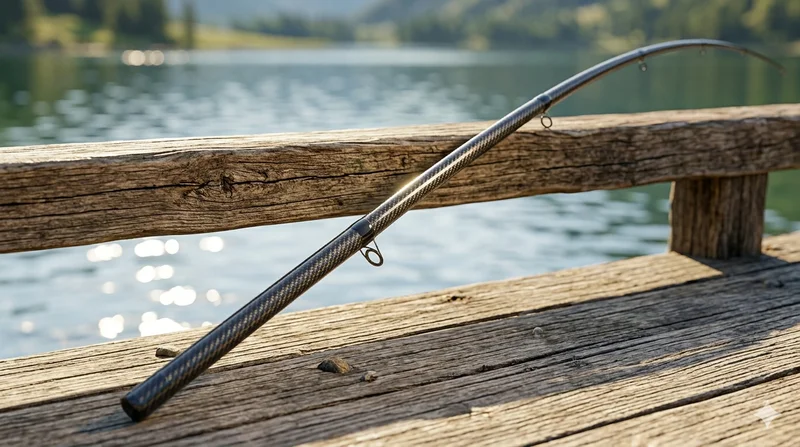
Carbon Fiber Fishing Rod Blank
High-quality carbon fiber fishing rod blank manufactured from multiple grades of Toray carbon fiber cloth. Available in a wide range of lengths, powers, and actions for freshwater and saltwater applications. Suitable for OEM rod building.

Carbon Fiber Plate — 3K Twill T700 3.0mm
Medium-thickness 3.0mm carbon fiber plate offering significantly higher load capacity while maintaining attractive 3K twill finish. Suitable for structural brackets, reinforcement plates, and load-bearing panels.

Carbon Fiber Plate — 3K Twill T700 1.5mm
Thin 1.5mm carbon fiber plate with 3K twill weave surface. Lightweight and stiff, commonly used for covers, panels, drone bodies, and applications requiring a premium aesthetic appearance.

Square Carbon Fiber Tube — 3K Twill T700
Square cross-section carbon fiber tube manufactured with 3K twill weave for torsional strength. Preferred for structural frames, trusses, and support columns where rectangular geometry offers design flexibility.
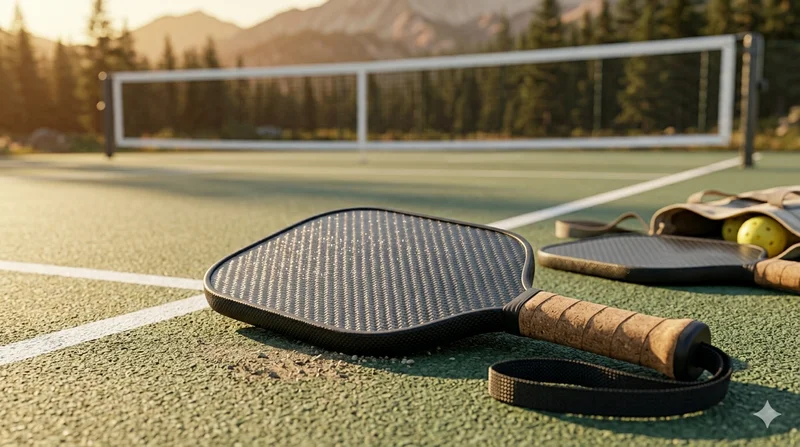
Carbon Fiber Pickleball Paddle
High-performance pickleball paddle with Toray T700 carbon fiber face and polypropylene honeycomb core. Delivers excellent power-to-weight ratio, spin generation, and vibration dampening for competitive play.