
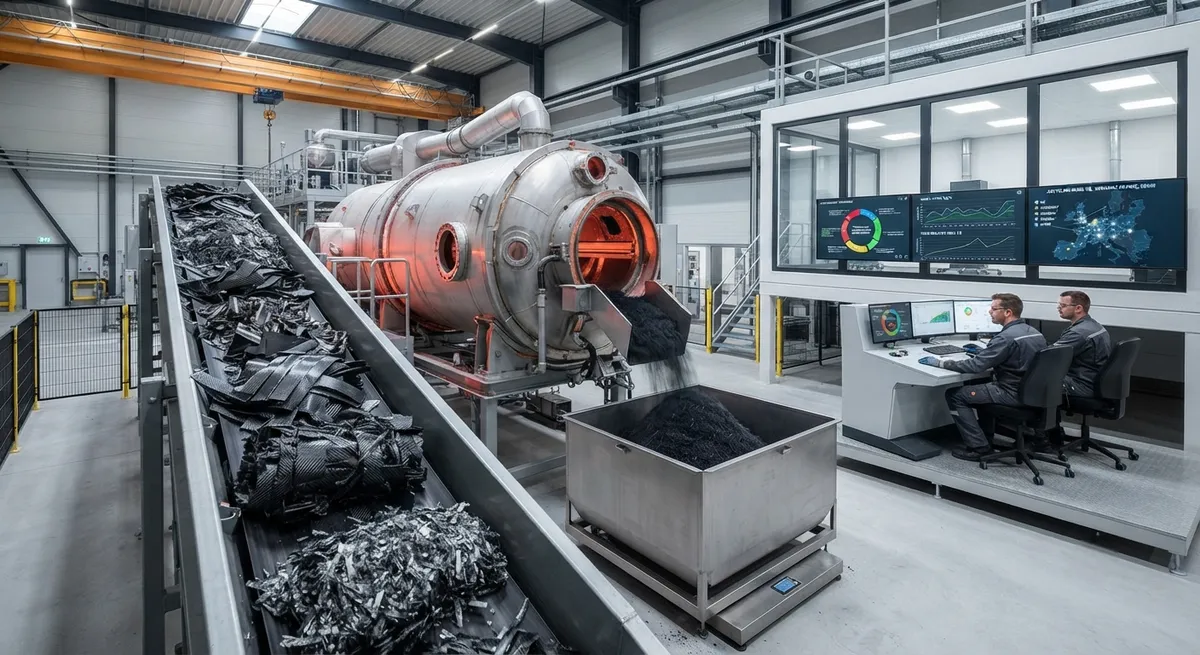
Carbon fiber composites are entering a regulatory moment their makers never planned for. For thirty years, the industry optimized for performance and weight, treating scrap and end-of-life parts as a disposal afterthought. That is no longer tenable in the European Union. Reported in 202
Introduction
Carbon fiber composites are entering a regulatory moment their makers never planned for. For thirty years, the industry optimized for performance and weight, treating scrap and end-of-life parts as a disposal afterthought. That is no longer tenable in the European Union. Reported in 2026 industry data, the EU is closing in on revised end-of-life vehicle (ELV) rules, explicit wind turbine blade end-of-life guidance, and expanded extended producer responsibility (EPR) obligations — all of which treat carbon fiber reinforced plastic (CFRP) as a material that must be recovered, recycled, or responsibly disposed of rather than landfilled.
The gap between regulation and capacity is stark. Global CFRP recycling capacity is reported at roughly 6,120 tonnes per year, while annual composite waste — production offcuts, prepreg trim, obsolete tooling, decommissioned blades, and retired aircraft and vehicles — is measured in tens of thousands of tonnes. Every exporter selling carbon fiber materials into Europe now faces customers asking a question that did not exist five years ago: what happens to this material at end of life?
The Regulatory Stack: ELV, Wind Blades, and Producer Responsibility
Three regulatory tracks converge on composite waste in the EU. The first is the revised End-of-Life Vehicles directive, which strengthens recycling and recovery targets for vehicles and treats composite body panels and structural parts as materials that must be separately recovered rather than shredded into residue. The second is wind blade end-of-life policy: as thousands of turbines installed in the 2000s approach the end of their 20-25 year design life, EU guidance and national rules are addressing the fact that rotor blades are among the hardest large structures to recycle, being large, mixed-material, and thermoset-based.
The third track is extended producer responsibility. EPR schemes are expanding from packaging and electronics into broader product categories, and composite-intensive sectors — wind, marine, construction — are being drawn into producer-pays systems where the original equipment manufacturer or material supplier carries a share of the recovery and recycling cost. Together, these tracks shift the economic burden of composite waste from municipalities and landfills onto the producers and importers who put the material on the market.
The table below summarizes the main instruments and their implications:
| Instrument | Status in 2026 | Implication for Composite Producers |
|---|---|---|
| Revised ELV Directive | Revised recycling and recovery targets under negotiation and adoption | Composite body and structural parts must be separately recovered; recyclability data demanded |
| Wind blade end-of-life rules | EU and national guidance on decommissioning, reuse, and recycling | Blade makers and operators must plan EoL routes; landfill increasingly restricted |
| Extended producer responsibility | Expanding scope across composite-intensive product categories | Producers and importers share recovery and recycling costs |
| Landfill and incineration restrictions | Tightening across member states | Thermoset composite disposal becomes more expensive and less available |
| EU circular economy framework | Recycled-content and design-for-recycling requirements spreading | Material choice and part design begin to consider recyclability |
For exporters outside the EU, the practical effect is that carbon fiber materials sold into Europe carry new compliance expectations, and customers increasingly request recyclability documentation alongside mechanical data sheets.
The Capacity Gap: 6,120 Tonnes of Recycling vs. Tens of Thousands of Tonnes of Waste
The central fact of composite recycling in 2026 is the capacity gap. Reported in 2026 industry data, global CFRP recycling capacity is approximately 6,120 tonnes per year across pyrolysis, solvolysis, fluidized-bed, and other recovery processes. Production scrap alone — dry fiber offcuts, expired prepreg, trim waste, and rejected cured parts — is estimated at several times that figure annually in Europe, before adding end-of-life blades, aircraft, and vehicles.
The consequence is economic as well as environmental. Virgin carbon fiber costs more than recycled fiber, but recycling capacity is too small and too dispersed to absorb the waste stream, so a meaningful share of end-of-life composites still goes to landfill or incineration in member states where it remains permitted. Meanwhile, recyclers report that the fiber they do recover — short, often mixed-length carbon fiber — has real value in non-structural and semi-structural applications: automotive interior panels, construction profiles, injection-molded compounds, and thermal insulation.
- Pyrolysis: the dominant commercial route, recovering carbon fiber from cured thermoset scrap by thermal decomposition of the resin matrix.
- Solvolysis: chemical dissolution of the matrix to recover cleaner fiber, at higher cost and lower commercial maturity.
- Fluidized-bed and other processes: emerging routes suited to mixed and contaminated waste streams.
- In-house scrap loops: manufacturers recycling their own production offcuts to lower raw material cost and meet customer sustainability targets.
- Design-for-recycling: growing specification of recyclable resin systems, separable joints, and modular blade and vehicle structures.
The direction of travel is clear: recycling capacity will grow, but it will not catch up to the waste stream in 2026. That gap defines the commercial opportunity and the compliance burden for everyone in the composite supply chain.
What This Means for Exporters Selling Into Europe
For carbon fiber suppliers outside the EU, the regulatory shift changes three things. First, documentation: European customers increasingly request material-level data on recyclability, resin type, and recovery options, and this data is becoming part of the sales specification rather than an optional extra. Second, design partnerships: OEMs under EPR pressure ask their material suppliers to co-develop recyclable resin systems and separable structures, pulling converters and material makers into design-for-recycling programs. Third, supply chain positioning: suppliers who can demonstrate a responsible end-of-life pathway for their materials gain a competitive edge over those who cannot.
None of this requires a supplier to become a recycler. It requires understanding the regulatory direction, offering materials compatible with existing recovery routes, and being able to document that compatibility. In practice, that means engaging early with European customers on sustainability requirements rather than reacting to them at tender stage.
Frequently Asked Questions
How much CFRP recycling capacity exists globally?
Reported in 2026 industry data, global CFRP recycling capacity is approximately 6,120 tonnes per year across pyrolysis, solvolysis, fluidized-bed, and related recovery processes. This is a small fraction of the tens of thousands of tonnes of production scrap and end-of-life composite waste generated annually, which is why a large share of composite waste still relies on landfill or incineration where permitted.
What are the EU rules on wind turbine blade disposal?
EU and national guidance increasingly treats decommissioned rotor blades as a waste stream that must be reused, recycled, or recovered rather than landfilled. Blades are large, mixed-material, thermoset-based structures, making them among the hardest products to recycle. As turbines from the 2000s reach the end of their 20-25 year design life, blade end-of-life planning is becoming a standard requirement for operators and a growing market for composite recyclers.
What is extended producer responsibility for composites?
Extended producer responsibility (EPR) is a framework where producers and importers bear a share of the cost of collecting and recycling products at end of life. EPR schemes are expanding from packaging and electronics into composite-intensive categories such as wind, marine, and construction, shifting the economic burden of composite waste from municipalities onto the companies that put the material on the market.
How does the revised ELV directive affect carbon fiber?
The revised End-of-Life Vehicles directive strengthens recycling and recovery targets and treats composite body panels and structural parts as materials that must be separately recovered rather than shredded into automotive shredder residue. This raises the value of recyclability data in vehicle programs and pushes automotive OEMs and their material suppliers to plan for composite recovery from the design stage.
What can recycled carbon fiber actually be used for?
Recycled carbon fiber is typically short and mixed in length, so it is best suited to non-structural and semi-structural applications: injection-molded compounds, construction profiles, automotive interior panels, thermal insulation, and fillers. Producers also close in-house scrap loops by recycling their own production offcuts to cut raw material cost and meet customer sustainability targets.
Conclusion
EU waste regulation in 2026 is rewriting the economics of carbon fiber. Revised ELV directives, wind blade end-of-life rules, and expanding producer responsibility all point in the same direction: composite waste must be recovered, recycled, or responsibly managed, and the cost of that management lands on producers and importers. Against a global CFRP recycling capacity of only about 6,120 tonnes per year, the gap between waste generated and waste recycled remains the defining constraint of the market.
For suppliers who understand the regulatory direction, this is an opportunity to differentiate — documenting recyclability, supporting design-for-recycling, and engaging European customers on sustainability from the start. Explore our carbon fiber products to discuss materials compatible with recovery and recycling pathways, or contact our engineering team to align your specifications with EU regulatory requirements.
Part of topic
Related Articles
- Carbon Fibre Sheet Supplier UK: Sourcing Options and Specification Checklist
- Carbon Fiber Sheets Near Me Suppliers: Local Stock vs Factory Direct
- Filament Wound Epoxy Tubes: Industry Standards and Compliance Requirements
- Carbon Fiber Dealers Near Me: What a Good Dealer Actually Adds
- Carbon Fiber Supplies Near Me: Local Sourcing Without Compromising Spec
- Carbon Fiber for Sale: Online Platforms and Direct Sales Channel Comparison
Interested in Our Products?
Contact our team for competitive pricing and technical specifications.
Get a QuoteRelated Products
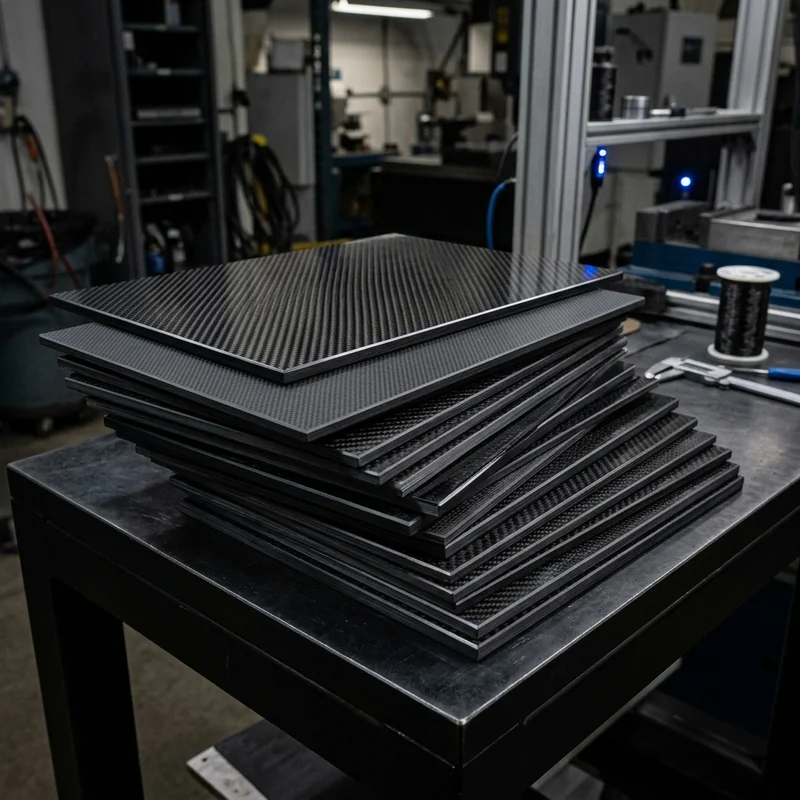
Carbon fiber standard plate-3k stripe
Lightweight, ultra-rigid standard sheets for drone fuselages, robot housings, facades and structural applications.
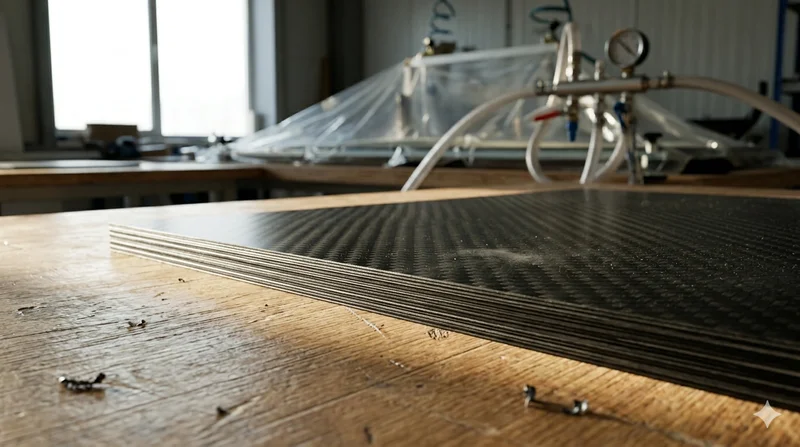
Carbon Fiber Plate — 3K Twill T700 3.0mm
Medium-thickness 3.0mm carbon fiber plate offering significantly higher load capacity while maintaining attractive 3K twill finish. Suitable for structural brackets, reinforcement plates, and load-bearing panels.
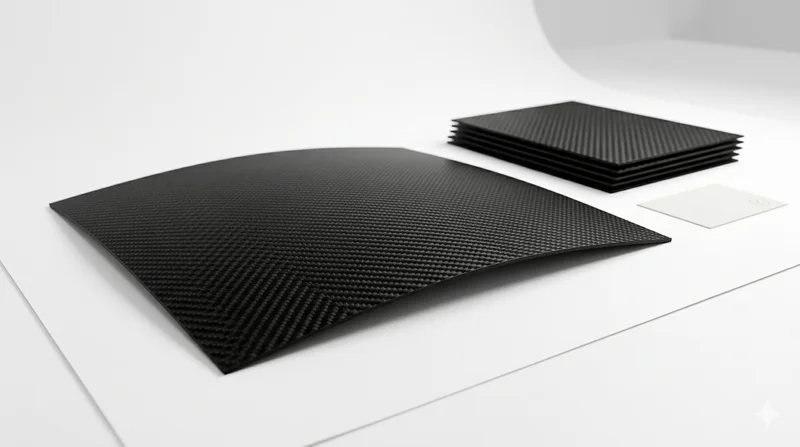
Carbon Fiber Plate — 3K Twill T700 1.5mm
Thin 1.5mm carbon fiber plate with 3K twill weave surface. Lightweight and stiff, commonly used for covers, panels, drone bodies, and applications requiring a premium aesthetic appearance.

Custom Carbon Fiber Medical Device Components
Medical-grade carbon fiber components manufactured for imaging equipment, surgical instruments, and patient support systems. Carbon fiber's radiolucency (X-ray transparency) and high strength-to-weight ratio make it ideal for CT scanner beds, wheelchair frames, surgical robot arms, and MRI-compatible accessories. Biocompatible resin systems available.
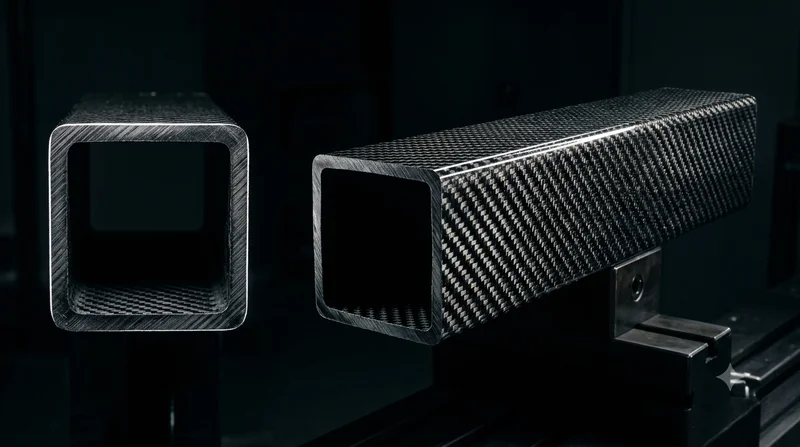
Square Carbon Fiber Tube — 3K Twill T700
Square cross-section carbon fiber tube manufactured with 3K twill weave for torsional strength. Preferred for structural frames, trusses, and support columns where rectangular geometry offers design flexibility.