
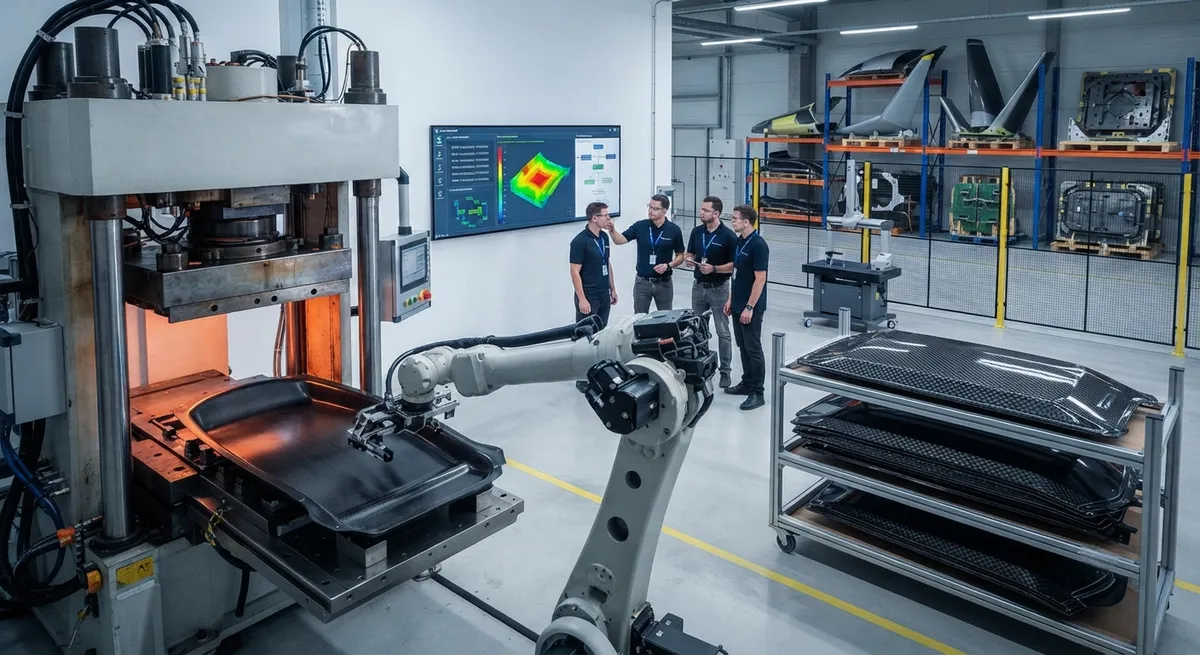
The Czech Republic occupies a distinctive position in European manufacturing. It produces more cars per capita than almost any other country, hosts one of Europe's longest-running aircraft manufacturers, and graduates a steady stream of engineers from the continent's oldest technical un
Introduction
The Czech Republic occupies a distinctive position in European manufacturing. It produces more cars per capita than almost any other country, hosts one of Europe's longest-running aircraft manufacturers, and graduates a steady stream of engineers from the continent's oldest technical universities. For carbon fiber suppliers, the country is less a single consumption market than a manufacturing platform whose products are exported across Europe. Demand for carbon fiber flows from what Czech factories build, not from local consumer sales.
This article examines the reported 2026 picture for carbon fiber in the Czech Republic across three pillars — automotive tier 1 supply, aerospace manufacturing, and engineering talent — and explains what the sector structure means for a supplier entering the Central European market.
Automotive Tier 1 Supply: Škoda and the Component Base
The automotive sector is the backbone of Czech manufacturing. Škoda Auto, the Volkswagen Group's Czech brand, operates three plants in the country — in Mladá Boleslav, Kvasiny, and Vrchlabí — and around them sits a dense network of tier 1 and tier 2 suppliers producing everything from stamped metal to electronics and drivetrain components. Reported 2026 industry data continues to rank the Czech Republic among Europe's highest automotive output per capita.
The table below summarizes the reported shape of Czech carbon fiber demand by sector in 2026:
| Sector | Primary Carbon Fiber Use | Reported 2026 Demand Trend |
|---|---|---|
| Automotive tier 1 supply | Battery enclosures, seat frames, drive shafts, structural parts | Rising with EV and lightweighting programs |
| Aerospace manufacturing | Interior panels, fairings, secondary structures, tooling | Steady, certification-driven |
| Engineering and tooling | Fixtures, molds, automation arms, machine frames | Growing with reshoring and automation |
| Rail and industrial | Lightweight vehicle components, pantographs | Moderate, project-linked |
| Sporting goods | Racing, cycling, and leisure equipment | Modest, export-linked |
For suppliers, automotive tier 1 is the highest-volume entry point. As European vehicle architectures electrify, weight targets are driving carbon fiber into components that were traditionally steel or aluminum: battery enclosure lids, roof structures, and rotating parts. These programs buy at scale, value consistency and delivery reliability, and increasingly demand documented batch traceability.
Aerospace Manufacturing: Aero Vodochody and the Supply Network
The Czech Republic has one of Europe's oldest aerospace traditions. Aero Vodochody, founded in 1919 near Prague, is among the longest continuously operating aircraft manufacturers in the world and continues to produce and support the L-39NG jet trainer. Around it, a network of tier suppliers performs machining, sheet metal work, and composite fabrication, while a growing group of unmanned aerial vehicle (UAV) developers adds demand for lightweight composite airframes.
- Secondary structures: Fairings, inspection panels, and control surfaces suited to fabric-based manufacturing.
- Interior components: Panels and cabin structures for trainers and business aircraft.
- Composite tooling: Low-expansion fixtures and molds that hold tolerance under autoclave curing.
- UAV airframes: Small, stiff structures where stiffness-to-weight ratio is decisive.
Aerospace demand differs from automotive in one critical way: it is certification-driven. Czech aerospace buyers specify documented, traceable material with consistent batch properties and full process records, and they reward partners who can support qualification rather than simply ship volume. The volumes are smaller than automotive, but the specifications make this the highest-value segment for a composite materials supplier.
Engineering Talent: The Labor Base Behind Composite Adoption
Czech technical universities — the Czech Technical University in Prague and Brno University of Technology among them — graduate engineers with a strong grounding in mechanical, aerospace, and materials engineering. This talent pool, combined with manufacturing wages below Western European levels, is why global OEMs locate engineering centers and production in the country. Reported 2026 industry data points to persistent demand for engineering roles, and the composite sector benefits directly: adopting carbon fiber parts requires process engineering, mold design, and quality control skills the local labor market can supply.
The result is that Czech manufacturers can move up the value chain, from supplying finished parts to designing and qualifying composite components. For a materials supplier, the buyer on the other end of the conversation is often an engineer who understands fiber architecture, resin systems, and test data. The relationship is built on specification support as much as on price.
Reported Market Data and the 2026 Picture
Reported 2026 industry data shows Czech carbon fiber demand continuing to grow with the automotive lightweighting and aerospace programs above. The country does not host a large domestic carbon fiber precursor or tow production base, so the overwhelming majority of demand is met by imports from major producing economies — a structural fact that makes the Czech Republic a net importer and a reliable destination for overseas suppliers. Demand arrives through two routes: material consumed by Czech fabricators, and material specified by Czech engineering teams for components built elsewhere in Europe.
It is important to read these figures as reported ranges rather than precise official statistics; European trade data is published with lags and revisions, and exact tonnage varies by classification. What is consistent is the direction: Czech carbon fiber demand is growing, fastest where automotive tier 1 programs and aerospace manufacturing overlap with the country's engineering strengths.
Frequently Asked Questions
Is the Czech Republic a producer or an importer of carbon fiber?
The Czech Republic is primarily an importer. It does not have a large domestic carbon fiber precursor or tow production base, so the overwhelming majority of demand is met by imports from major producing economies. This makes the Czech Republic a net import market and an attractive destination for overseas suppliers of fabric, prepreg, and tow.
Which Czech sectors drive the most carbon fiber demand?
Three sectors dominate. Automotive tier 1 supply, anchored by Škoda Auto and the Volkswagen production network, is the highest-volume source of demand, using carbon fiber for battery enclosures, seat frames, and structural parts. Aerospace manufacturing, built around Aero Vodochody and the UAV sector, uses carbon fiber for secondary structures, interior components, and tooling. Engineering and tooling firms add demand for fixtures, molds, and automation.
What specifications do Czech buyers typically require?
It depends on the sector. Aerospace buyers require documented, traceable material with consistent batch properties and full process records. Automotive tier 1 buyers prioritize consistency, lead time, and increasingly batch-level traceability. Engineering and tooling buyers value dimensional stability and lead time and often adopt standard carbon fiber grades rather than bespoke aerospace-grade material.
Why does Czech engineering talent matter for carbon fiber suppliers?
Because Czech manufacturers design, prototype, and qualify composite components rather than only assemble them, the buying conversation is technical. Buyers are often engineers who understand fiber architecture, resin systems, and test data. A supplier that supports specification development and responds quickly to qualification requirements builds a durable relationship.
Conclusion
The Czech Republic's carbon fiber market in 2026 rests on three overlapping strengths: a high-volume automotive tier 1 supply chain, a long-established aerospace manufacturing sector, and an engineering talent base that lets local manufacturers handle design and qualification work. Reported industry data points to continued growth, and because the country is structurally dependent on imports, it remains an accessible and attractive market for overseas suppliers.
Whether you are supporting automotive lightweighting programs, aerospace qualification work, or industrial tooling applications, consistent and traceable carbon fiber inputs make the difference. Explore our carbon fiber fabrics and prepreg materials with consistent batch documentation, or contact our engineering team to discuss specifications for your Czech or Central European program.
Part of topic
Related Articles
- Carbon Fibre Sheet Supplier UK: Sourcing Options and Specification Checklist
- Carbon Fiber Sheets Near Me Suppliers: Local Stock vs Factory Direct
- Filament Wound Epoxy Tubes: Industry Standards and Compliance Requirements
- Carbon Fiber Dealers Near Me: What a Good Dealer Actually Adds
- Carbon Fiber Supplies Near Me: Local Sourcing Without Compromising Spec
- Carbon Fiber for Sale: Online Platforms and Direct Sales Channel Comparison
Interested in Our Products?
Contact our team for competitive pricing and technical specifications.
Get a QuoteRelated Products
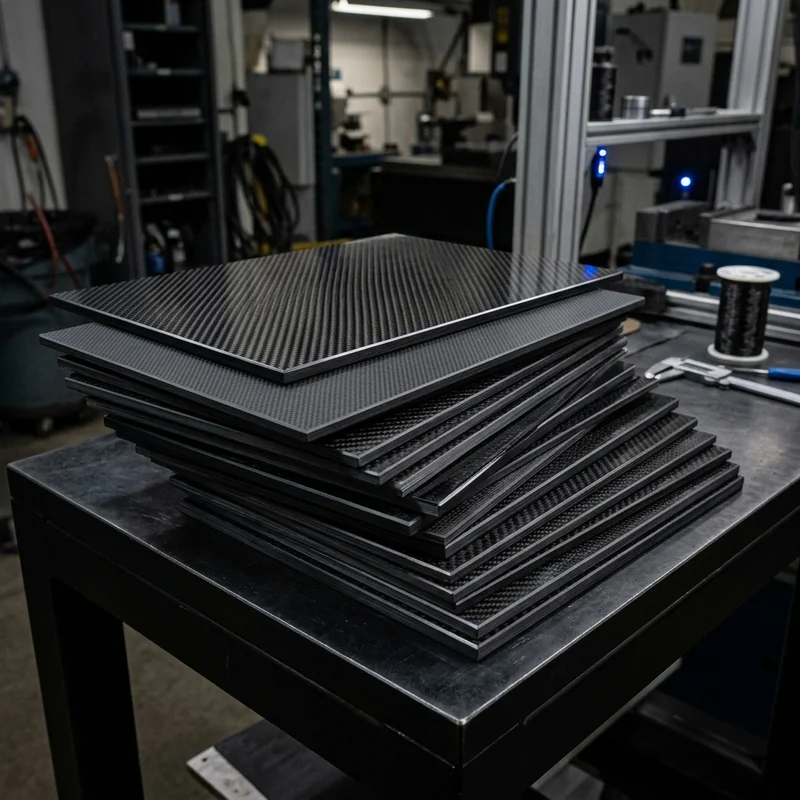
Carbon fiber standard plate-3k stripe
Lightweight, ultra-rigid standard sheets for drone fuselages, robot housings, facades and structural applications.
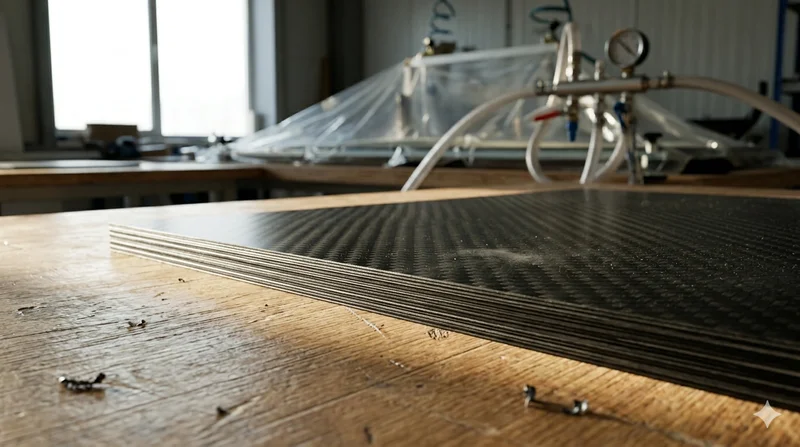
Carbon Fiber Plate — 3K Twill T700 3.0mm
Medium-thickness 3.0mm carbon fiber plate offering significantly higher load capacity while maintaining attractive 3K twill finish. Suitable for structural brackets, reinforcement plates, and load-bearing panels.

Carbon Fiber Plate — 3K Twill T700 1.5mm
Thin 1.5mm carbon fiber plate with 3K twill weave surface. Lightweight and stiff, commonly used for covers, panels, drone bodies, and applications requiring a premium aesthetic appearance.
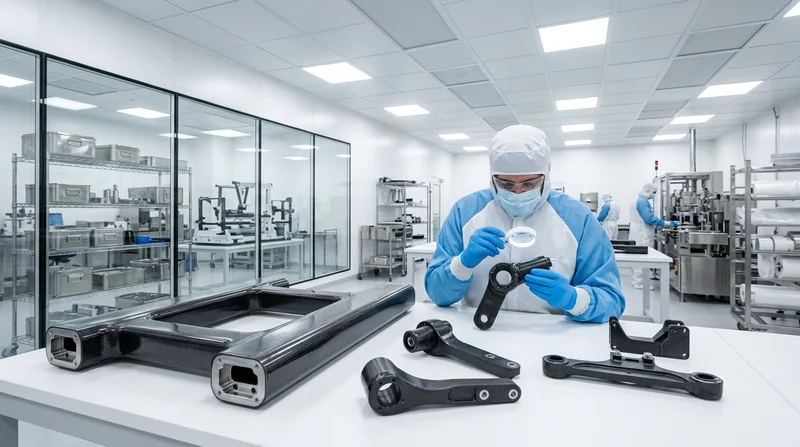
Custom Carbon Fiber Medical Device Components
Medical-grade carbon fiber components manufactured for imaging equipment, surgical instruments, and patient support systems. Carbon fiber's radiolucency (X-ray transparency) and high strength-to-weight ratio make it ideal for CT scanner beds, wheelchair frames, surgical robot arms, and MRI-compatible accessories. Biocompatible resin systems available.
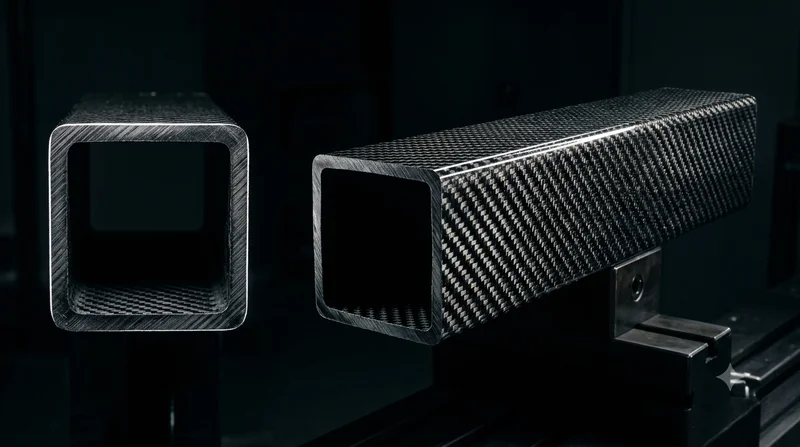
Square Carbon Fiber Tube — 3K Twill T700
Square cross-section carbon fiber tube manufactured with 3K twill weave for torsional strength. Preferred for structural frames, trusses, and support columns where rectangular geometry offers design flexibility.