
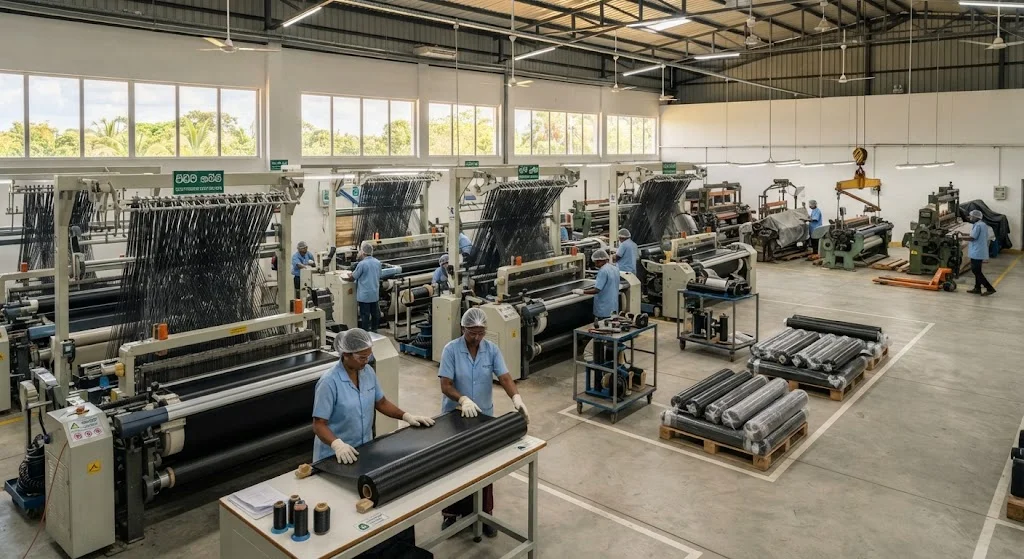
Sri Lanka's textile industry, historically built on apparel manufacturing for global fashion brands, is undergoing a strategic transformation toward technical carbon fiber textiles. The island nation's established weaving infrastructure, skilled workforce, and competitive labor costs po
Introduction
Sri Lanka's textile industry, historically built on apparel manufacturing for global fashion brands, is undergoing a strategic transformation toward technical carbon fiber textiles. The island nation's established weaving infrastructure, skilled workforce, and competitive labor costs position it uniquely to serve the growing demand for carbon fiber fabrics in wind energy and industrial applications. As global wind turbine production accelerates — requiring millions of square meters of carbon fiber fabric annually for blade manufacturing — Sri Lankan manufacturers are investing in conversion capabilities that bridge the gap between traditional textile expertise and advanced composite materials.
This analysis examines Sri Lanka's emerging role in the carbon fiber textile supply chain, evaluating manufacturing capabilities, cost competitiveness, quality standards, and the strategic implications for B2B buyers seeking alternative sourcing options. For procurement managers and supply chain planners in the wind energy sector, Sri Lanka represents a diversification opportunity that balances cost, capability, and geographic risk.
From Apparel to Technical Textiles
The transition from apparel to carbon fiber textiles leverages Sri Lanka's existing strengths while requiring significant technology investment:
| Capability | Apparel Textiles | Carbon Fiber Technical Textiles | Gap |
|---|---|---|---|
| Fiber handling | Cotton, polyester, nylon | Carbon fiber tows (12K-48K) | Training required |
| Loom technology | projectile, rapier looms | Rapier and high-speed looms | Upgrade path available |
| Weave patterns | Plain, twill, satin | UD, 2x2 twill, 4x4 satin, custom | Direct transfer |
| Quality control | Visual inspection, fabric weight | ISO 9001, NDT, fiber volume fraction | New capability needed |
| Environmental control | Standard factory conditions | Clean room, temperature/humidity | Facility upgrade required |
| Scale | Millions of meters per year | Thousands of square meters per year | Significant scale-up needed |
Sri Lanka's textile industry has approximately 300 weaving facilities, with 50-60 equipped with modern rapier looms capable of handling technical fibers. The top 10 manufacturers have begun investing in carbon fiber-specific equipment, including fiber creels, tension control systems, and clean room environments. The transition is accelerating as wind energy demand creates pull-through for carbon fiber fabric production.
Cost Competitiveness Analysis
Sri Lanka's cost advantages in carbon fiber textile production stem from several factors:
- Labor costs: Average manufacturing wages of $150-250/month compare favorably to China ($400-600/month) and India ($200-350/month), while providing comparable quality for textile operations. Technical weaver wages of $300-400/month are competitive with regional alternatives.
- Energy costs: Industrial electricity rates of $0.10-0.15/kWh are lower than China ($0.12-0.18/kWh) but higher than India ($0.08-0.12/kWh). Textile manufacturing is energy-intensive, making electricity costs a significant factor in final pricing.
- Logistics: Proximity to major shipping lanes (Colombo is a major transshipment hub) provides competitive freight rates to European and Middle Eastern markets. Transit times to European ports are 18-22 days, comparable to Indian origins.
- Trade agreements: Sri Lanka benefits from GSP+ preferential access to EU markets, reducing or eliminating import duties for carbon fiber textiles entering European wind energy manufacturing facilities.
Total cost analysis suggests Sri Lankan carbon fiber textiles are priced 10-15% below Chinese equivalents and 5-10% below Indian production, while maintaining comparable quality standards for wind energy applications. The cost advantage is most pronounced for standard weave patterns (plain, twill) and diminishes for highly specialized architectures requiring custom loom configurations.
Wind Energy Market Alignment
Sri Lanka's textile industry is strategically positioning to serve specific segments of the wind energy carbon fiber supply chain:
- Blade fabrics: Standard 2x2 twill and unidirectional carbon fiber fabrics for wind turbine blade skins and spar caps represent the highest-volume opportunity. These fabrics require consistent quality but relatively simple weave patterns that match Sri Lankan loom capabilities.
- Technical cores and veils: Carbon fiber veil materials used for surface finish and resin flow control in blade manufacturing are well-suited to Sri Lankan nonwoven and fine weaving capabilities.
- Industrial textiles: Carbon fiber fabrics for automotive, marine, and construction applications offer additional volume opportunities that can support production scale-up while wind energy demand builds.
The wind energy market's demand for cost-effective carbon fiber fabrics creates a natural fit for Sri Lankan manufacturers, who can offer competitive pricing without the premium associated with established Chinese or Japanese carbon fiber textile producers.
Quality and Certification
Sri Lankan carbon fiber textile manufacturers are pursuing quality certifications essential for wind energy supply chain participation:
- ISO 9001:2015: Most established manufacturers have achieved or are pursuing quality management system certification, providing baseline assurance for quality control processes.
- Material specifications: Leading manufacturers are developing testing capabilities for fiber volume fraction, areal weight, tensile strength, and weave consistency — the key specifications for wind energy fabric procurement.
- Traceability: Batch tracking and material certification systems are being implemented to meet wind energy quality assurance requirements for component traceability.
- Environmental compliance: Sri Lankan manufacturers are investing in waste management, water treatment, and emissions control to meet international environmental standards required by wind energy OEMs.
The certification journey is ongoing, and early-stage manufacturers may not yet meet the full requirements of all wind energy procurement specifications. However, the established quality culture from apparel manufacturing provides a foundation for rapid capability development.
Frequently Asked Questions
What are the main risks of sourcing carbon fiber textiles from Sri Lanka versus established suppliers?
Three primary risks characterize early-stage Sri Lankan carbon fiber textile sourcing. First, capacity limitations — current production volumes are small (estimated 2-5 million square meters annually) compared to Chinese capacity (50+ million square meters), potentially creating supply constraints for large orders. Second, quality maturity — while basic weave quality is competitive, specialized requirements like tight thickness tolerances, custom resin compatibility, or aerospace-grade certification may not be consistently available. Third, scale-up risks — rapid capacity expansion may strain quality systems and workforce development. Mitigation strategies include qualifying multiple suppliers, establishing long-term supply agreements with performance guarantees, and beginning with lower-risk industrial applications before committing to critical wind energy components.
How does Sri Lankan carbon fiber textile quality compare to Chinese and Indian alternatives?
Sri Lankan carbon fiber textile quality for standard wind energy applications is broadly competitive with Chinese and Indian alternatives, with the following distinctions. Chinese producers offer the widest range of specifications, highest production volumes, and most established certifications, but at higher price points. Indian producers offer competitive pricing with improving quality, particularly from established textile groups with technical fiber experience. Sri Lankan producers offer the best combination of price and emerging quality for standard weave patterns, but lack the specification range and volume reliability of established producers. For cost-sensitive wind energy applications with standard specifications, Sri Lanka provides a viable alternative. For applications requiring custom specifications, tight tolerances, or established qualification records, established Chinese or Indian producers may be preferable.
What is the typical lead time for carbon fiber textile orders from Sri Lanka?
Lead times for Sri Lankan carbon fiber textile orders vary significantly based on specification complexity and order volume. For standard 2x2 twill or unidirectional fabrics from existing inventory: 2-4 weeks including quality inspection and documentation. For custom weave patterns or specifications not currently in production: 8-12 weeks including loom setup, trial production, and quality validation. For large volume orders requiring capacity expansion: 12-20 weeks depending on equipment procurement and workforce training requirements. These lead times are comparable to Indian origins and slightly longer than Chinese producers with established carbon fiber textile production lines. Early engagement with Sri Lankan manufacturers and development of standard product offerings can help reduce lead times for repeat orders.
Conclusion
Sri Lanka's transition from apparel to technical carbon fiber textiles represents a strategic diversification that aligns the country's textile expertise with growing wind energy demand. The cost advantages of 10-15% below Chinese pricing, combined with improving quality standards and established manufacturing infrastructure, position Sri Lanka as an emerging alternative source for cost-sensitive carbon fiber fabric procurement. While capacity limitations, quality maturity, and scale-up risks require careful supplier qualification, the strategic value of supply chain diversification makes Sri Lanka an attractive option for wind energy procurement managers seeking to reduce concentration risk in their carbon fiber supply base.
For procurement managers evaluating Sri Lankan carbon fiber textile suppliers, understanding both the opportunities and limitations is essential for making informed sourcing decisions. Explore our carbon fiber textile product range, including specifications suitable for wind energy blade manufacturing, or contact our procurement team to discuss sourcing strategies for your composite material requirements.
Part of topic
Related Articles
- Recycled Carbon Fiber Market Forecast 2030: Technology Maturity and Commercialization Path
- South Korea Carbon Fiber Market 2026: Hydrogen Economy and Shipbuilding Innovation
- Wind Turbine Blade Leading Edge Protection 2026: Polyurethane, Tape, and Metallic Shield Solutions
- China Carbon Fiber Overcapacity 2026: Price War Impact and Industry Consolidation
- India Carbon Fiber Market 2026: Wind Energy, Aerospace, and Defense Expansion
- PAN Precursor Market 2026: Acrylonitrile Supply and Carbon Fiber Cost Structure
Interested in Our Products?
Contact our team for competitive pricing and technical specifications.
Get a QuoteRelated Products
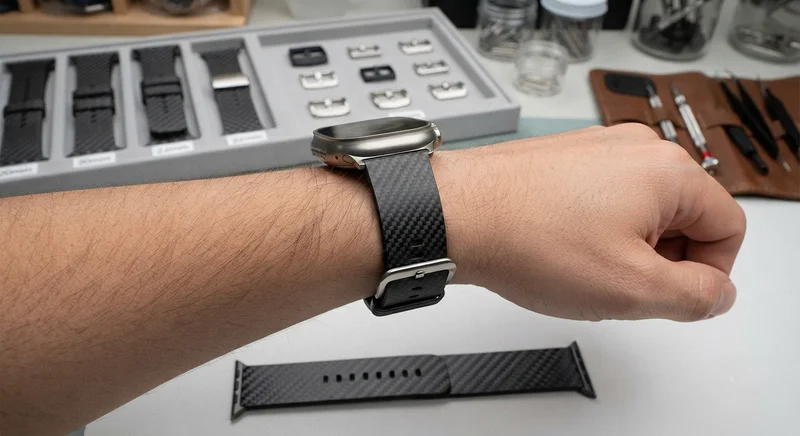
Carbon Fiber Watch Strap — 20mm/22mm Quick-Release
Premium carbon fiber watch strap with quick-release spring bars. Woven from T700 3K twill prepreg with a flexible resin system that conforms to the wrist. Available in 20mm and 22mm lug widths, compatible with Apple Watch, Samsung Galaxy Watch, Garmin, and traditional mechanical watches. Features a stainless steel buckle and carbon fiber keepers. The natural weave pattern makes each strap unique.
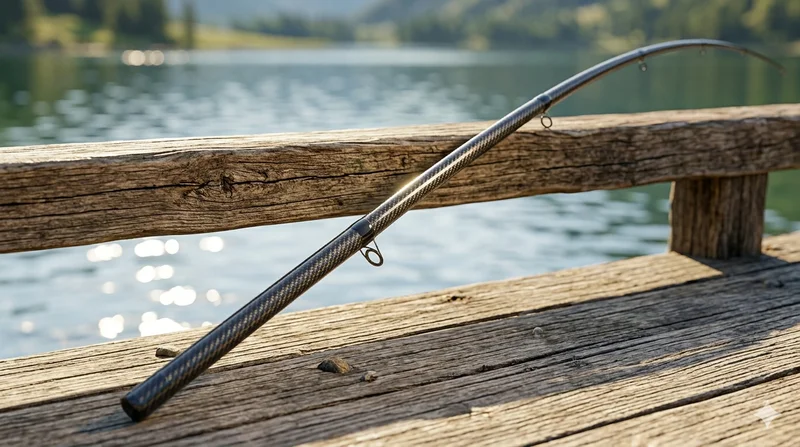
Carbon Fiber Fishing Rod Blank
High-quality carbon fiber fishing rod blank manufactured from multiple grades of Toray carbon fiber cloth. Available in a wide range of lengths, powers, and actions for freshwater and saltwater applications. Suitable for OEM rod building.

Carbon Fiber Plate — 3K Twill T700 1.5mm
Thin 1.5mm carbon fiber plate with 3K twill weave surface. Lightweight and stiff, commonly used for covers, panels, drone bodies, and applications requiring a premium aesthetic appearance.
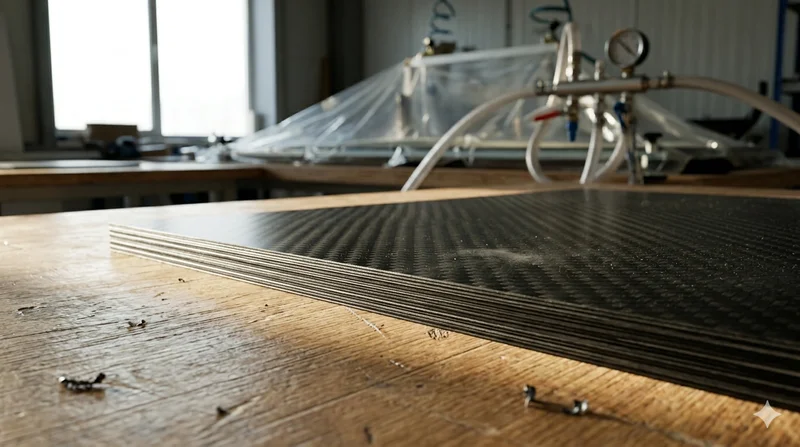
Carbon Fiber Plate — 3K Twill T700 3.0mm
Medium-thickness 3.0mm carbon fiber plate offering significantly higher load capacity while maintaining attractive 3K twill finish. Suitable for structural brackets, reinforcement plates, and load-bearing panels.
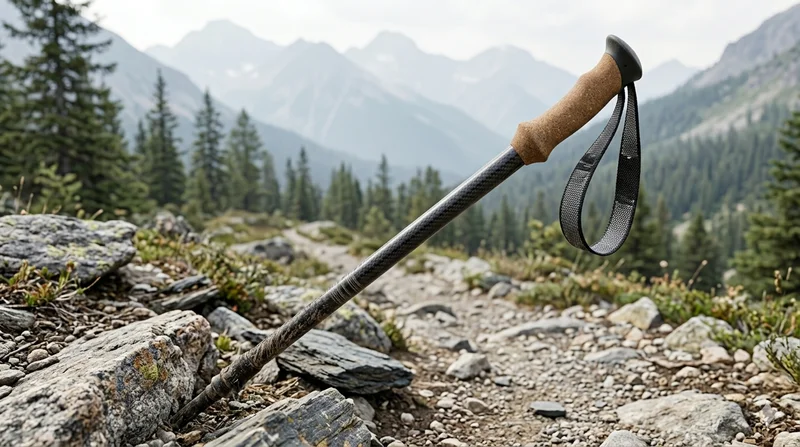
Carbon Fiber Trekking Pole
Lightweight carbon fiber trekking pole manufactured from high-grade carbon fiber tube. Weighs only 160g per pole while providing superior shock absorption and durability for hiking, trail running, and backpacking.