
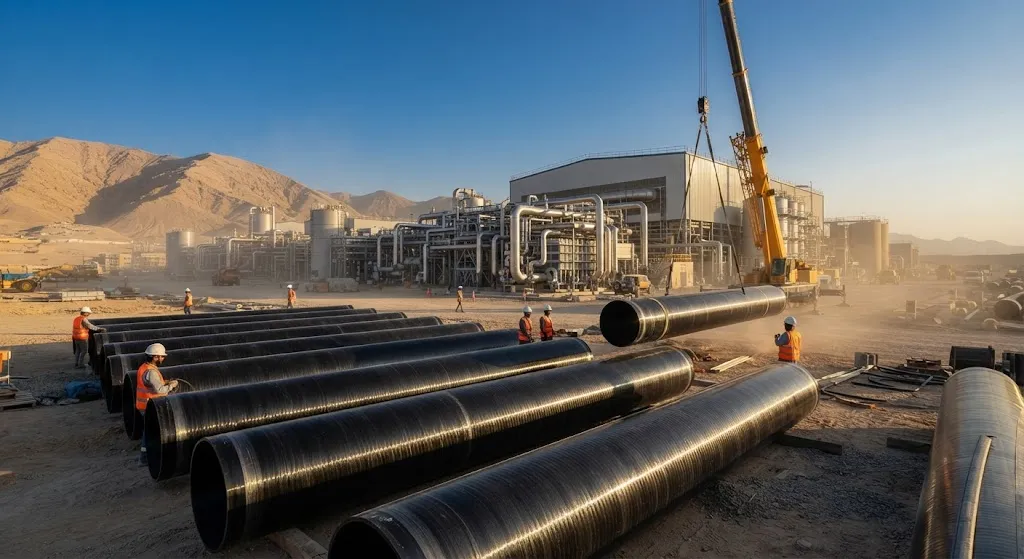
Saudi Arabia is undergoing the most ambitious economic transformation in the Middle East. Vision 2030, the kingdom's blueprint for reducing oil dependency, has unlocked over $1.3 trillion in planned infrastructure and industrial investment, with carbon fiber composites emerging as a critical enablin
Introduction
Saudi Arabia is undergoing the most ambitious economic transformation in the Middle East. Vision 2030, the kingdom's blueprint for reducing oil dependency, has unlocked over $1.3 trillion in planned infrastructure and industrial investment, with carbon fiber composites emerging as a critical enabling material across multiple sectors. From the world's largest desalination plants to the futuristic NEOM megacity, from green hydrogen production facilities to next-generation sports infrastructure for the 2034 FIFA World Cup, the demand for high-performance composite materials is growing at rates that outpace most established markets.
For carbon fiber manufacturers and suppliers, Saudi Arabia represents a market that is simultaneously large, growing, and underserved. The kingdom's current carbon fiber consumption is estimated at 8,000-12,000 metric tons per year, projected to reach 25,000-35,000 metric tons by 2030 as Vision 2030 projects reach construction peaks. This article maps the demand drivers, reviews the competitive landscape, and provides actionable guidance for market entry.
Vision 2030: The Investment Framework
Vision 2030 is not a single project but a comprehensive economic transformation strategy encompassing over 200 individual initiatives. The Public Investment Fund (PIF), Saudi Arabia's sovereign wealth fund with assets exceeding $930 billion, serves as the primary execution vehicle. Key mega-projects driving carbon fiber demand include:
- NEOM ($500 billion): A linear smart city stretching 170 km along the Gulf of Aqaba, featuring The Line (a mirrored-facade city for 9 million residents), Oxagon (floating industrial city), and Trojena (mountain tourism). NEOM's specification of composite-intensive construction and transportation systems creates sustained demand for carbon fiber throughout the 2030s.
- Red Sea Global ($28 billion): A luxury tourism development spanning 28,000 km² with 50 hotels, marine infrastructure, and an international airport. Composite materials are specified for marine structures, resort roofing, and transportation vehicles.
- Qiddiya ($8 billion): An entertainment megaproject 45 minutes from Riyadh, featuring a Six Flags theme park, motorsport circuit, and sports stadium complex. Carbon fiber is used in structural elements, acoustics, and specialized construction.
- Diriyah Gate ($20 billion): A cultural and heritage tourism project combining traditional Najdi architecture with modern infrastructure, requiring corrosion-resistant composites for the arid desert environment.
- ROSHN ($10 billion): A national housing developer delivering 300,000 homes, incorporating composite materials in affordable housing construction for thermal efficiency.
These projects share a common procurement approach: international EPC (Engineering, Procurement, and Construction) contractors manage construction, specifying materials to international standards and sourcing globally. For carbon fiber suppliers, this means that qualification and relationships with EPC firms — Fluor, Bechtel, Samsung Engineering, Hyundai Engineering — are as important as direct customer relationships.
Desalination: The Largest Carbon Fiber Demand Driver
Saudi Arabia operates the world's largest desalination infrastructure, with total capacity exceeding 7.5 million m³/day. The Saline Water Conversion Corporation (SWCC) and private operators are expanding capacity by 30% through 2030, with a strategic shift from thermal desalination (multi-stage flash) to reverse osmosis (RO) membrane technology. Carbon fiber plays a critical role in this transition:
- Pressure vessels: RO membrane housings use filament-wound carbon fiber reinforced polymer (CFRP) shells for the 60-80 bar operating pressures, replacing steel vessels that corrode in the brine environment.
- Piping and fittings: Large-diameter CFRP pipes (600-2,400 mm) transport brine and permeate, offering 50-70% weight reduction and 40+ year corrosion-free service life.
- Structural supports: Carbon fiber reinforced grating, handrails, and platform structures in the corrosive desalination plant environment.
Major desalination projects in the pipeline include Ras Al Khair (expansion to 1.5 million m³/day), Jubail 3A (600,000 m³/day), and several NEOM-adjacent facilities. Total CFRP demand from desalination alone is projected at 5,000-8,000 metric tons by 2028.
Green Hydrogen and Energy Transition
Saudi Arabia's green hydrogen strategy targets 4 million metric tons of annual hydrogen production by 2030, with the NEOM Green Hydrogen Project (a joint venture between ACWA Power, Air Products, and NEOM) leading development. Carbon fiber is essential for:
- Type IV hydrogen storage tanks: CFRP overwrapped pressure vessels for hydrogen transport and storage, operating at 350-700 bar.
- Wind turbine blades: Saudi Arabia's 58 GW renewable energy target by 2030 requires thousands of large wind turbine blades, many specified with carbon fiber spar caps for the high-temperature desert environment.
- Fuel cell components: Carbon fiber gas diffusion layers and bipolar plates for hydrogen fuel cell systems in transportation and stationary power.
The hydrogen economy alone is projected to consume 3,000-5,000 metric tons of carbon fiber per year by 2030.
Construction and Infrastructure Applications
Beyond mega-projects, carbon fiber is penetrating Saudi Arabia's broader construction sector through several applications:
- FRP rebar for concrete: Corrosion-free CFRP rebar is specified for marine structures, bridge decks, and buildings in coastal cities (Jeddah, Dammam, Ras Al Khair), where chloride ingress accelerates steel corrosion.
- Composite roofing and cladding: Lightweight CFRP panels for stadium roofs, airport terminals, and exhibition centers reduce structural steel requirements and enable longer spans.
- Transportation infrastructure: Composite pedestrian bridges, noise barriers along the Riyadh-NEOM高速, and utility poles.
Competitive Landscape and Import Dynamics
Saudi Arabia imports approximately 95% of its carbon fiber requirements. Key suppliers include:
| Supplier | Origin | Primary Products | Market Position |
|---|---|---|---|
| Toray Industries | Japan | T700/T800 prepreg, tow | Market leader in aerospace-grade |
| SGL Carbon | Germany | Panex carbon fiber, chopped fiber | Strong in industrial applications |
| Mitsubishi Chemical | Japan | Pyrofil prepreg, fabrics | Competing in automotive sector |
| Hexcel | USA | HiModulus, intermediate modulus | Aerospace and defense focus |
| Chinese suppliers (multiple) | China | T300-T700 grade, fabrics | Price-competitive, growing share |
Chinese carbon fiber suppliers are gaining market share rapidly, particularly in industrial-grade applications, with prices 20-40% below Japanese and American competitors. However, many Saudi EPC contractors and end-users retain specifications that favor established Western and Japanese suppliers for critical structural applications.
Market Entry Strategy
Successful market entry into Saudi Arabia's carbon fiber market requires a multi-channel approach:
- EPC contractor relationships: Pre-qualification with major EPC firms (Fluor, Bechtel, Technip Energies, Samsung C&T) is essential. Material specifications are set at the EPC level, and supplier qualification typically requires 12-18 months of testing and documentation.
- Local distribution partnerships: Establishing a local warehouse and technical service presence through a Saudi distributor (e.g., Zamil Steel, Al-Bawani, or a dedicated composites distributor) reduces lead times and provides on-site technical support.
- SABIC and Aramco supply chains: Saudi Basic Industries Corporation (SABIC) and Saudi Aramco are developing downstream composite capabilities; partnership or supply agreements with these national champions provides market access and credibility.
- Free zone establishment: NEOM, King Abdullah Economic City (KAEC), and Ras Al Khair Industrial City offer tax incentives and 100% foreign ownership for manufacturing operations, potentially enabling local CFRP fabrication.
Frequently Asked Questions
What are the main import regulations for carbon fiber into Saudi Arabia?
Carbon fiber imports into Saudi Arabia are subject to Saudi Standards, Metrology and Quality Organization (SASO) certification requirements. Products must comply with relevant ASTM, ISO, or EN standards and carry a conformity certificate issued by an accredited body. Dual-use export controls apply to certain high-strength carbon fiber grades (above IM7 equivalent), requiring end-user certificates and government authorization from the exporting country. Import duties on carbon fiber materials range from 5-12% depending on the HS code classification, with composite finished products potentially subject to higher rates.
Is there local carbon fiber production in Saudi Arabia?
As of 2026, Saudi Arabia does not have domestic carbon fiber production capacity. However, several initiatives are underway: SABIC has announced pilot-scale carbon fiber production using acrylonitrile from its existing petrochemical operations; the King Abdullah University of Science and Technology (KAUST) operates a composites research center; and NEOM's Oxagon industrial zone is actively recruiting carbon fiber manufacturers. The Saudi government's localization requirements under Vision 2030's National Industrial Development and Logistics Program (NIDLP) are expected to drive domestic production within 3-5 years.
What is the typical lead time for carbon fiber delivery to Saudi project sites?
Standard lead time for carbon fiber materials from Asian or European suppliers to Saudi project sites is 8-12 weeks, including ocean freight (4-6 weeks from East Asia, 2-3 weeks from Europe) and customs clearance (1-2 weeks). For urgent requirements, air freight reduces transit to 1-2 weeks but at 5-8x the cost. Maintaining a local safety stock of 2-4 weeks consumption is standard practice among established suppliers serving mega-project timelines.
Conclusion
Saudi Arabia's Vision 2030 is creating a carbon fiber market that will grow from approximately 10,000 metric tons in 2026 to 25,000-35,000 metric tons by 2030, driven by desalination, green hydrogen, mega-project construction, and renewable energy infrastructure. The market is large, growing, and currently underserved by domestic production, creating significant opportunities for international suppliers who can navigate the EPC-driven procurement landscape, meet SASO certification requirements, and establish local presence. Early movers who build EPC relationships and local distribution partnerships will be positioned to capture long-term supply agreements as Vision 2030 projects reach peak construction in 2027-2030.
For suppliers evaluating the Saudi market, understanding the project landscape, procurement cycles, and certification requirements is essential. Explore our carbon fiber product range suitable for desalination, construction, and energy applications, or contact our international sales team to discuss Saudi market entry strategy and supply chain solutions.
Part of topic
Related Articles
- Europe Carbon Fiber Market Share 2026: Aerospace Leadership and Wind Energy Transition
- Türkiye Carbon Fiber Market 2026: Defense Aviation and KAAN Fighter Program
- Recycled Carbon Fiber Market Forecast 2030: Technology Maturity and Commercialization Path
- South Korea Carbon Fiber Market 2026: Hydrogen Economy and Shipbuilding Innovation
- Wind Turbine Blade Leading Edge Protection 2026: Polyurethane, Tape, and Metallic Shield Solutions
- China Carbon Fiber Overcapacity 2026: Price War Impact and Industry Consolidation
Interested in Our Products?
Contact our team for competitive pricing and technical specifications.
Get a QuoteRelated Products
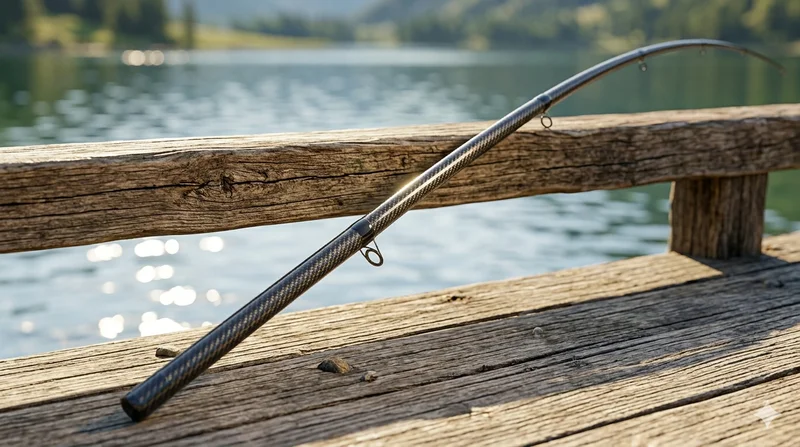
Carbon Fiber Fishing Rod Blank
High-quality carbon fiber fishing rod blank manufactured from multiple grades of Toray carbon fiber cloth. Available in a wide range of lengths, powers, and actions for freshwater and saltwater applications. Suitable for OEM rod building.

Carbon Fiber Plate — 3K Twill T700 1.5mm
Thin 1.5mm carbon fiber plate with 3K twill weave surface. Lightweight and stiff, commonly used for covers, panels, drone bodies, and applications requiring a premium aesthetic appearance.

Carbon Fiber Plate — 3K Twill T700 3.0mm
Medium-thickness 3.0mm carbon fiber plate offering significantly higher load capacity while maintaining attractive 3K twill finish. Suitable for structural brackets, reinforcement plates, and load-bearing panels.
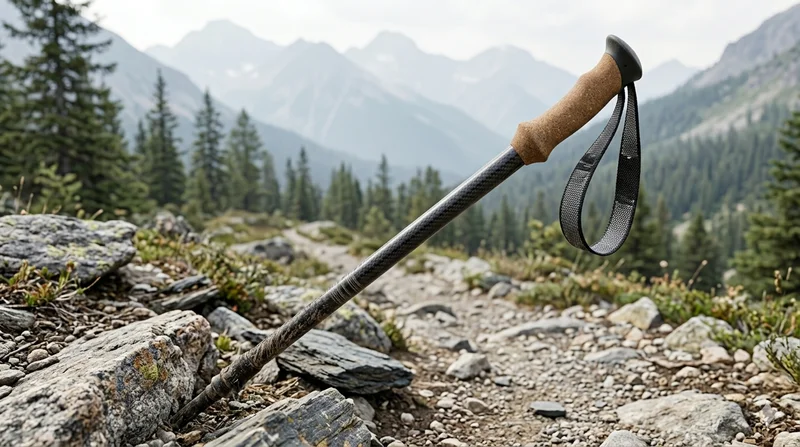
Carbon Fiber Trekking Pole
Lightweight carbon fiber trekking pole manufactured from high-grade carbon fiber tube. Weighs only 160g per pole while providing superior shock absorption and durability for hiking, trail running, and backpacking.

Square Carbon Fiber Tube — 3K Twill T700
Square cross-section carbon fiber tube manufactured with 3K twill weave for torsional strength. Preferred for structural frames, trusses, and support columns where rectangular geometry offers design flexibility.