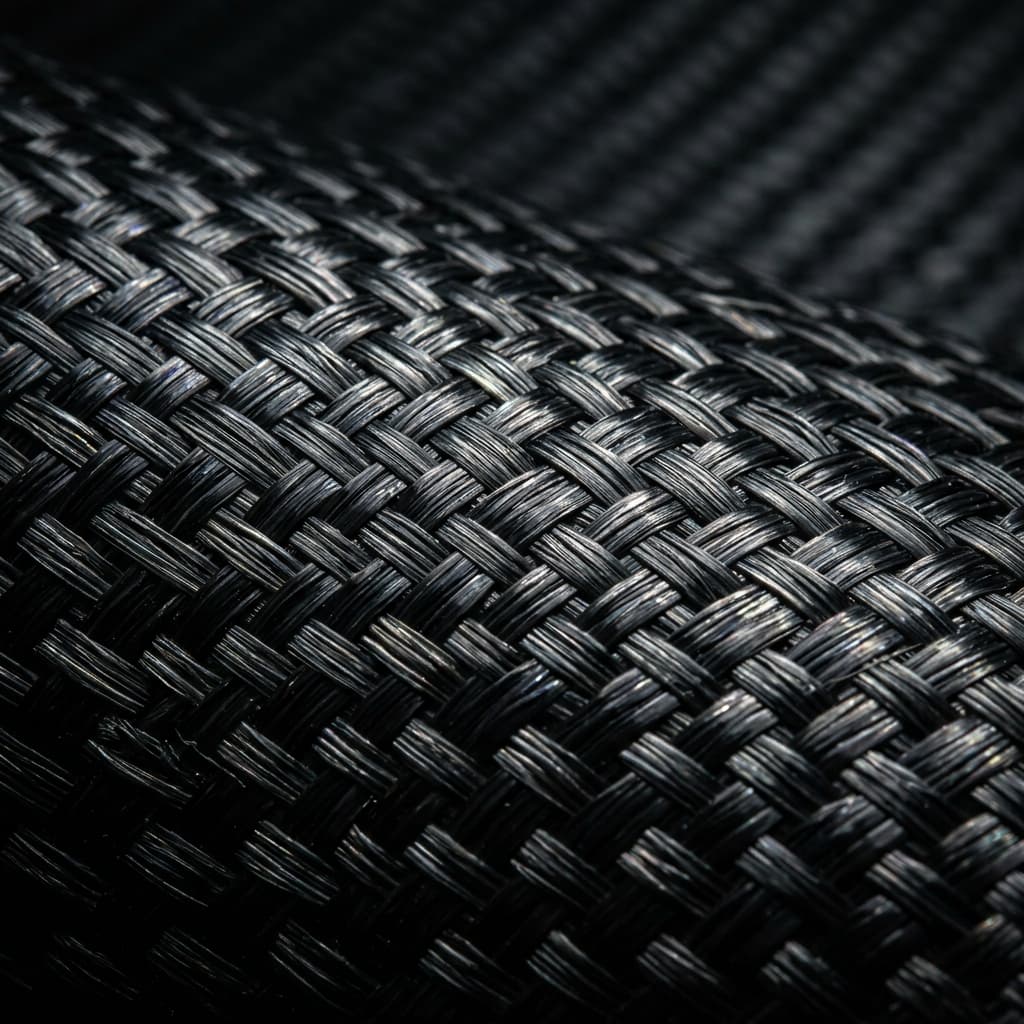
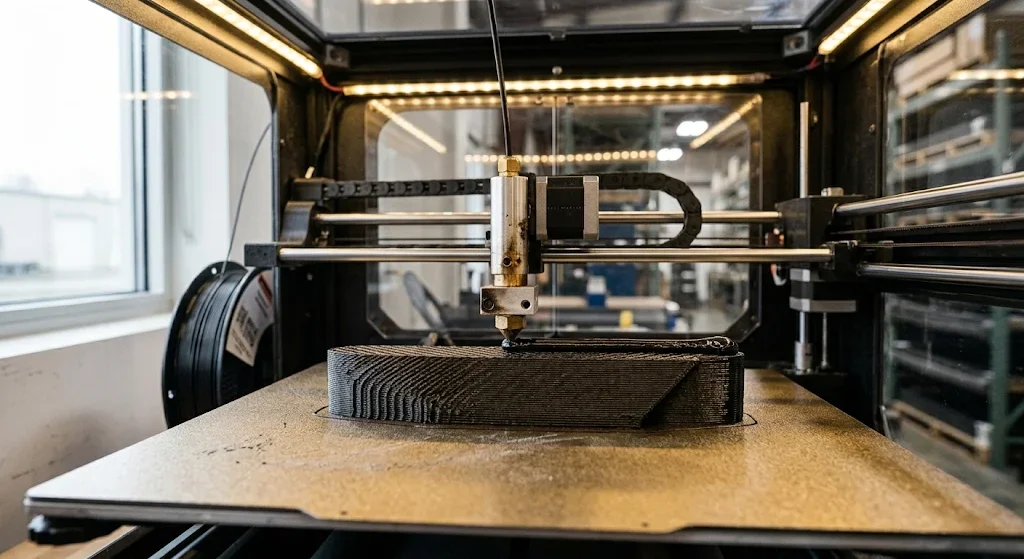
The keyword prusament pc carbon fiber refers to Prusament PC-CF, a polycarbonate-based filament reinforced with chopped carbon fiber for functional parts that need stiffness, dimensional stability, and better heat performance than common desktop materials. When engineers evaluate prusament pc carbon
What prusament pc carbon fiber Is Designed For
The keyword prusament pc carbon fiber refers to Prusament PC-CF, a polycarbonate-based filament reinforced with chopped carbon fiber for functional parts that need stiffness, dimensional stability, and better heat performance than common desktop materials. When engineers evaluate prusament pc carbon fiber, they are usually comparing it with unfilled polycarbonate, PETG composites, or nylon blends for brackets, fixtures, housings, and prototypes that must keep their shape under load. The material can be rewarding, but it is not forgiving: moisture control, chamber stability, and conservative cooling matter as much as the slicer profile. This article focuses on practical decisions that help you print reliable parts and interpret expected properties without assuming that printed coupons behave exactly like molded engineering plastics.
Recommended Printer Settings
Start with a stable baseline and change one variable at a time. Carbon-filled polycarbonate needs enough heat for interlayer bonding, while too much heat can create stringing, rough surfaces, or dimensional drift. An enclosed printer is strongly recommended because drafts and rapid temperature changes increase warping risk and can weaken layer adhesion.
| Setting | Recommended Range | Why It Matters |
|---|---|---|
| Nozzle temperature | 270-285°C | Supports flow and bonding; start near 275°C and tune by surface quality. |
| Bed temperature | 105-115°C | Helps first-layer adhesion and reduces corner lift on larger parts. |
| Build chamber | Enclosed, stable | Limits thermal gradients that cause warping and internal stress. |
| Print speed | 30-60 mm/s | Slower speeds often improve bonding on tall or thick-walled parts. |
| Part cooling fan | 0-15% | Low cooling favors strength; use small increases only for bridges. |
| Layer height | 0.16-0.28 mm | 0.20 mm is a practical default for functional components. |
| Nozzle material | Hardened steel or wear-resistant | Carbon fiber is abrasive and can enlarge brass nozzles quickly. |
Drying, Storage, and Bed Adhesion
Dry filament is essential for consistent extrusion. Polycarbonate blends absorb moisture from ambient air, and wet material can cause popping, voids, poor surface finish, and reduced mechanical performance. Store the spool in a sealed container with desiccant and dry it before important prints according to the material manufacturer's guidance. For adhesion, cleanliness and thermal stability usually outperform aggressive adhesives. After the build surface cools, wipe it with isopropyl alcohol and avoid touching the print area with bare hands.
- Use a brim for sharp corners, long flat edges, or parts with a small footprint.
- Orient large surfaces to reduce shrinkage stress across the build plane.
- Preheat the bed and chamber so temperatures stabilize before the first layer.
- Let finished parts cool gradually inside the enclosure to reduce residual stress.
- Inspect the first layer closely; early correction prevents wasted long prints.
Part Properties and Design Expectations
Printed properties depend on geometry, orientation, perimeter count, infill strategy, and thermal history. In general, prusament pc carbon fiber parts are chosen for stiffness and heat resistance rather than maximum ductility. The chopped fiber reinforcement can improve rigidity and help parts hold tolerances, but the composite remains anisotropic: strength along deposited roads is often better than strength across layer boundaries. Designers should route primary loads through walls, ribs, and fillets in directions that work with the print orientation.
For brackets, jigs, and machine guards, prioritize wall thickness and load paths over extreme infill percentages. A design with four to six perimeters, moderate infill, generous internal radii, and well-placed ribs often performs better than a fully dense part with sharp stress concentrators. If the component will face vibration, fastener clamp loads, or repeated thermal cycling, print a small validation sample and test it under realistic conditions. Datasheet-style expectations are useful starting points, but functional testing is the final check for fit, creep behavior, and long-term reliability.
Troubleshooting Common Print Issues
When a print fails, isolate the cause before changing multiple settings. Warping usually points to unstable chamber temperature, insufficient brim area, or drafts. Weak layer bonding often improves with a slightly higher nozzle temperature, slower speed, and reduced cooling. Stringing can respond to small temperature reductions and careful retraction tuning, but retraction values that are too aggressive may cause grinding in abrasive composites. Rough or inconsistent surfaces may indicate moisture, nozzle wear, or unstable extrusion. Dimensional inaccuracies should be addressed after thermal issues are controlled, using flow calibration and controlled cooling before part removal.
Frequently Asked Questions
Is an enclosure required for prusament pc carbon fiber?
An enclosure is strongly recommended. Polycarbonate-based composites are sensitive to ambient temperature changes, and a stable chamber reduces warping, improves layer adhesion, and helps parts cool more evenly. Open-frame printers can succeed in limited cases, but repeatability is usually lower.
Can I print prusament pc carbon fiber with a brass nozzle?
A brass nozzle may work for a short trial, but it is not ideal for regular use. The carbon fiber content is abrasive and can wear the orifice, which affects flow consistency, surface quality, and dimensional accuracy. A hardened steel or other wear-resistant nozzle is a safer long-term choice.
How do I improve strength without making the part fully solid?
Focus on structure rather than only infill percentage. Increase perimeters, add ribs, use fillets to reduce stress concentration, and orient the part so primary loads align with stronger print directions. Validate the design with a functional prototype, especially when fasteners, vibration, or heat are involved.
Conclusion
Used with dry material, stable chamber conditions, and realistic design expectations, prusament pc carbon fiber can produce stiff, heat-capable parts for demanding workshop and prototype applications. Treat layer orientation, joint design, and controlled cooling as part of the material system, not afterthoughts. If you need help moving from a printed concept to a production composite component, explore YongXian products or contact our team to discuss your application.
Part of topic
Related Articles
- Prusament PETG Carbon Fiber: Print Settings and Mechanical Behavior
- Small Carbon Fiber Rods: Diameters, Stock Lengths, and Uses
- How to Create Carbon Fiber Parts: Tooling Choices Compared
- A sheet of carbon fiber: Anatomy of Cloth, Resin, and Cure
- Full Carbon Fiber Plates: 100% Laminate vs Hybrid Layups
- How to Make Carbon Fiber Parts: Wet Layup to Autoclave
Interested in Our Products?
Contact our team for competitive pricing and technical specifications.
Get a QuoteRelated Products

Custom Carbon Fiber Bicycle Frame
Full-custom carbon fiber bicycle frame manufactured to your geometry specifications. We produce road, gravel, mountain, and track frames using high-modulus carbon fiber layups optimized for each riding discipline. Monocoque construction with internal cable routing, available with disc or rim brake mounts.
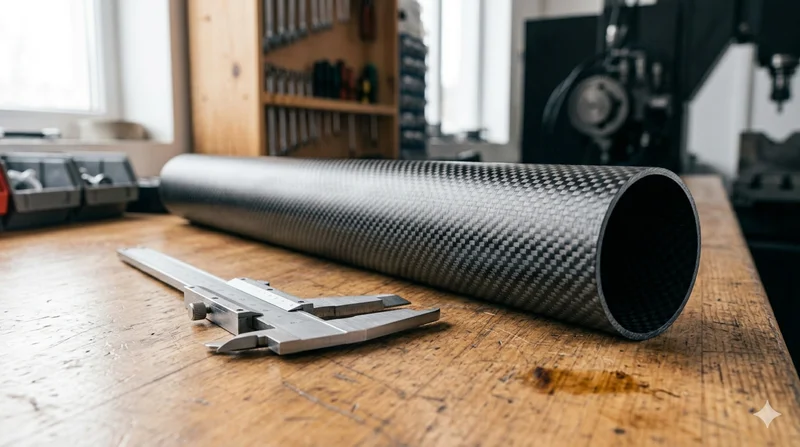
Round Carbon Fiber Tube — 3K Plain Weave T700
Standard round carbon fiber tube manufactured from Toray T700 grade fiber with 3K plain weave. Offers balanced strength and stiffness for general industrial applications including robotics, automation, sports equipment, and aerospace structures.
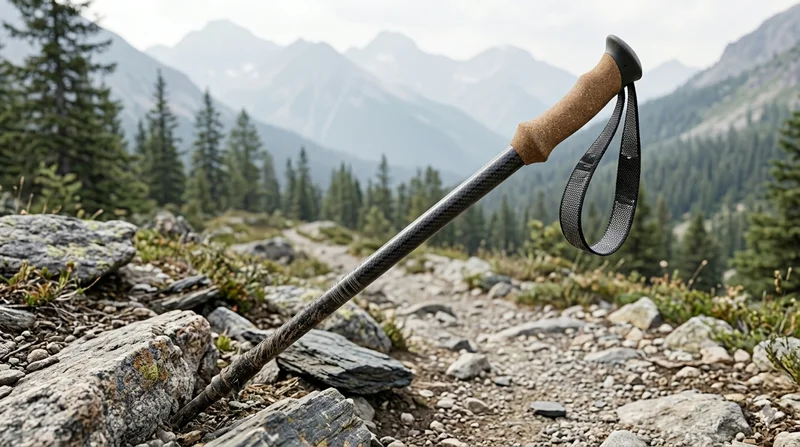
Carbon Fiber Trekking Pole
Lightweight carbon fiber trekking pole manufactured from high-grade carbon fiber tube. Weighs only 160g per pole while providing superior shock absorption and durability for hiking, trail running, and backpacking.
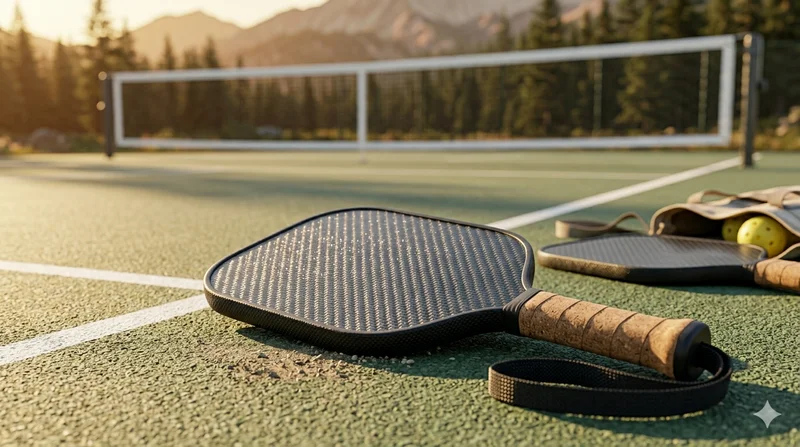
Carbon Fiber Pickleball Paddle
High-performance pickleball paddle with Toray T700 carbon fiber face and polypropylene honeycomb core. Delivers excellent power-to-weight ratio, spin generation, and vibration dampening for competitive play.
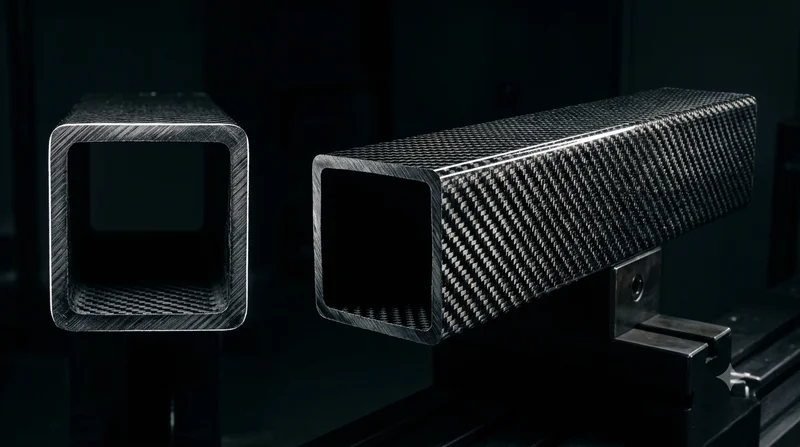
Square Carbon Fiber Tube — 3K Twill T700
Square cross-section carbon fiber tube manufactured with 3K twill weave for torsional strength. Preferred for structural frames, trusses, and support columns where rectangular geometry offers design flexibility.