
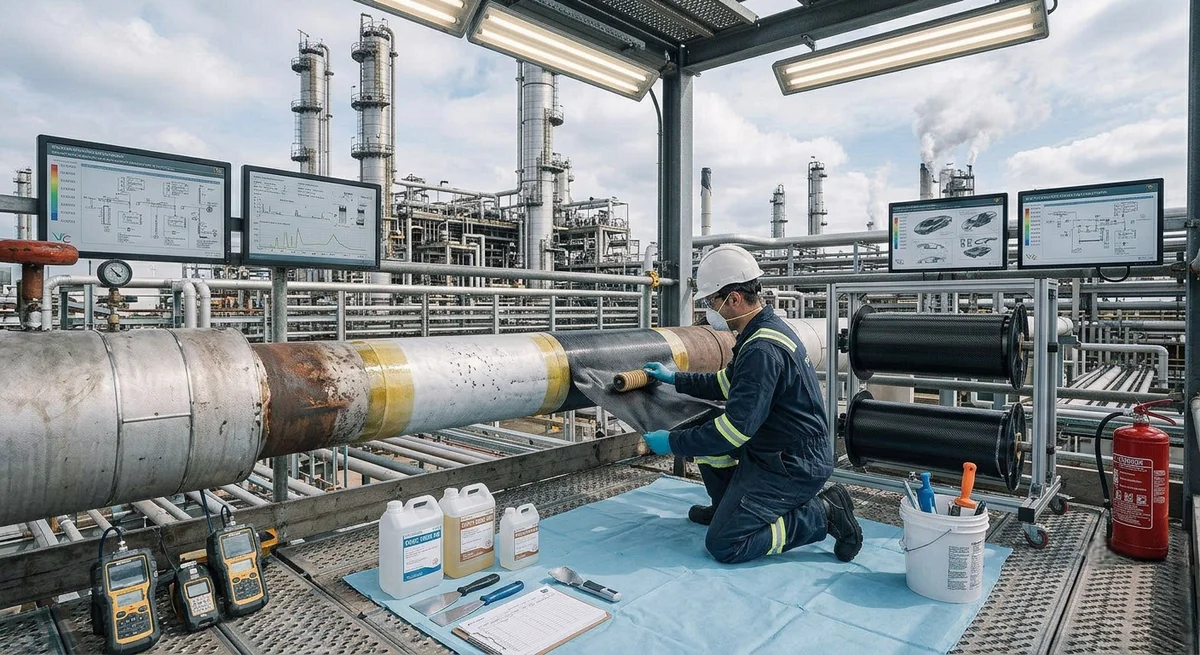
A technical guide to CFRP composite wrap pipe repair systems for oil refinery applications — covering design methodology, installation procedures, regulatory compliance, and cost comparison with traditional steel repair methods.
# CFRP Pipe Repair in Oil Refineries: Composite Wrap Systems for Corrosion and Leak Remediation
Introduction
Oil refineries operate some of the most demanding pipe networks in industrial infrastructure — transporting hydrocarbons, steam, process chemicals, and cooling water at pressures up to 15 MPa and temperatures ranging from −40°C to 400°C. Corrosion under insulation (CUI), internal erosion, external pitting, and mechanical damage are persistent threats to piping integrity. Traditional repair methods — pipe replacement, welded steel sleeves, and clamp repairs — require hot work permits, production shutdowns, and extensive scaffolding, with associated costs of $10,000–$80,000 per repair point and downtime losses of $50,000–$500,000 per day.
Carbon fiber reinforced polymer (CFRP) composite wrap repair systems offer a compelling alternative. The global composite repair market for oil and gas is valued at USD 580 million in 2026 and growing at 11.2% CAGR.
Repair Method Comparison
| Parameter | CFRP Composite Wrap | Welded Steel Sleeve | Pipe Replacement | Mechanical Clamp |
|---|---|---|---|---|
| Hot work required | No | Yes | Yes | No |
| Process shutdown needed | No (90% of cases) | Usually | Always | No |
| Installation time (avg.) | 4–8 hours | 24–48 hours | 3–7 days | 2–4 hours |
| Restored pressure rating | 100–120% original | 100–110% | 100% | 80–100% |
| Max operating temperature | 125–340°C (resin dependent) | 400°C+ | As pipe | As gasket |
| Relative cost (installed) | $3,000–$8,000 | $8,000–$25,000 | $20,000–$80,000 | $5,000–$15,000 |
| Design life | 15–25 years | 15–25 years | 20+ years | 2–5 years |
Design Methodology per ASME PCC-2 and ISO 24817
- **Defect assessment:** The damaged pipe section is evaluated by UT or RT to determine remaining wall thickness and defect dimensions. Minimum remaining wall thickness must exceed 1.0–1.5 mm.
- **Design pressure and temperature:** The repair restores the original MAWP. Standard epoxy: 125°C; high-temperature formulations: 200°C; BMI systems: 340°C.
- **Laminate thickness calculation:** For a typical 8-inch Sch 40 carbon steel pipe at 4.0 MPa, 6–12 plies of 300–600 gsm carbon fiber fabric are required, yielding 3–8 mm total laminate thickness.
- **Length of repair:** ASME PCC-2 requires a minimum overlap of 0.5 × √(D × t_pipe) beyond each defect end.
Installation Procedure
| Step | Description | Time Required |
|---|---|---|
| 1. Surface preparation | Abrasive blast to NACE No. 2 / SSPC-SP10 | 30–90 min |
| 2. Void filling | Fill pits with epoxy putty | 15–30 min |
| 3. Primer application | Thin epoxy primer coat (100–200 μm) | 10–15 min |
| 4. Laminate wrapping | Wet-layup carbon fiber fabric, 50% overlap/ply | 45–120 min |
| 5. Final topcoat | UV-resistant epoxy or polyurethane | 15–20 min |
| 6. Cure | Ambient cure 24–72 hours at ≥15°C | 24–72 hours |
Applications in Refinery Piping Systems
- **Corrosion under insulation (CUI):** Accounts for 40–60% of all piping failures in refineries. CFRP wraps restore integrity without removing insulation from adjacent sections.
- **Internal erosion on FCC catalyst slurry lines:** Wall loss up to 60–70% can be restored to 100% MAWP. Multiple installations in service for 10+ years.
- **External pitting on cooling water and firewater piping:** Large-diameter (12–36 inch) headers repaired online without draining or dismantling.
- **Through-wall leak repair on condensate lines:** CFRP wraps with leak-sealing epoxy gel stop active pinhole leaks within 30–60 minutes.
Cost Analysis: Single Repair Point
| Cost Element | CFRP Wrap | Welded Steel Sleeve | Pipe Replacement |
|---|---|---|---|
| Materials | $800–$2,500 | $1,500–$5,000 | $3,000–$15,000 |
| Labor | $1,500–$3,000 | $4,000–$12,000 | $10,000–$35,000 |
| Scaffolding | $500–$1,500 | $2,000–$5,000 | $4,000–$15,000 |
| Hot work / safety | $0 | $1,500–$3,000 | $3,000–$8,000 |
| Production loss | $0 (no shutdown) | $50,000–$200,000 | $100,000–$500,000 |
| **Total Direct Cost** | **$3,000–$8,000** | **$9,500–$46,500** | **$21,000–$75,500** |
Frequently Asked Questions
**Q: How long does a CFRP composite wrap repair last in refinery service?**
A: CFRP composite wrap repairs, when designed and installed per ASME PCC-2 or ISO 24817, have a demonstrated service life of 15–25 years. The oldest PCC-2-designed repairs (installed in the late 1990s) remain in service with no degradation after 20+ years. The primary life-limiting factors are UV degradation of the topcoat (recoating every 8–12 years) and thermal cycling fatigue between CFRP (near-zero CTE) and carbon steel (CTE 11.7 × 10⁻⁶/°C).
**Q: Can CFRP wraps be applied to pipes carrying hydrocarbons above their flash point?**
A: Yes — CFRP wrap repair is routinely performed on live pipes carrying hydrocarbons without shutdown. The key differentiator is that CFRP application requires no hot work (no welding, grinding, or open flame). Precautions include using anti-static carbon fiber fabrics, grounding, continuous gas monitoring, and solvent-free epoxy formulations. No fire or explosion incidents have been recorded from CFRP application over 25+ years.
**Q: What quality control is required for CFRP pipe repair installation?**
A: Per ASME PCC-2: (1) Pre-installation — material qualification testing; (2) During installation — wet film thickness verification, ply consolidation checks; (3) Post-cure — Shore D hardness ≥75, adhesion pull-off ≥7 MPa at 23°C, UT thickness verification; (4) In-service — annual visual inspection, UT thickness and bondline integrity every 5 years.
Conclusion
CFRP composite wrap repair systems have established themselves as a permanent, code-approved, and economically compelling method for restoring corroded or damaged refinery piping. The elimination of hot work, ability to apply repairs on live pipe in service, and 40–70% direct cost reduction make CFRP an indispensable tool in refinery maintenance.
Part of topic
Related Articles
- Recycled Carbon Fiber Market Forecast 2030: Technology Maturity and Commercialization Path
- South Korea Carbon Fiber Market 2026: Hydrogen Economy and Shipbuilding Innovation
- Wind Turbine Blade Leading Edge Protection 2026: Polyurethane, Tape, and Metallic Shield Solutions
- China Carbon Fiber Overcapacity 2026: Price War Impact and Industry Consolidation
- India Carbon Fiber Market 2026: Wind Energy, Aerospace, and Defense Expansion
- PAN Precursor Market 2026: Acrylonitrile Supply and Carbon Fiber Cost Structure
Interested in Our Products?
Contact our team for competitive pricing and technical specifications.
Get a QuoteRelated Products

Carbon Fiber Plate — 3K Twill T700 1.5mm
Thin 1.5mm carbon fiber plate with 3K twill weave surface. Lightweight and stiff, commonly used for covers, panels, drone bodies, and applications requiring a premium aesthetic appearance.

Square Carbon Fiber Tube — 3K Twill T700
Square cross-section carbon fiber tube manufactured with 3K twill weave for torsional strength. Preferred for structural frames, trusses, and support columns where rectangular geometry offers design flexibility.
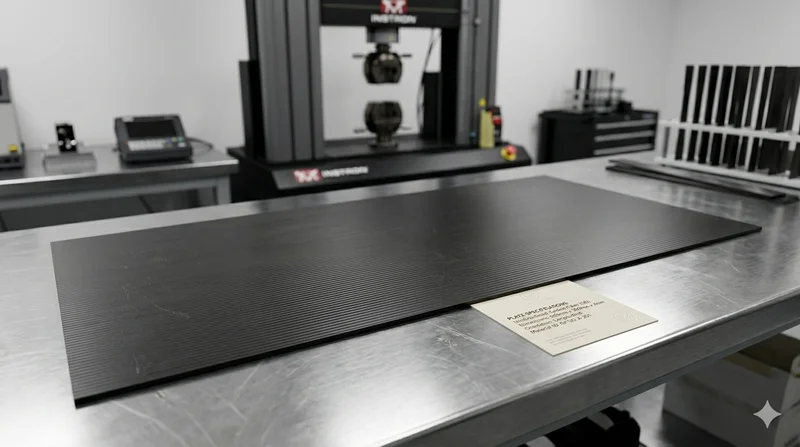
Carbon Fiber Plate — UD Unidirectional T700
Unidirectional carbon fiber plate with all fibers oriented in a single direction for maximum strength along the fiber axis. Essential for structural reinforcements, splints, and applications where load direction is predictable.
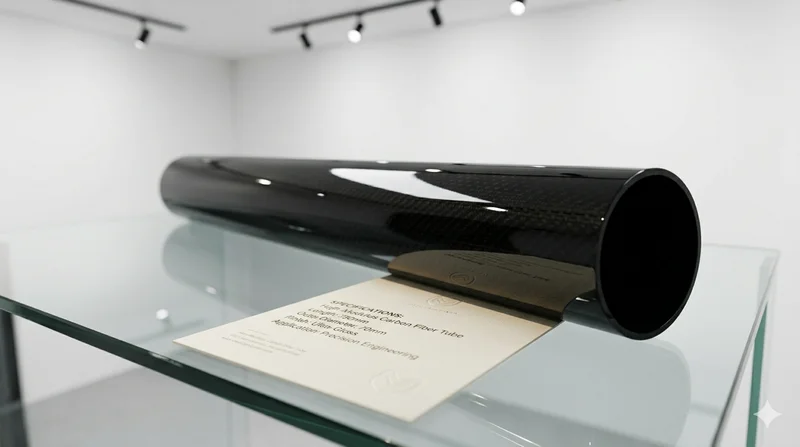
High Modulus Round Carbon Fiber Tube — M40
High modulus round tube manufactured with M40 grade fiber (tensile modulus 400 GPa). Designed for applications where maximum stiffness-to-weight ratio is critical, such as optical systems, precision machinery, and aerospace structures.
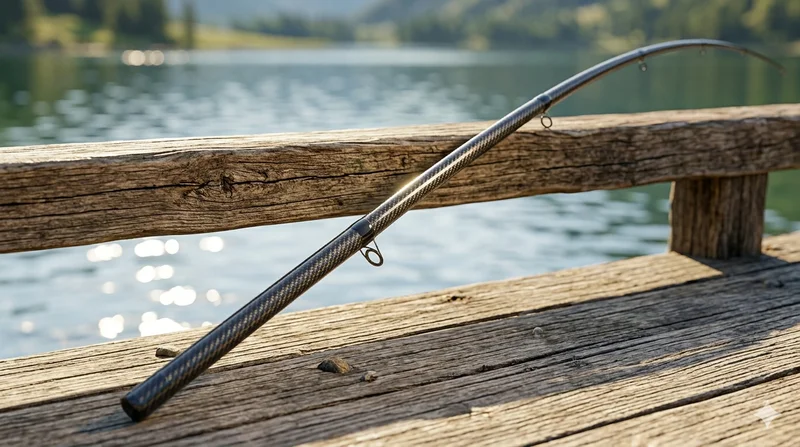
Carbon Fiber Fishing Rod Blank
High-quality carbon fiber fishing rod blank manufactured from multiple grades of Toray carbon fiber cloth. Available in a wide range of lengths, powers, and actions for freshwater and saltwater applications. Suitable for OEM rod building.