Learning how to make carbon fiber rod parts with consistent quality requires more than wrapping fabric around a metal bar. A good carbon fiber rod depends on straightness, wall thickness control, fiber alignment, and a stable curing process. For small workshops, prototype labs, and custom builders,
Introduction
Learning how to make carbon fiber rod parts with consistent quality requires more than wrapping fabric around a metal bar. A good carbon fiber rod depends on straightness, wall thickness control, fiber alignment, and a stable curing process. For small workshops, prototype labs, and custom builders, the mandrel wrapping workflow is one of the most practical ways to produce round rods without investing in large pultrusion equipment.
This guide explains the core steps behind mandrel wrapping, from surface preparation to finishing. The same basic workflow can be adapted for lightweight support rods, equipment shafts, drone arms, and even best carbon fiber rod blanks for specialty projects. The goal is not to promise aerospace-level production in a garage, but to show a repeatable process that improves consistency and reduces avoidable defects.
Materials, Mandrel Prep, and Fiber Planning
Before wrapping begins, prepare the mandrel carefully. A polished steel or aluminum mandrel with a slight release taper makes demolding easier. Clean the surface, apply release agent evenly, and check that the mandrel is straight. Any residue, scratch, or bend in the mandrel will transfer into the finished rod. For longer rods, support the mandrel during wrapping and curing to prevent sagging.
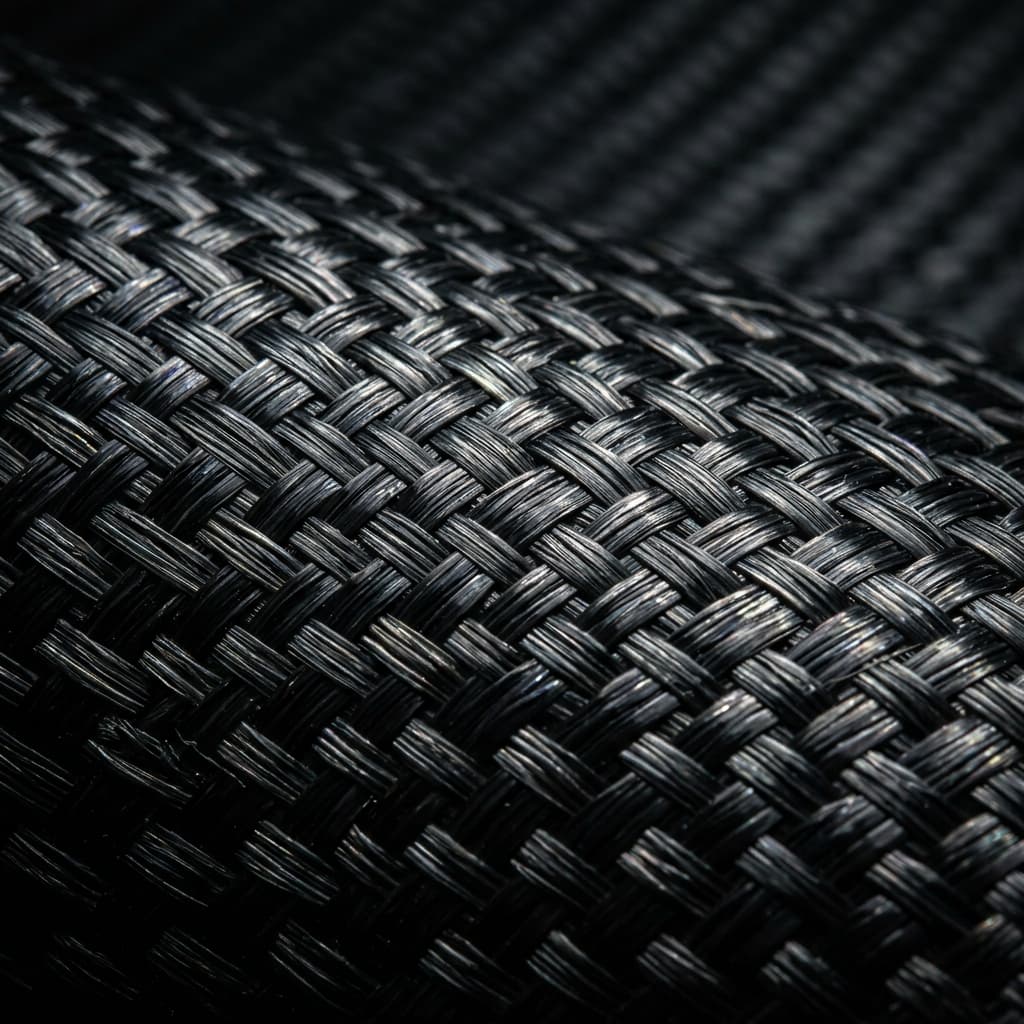
Fiber choice should match the job. Unidirectional carbon fiber provides strong axial stiffness, while woven sleeves or bias-oriented layers can improve handling and hoop strength. Many builders combine layers: an inner layer for surface quality, a unidirectional layer for stiffness, and an outer layer for abrasion resistance or visual finish. Resin selection also matters. Epoxy systems are common because they offer good adhesion and controllable cure schedules.
| Process Stage | Main Goal | Typical Materials | Common Risk | Control Tip |
|---|---|---|---|---|
| Mandrel preparation | Clean, straight release surface | Mandrel, release agent, lint-free cloth | Rod sticks or deforms | Inspect straightness before every run |
| Fiber wrapping | Controlled layup and alignment | Carbon sleeve, tow, or fabric strips | Wrinkles and uneven thickness | Maintain constant tension and overlap |
| Compaction and cure | Consolidate laminate and remove voids | Epoxy resin, shrink tape, oven | Dry spots or resin-rich areas | Use measured resin and even compaction |
| Demold and finish | Release rod and refine dimensions | Extractor, sandpaper, cutting tools | Surface damage or poor fit | Demold gently and trim after inspection |
Step-by-Step Mandrel Wrapping Workflow
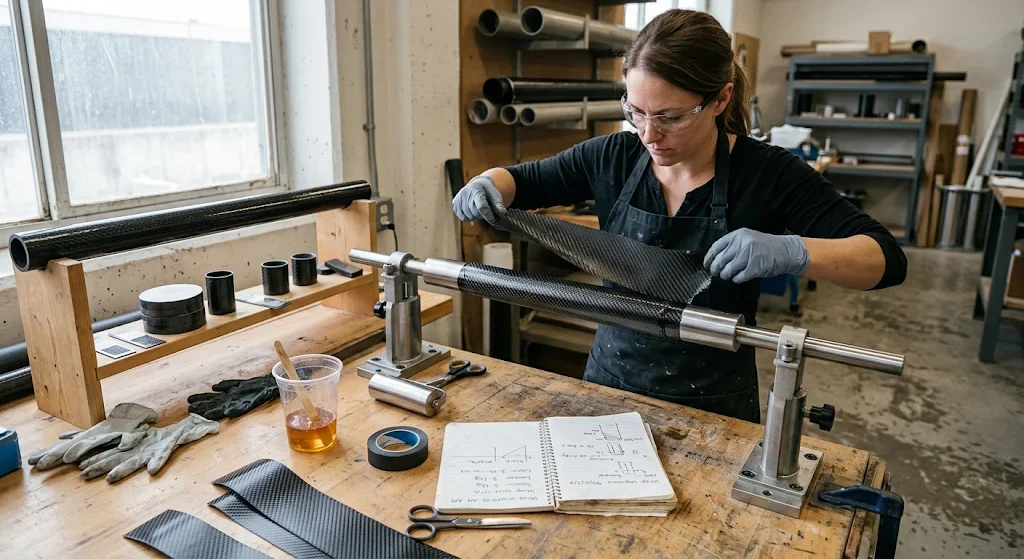
The practical workflow starts with dry planning. Cut the fiber to length, mark overlap lines, and decide the wrapping direction. If the rod needs bending resistance in one direction, keep unidirectional fibers aligned with the axis. If it needs better torsional behavior, add a bias layer or sleeve. Dry fitting the material before adding resin helps prevent rushed mistakes.
- Step 1: Apply release and stage materials. Prepare the mandrel, resin cups, gloves, rollers, and shrink tape before mixing epoxy.
- Step 2: Wet out or pre-impregnate the fiber. Aim for full wetting without flooding the laminate. Too much resin adds weight and can weaken the structure.
- Step 3: Wrap with controlled tension. Keep overlaps consistent and smooth wrinkles as they appear. Uneven tension often causes diameter variation.
- Step 4: Compact the layup. Heat-shrink tape, compression film, or a simple wrapping method can improve consolidation and surface quality.
- Step 5: Cure according to the resin schedule. Follow the recommended temperature profile and allow full cure before demolding.
After curing, remove the rod carefully from the mandrel. If the fit is tight, use a proper extraction method rather than hammering the part. Trim the ends, sand lightly if needed, and inspect for voids, dry areas, or misalignment. Builders who want to make a carbon fiber rod repeatedly should record fiber type, wrap angle, resin amount, tape type, and cure cycle for each batch.
Quality Checks and When to Choose Factory Production
A finished rod should be evaluated by straightness, weight, surface finish, and functional stiffness. Roll it on a flat table, compare target diameter with actual measurements, and test flex in the direction that matters to the application. If the rod is intended for a load-bearing use, validate it with a realistic fixture instead of relying only on visual inspection. For projects where a carbon fiber rod must match previous samples, process notes are as important as the material itself.
Mandrel wrapping is excellent for prototypes, short runs, and custom sizes. However, if you need large volumes, tight tolerances, or continuous lengths, factory processes such as pultrusion or filament winding may be more economical. Many teams prototype in-house, then work with a manufacturer once the dimensions and performance targets are stable. If you are comparing in-house builds with sourced options, review YongXian carbon fiber products or send your drawing through our contact page for manufacturing feedback.
Frequently Asked Questions
What is the easiest way to learn how to make carbon fiber rod blanks?
Start with short mandrels, simple epoxy systems, and a limited number of layers. Focus on straightness, even wrapping tension, and controlled resin content before attempting complex tapers or long lengths.
Do I need vacuum equipment for a mandrel-wrapped carbon fiber rod?
Not always. Many small shops use shrink tape or careful hand compaction for basic rods. Vacuum bagging can improve consolidation and repeatability, but it also adds setup complexity and cost.
How can I make the rod surface smoother?
Smoother results come from a polished mandrel, consistent compaction, and controlled resin application. Good release preparation and even shrink-tape pressure usually make a bigger difference than aggressive sanding after cure.
Conclusion
Understanding how to make carbon fiber rod components with a mandrel wrapping workflow comes down to preparation and control. A straight mandrel, balanced fiber plan, measured resin use, and consistent compaction will do more for quality than complicated tricks. Start with a simple layup, record every variable, and refine the process one step at a time. That approach makes it easier to produce dependable custom rods and evaluate when factory-made options are the better fit.
Related Articles
- Prusament PETG Carbon Fiber: Print Settings and Mechanical Behavior
- Small Carbon Fiber Rods: Diameters, Stock Lengths, and Uses
- How to Create Carbon Fiber Parts: Tooling Choices Compared
- A sheet of carbon fiber: Anatomy of Cloth, Resin, and Cure
- Full Carbon Fiber Plates: 100% Laminate vs Hybrid Layups
- How to Make Carbon Fiber Parts: Wet Layup to Autoclave
Interested in Our Products?
Contact our team for competitive pricing and technical specifications.
Get a QuoteRelated Products

Custom Carbon Fiber Bicycle Frame
Full-custom carbon fiber bicycle frame manufactured to your geometry specifications. We produce road, gravel, mountain, and track frames using high-modulus carbon fiber layups optimized for each riding discipline. Monocoque construction with internal cable routing, available with disc or rim brake mounts.
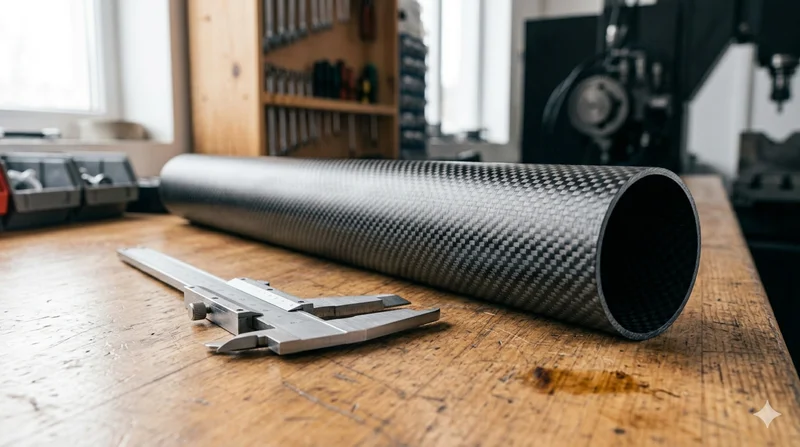
Round Carbon Fiber Tube — 3K Plain Weave T700
Standard round carbon fiber tube manufactured from Toray T700 grade fiber with 3K plain weave. Offers balanced strength and stiffness for general industrial applications including robotics, automation, sports equipment, and aerospace structures.
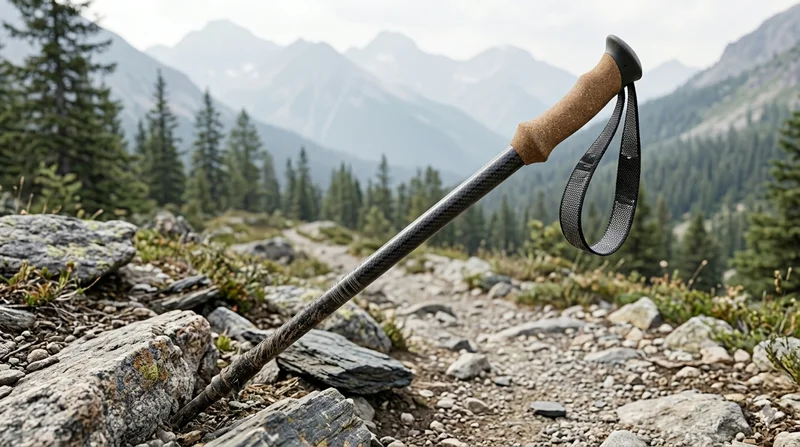
Carbon Fiber Trekking Pole
Lightweight carbon fiber trekking pole manufactured from high-grade carbon fiber tube. Weighs only 160g per pole while providing superior shock absorption and durability for hiking, trail running, and backpacking.
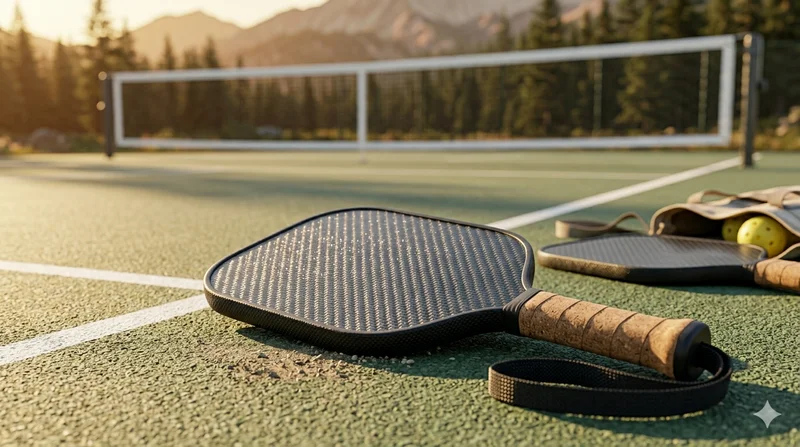
Carbon Fiber Pickleball Paddle
High-performance pickleball paddle with Toray T700 carbon fiber face and polypropylene honeycomb core. Delivers excellent power-to-weight ratio, spin generation, and vibration dampening for competitive play.
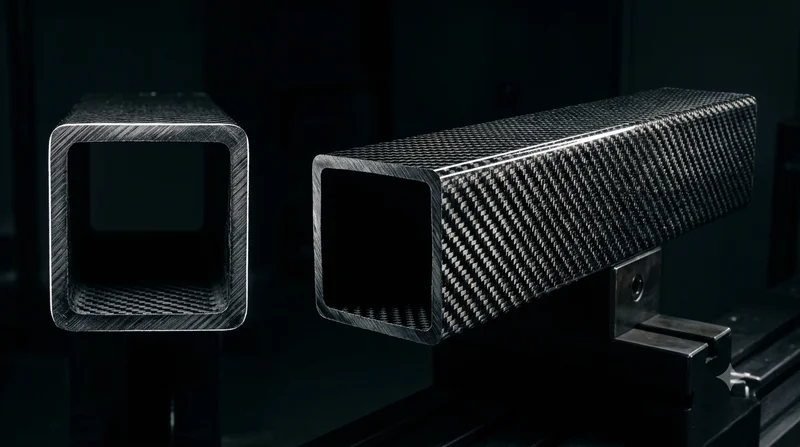
Square Carbon Fiber Tube — 3K Twill T700
Square cross-section carbon fiber tube manufactured with 3K twill weave for torsional strength. Preferred for structural frames, trusses, and support columns where rectangular geometry offers design flexibility.