
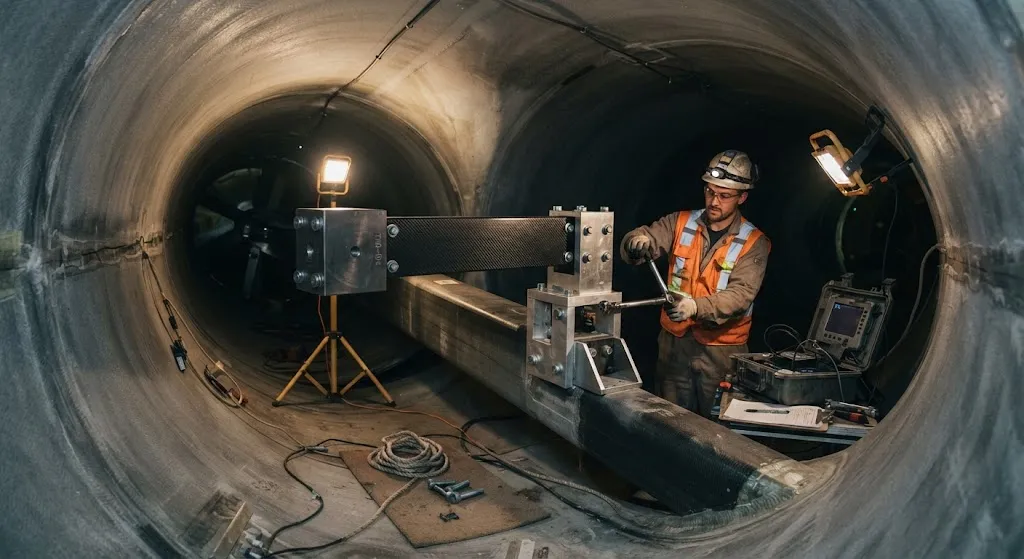
Large rotating systems — wind turbine blades exceeding 100 meters in length, helicopter main rotor blades, and industrial gas turbine blades — are susceptible to resonant vibration modes that can cause fatigue damage, acoustic noise, and structural failure. Tuned mass dampers (TMDs) are
Introduction
Large rotating systems — wind turbine blades exceeding 100 meters in length, helicopter main rotor blades, and industrial gas turbine blades — are susceptible to resonant vibration modes that can cause fatigue damage, acoustic noise, and structural failure. Tuned mass dampers (TMDs) are passive or semi-active devices attached to these structures that absorb vibration energy at specific frequencies, reducing dynamic stress amplitudes by 30–70%. Traditionally, TMDs have been constructed from steel and aluminum, but the weight penalty of metallic dampers on rotating structures is significant: every kilogram of unbalanced mass at the blade tip creates centrifugal loads that reduce bearing life and increase drivetrain loads.
Carbon fiber reinforced polymer (CFRP) composites address this weight penalty while offering design advantages that metals cannot match. CFRP TMDs can be tailored to achieve specific stiffness-to-mass ratios, integrated into blade structures during manufacturing, and designed for fatigue lives exceeding 109 load cycles. This article explains the engineering principles behind CFRP tuning mass dampers, material selection strategies, and validation methods for large rotor applications.
How Tuned Mass Dampers Work
A tuned mass damper consists of a secondary mass, a spring element, and optionally a damping element, attached to the primary structure. When the structure vibrates at or near the tuned frequency, the TMD mass oscillates out of phase with the primary structure, converting vibration energy into heat through the damping element. The effectiveness of a TMD depends on three parameters:
- Frequency tuning accuracy: The TMD natural frequency must match the targeted structural resonance within 1–3%. Mis-tuning by more than 5% reduces effectiveness by over 50%.
- Mass ratio: The ratio of TMD mass to the effective modal mass of the targeted mode. Typical mass ratios for blade applications range from 0.5–3%, with higher ratios providing greater damping but increasing centrifugal loads.
- Damping ratio: The damping coefficient of the TMD's dashpot or viscoelastic element, typically optimized at 5–15% of critical damping for maximum energy dissipation.
For rotating blades, the TMD must also account for centrifugal stiffening effects — the blade's natural frequency increases with rotational speed, requiring the TMD to be either broadband or adaptive to maintain effectiveness across the operating speed range.
Why CFRP for Tuning Mass Dampers
CFRP offers four material advantages that directly benefit TMD performance in rotating systems:
| Property | CFRP Advantage | Impact on TMD Design |
|---|---|---|
| Specific stiffness | 3–5× higher than steel | Thinner spring elements, reduced volume |
| Fatigue life | No endurance limit; >109 cycles achievable | 20–30 year service life without replacement |
| Damping capacity | Inherent material damping 2–5× higher than metals | Reduced need for external damping elements |
| Design flexibility | Variable fiber orientation and thickness | Frequency tuning via layup design |
The most significant advantage is the ability to tune the TMD frequency through material design rather than geometry. By adjusting fiber orientation in the spring element, engineers can set the stiffness (and therefore the natural frequency) without changing the part dimensions. This is particularly valuable for blade TMDs where space is constrained and the tuned frequency must be precise.
CFRP TMD Design Architectures
Three CFRP TMD architectures are commonly used for large rotor applications:
- Cantilever beam TMD: A CFRP beam with an attached mass at the free end, clamped to the blade structure. The beam acts as the spring element, and its stiffness is controlled by fiber orientation and thickness. This is the simplest design and most commonly used for wind turbine blade applications.
- Plate-type TMD: A flat CFRP plate with distributed mass, mounted within the blade cavity. The plate's bending modes provide the restoring force, and its frequency is tuned by adjusting the layup sequence. Plate TMDs offer better spatial integration and can cover multiple frequency targets.
- Integrated blade TMD: A CFRP mass element embedded within the blade layup during manufacturing, using local thickness variation or densified regions as the spring mechanism. This eliminates the need for separate attachment hardware and reduces maintenance requirements, but requires careful coordination with blade structural design.
The choice between architectures depends on blade geometry, accessible space for TMD installation, and whether the damper must be retrofitted to existing blades or designed into new blades from the start.
Material Selection for CFRP TMD Components
TMD components experience cyclic loading at the tuned frequency for the entire service life, making fatigue resistance the primary material selection criterion:
- Fiber selection: Standard modulus (SM) carbon fiber (e.g., Toray T300) is preferred for TMD spring elements because its fatigue performance is well-characterized and cost-effective. Intermediate modulus (IM) fibers offer higher stiffness but are unnecessary for most TMD applications.
- Resin system: Toughened epoxy resins with high strain-to-failure are essential for fatigue-critical applications. Rubber-toughened or thermoplastic-modified epoxies provide 3–5× improvement in fatigue crack growth resistance compared to standard aerospace epoxies.
- Fiber volume fraction: 55–60% is typical for TMD applications, balancing stiffness, fatigue resistance, and manufacturing repeatability.
- Mass element: The attached mass can be a tungsten alloy, lead, or steel weight bonded to the CFRP spring, or a local region of high-density fiber (e.g., carbon-steel hybrid) integrated into the composite.
The damping capacity of CFRP itself provides a baseline material damping ratio of 0.5–2%, compared to 0.1–0.3% for steel. This inherent damping can reduce or eliminate the need for separate viscous damping elements in some TMD designs.
Performance Validation and Testing
Validating a CFRP tuning mass damper requires both component-level and system-level testing:
- Modal analysis: The TMD's natural frequency is measured under static and rotating conditions using accelerometers and laser vibrometry. Frequency tuning accuracy must be confirmed within the specified tolerance (typically ±2%).
- Harmonic response testing: The blade or rotor is excited at the target frequency while the TMD is attached, and vibration amplitude reduction is measured. A well-designed TMD should achieve 30–70% reduction in the targeted mode amplitude.
- Fatigue testing: The CFRP spring element undergoes accelerated fatigue testing at the tuned frequency for 107–108 cycles, simulating 20–30 years of operational loading. Post-test inspection confirms no delamination, fiber breakage, or frequency drift.
- Environmental testing: Temperature cycling, UV exposure, and humidity testing validate durability under field conditions, particularly important for offshore wind applications where salt spray and temperature extremes are common.
Standards such as IEC 61400-1 for wind turbine design, ASTM D3479 for composite fatigue testing, and DNV-GL-RP-0122 for composite components provide the testing framework, while OEM-specific requirements add application-specific validation criteria.
Frequently Asked Questions
How much vibration reduction can a CFRP tuned mass damper achieve on a wind turbine blade?
A properly designed and tuned CFRP TMD can reduce resonant vibration amplitudes by 30–70% in the targeted mode. The actual reduction depends on the mass ratio, frequency tuning accuracy, and damping ratio. For a 1.5% mass ratio TMD with ±2% frequency tuning, typical reductions are 40–60% in the first flapwise bending mode. The practical benefit is a 20–40% reduction in fatigue damage accumulation, directly translating to extended blade service life or the ability to design lighter blades with the same fatigue life.
Can CFRP TMDs be retrofitted to existing wind turbine blades?
Yes, cantilever beam CFRP TMDs can be retrofitted to existing blades through internal access panels or during scheduled maintenance. The TMD is typically attached to the blade's inner surface near the tip, where modal displacement is maximum and the damping effect is most effective. Retrofit installations require modal testing of the specific blade to confirm the target frequency, as blade-to-blade frequency variation of 2–5% is common. The CFRP construction keeps the added weight low enough to avoid requiring recalibration of the blade pitch system or rotor balance.
What is the expected service life of a CFRP tuning mass damper?
CFRP TMDs are designed for the full service life of the blade — typically 20–30 years for wind turbines — without requiring replacement. The fatigue life of CFRP spring elements exceeds 109 cycles at operational stress levels, which is well beyond the expected number of load cycles over 25 years. The primary degradation mechanisms are UV exposure (addressed by protective coatings), moisture absorption (managed through sealant design), and potential delamination from manufacturing defects (controlled through quality assurance). Unlike metallic dampers, CFRP TMDs do not corrode and do not suffer from fatigue endurance limits, making them suitable for indefinite service with periodic inspection.
Conclusion
CFRP tuning mass dampers offer a compelling combination of low weight, high fatigue resistance, inherent material damping, and design flexibility for vibration control in large rotating systems. The ability to tune frequency through fiber orientation rather than geometry, achieve service lives exceeding 109 cycles, and provide 30–70% vibration reduction makes CFRP TMDs superior to metallic alternatives for wind turbine, helicopter, and industrial turbomachinery applications. For engineers evaluating TMD solutions, the key considerations are frequency tuning precision, mass ratio optimization, and fatigue validation against applicable standards.
For buyers evaluating CFRP TMD suppliers, the critical questions are demonstrated fatigue test data, frequency tuning accuracy, and field performance history. Explore our carbon fiber products for vibration control and rotating machinery applications, or contact our engineering team to discuss TMD design and material selection for your rotor system.
Related Articles
- Bio-Based Carbon Fiber Precursors: Lignin and Polyethylene for Low-Cost Production
- Large-Tow Carbon Fiber Cost Analysis: 48K vs 60K Price-Performance Comparison
- Carbon Fiber-Resin Interface Bonding: Surface Treatment and Coupling Agent Optimization
- Digital Twin for Carbon Fiber Manufacturing: Real-Time Process Monitoring and Defect Prevention
- Thermoplastic Carbon Fiber Welding for Automotive: Ultrasonic and Induction Welding Process Windows
- Large-Tow Carbon Fiber Wet Spinning: Process Optimization for 48K/60K Production Efficiency
Interested in Our Products?
Contact our team for competitive pricing and technical specifications.
Get a QuoteRelated Products
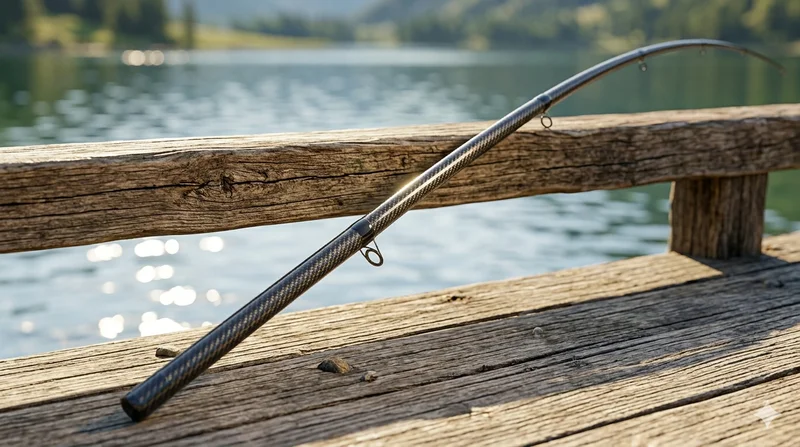
Carbon Fiber Fishing Rod Blank
High-quality carbon fiber fishing rod blank manufactured from multiple grades of Toray carbon fiber cloth. Available in a wide range of lengths, powers, and actions for freshwater and saltwater applications. Suitable for OEM rod building.
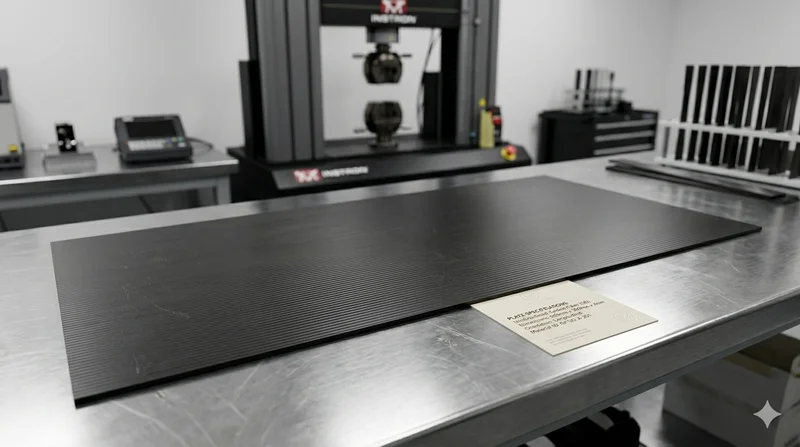
Carbon Fiber Plate — UD Unidirectional T700
Unidirectional carbon fiber plate with all fibers oriented in a single direction for maximum strength along the fiber axis. Essential for structural reinforcements, splints, and applications where load direction is predictable.
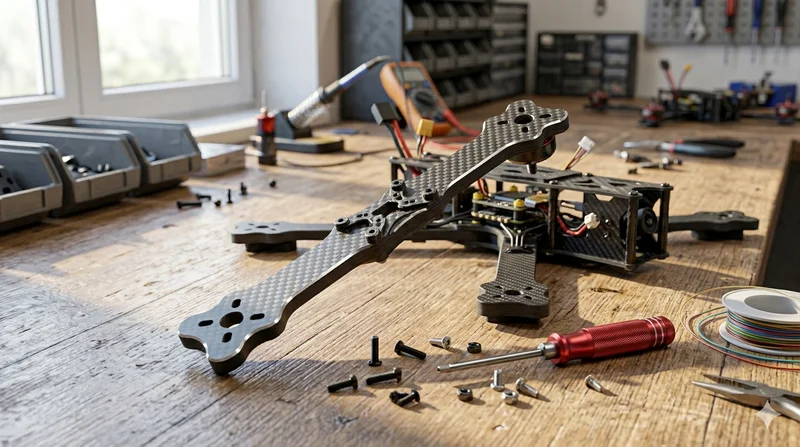
Carbon Fiber Drone Arm
Precision-molded carbon fiber drone arm combining unidirectional fiber for stiffness and woven layers for torsional strength. Designed for FPV, photography, and industrial drone platforms. Each arm is CNC-machined to exact specifications.
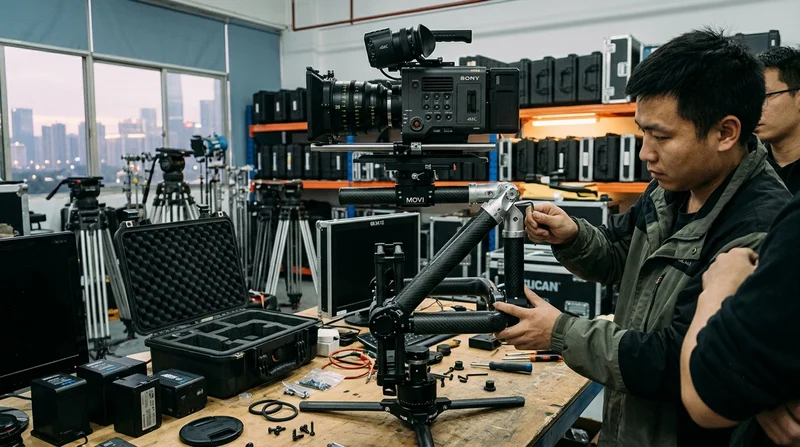
Custom Carbon Fiber Gimbal & Camera Mount
Lightweight carbon fiber gimbal arms and camera mounting components for aerial photography, film production, and broadcast applications. Our precision CNC machining ensures tight tolerances for vibration-sensitive equipment. Available in custom shapes to fit specific gimbal systems.
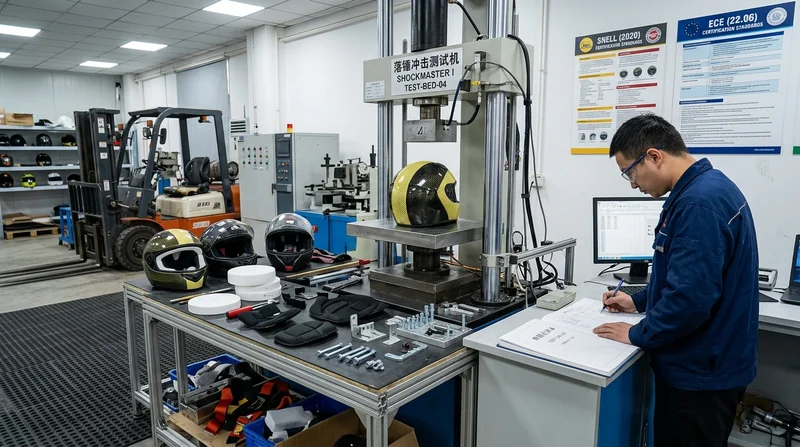
Custom Carbon Fiber Sports Protective Gear Components
High-impact carbon fiber components for protective sports gear. Our multi-layer carbon/Kevlar hybrid layups provide superior impact resistance while keeping weight minimal. Used in motorcycle helmet shells, knee brace frames, chest protectors, and shin guard inserts. EPS foam integration available for complete helmet shell manufacturing.