
Canada is one of the few advanced economies with both a large, growing wind energy market and a globally significant aerospace industry — the two sectors that together account for the majority of global carbon fiber demand. That combination should make the country a natural hub for comp
Introduction
Canada is one of the few advanced economies with both a large, growing wind energy market and a globally significant aerospace industry — the two sectors that together account for the majority of global carbon fiber demand. That combination should make the country a natural hub for composite manufacturing. In practice, Canada imports nearly all of the carbon fiber its industries consume, and its domestic composite supply chain remains thin relative to the scale of its end markets. For carbon fiber producers and composite component manufacturers, that gap represents a structural opportunity.
This article maps Canada's demand drivers across wind energy and aerospace, quantifies the supply chain gap, and identifies where localization is most likely to occur.
Canada's Wind Energy Pipeline
Canada's installed wind capacity reached approximately 15 GW by the end of 2025, and the federal target of a net-zero electricity grid by 2035 implies adding 10–20 GW of new wind capacity over the next decade. Growth is concentrated in three regions:
| Region | Driver | Character |
|---|---|---|
| Atlantic Canada | Offshore wind targets in Nova Scotia and Newfoundland | Large-scale, floating and fixed-bottom |
| Alberta and Saskatchewan | Competitive onshore auctions | Cost-driven, large rotor diameters |
| Quebec and Ontario | Provincial clean energy procurement | Onshore, with a legacy blade manufacturing base |
The Atlantic offshore segment is the most strategically significant. Nova Scotia has set a target of 5 GW of offshore wind by 2030, and the region's deep-water sites favor floating platforms — a segment that demands more carbon fiber per turbine than fixed-bottom designs because of the need for lightweight, high-stiffness spar and blade structures.
Why Wind Blades Need Carbon Fiber
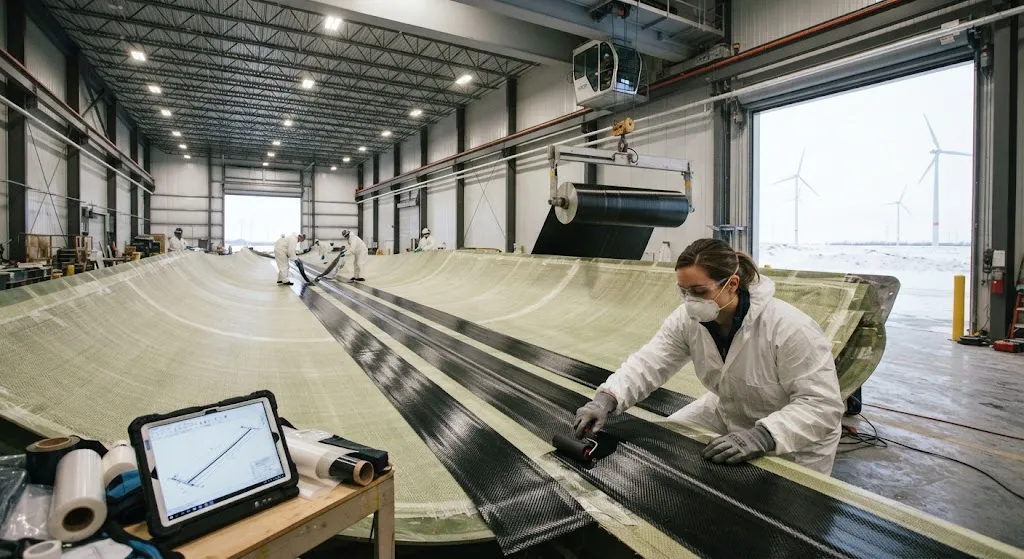
Turbine blades are the single largest application for carbon fiber composites by volume, and the trend toward longer blades is increasing carbon fiber intensity per turbine. Blades beyond roughly 70 meters require carbon fiber spar caps to achieve the stiffness needed to avoid tower strike and to keep tip deflection within limits, because glass fiber alone becomes too heavy at that scale. Floating offshore platforms compound the requirement: every kilogram removed from the rotor reduces the platform displacement and mooring load, creating a direct economic incentive for carbon fiber adoption.
Canada's planned offshore projects and its onshore fleet replacement cycle therefore translate into sustained demand for carbon fiber spar caps and, increasingly, for pultruded carbon fiber profiles that offer higher production rates than conventional prepreg layup.
Canada's Aerospace Composite Cluster
The Montreal-Quebec corridor is one of the world's largest aerospace clusters, anchored by aircraft and engine manufacturers and supported by a dense network of tier-one and tier-two suppliers. Composite structures — wings, empennages, fuselage sections, and engine nacelles — are a core competence of the region, and the cluster's engineering depth makes it a natural consumer of high-performance carbon fiber and prepreg.
Unlike wind energy, aerospace demand is quality- and certification-driven rather than volume-driven. It requires aerospace-qualified fiber and resin systems with full traceability, which limits the supplier base and commands higher margins. For carbon fiber producers already qualified in aerospace, the Canadian cluster offers stable, high-value demand.
The Supply Chain Gap
Despite its end-market scale, Canada has no meaningful domestic carbon fiber precursor or fiber production. Blade manufacturers and aerospace suppliers import fiber and prepreg from producers in Japan, the United States, and Europe. This dependency creates three vulnerabilities: long lead times, exposure to trade and logistics disruption, and limited ability to co-develop materials with domestic end users.
The gap also represents the opportunity. Localization of carbon fiber conversion — pultrusion, prepreg manufacture, and component fabrication — is more capital-efficient than building precursor plants, and it captures the value closest to the end customer. Canada's existing blade plants and aerospace suppliers provide the anchor demand that makes such localization viable.
Policy Drivers and Investment Signals
Three policy threads support carbon fiber demand in Canada: federal clean electricity regulations that mandate grid decarbonization by 2035, provincial offshore wind mandates in Atlantic Canada, and aerospace and defense industrial strategies that prioritize domestic supply chain resilience. Together they create a policy environment in which composite manufacturing investment is supported rather than merely permitted.
Frequently Asked Questions
Why is Canada considered an underserved carbon fiber market?
Canada combines a large wind energy buildout with a globally significant aerospace cluster — the two largest carbon fiber demand sectors — yet has almost no domestic carbon fiber production and imports nearly all of the fiber its industries use. The mismatch between end-market scale and supply chain depth is what makes the market underserved.
Which segment offers the largest carbon fiber volume growth?
Wind energy, specifically offshore and large-rotor onshore blades. Blades beyond roughly 70 meters require carbon fiber spar caps, and floating offshore platforms add further weight-driven demand. Wind is already the largest application for carbon fiber by volume globally, and Canada's pipeline reinforces that trend.
What is the most viable entry point for a carbon fiber supplier?
Conversion rather than primary production. Pultrusion, prepreg manufacture, and composite component fabrication are less capital-intensive than precursor or fiber plants and sit closer to the customer. Canada's existing blade plants and aerospace suppliers provide anchor demand for such localization.
Conclusion
Canada presents a rare combination for the carbon fiber industry: large, policy-backed demand in the two sectors that dominate global consumption, paired with a supply chain that is almost entirely import-dependent. The wind energy buildout, particularly Atlantic offshore, and the Montreal-Quebec aerospace cluster provide anchor demand; the absence of domestic fiber and conversion capacity defines the opportunity. For carbon fiber suppliers and composite manufacturers evaluating North American expansion, Canada's combination of end-market scale and supply chain gap makes it a market worth examining closely.
For buyers sourcing carbon fiber components for wind or aerospace applications, the key questions are material qualification, traceability, and supply chain resilience. Explore our carbon fiber products for wind energy and aerospace applications, or contact our engineering team to discuss material selection and supply for your program.
Part of topic
Related Articles
- Recycled Carbon Fiber Market Forecast 2030: Technology Maturity and Commercialization Path
- South Korea Carbon Fiber Market 2026: Hydrogen Economy and Shipbuilding Innovation
- Wind Turbine Blade Leading Edge Protection 2026: Polyurethane, Tape, and Metallic Shield Solutions
- China Carbon Fiber Overcapacity 2026: Price War Impact and Industry Consolidation
- India Carbon Fiber Market 2026: Wind Energy, Aerospace, and Defense Expansion
- PAN Precursor Market 2026: Acrylonitrile Supply and Carbon Fiber Cost Structure
Interested in Our Products?
Contact our team for competitive pricing and technical specifications.
Get a QuoteRelated Products
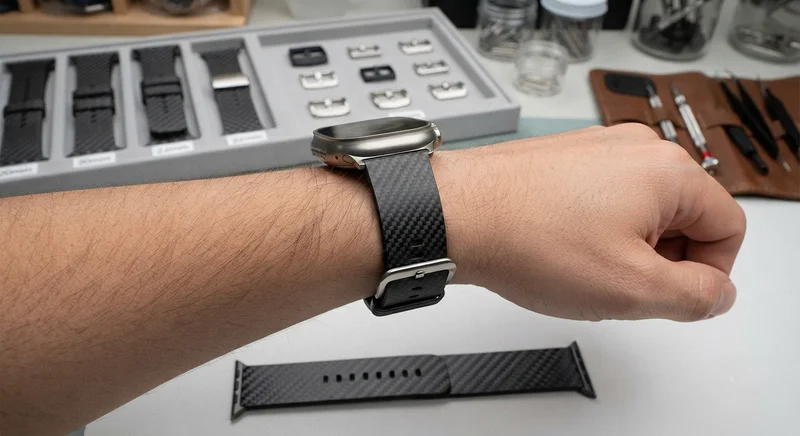
Carbon Fiber Watch Strap — 20mm/22mm Quick-Release
Premium carbon fiber watch strap with quick-release spring bars. Woven from T700 3K twill prepreg with a flexible resin system that conforms to the wrist. Available in 20mm and 22mm lug widths, compatible with Apple Watch, Samsung Galaxy Watch, Garmin, and traditional mechanical watches. Features a stainless steel buckle and carbon fiber keepers. The natural weave pattern makes each strap unique.
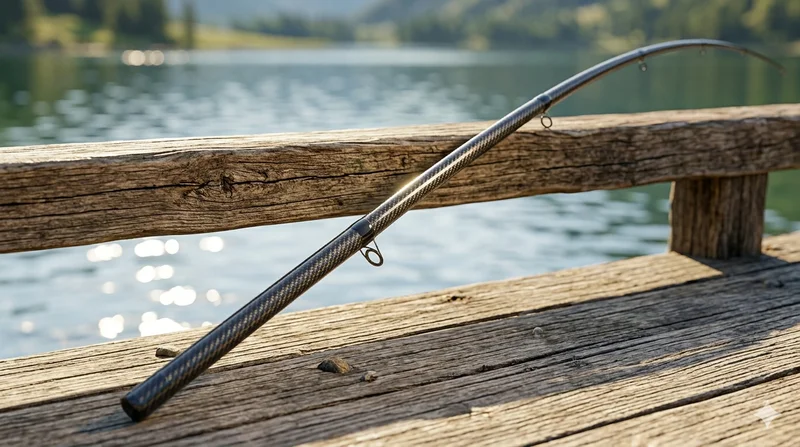
Carbon Fiber Fishing Rod Blank
High-quality carbon fiber fishing rod blank manufactured from multiple grades of Toray carbon fiber cloth. Available in a wide range of lengths, powers, and actions for freshwater and saltwater applications. Suitable for OEM rod building.

Carbon Fiber Plate — 3K Twill T700 1.5mm
Thin 1.5mm carbon fiber plate with 3K twill weave surface. Lightweight and stiff, commonly used for covers, panels, drone bodies, and applications requiring a premium aesthetic appearance.

Carbon Fiber Plate — 3K Twill T700 3.0mm
Medium-thickness 3.0mm carbon fiber plate offering significantly higher load capacity while maintaining attractive 3K twill finish. Suitable for structural brackets, reinforcement plates, and load-bearing panels.

Square Carbon Fiber Tube — 3K Twill T700
Square cross-section carbon fiber tube manufactured with 3K twill weave for torsional strength. Preferred for structural frames, trusses, and support columns where rectangular geometry offers design flexibility.