

Custom Carbon Fiber Drone Arm — Lightweight & Vibration-Damping
High-modulus carbon fiber drone arms designed for industrial, agricultural, and surveying UAVs. Replace heavy aluminum arms with our custom-molded CFRP arms — 40-60% lighter with superior vibration damping for stable flight and sharper imaging.
Key Features
Applications
Specifications
- Material
- T700 / T800 3K Carbon Fiber Prepreg
- Weight Saving
- 40-60% vs Aluminum 6061
- Process
- Compression Molding / Autoclave
- Custom Length
- 50-600 mm
- Mounting Holes
- CNC Machined per Your Drawing
Usually respond within 24 hours
Frequently Asked Questions
What is the minimum order quantity for carbon fiber products?
What color and finish options are available?
What is the typical lead time?
Related Articles

Digital Product Passport for Composites: EU DPP Data Requirements for CFRP Components
The European Union's Ecodesign for Sustainable Products Regulation (ESPR) introduces the Digital Product Passport (DPP) as a foundational tool for circular economy compliance. For carbon fiber reinforced polymer (CFRP) components, the DPP represents more than a regulatory checkbox — it
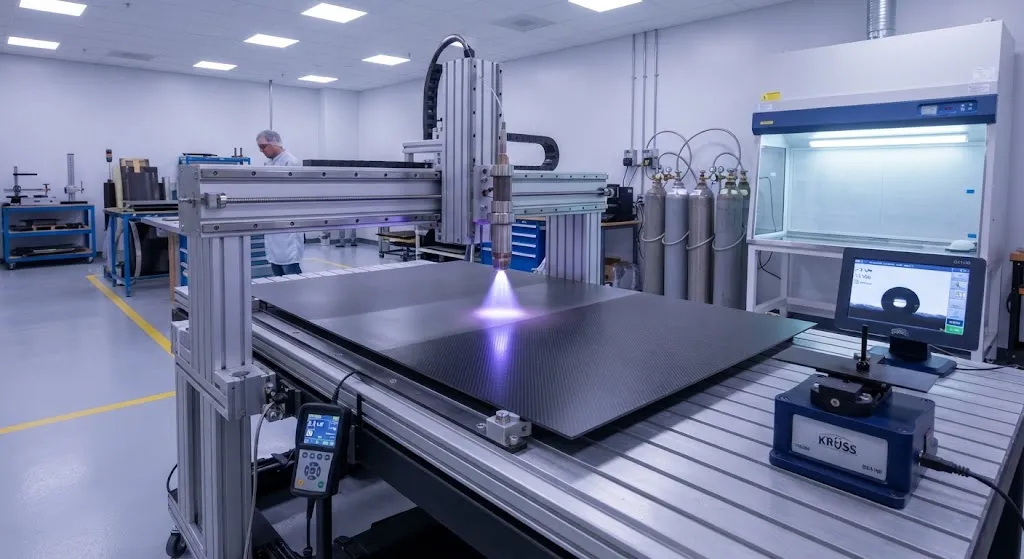
Surface Treatment Plasma Activation: Improved Bonding for CFRP Joints
Adhesive bonding of carbon fiber reinforced polymer (CFRP) joints requires reliable surface preparation to achieve consistent bond strength. Mechanical abrasion, peel ply removal, and chemical primers have served this purpose for decades, but each introduces process variability, contami

CFRP Recycling Economic Threshold: 40-50k Tons/Year for Commercial Viability
The carbon fiber recycling industry stands at a pivotal inflection point. Global CFRP waste generation is projected to reach 420,000-520,000 tons per year by 2030, up from approximately 65,000 tons in 2020, driven by end-of-life aerospace structures, automotive lightweighting programs,

CBAM Pre-Declaration Compliance Guide for CFRP Wind Blade Exporters
The European Union's Carbon Border Adjustment Mechanism (CBAM) represents one of the most significant regulatory shifts in international trade for composite materials manufacturers. With the extension to CFRP wind blade components taking effect on August 12, 2026, exporters must now pre
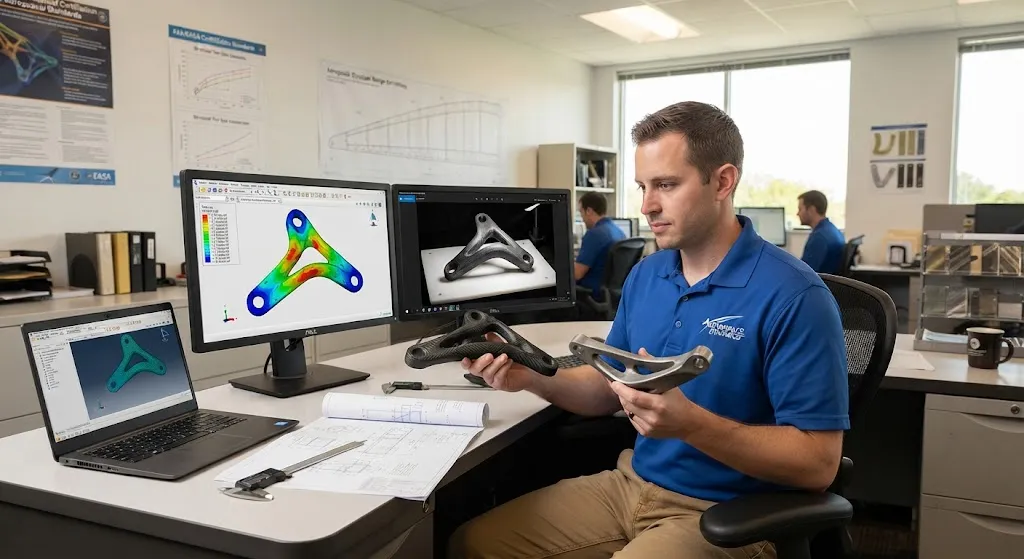
Aerospace Bracket Topology Optimization: CFRP for Weight-Critical Structures
Aerospace structural brackets represent one of the most promising applications for combining topology optimization with carbon fiber reinforced polymer (CFRP) composites. These components — wing-to-fuselage attachments, engine mount brackets, seat rail fittings, and avionics bay support
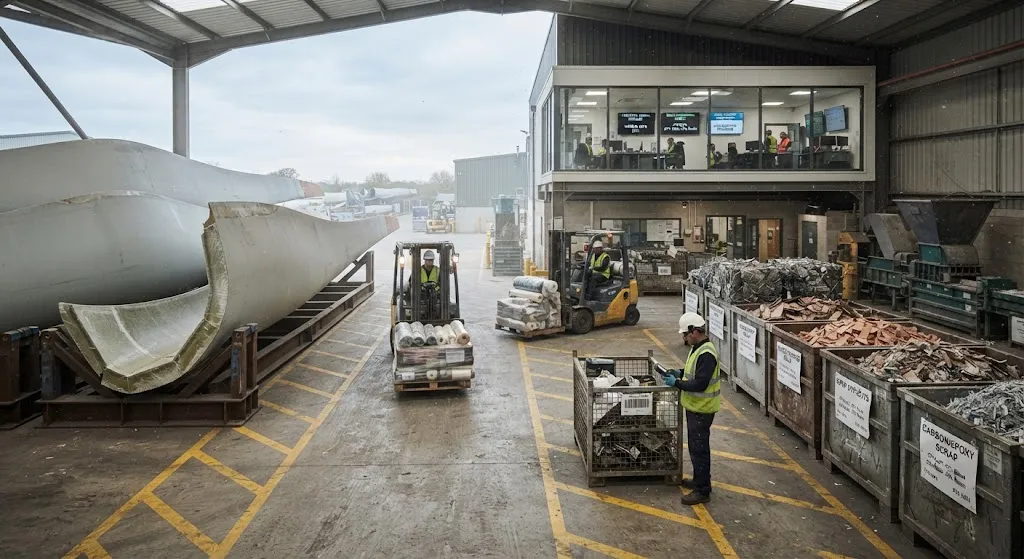
Composite Recycling Scale Economics: 40,000-50,000 Tonne Annual Throughput and Multi-Stream Waste Aggregation
Composite recycling regularly fails on the spreadsheet before it fails in the plant. Pilot facilities recycle materials successfully, demonstrate clean fiber recovery, and still lose money, because the economics of a recycling business are shaped by throughput, gate fees, and output pri