
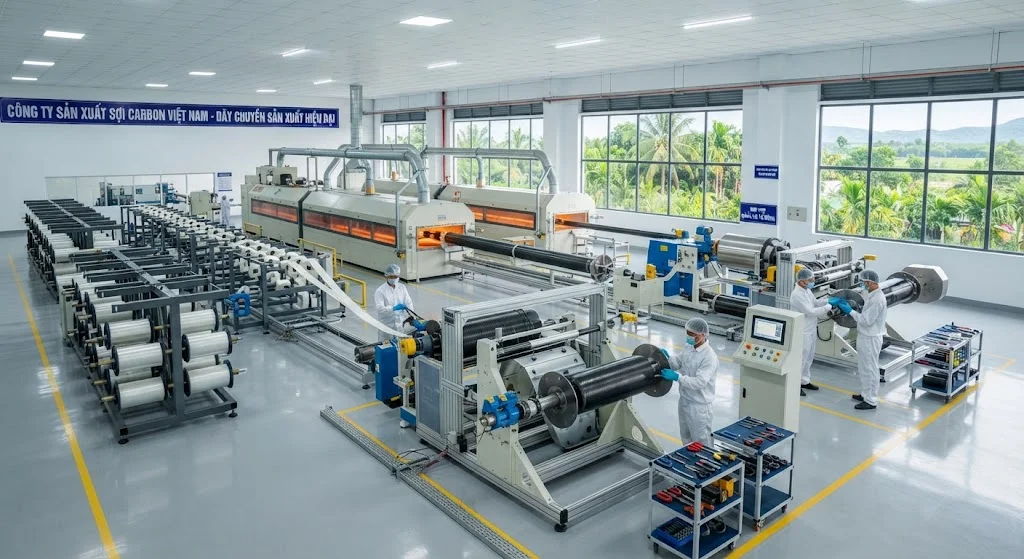
Vietnam is positioning itself as a carbon fiber manufacturing hub in Southeast Asia, leveraging competitive labor costs, government incentives, and growing demand from electronics and automotive sectors. This article examines Vietnam's carbon fiber capabilities, investments, and market positioning.
Introduction
Vietnam's carbon fiber industry has undergone rapid development over the past decade, driven by foreign direct investment, government industrial policy, and the country's strategic position in global supply chains. While still smaller than China, Japan, or the United States in production capacity, Vietnam has established itself as an emerging force in composite materials manufacturing.
The Vietnamese government's prioritization of advanced materials under its industrial development strategy has created favorable conditions for carbon fiber investment, including tax incentives, infrastructure development, and workforce training programs targeting the composites sector.
Production Capabilities
Vietnam's carbon fiber production is concentrated in several key facilities:
Pan fiber production: Multiple facilities in the northern industrial zones produce PAN precursor fiber, primarily for domestic consumption and export to Chinese and Japanese carbon fiber producers. Production capacity has grown from negligible levels in 2015 to several thousand tons annually.
Carbonization facilities: Carbon fiber carbonization plants in Ho Chi Minh City industrial zones and Binh Duong province process both domestic and imported PAN precursor. These facilities primarily produce standard and intermediate modulus fibers for industrial applications.
Composite manufacturing: A growing number of facilities produce finished composite products — carbon fiber reinforced polymer (CFRP) components for electronics enclosures, automotive parts, sporting goods, and construction reinforcement.
Investment Drivers
Several factors have attracted carbon fiber investment to Vietnam:
Cost competitiveness: Vietnamese labor costs, while rising, remain significantly lower than China, Japan, and South Korea for manufacturing operations. Combined with competitive energy costs and government incentives, this creates favorable economics for labor-intensive composite manufacturing processes.
Supply chain positioning: Vietnam's membership in free trade agreements (CPTPP, EVFTA, RCEP) provides preferential access to major markets. Carbon fiber products manufactured in Vietnam can enter European, North American, and Asian markets with reduced tariffs.
Proximity to end markets: Vietnam's electronics manufacturing sector — a major consumer of carbon fiber for device enclosures and components — provides immediate domestic demand. The automotive sector's growth, particularly in electric vehicle production, creates additional carbon fiber opportunities.
Government support: Vietnam's Ministry of Industry and Trade has identified advanced materials, including carbon fiber composites, as a priority sector for development. Investment incentives include corporate income tax reductions, land lease subsidies, and workforce training support.
Market Positioning
Vietnam's carbon fiber industry targets several market segments:
Electronics and consumer goods: Carbon fiber components for laptop enclosures, smartphone cases, camera equipment, and premium consumer products. This segment benefits from Vietnam's existing electronics manufacturing ecosystem.
Automotive: Lightweight carbon fiber components for both domestic and export automotive production, with growing interest from electric vehicle manufacturers seeking weight reduction for range improvement.
Sporting goods: Carbon fiber bicycle frames, fishing rods, and racket sports equipment manufactured for global sporting goods brands. Vietnam has established expertise in this segment through contract manufacturing relationships.
Industrial applications: Carbon fiber reinforcement for construction, wind energy, and industrial equipment. This segment is growing as domestic infrastructure development increases demand for high-performance composite materials.
Challenges and Opportunities
Vietnam's carbon fiber industry faces several challenges alongside its growth opportunities:
Technology access: Advanced carbon fiber production technologies — particularly for high-modulus and pitch-based fibers — remain concentrated in Japan, the United States, and Europe. Vietnamese producers primarily operate in the standard modulus segment, with limited access to cutting-edge production technology.
Raw material dependence: Vietnam relies on imported PAN precursor for most carbon fiber production, creating supply chain vulnerability. Development of domestic precursor production capacity is a strategic priority.
Workforce development: While Vietnam has a strong manufacturing workforce, specialized expertise in composite materials science, quality control, and process engineering requires ongoing training and development.
Quality certification: Achieving aerospace and automotive quality certifications (AS9100, IATF 16949) is essential for accessing high-value market segments. Vietnamese producers are investing in quality systems to meet these requirements.
Future Outlook
Vietnam's carbon fiber industry is projected to continue growing, driven by:
Electric vehicle demand: The global shift toward electric vehicles creates significant demand for lightweight carbon fiber components, positioning Vietnam as a competitive manufacturing location.
Regional supply chain evolution: As companies diversify manufacturing away from China, Vietnam benefits from its geographic proximity, trade agreement access, and established manufacturing infrastructure.
Technology transfer: Joint ventures and partnerships with Japanese, Korean, and European carbon fiber producers are accelerating technology transfer and capability development.
Domestic demand growth: Vietnam's own infrastructure development, automotive production growth, and consumer market expansion create increasing domestic demand for carbon fiber products.
Conclusion
Vietnam's carbon fiber manufacturing industry represents a significant growth opportunity in the global composites market. While challenges remain in technology access, raw material supply, and workforce development, the combination of competitive costs, government support, and strategic market positioning positions Vietnam as an increasingly important player in the carbon fiber value chain. Continued investment and technology development will determine Vietnam's ultimate position in the global carbon fiber industry.
Related Articles
- Recycled Carbon Fiber Market Forecast 2030: Technology Maturity and Commercialization Path
- South Korea Carbon Fiber Market 2026: Hydrogen Economy and Shipbuilding Innovation
- Wind Turbine Blade Leading Edge Protection 2026: Polyurethane, Tape, and Metallic Shield Solutions
- China Carbon Fiber Overcapacity 2026: Price War Impact and Industry Consolidation
- India Carbon Fiber Market 2026: Wind Energy, Aerospace, and Defense Expansion
- PAN Precursor Market 2026: Acrylonitrile Supply and Carbon Fiber Cost Structure
Interested in Our Products?
Contact our team for competitive pricing and technical specifications.
Get a QuoteRelated Products

Carbon Fiber Fishing Rod Blank
High-quality carbon fiber fishing rod blank manufactured from multiple grades of Toray carbon fiber cloth. Available in a wide range of lengths, powers, and actions for freshwater and saltwater applications. Suitable for OEM rod building.
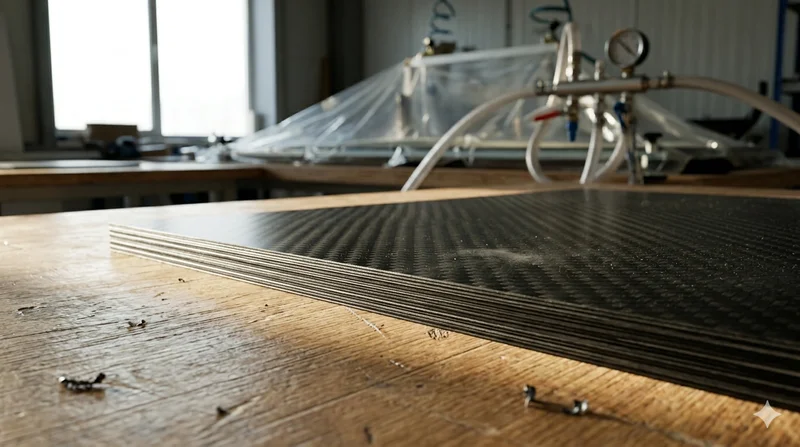
Carbon Fiber Plate — 3K Twill T700 3.0mm
Medium-thickness 3.0mm carbon fiber plate offering significantly higher load capacity while maintaining attractive 3K twill finish. Suitable for structural brackets, reinforcement plates, and load-bearing panels.
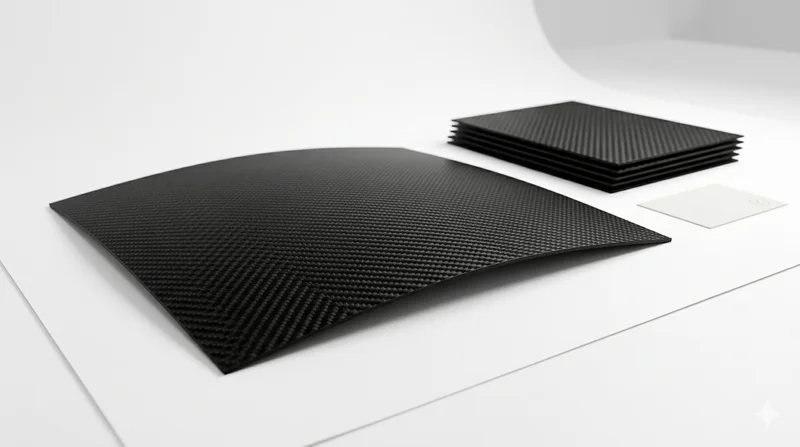
Carbon Fiber Plate — 3K Twill T700 1.5mm
Thin 1.5mm carbon fiber plate with 3K twill weave surface. Lightweight and stiff, commonly used for covers, panels, drone bodies, and applications requiring a premium aesthetic appearance.
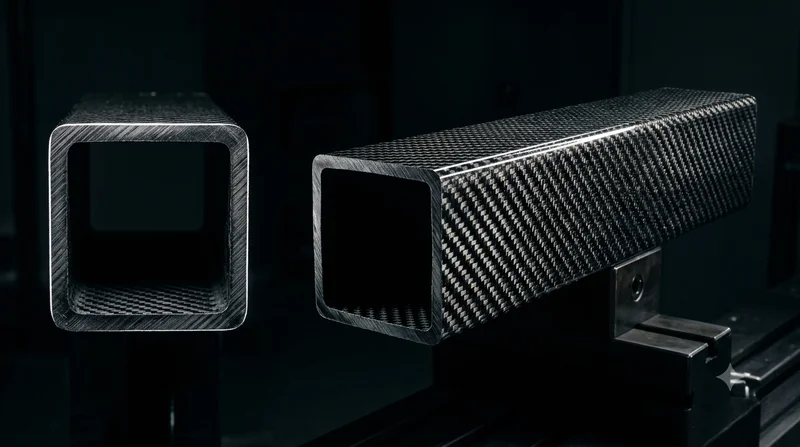
Square Carbon Fiber Tube — 3K Twill T700
Square cross-section carbon fiber tube manufactured with 3K twill weave for torsional strength. Preferred for structural frames, trusses, and support columns where rectangular geometry offers design flexibility.
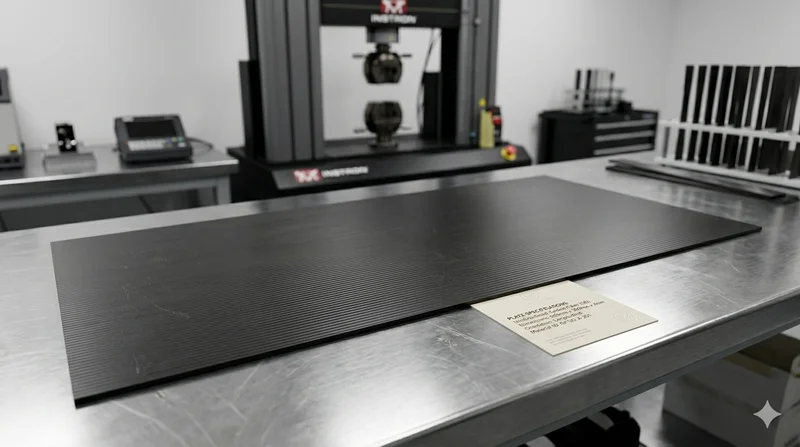
Carbon Fiber Plate — UD Unidirectional T700
Unidirectional carbon fiber plate with all fibers oriented in a single direction for maximum strength along the fiber axis. Essential for structural reinforcements, splints, and applications where load direction is predictable.