
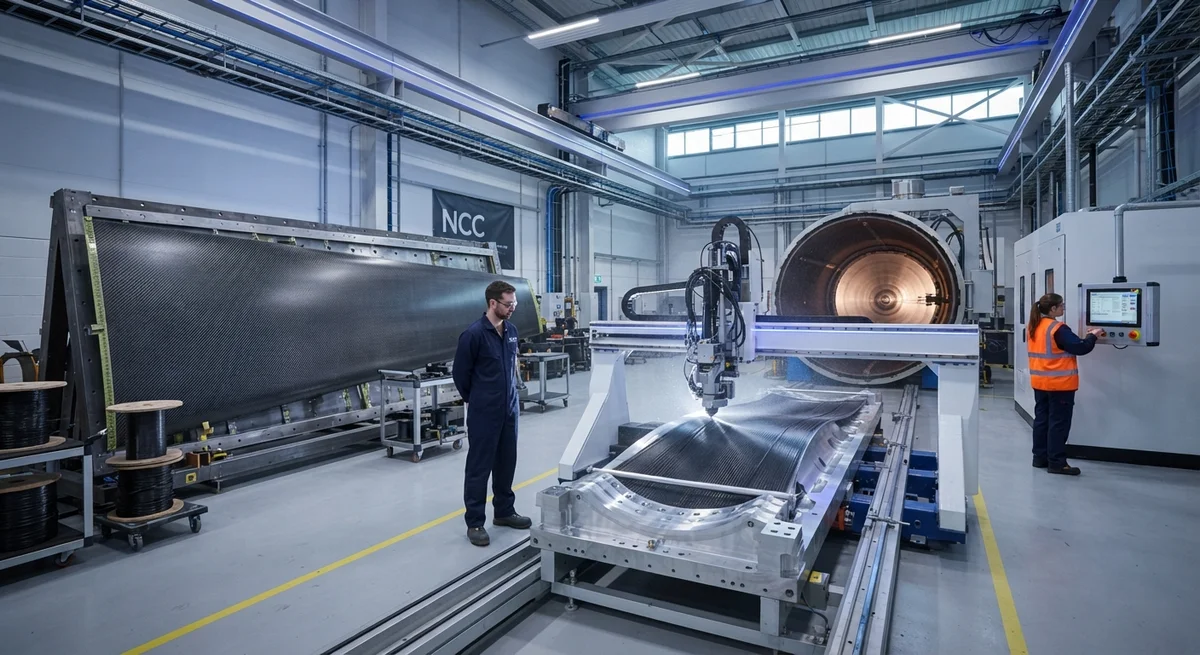
The United Kingdom carbon fiber market in 2026 occupies a distinctive position in Europe. It is not the largest consumer of carbon fiber by volume — Germany and France hold that distinction — but it is arguably the most influential in research and development terms. The UK hosts the Nat
Introduction
The United Kingdom carbon fiber market in 2026 occupies a distinctive position in Europe. It is not the largest consumer of carbon fiber by volume — Germany and France hold that distinction — but it is arguably the most influential in research and development terms. The UK hosts the National Composites Centre (NCC) near Bristol, the country's flagship facility for advanced composites research, and its aerospace sector, led by Airbus, GKN Aerospace, and Rolls-Royce, consumes a significant share of European aerospace-grade carbon fiber.
Three forces shape the 2026 outlook for the United Kingdom carbon fiber market. First, aerospace R&D continues to pull demand through next-generation wing and engine programmes. Second, defense procurement, including the GCAP Tempest sixth-generation fighter programme and Royal Air Force platform upgrades, adds a stable, sovereign demand channel. Third, the UK's legally binding net-zero target by 2050 is forcing manufacturers to account for embodied carbon, favor low-energy processes, and adopt recycled carbon fiber at scale. This article examines each force and what they mean for suppliers entering or expanding in the UK market.
Market Size and Demand Structure
Estimates of the UK carbon fiber demand sit between 4,000 and 5,000 tonnes per year in 2026, with aerospace accounting for the dominant share. The table below summarizes the demand structure and growth outlook across the principal end-use segments:
| Segment | 2026 Demand Share | Growth Outlook | Primary Drivers |
|---|---|---|---|
| Aerospace | 55-60% | 4-6% per year | Next-gen wings, engine composites, repair programs |
| Defense | 15-20% | 6-8% per year | GCAP Tempest, Typhoon upgrades, UAV structures |
| Automotive & Motorsport | 8-10% | 5-7% per year | Premium sports cars, F1, EV structural parts |
| Energy & Hydrogen | 5-8% | 10-15% per year | Type IV hydrogen tanks, wind blade components |
| Industrial & Other | 8-12% | 3-5% per year | Medical, marine, construction rehabilitation |
Two structural features distinguish the UK market from its continental neighbors. The first is a strong R&D-to-production pipeline: research programs at the NCC and academic centers transfer directly into industrial adoption through the High Value Manufacturing Catapult network. The second is the concentration of demand in a small number of large aerospace primes, which means supplier qualification cycles are demanding but contract volumes are significant once approved.
Aerospace R&D: The National Composites Centre and Its Ecosystem
The National Composites Centre is the anchor of the United Kingdom carbon fiber market's R&D capability. Located at the Bristol & Bath Science Park, the NCC operates industrial-scale facilities for automated fiber placement, resin transfer molding, out-of-autoclave processing, and additive manufacturing with continuous fiber. Its membership model connects over 1,000 organizations — from global primes to small and medium enterprises — to shared equipment and expertise that would be uneconomical for any single company to own.
Beyond the NCC, the UK's aerospace ecosystem drives substantial carbon fiber consumption:
- Airbus wing manufacturing: The A320 family wings and the A350 wing components produced at Airbus Broughton and Filton use significant quantities of carbon fiber prepreg and dry fiber, supporting the UK's position as a global wing center of excellence.
- GKN Aerospace: With major sites in Bristol and the Isle of Wight, GKN manufactures composite wing components, engine structures, and nacelle systems, consuming aerospace-grade carbon fiber across multiple programmes.
- Rolls-Royce engine programmes: Composite fan blades and fan cases for widebody engines, developed and produced in the UK, represent some of the highest-performance carbon fiber applications in production today.
- Boeing and Airbus repair networks: The UK hosts major composite repair facilities serving global fleets, creating steady demand for repair-grade prepreg and consumables.
Defense Procurement: GCAP Tempest and Sovereign Capability
Defense procurement is the fastest-growing channel in the United Kingdom carbon fiber market. The Global Combat Air Programme (GCAP), a joint UK-Italy-Japan initiative formerly known as Tempest in the UK, is scheduled to deliver a sixth-generation fighter in the mid-2030s. The aircraft's airframe will rely heavily on carbon fiber composite structures, including low-observable skins, integrated structural health monitoring, and advanced wing designs that push current material capability.
The UK defense budget for 2026 stands at approximately £60-65 billion, with a commitment to increase defense spending to 2.5% of GDP. Key demand drivers in the defense segment include:
- GCAP Tempest development: The concept and technology maturation phase generates ongoing demand for high-modulus carbon fiber and specialized prepreg systems for demonstrator airframes.
- Typhoon and F-35 sustainment: In-service fighter fleets require continuous supply of spares, repairs, and upgrade kits manufactured from carbon fiber, with sovereign UK capability prioritized.
- UAV and future combat air: Uncrewed combat aerial vehicles under UK development rely on composite airframes that balance stealth, weight, and structural performance.
For suppliers, the defense channel offers stable, sovereign-secured demand with qualification requirements that align with UK Ministry of Defence and NATO standards. The main consideration is export control compliance: carbon fiber prepreg and tow with certain modulus and tensile properties fall under dual-use export regulations, so suppliers must maintain robust compliance documentation for UK defense customers.
Net-Zero Manufacturing and Recycled Carbon Fiber
Net-zero manufacturing is reshaping the United Kingdom carbon fiber market in ways that go beyond compliance. The UK's legally binding target of net-zero greenhouse gas emissions by 2050, combined with corporate Scope 3 reporting obligations, is pushing aerospace and defense primes to demand lower-carbon materials and processes from their suppliers.
Three net-zero trends are most relevant for carbon fiber suppliers:
- Recycled carbon fiber adoption: UK-based recyclers such as ELG Carbon Fibre (now part of Gen 2 Carbon) process manufacturing offcuts and end-of-life components into recycled carbon fiber for non-critical and semi-structural applications, creating a growing second market that complements virgin material supply.
- Low-energy manufacturing processes: Out-of-autoclave and liquid molding technologies that reduce energy-intensive cure cycles are favored in UK R&D programs, influencing the prepreg and resin systems suppliers must offer.
- Green hydrogen infrastructure: The UK's hydrogen strategy, targeting 10 GW of low-carbon hydrogen production by 2030, drives demand for Type IV composite pressure vessels for storage and transport, a fast-growing carbon fiber application.
Supply Chain Opportunities for Carbon Fiber Suppliers
For companies supplying carbon fiber into the UK, the market presents both opportunities and qualification barriers. The opportunity lies in the breadth of demand: aerospace, defense, motorsport, hydrogen storage, and medical applications all consume carbon fiber, providing diversification for suppliers who can serve multiple segments. The barrier is qualification: UK aerospace and defense customers require material qualification against international specifications, robust quality systems, and supply chain security that withstands geopolitical disruption.
Practical entry points include supplying standard modulus (24K and 12K) tow and fabric for industrial and motorsport applications, which have shorter qualification cycles, while concurrently pursuing aerospace-grade prepreg and high-modulus material qualification for the longer-term defense and aerospace opportunities.
Frequently Asked Questions
How large is the United Kingdom carbon fiber market in 2026?
Industry estimates place UK carbon fiber demand at roughly 4,000-5,000 tonnes per year in 2026, with aerospace representing 55-60% of consumption. The market is smaller in volume than Germany's or France's but is distinguished by its R&D intensity and the concentration of aerospace demand in a few major primes.
What role does the National Composites Centre play in the UK carbon fiber market?
The National Composites Centre is the UK's flagship advanced composites research facility, providing industrial-scale R&D infrastructure, training, and technology demonstration to a network of over 1,000 organizations. It accelerates the transfer of composite technology from research to production, making it a key reference point for suppliers seeking UK aerospace and defense qualification.
How does the GCAP Tempest programme affect carbon fiber demand in the UK?
The Global Combat Air Programme, delivering a sixth-generation fighter in the mid-2030s, creates sustained demand for high-performance carbon fiber for airframe structures, low-observable skins, and structural health monitoring systems. Combined with Typhoon and F-35 sustainment, defense procurement is the fastest-growing channel in the UK carbon fiber market, with growth of 6-8% per year expected through 2030.
What are the key considerations for exporting carbon fiber to the UK?
Suppliers must consider dual-use export control classification of high-modulus and high-tensile carbon fiber, UK and EU customs documentation, aerospace-grade material qualification against international specifications, and supply chain security requirements from defense customers. Working with a qualified partner who understands UK certification pathways can substantially shorten market entry timelines.
Conclusion
The United Kingdom carbon fiber market in 2026 offers a compelling combination of scale, innovation, and policy tailwinds. Aerospace demand anchored by Airbus, GKN Aerospace, and Rolls-Royce provides volume; the National Composites Centre provides world-class R&D infrastructure; defense procurement through GCAP Tempest and platform sustainment provides sovereign, long-cycle demand; and net-zero commitments are accelerating recycled fiber and hydrogen applications. For suppliers with the capability to navigate UK qualification requirements, the market rewards long-term commitment with stable, high-value contracts.
YongXian supplies carbon fiber fabrics, prepregs, and reinforcement materials to aerospace, defense, and industrial customers worldwide. Explore our carbon fiber product range or contact our team to discuss material specifications and qualification support for UK market entry.
Part of topic
Related Articles
- Recycled Carbon Fiber Market Forecast 2030: Technology Maturity and Commercialization Path
- South Korea Carbon Fiber Market 2026: Hydrogen Economy and Shipbuilding Innovation
- Wind Turbine Blade Leading Edge Protection 2026: Polyurethane, Tape, and Metallic Shield Solutions
- China Carbon Fiber Overcapacity 2026: Price War Impact and Industry Consolidation
- India Carbon Fiber Market 2026: Wind Energy, Aerospace, and Defense Expansion
- PAN Precursor Market 2026: Acrylonitrile Supply and Carbon Fiber Cost Structure
Interested in Our Products?
Contact our team for competitive pricing and technical specifications.
Get a QuoteRelated Products
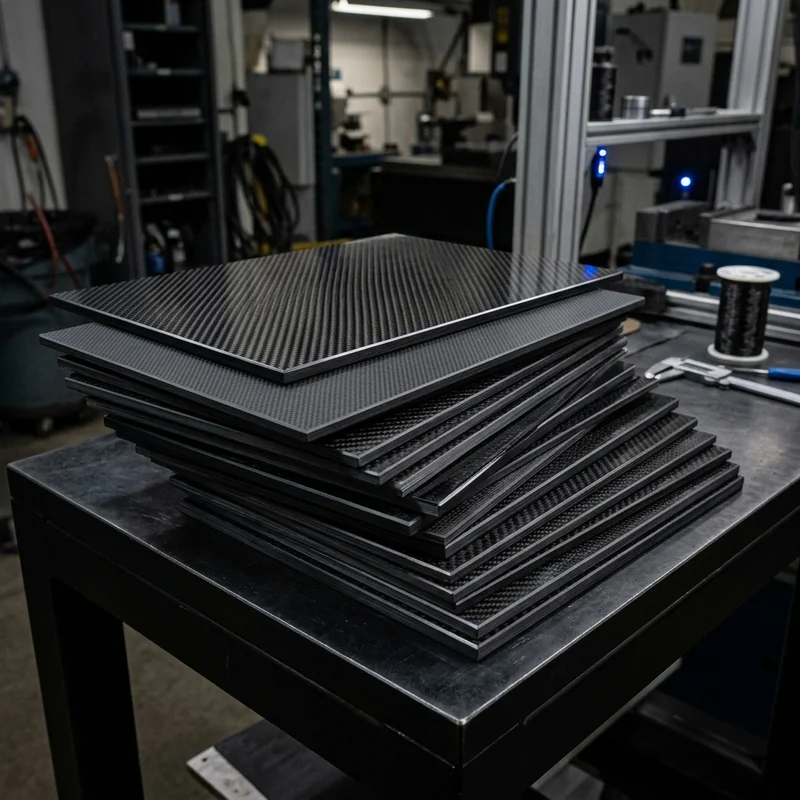
Carbon fiber standard plate-3k stripe
Lightweight, ultra-rigid standard sheets for drone fuselages, robot housings, facades and structural applications.
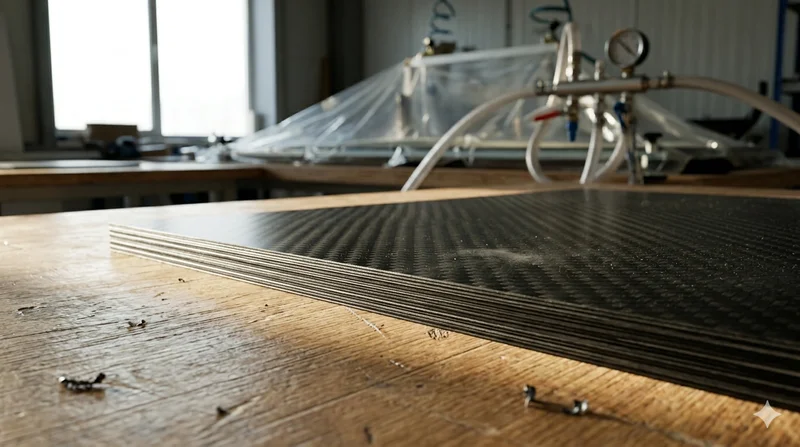
Carbon Fiber Plate — 3K Twill T700 3.0mm
Medium-thickness 3.0mm carbon fiber plate offering significantly higher load capacity while maintaining attractive 3K twill finish. Suitable for structural brackets, reinforcement plates, and load-bearing panels.

Carbon Fiber Plate — 3K Twill T700 1.5mm
Thin 1.5mm carbon fiber plate with 3K twill weave surface. Lightweight and stiff, commonly used for covers, panels, drone bodies, and applications requiring a premium aesthetic appearance.
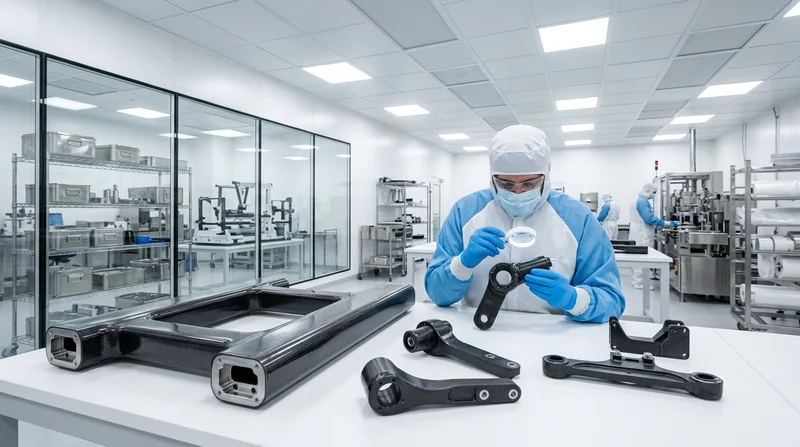
Custom Carbon Fiber Medical Device Components
Medical-grade carbon fiber components manufactured for imaging equipment, surgical instruments, and patient support systems. Carbon fiber's radiolucency (X-ray transparency) and high strength-to-weight ratio make it ideal for CT scanner beds, wheelchair frames, surgical robot arms, and MRI-compatible accessories. Biocompatible resin systems available.
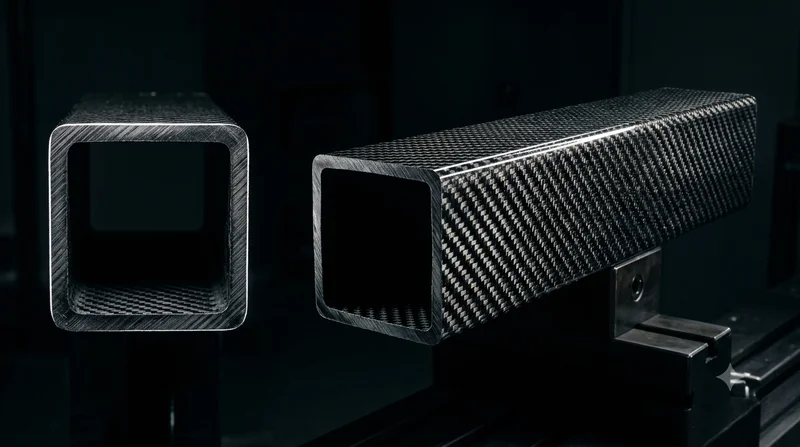
Square Carbon Fiber Tube — 3K Twill T700
Square cross-section carbon fiber tube manufactured with 3K twill weave for torsional strength. Preferred for structural frames, trusses, and support columns where rectangular geometry offers design flexibility.