
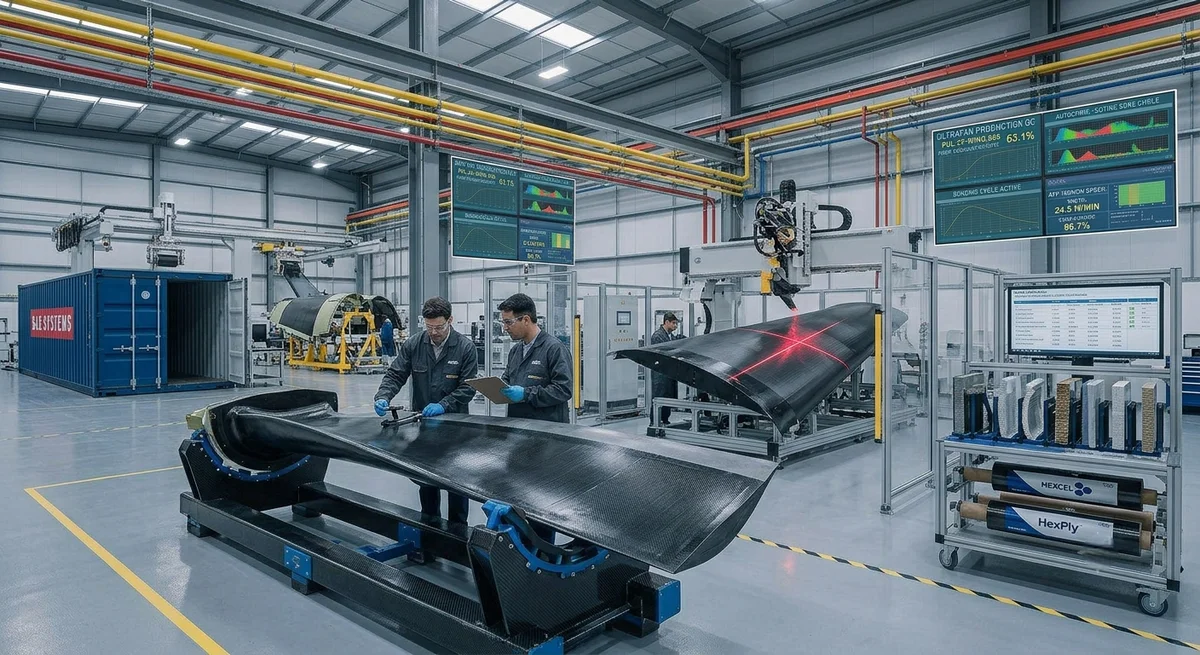
An in-depth analysis of the UK carbon fiber aerospace supply chain ecosystem, covering key OEM requirements, tier-1 supplier capabilities, material specifications, certification pathways, and strategic opportunities for international B2B suppliers seeking to enter the UK aerospace market.
UK Carbon Fiber Aerospace Supply Chain: Strategic Landscape and B2B Opportunities
The United Kingdom maintains one of the world's largest and most technically sophisticated aerospace manufacturing ecosystems. With an annual turnover exceeding £36 billion and a supply chain spanning over 2,200 companies, the UK aerospace sector is both a major consumer of carbon fiber composite materials and a global leader in advanced composite manufacturing technology. For B2B suppliers of carbon fiber materials — whether raw fiber, prepreg, or semi-finished components — understanding the structure, requirements, and strategic priorities of the UK aerospace supply chain is essential to identifying and capturing market opportunities.
This analysis examines the UK carbon fiber aerospace supply chain through the lens of its three most influential end-customers — Rolls-Royce, BAE Systems, and GKN Aerospace — and provides actionable guidance for suppliers aiming to enter or expand within this critical market.
Market Overview: UK Aerospace Composites Demand
According to the ADS Group's 2026 aerospace outlook, UK-based manufacturers consumed approximately 8,400 tonnes of carbon fiber in 2025, with aerospace applications accounting for 62% of total volume. Growth is projected at 6.8% CAGR through 2030, driven by the Airbus A350 production ramp-up (wings manufactured in Broughton, North Wales), Rolls-Royce UltraFan® engine programme, next-generation fighter aircraft (Tempest/GCAP), and increasing composite content in business jet and helicopter platforms.
The UK government's Aerospace Technology Institute (ATI) has allocated £685 million in co-investment funding for composite manufacturing research and facility upgrades through 2030, with specific programmes targeting automated fibre placement, large-scale out-of-autoclave processing, and recyclable thermoset composite systems. This public funding creates a favourable environment for advanced material suppliers to co-develop and co-fund qualification programmes with UK primes.
| OEM / Tier-1 | Annual CF Consumption (est. tonnes) | Primary Platforms | Key Material Requirements | Certification Standard(s) | Supply Chain Entry Point |
|---|---|---|---|---|---|
| Rolls-Royce | 1,800–2,200 | UltraFan®, Trent 1000/7000, Pearl | IM prepregs, 3D woven preforms, ceramic matrix composites | RRMS200, RRMS400 | Material qualification through RR supply chain |
| BAE Systems | 1,200–1,600 | Tempest/GCAP, Typhoon, F-35 (aft fuselage) | Bismaleimide (BMI) prepregs, IM/HM carbon, titanium hybrid laminates | AMS 3891, BAE C-MAT-001 | Direct tier-1 or sub-tier through GKN/Fokker |
| GKN Aerospace | 2,400–2,800 | A350 wings, A320neo flaps, Boeing 777X empennage | High-rate AFP prepregs, dry fabric for resin infusion, film adhesives | Airbus ABP 2-5511, Boeing BMS 8-401 | Direct tier-1 supplier to GKN |
| Spirit AeroSystems (Belfast) | 800–1,100 | A220 wings, A320 nacelles | Standard modulus prepreg, aluminium honeycomb, film adhesive | Airbus ABP 2-5500, OEM-specific | Sub-tier through Spirit procurement |
| Leonardo (Yeovil) | 300–500 | AW149, AW159, AW609 | Standard and IM prepregs, nomex honeycomb | Leonardo MAT-100 series | Direct or through composite part suppliers |
Rolls-Royce: Engine-Grade Material Requirements
Rolls-Royce operates a unique material qualification and supply management model within the UK aerospace landscape. As an engine OEM, its carbon fiber requirements are dominated by fan blades, fan casings, and structural guide vanes — components that demand extreme temperature resistance, fatigue performance, and impact tolerance. The Rolls-Royce material specification system, RRMS200 (prepregs) and RRMS400 (dry fibre), sets qualification requirements that are among the most stringent in aerospace. Materials must demonstrate 25,000+ hours of engine-representative testing, including thermal cycling between −55°C and +200°C, high-cycle fatigue (10⁷ cycles), and bird-strike/hail-strike impact validation.
The UltraFan® engine programme, now entering final certification testing, represents the single largest opportunity for new material suppliers in the UK engine market. UltraFan's composite fan blade system, manufactured at Rolls-Royce's Bristol facility, uses a proprietary 3D woven carbon fibre preform infiltrated with a toughened epoxy resin system. Rolls-Royce has publicly stated its goal of reducing UltraFan production costs by 30% through supply chain competition and new material sourcing — an explicit invitation for qualified B2B material suppliers to present alternative materials that meet the existing specification or offer a cost-performance improvement.
Key opportunities for carbon fiber suppliers targeting Rolls-Royce include:
- High-modulus PAN-based fiber (350–400 GPa) with improved strain-to-failure (>0.8%) for fan blade applications, potentially displacing incumbent IM7 and T800-class fibers.
- Low-cost intermediate modulus fiber (280–310 GPa) for fan casing and guide vane applications, targeting a 15–20% cost reduction versus current Japanese-sourced equivalents.
- Surface-treated fibers with enhanced interfacial shear strength (IFSS > 100 MPa) for improved matrix-dominated properties in 3D woven preforms.
- Prepreg systems offering reduced cure cycles (< 120 minutes at 180°C) while maintaining RRMS200 compliance, enabling higher throughput in autoclave and OOA operations.
BAE Systems: Defence-Grade Composite Supply
BAE Systems, the UK's largest defence contractor, presents a different supply chain model. As the lead contractor for the Global Combat Air Programme (GCAP / Tempest) and a major tier-1 supplier for the F-35 Joint Strike Fighter (aft fuselage section), BAE requires composites that meet demanding military specifications — including ballistic tolerance, lightning strike protection, and extended temperature range (−60°C to +230°C for supersonic flight surfaces).
BAE's material qualification process, governed by internal standard BAE C-MAT-001, typically requires 18–36 months for full qualification and is structured around a risk-sharing partnership model rather than a traditional customer-supplier relationship. BAE expects suppliers to invest in dedicated production capacity, maintain AS9100D-certified facilities, and participate in continuous improvement programmes with annual cost-down targets of 3–5%.
The Tempest/GCAP programme — projected to require 4,500–5,500 tonnes of carbon fiber over its production life (2035–2070) — is the defining opportunity in the UK defence composite supply chain. BAE has indicated that 75% of GCAP's composite material spend will be allocated to suppliers who can demonstrate UK-based manufacturing, reflecting the programme's sovereign capability requirements. This creates a strong incentive for international suppliers to establish or partner with UK-based production facilities.
GKN Aerospace: High-Rate Civil Aerospace Manufacturing
GKN Aerospace's UK operations (Bristol, Cowes, Luton) are the country's largest carbon fiber consumer by volume. As the sole-source wing structure provider for the Airbus A350 (wings manufactured at the £400 million Airbus Broughton facility, with GKN as the key tier-1 partner for wing components), GKN operates at a different scale and cost structure than the defence or engine segments. GKN's material consumption in the UK is estimated at 2,400–2,800 tonnes of carbon fiber annually, with the vast majority being intermediate modulus (IM) prepreg supplied in both unidirectional tape and fabric formats.
GKN's procurement model emphasises supply chain consolidation and long-term framework agreements. The company annually publishes its Preferred Materials List (PML), which currently includes prepreg systems from Hexcel (HexPly® M91, M56, M77), Solvay (CYCOM® 977-2, 5320), and Toray (T800/3900-series). Qualification of a new prepreg system for GKN's A350 work packages requires compliance with Airbus ABP 2-5511, a specification that typically demands 12–18 months and $500,000–$1,000,000 in testing costs.
Key opportunities in the GKN supply chain include:
- High-rate-capable materials: GKN's Bristol facility operates automated fibre placement (AFP) cells running 7 days/week, 22 hours/day. Materials must demonstrate reliability at AFP speeds exceeding 60 metres/minute with ≤1 tow break per 100 km of laydown. Suppliers offering prepreg with improved tack consistency and reduced drag at high fibre placement speeds can capture significant volume.
- Out-of-autoclave (OOA) prepregs for wing structures: GKN has invested £25 million in OOA processing capability at its Cowes facility and is actively qualifying OOA materials for secondary wing structure applications. Suppliers with OOA prepreg systems meeting ABP 2-5511-equivalent mechanical properties can enter the supply chain at lower qualification cost than conventional autoclave systems.
- Dry carbon fiber fabrics for resin infusion: The A350 wing skin is manufactured using resin transfer infusion (RTI) with dry non-crimp fabric (NCF) — GKN consumes over 500 tonnes per year of NCF for this single application. Suppliers of consistent, low-void-content NCF with optimised areal weight tolerance (±2%) are actively sought.
Certification Pathways and Strategic Entry Points
For international B2B carbon fiber suppliers, entering the UK aerospace supply chain requires a structured approach:
- Step 1 — Capability Assessment: Audit your material's performance against the relevant prime specification (RRMS200, BAE C-MAT-001, or Airbus ABP 2-5511). Gap analysis typically costs $30,000–$60,000 and identifies the specific tests required for full qualification.
- Step 2 — Supply Chain Positioning: Determine whether to approach primes directly, partner with an existing tier-1 (GKN, Spirit, Collins Aerospace), or serve the sub-tier market of composite part fabricators (Meggitt, Senior Aerospace, Hampson Industries). Each path has different time-to-revenue and investment requirements.
- Step 3 — Material Qualification: Full material qualification costs $300,000–$1,500,000 and takes 12–36 months depending on the application criticality and the prime's existing familiarity with your material family. Platform-level qualification for primary structures (wing, fuselage, engine fan case) is at the high end; sub-tier qualification for non-structural brackets and interior panels can be achieved in 6–9 months at lower cost.
- Step 4 — Production Readiness: UK primes require evidence of production capability, including statistical process control (SPC) data, capacity demonstration (typically 1.5× the projected annual demand), and AS9100D revision D accreditation. Many primes now also require ISO 14001 (environmental) and ISO 45001 (health & safety) certification as a condition of doing business.
Frequently Asked Questions for B2B Suppliers
Q: What is the minimum order quantity typically required by UK aerospace primes?
A: Minimum order quantities vary significantly by material type and application criticality. For prepreg systems supplying wing and fuselage primary structures (e.g., A350), GKN and Airbus typically require annual agreements of 50,000–150,000 m² minimum take-or-pay. For engine-grade materials supplied to Rolls-Royce, minimum volumes are typically 20,000–50,000 m² per annum for qualified suppliers. At the sub-tier level (non-structural components, interior panels, brackets), minimum orders are substantially lower — typically 2,000–10,000 m² per annum or the equivalent in dry fibre (1,000–5,000 kg). New entrants should target the sub-tier market initially, building a certification and production track record before pursuing primary-structure qualification.
Q: How does the UK's departure from the EU affect carbon fiber material import tariffs and customs?
A: Under the UK-EU Trade and Cooperation Agreement (TCA), carbon fiber materials classified under HS heading 6815 (carbon fibers and articles thereof) are duty-free for UK-EU trade provided they meet the rule of origin (generally, manufacturing transformation within the UK or EU). For imports from non-EU countries — including the USA, Japan, and China — the UK's Most Favored Nation (MFN) tariff rate for carbon fiber is 5.5% ad valorem (previously 0% under EU membership). However, the UK has a Temporary Tariff Suspension Scheme that can reduce this to 0% for materials not produced in sufficient quantities within the UK. As of 2026, standard modulus prepregs and intermediate modulus fibers under 24K tow qualify for this suspension. The UK government also operates a Customs Declarations waiver for materials moving between UK and EU AS9100D-certified facilities under the 'Authorised Economic Operator' (AEO) mutual recognition agreement. Suppliers shipping bulk carbon fiber to UK customers should factor in the 5.5% tariff or apply for tariff suspension, which takes 3–4 months to process through HM Revenue & Customs.
Q: Are UK primes open to sourcing carbon fiber from Chinese manufacturers?
A: The answer differs by segment. In the commercial aerospace segment (GKN, Airbus UK, Spirit Belfast), primes are pragmatic about cost. Chinese-manufactured standard modulus fiber (200–240 GPa) and recycled fiber have been successfully qualified for non-structural applications — interior panel core fillers, floor panel stiffeners, and cargo bay linings — where price is the primary differentiator. Weihai Guangwei Composites and Zhongfu Shenying Carbon Fiber have both supplied trial quantities to UK tier-2 and tier-3 manufacturers. For defence aerospace (BAE Systems, Leonardo), considerations of sovereign supply security and ITAR/export control compliance limit Chinese fiber qualification to non-critical applications with customer-approved security controls. For engine-grade materials (Rolls-Royce), qualification requirements are so stringent that geographic origin is secondary to demonstrated material performance; however, Rolls-Royce requires full visibility of the raw material supply chain, including PAN precursor sourcing, carbonization furnace parameters, and surface treatment chemistry. A Chinese supplier willing to provide this level of transparency and invest in AS9100D/NADCAP accreditation can compete for non-critical engine components. The key recommendation for any non-traditional supplier is to start with sub-tier non-structural applications, build a UK-based stockholding and technical support presence, and progressively qualify for higher-criticality applications.
Part of topic
Related Articles
- Recycled Carbon Fiber Market Forecast 2030: Technology Maturity and Commercialization Path
- South Korea Carbon Fiber Market 2026: Hydrogen Economy and Shipbuilding Innovation
- Wind Turbine Blade Leading Edge Protection 2026: Polyurethane, Tape, and Metallic Shield Solutions
- China Carbon Fiber Overcapacity 2026: Price War Impact and Industry Consolidation
- India Carbon Fiber Market 2026: Wind Energy, Aerospace, and Defense Expansion
- PAN Precursor Market 2026: Acrylonitrile Supply and Carbon Fiber Cost Structure
Interested in Our Products?
Contact our team for competitive pricing and technical specifications.
Get a QuoteRelated Products
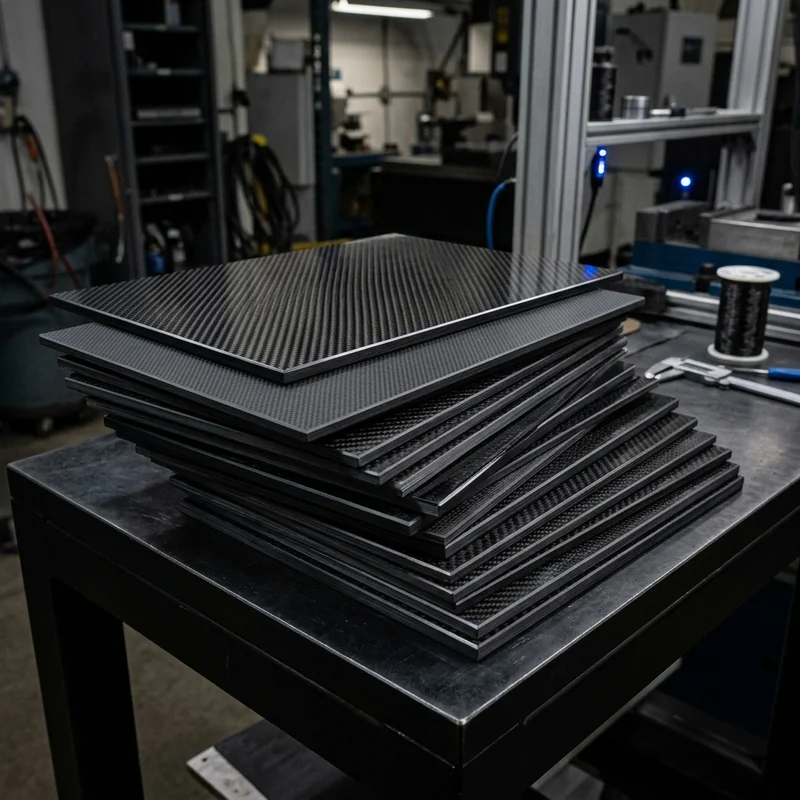
Carbon fiber standard plate-3k stripe
Lightweight, ultra-rigid standard sheets for drone fuselages, robot housings, facades and structural applications.

Carbon Fiber Plate — 3K Twill T700 1.5mm
Thin 1.5mm carbon fiber plate with 3K twill weave surface. Lightweight and stiff, commonly used for covers, panels, drone bodies, and applications requiring a premium aesthetic appearance.

Square Carbon Fiber Tube — 3K Twill T700
Square cross-section carbon fiber tube manufactured with 3K twill weave for torsional strength. Preferred for structural frames, trusses, and support columns where rectangular geometry offers design flexibility.

Carbon Fiber Plate — 3K Twill T700 3.0mm
Medium-thickness 3.0mm carbon fiber plate offering significantly higher load capacity while maintaining attractive 3K twill finish. Suitable for structural brackets, reinforcement plates, and load-bearing panels.
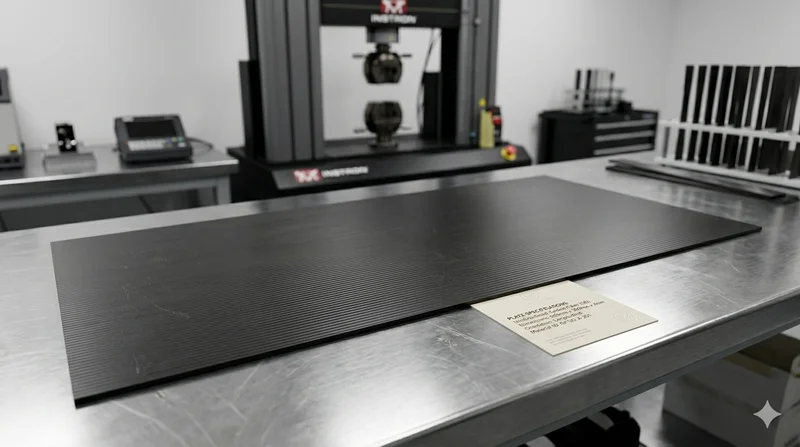
Carbon Fiber Plate — UD Unidirectional T700
Unidirectional carbon fiber plate with all fibers oriented in a single direction for maximum strength along the fiber axis. Essential for structural reinforcements, splints, and applications where load direction is predictable.