
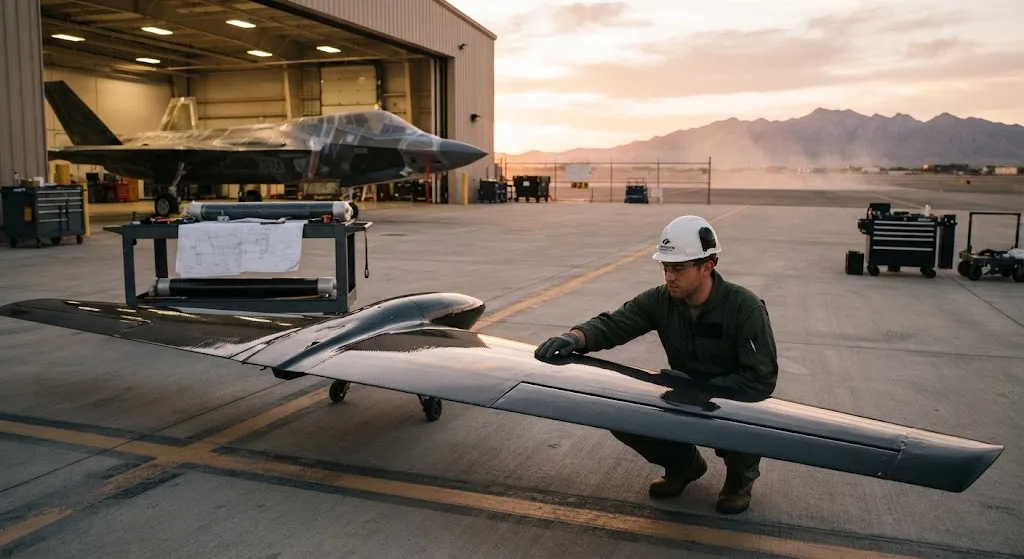
Few countries have translated unmanned aviation into industrial demand as quickly as Turkiye. The Bayraktar TB2 combat drone established Turkiye as a leading exporter of unmanned aerial systems, and the follow-on Kızılelma unmanned fighter pushed the country's engineering capability int
Introduction
Few countries have translated unmanned aviation into industrial demand as quickly as Turkiye. The Bayraktar TB2 combat drone established Turkiye as a leading exporter of unmanned aerial systems, and the follow-on Kızılelma unmanned fighter pushed the country's engineering capability into the heart of composite airframe design. Underpinning these programs is a relatively small but rapidly growing demand for carbon fiber composites — and a determined national effort to move that demand from imported material to domestic production.
This article explains the scale of Turkiye's defense-aviation carbon fiber demand, traces the Bayraktar engineering lessons that shaped the composites supply chain, and examines the domestic capacity build-out now underway. For carbon fiber and prepreg suppliers, the question is whether Turkiye represents an incoming market or a new competitor.
The Demand Drivers: Drones, Fighters and Helicopters
Turkiye's defense aviation demand spans several programs, each with a different composite intensity. The table below summarizes the major platforms and their carbon fiber relevance:
| Program | Type | Carbon fiber role | Status |
|---|---|---|---|
| Bayraktar TB2 | Medium-altitude combat drone | Airframe skins and structure | In mass production, high export volumes |
| Kızılelma | Unmanned fighter jet | Primary composite airframe | Prototype flight testing |
| AKINCI | Heavy attack drone | Large composite wings and fuselage | In production |
| KAAN (TF-X) | Manned fighter jet | Advanced composite structure | Under development, first flights |
| T129 / GÖKBEY | Attack / utility helicopter | Composite rotor blades and fuselage | In production / development |
Drones are the most material-intensive near-term driver because they are produced in large numbers and exported in volume. A single TB2-class drone carries carbon fiber in its long-span, lightweight wings, and with more than 600 units produced and hundreds exported, the cumulative composite content is substantial. Fighter and helicopter programs add higher-value carbon fiber demand at lower production volumes.
Bayraktar Lessons: What Drones Taught Turkiye
The Bayraktar program did more than create demand — it built a national engineering competency in composite airframe design. Several lessons shaped how Turkiye now approaches carbon fiber:
- Lightweight wings drive range and endurance: The TB2's signature long, slender wings rely on carbon fiber to maximize span while managing weight. The engineering lesson — that composite wings are the lever for endurance — carried directly into the AKINCI and Kızılelma designs.
- Vertical integration reduces lead time: Baykar, the program's developer, brought design, prototyping and increasingly manufacturing in-house, controlling the composite process from prepreg to final assembly. This closed-loop control is now the national template.
- Export success funds reinvestment: High export volumes of TB2 generated cash flow that is now being reinvested in UCAs, advanced fighters and upstream material capacity, accelerating the shift from imported to domestic carbon fiber.
Domestic Capacity Build-Out
Turkiye is working to close the gap between its design capability and its material supply. The composite supply chain is moving through three stages: importing finished prepreg, establishing domestic prepreg and tow, and developing indigenous carbon fiber production. Key moves include:
- Domestic prepreg and intermediate processing: Turkish aerospace primes and specialized suppliers are establishing prepreg lines and autoclave capacity, reducing dependence on imported prepreg rolls for defense programs.
- Government-coordinated material programs: Defense procurement and industrial policy bodies are coordinating carbon fiber and composite feedstock development as a strategic national capability, mirroring the approach used for engines and avionics.
- Research and university partnerships: Material science programs linked to defense contractors are training the workforce and developing grade-specific resin and fiber formulations for Turkish requirements.
- Phased indigenous fiber production: While full-scale tow production is not yet at the level of the largest global producers, pilot lines and feasibility studies are advancing toward domestic carbon fiber output.
The build-out is intentional but gradual: Turkiye is realistic that matching global fiber giants takes years, so near-term policy prioritizes prepreg self-sufficiency and airframe integration over racing to full tow production.
Implications for Composite Suppliers
For carbon fiber producers and prepreg specialists, Turkiye's trajectory creates both opportunity and strategic questions. The opportunity is a growing, well-funded buyer of intermediate and advanced materials as defense programs scale; the strategic question is how quickly domestic capacity displaces imports.
- Near-term supplier opportunity: While prepreg and fiber capacity matures, Turkish primes continue to source high-grade material abroad, keeping Turkiye an active import market for aerospace-grade carbon fiber and prepreg.
- Mid-term partnership space: Technology transfer, joint ventures and co-development agreements with Turkish suppliers are routes for foreign material firms to participate in the build-out rather than be displaced by it.
- Brand and certification value: Turkiye's export-heavy defense programs demand documented material traceability and qualification, favoring suppliers with established aerospace certification.
Frequently Asked Questions
How big is Turkiye's carbon fiber demand from defense aviation?
Turkiye's defense-aviation carbon fiber demand is smaller than global leaders but growing fast and heavily weighted toward drones, which are produced in large numbers. The total is modest in absolute tonnage, but the value is concentrated in high-grade aerospace material, and volume is compounding as UCAV and fighter programs scale. For context, a single TB2 airframe carries tens of kilograms of carbon fiber, and with hundreds of units produced plus new programs ramping, year-over-year demand growth has been in the double digits.
Does Turkiye produce its own carbon fiber?
Turkiye is moving toward domestic carbon fiber but does not yet fully supply its defense programs from indigenous tow production. The near-term strategy prioritizes domestic prepreg and intermediate processing, with fiber to be upgraded to indigenous production through government-coordinated programs and pilot lines in coming years. For now, a meaningful share of high-grade aerospace tow and prepreg is still imported, though the policy direction is clearly toward reducing that dependence.
How did the Bayraktar program shape Turkiye's composite industry?
The Bayraktar program created Turkiye's semiconductor moment for composites: it demonstrated that Turkish engineers could design and build high-performance composite airframes, generated export cash flow for reinvestment, and established a vertical-integration model that now guides the whole defense sector. Lessons learned on TB2 wings — lightweight spans for endurance, in-house process control, and fast iteration — carried directly into the AKINCI and Kızılelma programs and influenced the country's push for domestic prepreg and fiber capacity.
Conclusion
Turkiye's defense aviation has turned a small country into a significant and fast-growing demand center for aerospace-grade carbon fiber. The Bayraktar program proved the engineering case and the export model, while fighter, helicopter and heavy-drone programs now expand the demand base. The domestic supply chain is building out deliberately — prepreg self-sufficiency first, indigenous fiber later — which keeps Turkiye an active import market in the near term while positioning it as a future producer.
For material suppliers, the opportunity lies in partnering with Turkish primes during this build-out window: supplying certified aerospace-grade fiber and prepreg now, and co-developing capacity as the market matures. Explore our carbon fiber and prepreg-compatible reinforcement range, or contact our engineering team to discuss material qualification and supply for defense and aerospace programs.
Part of topic
Related Articles
- Recycled Carbon Fiber Market Forecast 2030: Technology Maturity and Commercialization Path
- South Korea Carbon Fiber Market 2026: Hydrogen Economy and Shipbuilding Innovation
- Wind Turbine Blade Leading Edge Protection 2026: Polyurethane, Tape, and Metallic Shield Solutions
- China Carbon Fiber Overcapacity 2026: Price War Impact and Industry Consolidation
- India Carbon Fiber Market 2026: Wind Energy, Aerospace, and Defense Expansion
- PAN Precursor Market 2026: Acrylonitrile Supply and Carbon Fiber Cost Structure
Interested in Our Products?
Contact our team for competitive pricing and technical specifications.
Get a QuoteRelated Products
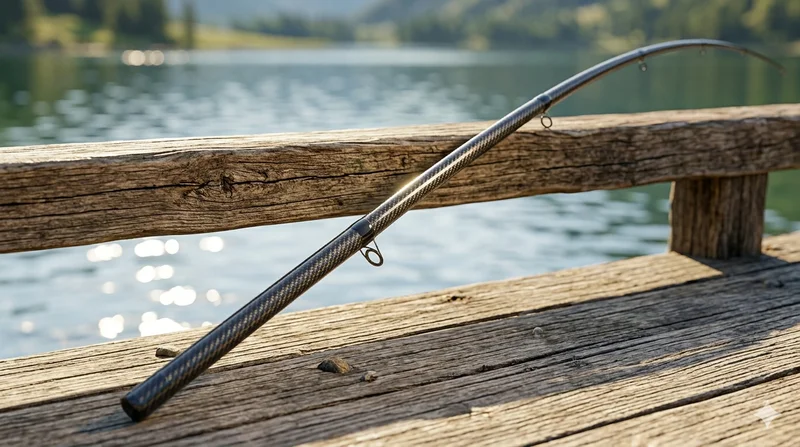
Carbon Fiber Fishing Rod Blank
High-quality carbon fiber fishing rod blank manufactured from multiple grades of Toray carbon fiber cloth. Available in a wide range of lengths, powers, and actions for freshwater and saltwater applications. Suitable for OEM rod building.

Carbon Fiber Plate — 3K Twill T700 3.0mm
Medium-thickness 3.0mm carbon fiber plate offering significantly higher load capacity while maintaining attractive 3K twill finish. Suitable for structural brackets, reinforcement plates, and load-bearing panels.
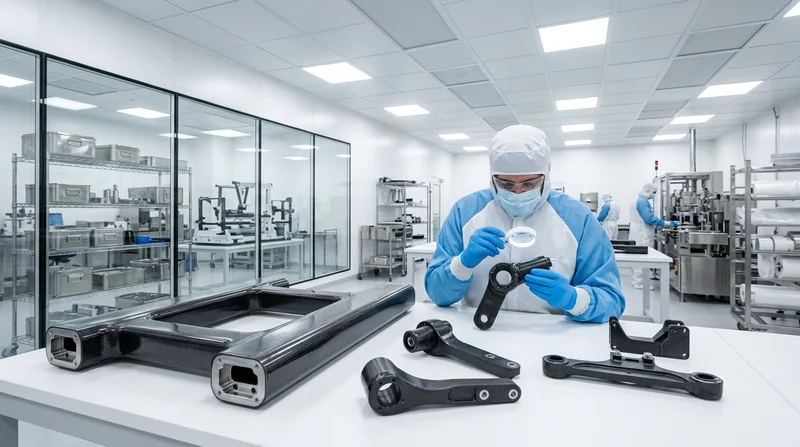
Custom Carbon Fiber Medical Device Components
Medical-grade carbon fiber components manufactured for imaging equipment, surgical instruments, and patient support systems. Carbon fiber's radiolucency (X-ray transparency) and high strength-to-weight ratio make it ideal for CT scanner beds, wheelchair frames, surgical robot arms, and MRI-compatible accessories. Biocompatible resin systems available.

Carbon Fiber Plate — 3K Twill T700 1.5mm
Thin 1.5mm carbon fiber plate with 3K twill weave surface. Lightweight and stiff, commonly used for covers, panels, drone bodies, and applications requiring a premium aesthetic appearance.

Square Carbon Fiber Tube — 3K Twill T700
Square cross-section carbon fiber tube manufactured with 3K twill weave for torsional strength. Preferred for structural frames, trusses, and support columns where rectangular geometry offers design flexibility.