
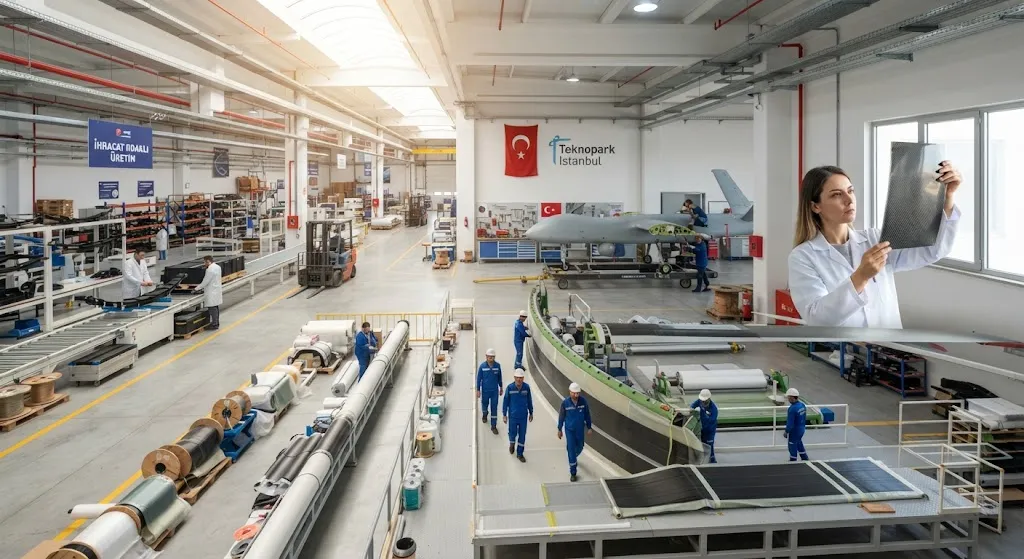
Turkey is the geographic hinge of the composites market between Europe and the Middle East — close enough to European OEM supply chains to ship components in days, and close enough to Gulf and North African project markets to act as a manufacturing bridge. For two decades its composite
Introduction
Turkey is the geographic hinge of the composites market between Europe and the Middle East — close enough to European OEM supply chains to ship components in days, and close enough to Gulf and North African project markets to act as a manufacturing bridge. For two decades its composite story was dominated by glass fiber in wind blades and construction, but the demand mix has shifted. Three separate engines now drive carbon and advanced composite consumption: a wind build-out planned to triple onshore capacity, an unmanned aircraft industry that has become one of the world's most visible exporters, and an automotive sector pushing composite content into EV and structural components.
The three engines matter to composite suppliers because they pull in different product forms and different grades. Wind needs low-cost large-tow fiber for spar caps and webs; drones need high-modulus fabric and prepreg for airframes; automotive needs high-volume, fast-cycle variants for leaf springs, driveshafts and enclosures. This article examines each engine, the indicators that show where they are heading, and Turkey's supply position — a country with raw feedstock strength but limited domestic conversion, making it a structurally growing market for imported carbon fiber.
Wind Energy: An Onshore Base Turning Offshore
Turkey's wind market is the largest onshore program in the eastern Mediterranean corridor. Installed capacity passed roughly 13 gigawatts in 2025, and the National Energy Plan targets 29.6 gigawatts of wind by 2035, more than doubling the current base on a path that assumes a steady addition of 1.5-2 gigawatts per year. Blade and nacelle production has clustered around Izmir on the Aegean coast, where several European manufacturers operate facilities, and Ankara hosts engineering and drivetrain activity. Offshore is the new frontier: pilot projects are under discussion for the Aegean and Black Sea, which would introduce the larger rotor diameters and carbon-intensive spar caps that the onshore program has used only partially.
The wind segment pulls a specific kind of carbon fiber demand. Onshore blades in this market have historically been glass-dominated with carbon used selectively in spar caps, but the move to longer rotors — 100-meter-plus diameter classes now common for 4-6 megawatt machines — increases the weight penalty that drives carbon adoption. The 2035 target, if met, implies a sustained multi-gigawatt annual installation rate through the decade, giving blade plants a planning horizon long enough to invest in carbon processing capability.
Defense and Drones: The Cluster Around Ankara
The drone industry is Turkey's highest-profile composite success. Baykar's TB2 became the reference tactical unmanned aircraft of the past decade, exported to more than thirty countries and produced on serial lines around Istanbul and Ankara, and the company has extended the family upward with the TB3 and the jet-powered Akıncı and Kızılelma programs. These platforms carry substantial composite content in fuselage skins, wing structures and internal frames, and the manufacturing ecosystem — small and medium subcontractors plus engineering houses concentrated in Ankara and Teknopark Istanbul — has built real capacity in carbon prepreg layup, resin infusion and automated drilling and assembly.
Two characteristics make the defense cluster especially attractive to composite suppliers. First, demand is export-driven and visible: order books and delivery rates are publicly tracked, so growth is measurable rather than speculative. Second, the platforms are continuously upgraded, which means recurring new-airframe demand for each variant rather than a one-time production run. The clusters around AKSA-supplied precursor capacity and Kordsa's aerospace composites operations give Turkey a defense-industrial core that consumes fiber, fabric and prepreg in volumes disproportionate to the country's overall industrial size.
Automotive Localization: EVs and Structural Composites
Turkey's automotive industry produces around 1.3 million vehicles per year across facilities operated by Ford Otosan, Tofaş, Oyak-Renault, Toyota and Hyundai, and it has become a regional export base for commercial vehicles and compact cars. The sector is now localizing value that was historically imported: the Togg electric SUV, launched in 2023 and ramping through the decade, is the flagship of a national EV program aimed at building a domestic ecosystem around battery, drivetrain and body-in-white development. Composite content enters through established structural applications — leaf springs, driveshafts, underbody shields and increasingly battery enclosures — where glass and carbon variants compete on weight and cycle time.
Kordsa, the technical-textiles group, operates aerospace composites facilities and represents the clearest endpoint for advanced composite investment, while the industrial park ecosystem around Teknopark Istanbul hosts composite startups and engineering services. The automotive pull is different from wind and defense: it needs high-volume, fast-curing material forms with audited quality systems, and it rewards suppliers who can deliver consistent tow or fabric grades at automotive scale. The localization drive is the reason foreign composite suppliers treat Turkey as a manufacturing site rather than just an export market.
Demand Indicators by Sector
The three engines can be tracked against concrete indicators. The table summarizes the current position and the direction each sector is heading:
| Sector | Current indicator | 2035 direction | Composite pull | Local anchors |
|---|---|---|---|---|
| Wind energy | ~13 GW installed | 29.6 GW target | Spar caps, webs, nacelle parts | Izmir blade plants |
| Drones and defense | TB2 in 30+ countries | TB3, Akıncı, Kızılelma ramp | Airframe prepreg, fabric, frames | Ankara cluster, Teknopark Istanbul |
| Automotive | ~1.3M vehicles/year | Togg scale-up, EV localization | Leaf springs, shafts, enclosures | Kordsa, OEM plants |
| Feedstock and supply | AKSA PAN precursor base | Limited domestic conversion | Imported fiber, fabric, prepreg | Distribution and conversion partners |
Reading the table together, Turkey is not yet a carbon fiber producer in volume, but it is a formidable consumer: the wind target alone implies multi-thousand-ton annual fiber demand if carbon penetrates spar caps as planned, and the drone and automotive programs add fabric, prepreg and conversion demand on top. The country's strength is feedstock — AKSA's PAN precursor capacity is a genuine asset — but the conversion step remains concentrated outside the country, which is exactly the opening that imported fiber suppliers currently fill.
Supply Position and What It Means for Suppliers
Turkey's composite supply chain has three structural features that determine how outside suppliers can participate:
- Net importer status: domestic carbon fiber conversion capacity is small, so fiber, fabric and prepreg are imported from China, Japan, Korea and Europe; the import channel is the dominant route and will remain so through the 2026-2030 horizon.
- European proximity: Turkish plants ship to European OEMs in days, and EU origin or EU-compatible specifications travel well; suppliers holding European certifications face a lower qualification barrier than those entering from outside the region.
- Program-driven demand: each of the three engines is anchored to a named program — the 2035 energy plan, the Baykar platforms, the Togg ecosystem — which makes demand forecasting unusually concrete for a developing market.
For carbon fiber suppliers the practical conclusion is to treat Turkey as a manufacturing-base market rather than a spot-sales market. Qualified distribution partners, conversion capacity and local engineering support are the entry requirements, and the three engines are large enough that a single anchor customer in any one of them sustains a regional operation. The window is open because the conversion gap is real and the demand programs are named; suppliers who establish local partners during the current build-out period will be positioned to serve the wind, drone and automotive volumes simultaneously as the 2035 targets come into view.
Frequently Asked Questions
Does Turkey produce its own carbon fiber?
Not in significant volume. Turkey's strength is upstream feedstock — AKSA is a leading global acrylic fiber producer, and its PAN precursor base has been discussed as the platform for domestic carbon fiber conversion — but commercial-scale conversion capacity remains limited, leaving the country a structural net importer of carbon fiber, fabric and prepreg. The practical result for buyers is reliance on imports from China, Japan, Korea and Europe, with the import channel expected to remain dominant through 2030 even if a domestic line eventually materializes.
How large is Turkey's wind pipeline for composite demand?
Installed wind capacity passed approximately 13 gigawatts in 2025, and the National Energy Plan sets a 2035 target of 29.6 gigawatts, corresponding to a sustained addition of roughly 1.5-2 gigawatts per year. Blade plants in the Izmir region and engineering centers in Ankara serve both the domestic build-out and export programs. If carbon penetration in spar caps expands with longer rotors, the segment implies a steady multi-thousand-ton annual fiber demand, with offshore pilot projects in the Aegean and Black Sea adding a carbon-intensive premium on top.
Why is the drone sector relevant to composite material suppliers?
Because it is the most visible, program-driven composite consumer in the region. The TB2 and its successors TB3, Akıncı and Kızılelma carry substantial carbon composite content and are exported to more than thirty countries, with public order books that make demand measurable. Each platform variant upgrade generates recurring new-airframe demand, and the subcontractor cluster around Ankara and Teknopark Istanbul consumes prepreg, fabric and frames at volumes that make the defense segment a stable anchor for suppliers establishing a regional presence.
Conclusion
Turkey's composite demand is no longer a single-industry story. Wind energy targets a 29.6 gigawatt installed base by 2035 and pulls spar-cap-grade fiber as rotors grow; the drone industry anchors a defense cluster that consumes prepreg and fabric in exported, program-driven volumes; and automotive localization, led by the Togg ecosystem and manufacturers like Kordsa, is building high-volume, fast-cycle demand for structural composites. The supply position is equally clear: strong upstream feedstock, thin domestic conversion, and a structural reliance on imported fiber that will persist through the end of the decade.
For composite and carbon fiber suppliers, the strategic read is to enter as a manufacturing-base partner — qualified distribution, conversion capability and local engineering support — and to anchor on at least one of the three named programs. Explore our carbon fiber products and profiles suitable for wind, drone and automotive applications, or contact our export team for grade selection and supply arrangements for the Turkish and regional market.
Part of topic
Related Articles
- Recycled Carbon Fiber Market Forecast 2030: Technology Maturity and Commercialization Path
- South Korea Carbon Fiber Market 2026: Hydrogen Economy and Shipbuilding Innovation
- Wind Turbine Blade Leading Edge Protection 2026: Polyurethane, Tape, and Metallic Shield Solutions
- China Carbon Fiber Overcapacity 2026: Price War Impact and Industry Consolidation
- India Carbon Fiber Market 2026: Wind Energy, Aerospace, and Defense Expansion
- PAN Precursor Market 2026: Acrylonitrile Supply and Carbon Fiber Cost Structure
Interested in Our Products?
Contact our team for competitive pricing and technical specifications.
Get a QuoteRelated Products

Carbon Fiber Plate — 3K Twill T700 1.5mm
Thin 1.5mm carbon fiber plate with 3K twill weave surface. Lightweight and stiff, commonly used for covers, panels, drone bodies, and applications requiring a premium aesthetic appearance.
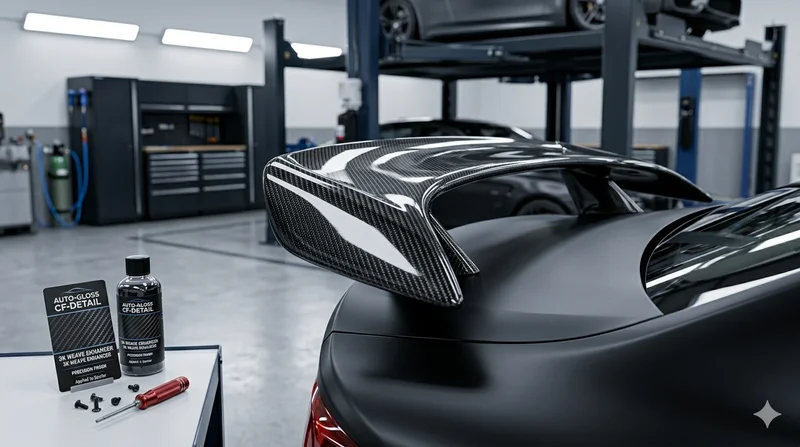
Carbon Fiber Automotive Spoiler
Automotive-grade carbon fiber spoiler manufactured using autoclave-cured pre-preg technology. Each spoiler is vacuum-bagged and oven-cured for optimal fiber-to-resin ratio, strength, and a flawless cosmetic finish.
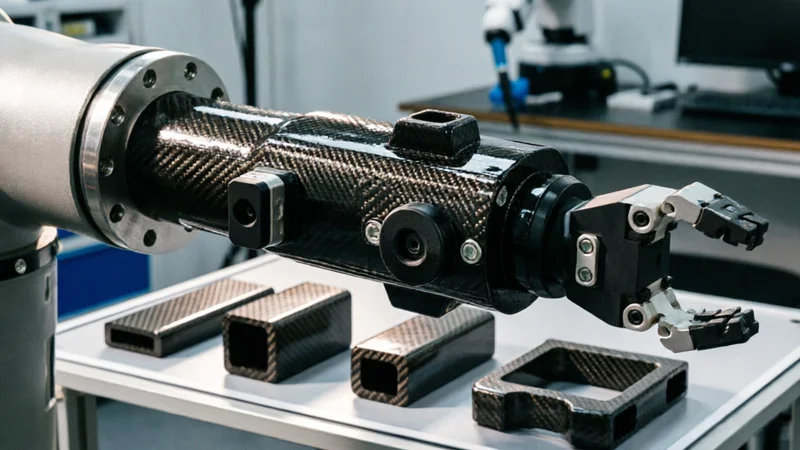
Carbon Fiber Robot End Effector Link — Custom Shape & Sensor Integration
Custom-shaped carbon fiber end effector links for robotic arms. Designed for automation integrators and research labs requiring lightweight, rigid connections between the robot wrist and gripper/tool. Can incorporate sensor mounting bosses, cable routing channels, and quick-change interfaces.
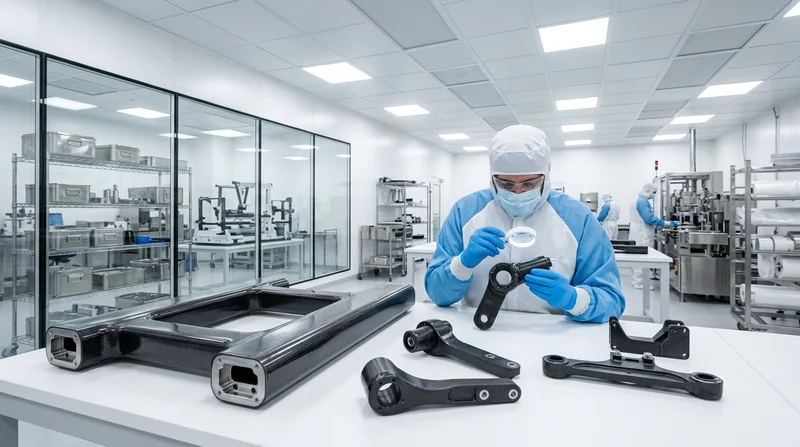
Custom Carbon Fiber Medical Device Components
Medical-grade carbon fiber components manufactured for imaging equipment, surgical instruments, and patient support systems. Carbon fiber's radiolucency (X-ray transparency) and high strength-to-weight ratio make it ideal for CT scanner beds, wheelchair frames, surgical robot arms, and MRI-compatible accessories. Biocompatible resin systems available.

Custom Carbon Fiber Musical Instrument Parts
Carbon fiber components for musical instrument manufacturing offering superior dimensional stability, low weight, and consistent acoustic properties. We produce carbon fiber bows, guitar necks, violin chin rests, drum shells, and wind instrument bodies. Carbon fiber instruments are immune to humidity changes and temperature fluctuations that affect wooden instruments.