
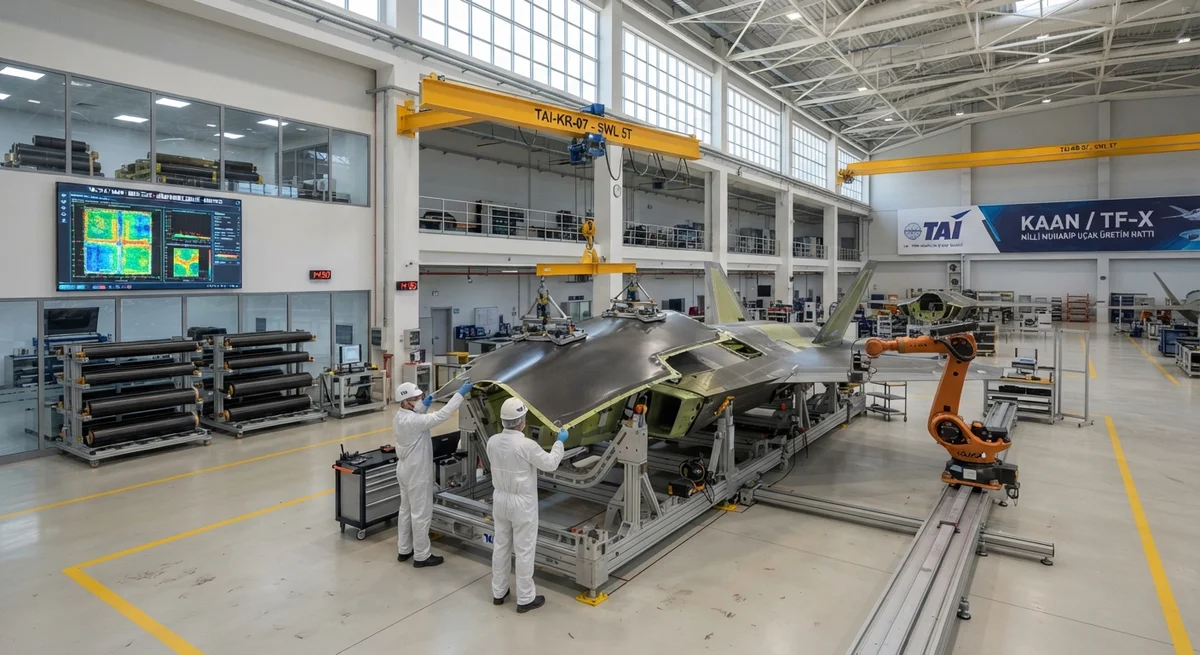
Turkey's carbon fiber reinforced polymer (CFRP) market is projected to reach USD 245 million by 2026, driven by expanding aerospace manufacturing, indigenous defense programs, and seismic-resistant construction. This article analyzes sector-specific demand, supply chain dynamics, and strategic oppor
Market Overview: Turkey's Growing Appetite for Carbon Fiber
Turkey has emerged as one of the fastest-growing markets for carbon fiber composites in the EMEA region. With a compound annual growth rate (CAGR) of 12.4% projected through 2028, the country's CFRP consumption is being propelled by three distinct engines: aerospace manufacturing expansion, indigenous defense platform development, and seismic-resistant building reinforcement. For B2B suppliers of carbon fiber raw materials, prepreg systems, and semi-finished composite goods, Turkey represents a supply gap opportunity that warrants strategic attention.
Domestic carbon fiber production remains limited — Kordsa's laboratory-scale line in Kocaeli and AK-ISA's pilot Izmir facility together supply less than 15% of national demand. The remaining 85%+ must be imported, creating a persistent procurement deficit that international suppliers of PAN-based precursor, standard-modulus tow, and intermediate-modulus prepreg can exploit. Turkish composites fabricators have grown accustomed to 8–12 week lead times from European distributors; suppliers who can deliver consistent quality in 4–6 weeks command a 10–15% price premium.
Aerospace Sector: TAI, Baykar, and the Supply Chain Pull
Turkish Aerospace Industries (TAI) is the single largest consumer of carbon fiber composites in the country. The company's programs — including the KAAN (TF-X) next-generation fighter, T129 ATAK attack helicopter, A400M wing components, and GÖKBEY utility helicopter — consume an estimated 1,200 metric tonnes of carbon fiber annually across prepreg, RTM, and hand-layup processes.
Baykar Technology, producer of the TB2 and AKINCI UAVs, has rapidly scaled its composite consumption as export orders surge. The TB2 airframe is approximately 70% carbon fiber composite by structural weight, with each airframe requiring 180–220 kg of prepreg material. With Baykar's production rate exceeding 20 airframes per month as of Q2 2026, this translates to roughly 50 metric tonnes of prepreg per month. The company has moved toward automated tape laying (ATL) for wing skins, creating demand for 150–300 gsm unidirectional prepreg with 35% resin content.
| Program | Organization | Est. Annual CF Consumption (tonnes) | Primary Process | Fiber Modulus Grade |
|---|---|---|---|---|
| KAAN (TF-X) Fighter | TAI | 480 | Prepreg + ATL | Intermediate Modulus (IM7-class) |
| T129 ATAK / T929 | TAI | 210 | Prepreg hand layup | Standard Modulus (34-700) |
| TB2 / AKINCI UAV | Baykar | 350 | Prepreg + Oven cure | Standard Modulus (T700-class) |
| A400M Wing Components | TAI (subcontract) | 160 | AFP / ATL | Intermediate Modulus |
| GÖKBEY Helicopter | TAI | 90 | Prepreg + RTM | Standard + Intermediate |
| HÜRJET Trainer Jet | TAI | 75 | Prepreg | Standard Modulus |
The aerospace supply chain pull extends beyond prime contractors. Tier 2 and Tier 3 fabricators in Ankara's Ostim Organized Industrial Zone and Eskişehir's aviation cluster process imported prepreg into finished aircraft subcomponents. These smaller shops — typically operating 2–4 autoclaves — represent a fragmented but growing channel for imported carbon fiber materials.
Defense Programs: Armor, Vehicles, and Structural Composites
Turkey's indigenous defense vehicle programs are shifting from metal-intensive designs to composite-intensive architectures. The Altay main battle tank, produced by BMC Power, now incorporates carbon fiber composite panels for turret rear stowage bins, side skirts, and internal spall liners — replacing steel armature that added 1,200 kg to earlier prototypes. Each Altay tank uses approximately 85 kg of carbon fiber composite, with the program targeting 250 units by 2028.
- Altay MBT: 85 kg CF per unit; 250 units planned → ~21 tonnes total CF demand (2024–2028)
- FNSS ACV-19 armored vehicle: Composite hull roof and engine cover panels; 40 kg CF per unit
- Otokar ARMA 6×6: Composite add-on armor kits; 25 kg CF per kit; 500+ kits ordered
- Baykar AKINCI UAV: Full composite fuselage and wing structure (~240 kg prepreg per UAV)
- Roketsan missile canisters: Filament-wound CF launch tubes; 15–30 kg CF per canister
Naval composites are also growing. STM's MILGEM-class corvettes use carbon fiber for mast structures and propeller shaft fairings, while ASELSAN's radar pedestals and antenna housings increasingly specify CF for electromagnetic transparency and reduced radar cross-section (RCS). These defense applications demand MIL-DTL compliant material certifications — a barrier that also filters out low-quality importers, to the advantage of qualified suppliers.
Construction and Seismic Retrofitting: A Surprising Driver
Turkey's location on active fault lines — most recently demonstrated by the February 2023 Kahramanmaraş earthquakes — has triggered a regulatory overhaul that is generating substantial carbon fiber demand in construction. The Turkish Ministry of Environment and Urbanization now mandates seismic assessment for all buildings constructed before 2000, and carbon fiber reinforced polymer (CFRP) wrapping has become the preferred method for column jacketing and shear wall strengthening.
In 2025 alone, an estimated 4,500 tonnes of unidirectional CFRP fabric were consumed for structural retrofitting in Turkey, sourced primarily from Chinese and European manufacturers. The typical retrofitting application uses 300–600 gsm unidirectional carbon fiber fabric applied with epoxy saturant in 1–3 layers per column. With an estimated 3.1 million buildings requiring assessment and roughly 30% needing intervention, the construction CFRP demand is projected to remain above 5,000 tonnes annually through 2030.
Supplier Opportunity and Market Gaps
Several supply gaps present clear entry points for international carbon fiber suppliers:
- PAN-based precursor: No domestic precursor production exists; all precursor for any future Turkish carbonization line must be imported
- Intermediate modulus prepreg: TAI's KAAN program and Baykar's transition to higher-performance grades create demand for IM7-class materials currently sourced from a limited pool of Asian and European suppliers
- Recycling and reprocessed fiber: Turkish fabricators generate an estimated 1,100 tonnes/year of prepreg scrap for which cost-effective recycling solutions are lacking
- Aerospace-grade woven fabrics: 2×2 twill and 5-harness satin weaves in standard modulus are imported at volumes exceeding 800 tonnes/year
FAQ: Turkey Carbon Fiber Market 2026
What are the main certification requirements for carbon fiber materials entering Turkey's aerospace supply chain?
Aerospace materials typically require EN 9100 / AS9100D certification from the supplier. For specific programs, TAI and Baykar impose additional qualification requirements aligned with Airbus (AIPS03-1-002) or Boeing (BMS 8-256) material specifications. Turkish Civil Aviation Authority (SHGM) certification is also required for materials used in civil-registered aircraft and UAVs.
How do Turkish import tariffs affect carbon fiber pricing?
Carbon fiber raw materials (HS 6815.11) enter Turkey under the Common Customs Tariff with applied rates of 3.7–5.2% for non-woven products and 4.5–6.5% for woven fabrics, depending on country of origin. Materials from EU countries benefit from the Customs Union agreement (zero tariff for most carbon fiber products). Additional 18% VAT is applied at clearance. Total landed cost premium over FOB price ranges from 8% (EU origin) to 14% (non-EU origin).
Which Turkish cities have the highest concentration of composites fabricators?
Ankara (Ostim IZ, Ivedik IZ) hosts the largest cluster of aerospace composites fabricators, followed by Eskişehir (aviation maintenance and manufacturing), İzmir (defense and marine composites), Bursa (automotive and construction composites), and Kocaeli/Gebze (industrial and R&D facilities). Approximately 65% of Turkey's CFRP processing capacity is concentrated in these five regions.
Part of topic
Related Articles
- Recycled Carbon Fiber Market Forecast 2030: Technology Maturity and Commercialization Path
- South Korea Carbon Fiber Market 2026: Hydrogen Economy and Shipbuilding Innovation
- Wind Turbine Blade Leading Edge Protection 2026: Polyurethane, Tape, and Metallic Shield Solutions
- China Carbon Fiber Overcapacity 2026: Price War Impact and Industry Consolidation
- India Carbon Fiber Market 2026: Wind Energy, Aerospace, and Defense Expansion
- PAN Precursor Market 2026: Acrylonitrile Supply and Carbon Fiber Cost Structure
Interested in Our Products?
Contact our team for competitive pricing and technical specifications.
Get a QuoteRelated Products
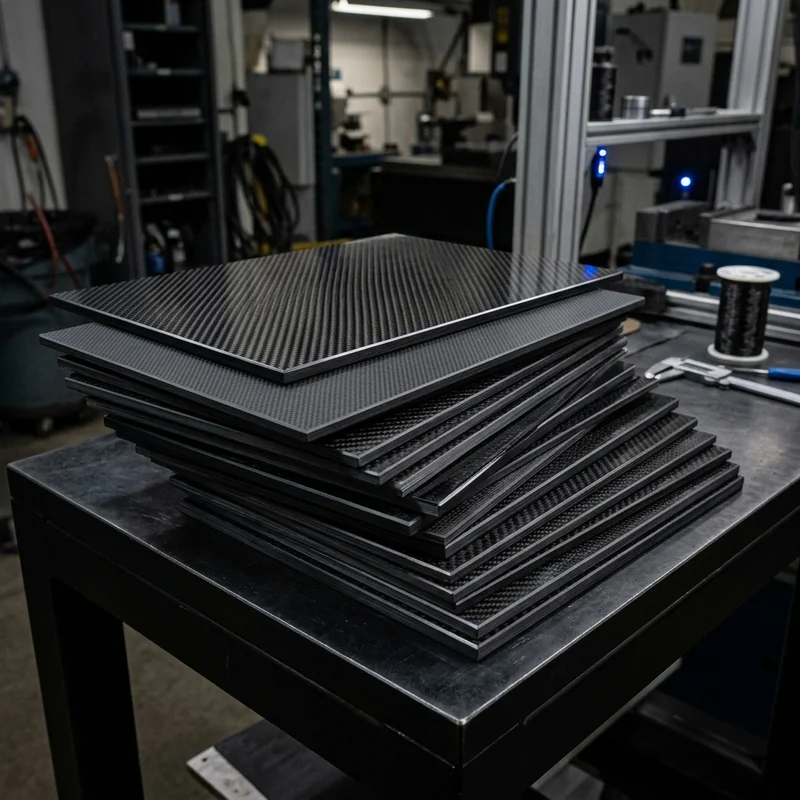
Carbon fiber standard plate-3k stripe
Lightweight, ultra-rigid standard sheets for drone fuselages, robot housings, facades and structural applications.
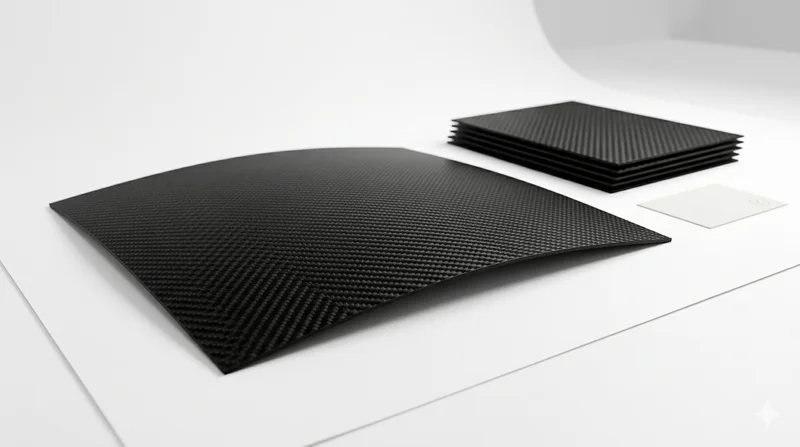
Carbon Fiber Plate — 3K Twill T700 1.5mm
Thin 1.5mm carbon fiber plate with 3K twill weave surface. Lightweight and stiff, commonly used for covers, panels, drone bodies, and applications requiring a premium aesthetic appearance.
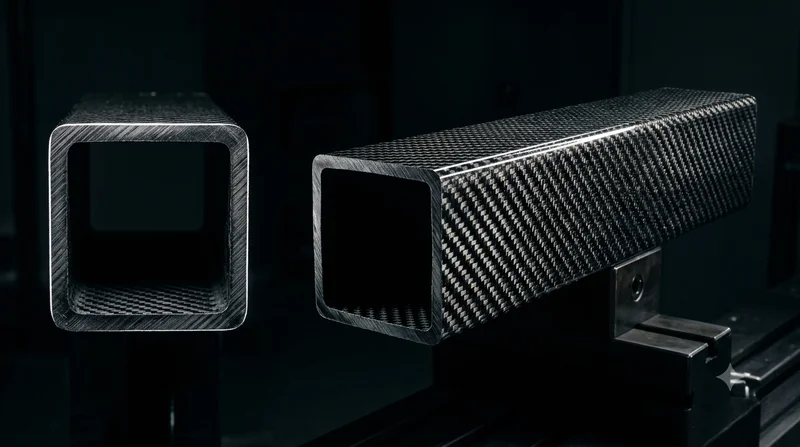
Square Carbon Fiber Tube — 3K Twill T700
Square cross-section carbon fiber tube manufactured with 3K twill weave for torsional strength. Preferred for structural frames, trusses, and support columns where rectangular geometry offers design flexibility.
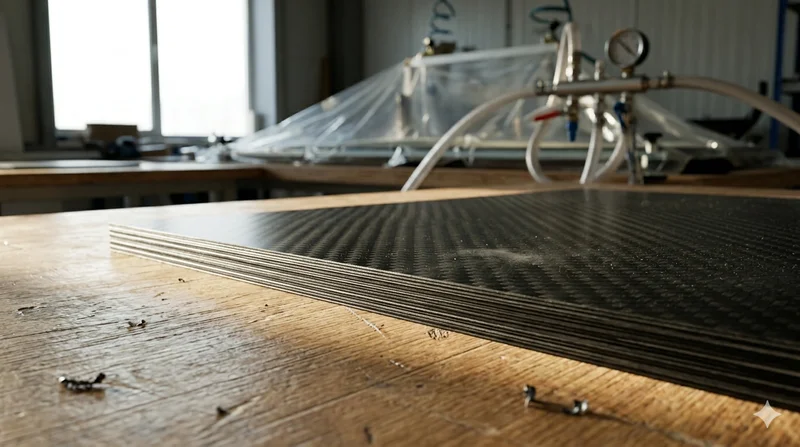
Carbon Fiber Plate — 3K Twill T700 3.0mm
Medium-thickness 3.0mm carbon fiber plate offering significantly higher load capacity while maintaining attractive 3K twill finish. Suitable for structural brackets, reinforcement plates, and load-bearing panels.
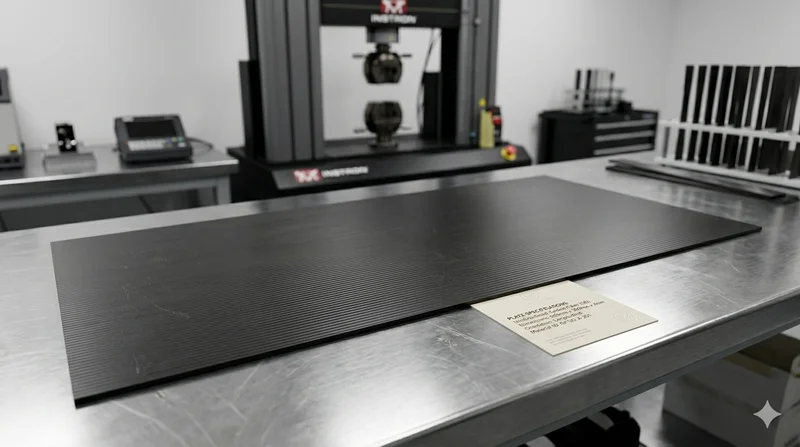
Carbon Fiber Plate — UD Unidirectional T700
Unidirectional carbon fiber plate with all fibers oriented in a single direction for maximum strength along the fiber axis. Essential for structural reinforcements, splints, and applications where load direction is predictable.