
Taiwan punches far above its weight in the global carbon fiber economy. With a population of just 23 million, the island hosts the world's largest high-end bicycle manufacturers, one of the most advanced semiconductor supply chains on Earth, and a PCB industry that produces roughly a th
Introduction
Taiwan punches far above its weight in the global carbon fiber economy. With a population of just 23 million, the island hosts the world's largest high-end bicycle manufacturers, one of the most advanced semiconductor supply chains on Earth, and a PCB industry that produces roughly a third of the world's printed circuit boards by value. Each of these sectors consumes carbon fiber in a different way — aerospace-grade prepreg for bicycle frames, precision-machined composite components for wafer handling equipment, and thermal management materials for electronics — and together they make Taiwan one of the most sophisticated carbon fiber consuming markets in Asia.
For international carbon fiber suppliers and fabricators, Taiwan is attractive because it offers high-value, repeat-purchase demand with strong technical requirements and a mature export logistics base. This article breaks down the three demand pillars of the Taiwanese market, explains the supply chain structure, and provides practical guidance for suppliers entering the market in 2026.
Bicycle Export Leadership: The Composite Frame Engine
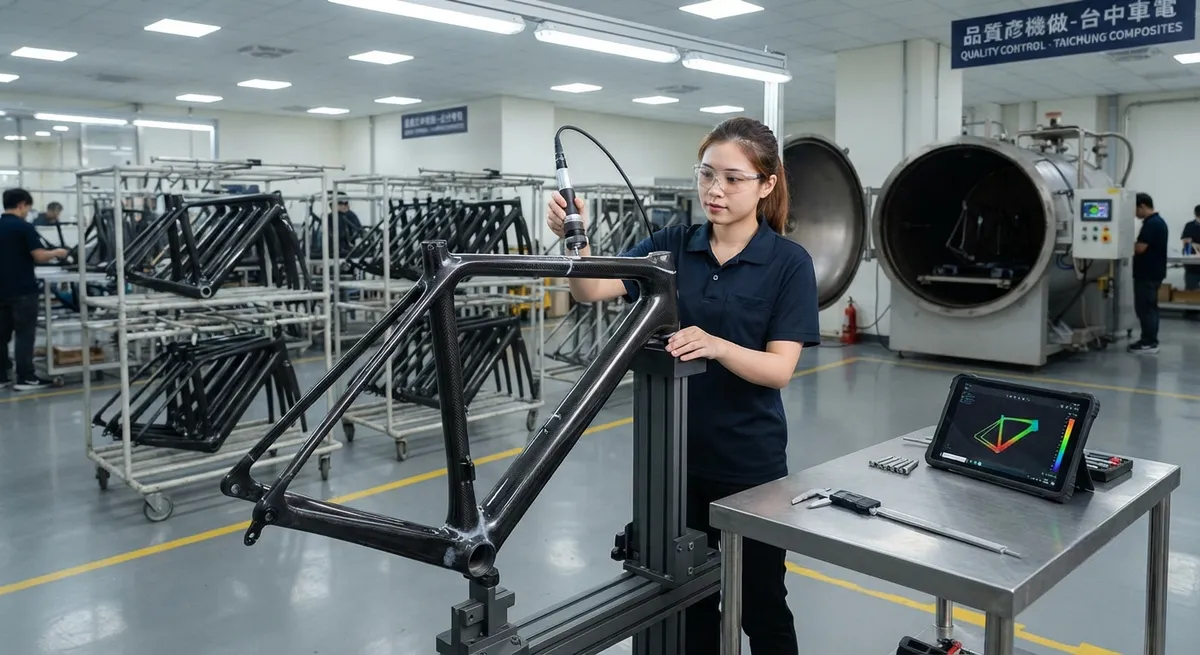
Taiwan is the undisputed global capital of carbon fiber bicycle manufacturing. The industry is anchored by two global brands — Giant, the world's largest bicycle manufacturer by revenue, and Merida, its major domestic competitor — plus a dense network of specialized frame builders in the Taichung region that supplies many of the world's leading bicycle brands. Taiwan has produced the majority of the world's high-end carbon fiber road and mountain bike frames for two decades, and the export data reflects this dominance.
| Metric | Taiwan Bicycle Industry | Global Context |
|---|---|---|
| Annual bicycle exports | 2-3 million units, average value rising | Among the highest average unit prices worldwide |
| Carbon fiber frame share | Most premium road/MTB frames exported | Taiwan builds the majority of world's high-end CF frames |
| Key cluster | Taichung & Changhua region (Greater Taichung) | World's densest bicycle manufacturing cluster |
| E-bike segment | Rapidly growing, high carbon content | E-bikes drive premium frame demand globally |
| Grade of material used | T700/T800-class to Toray T1100, high-modulus | Aerospace-grade fiber in sporting goods |
The Taiwanese bicycle industry is technically demanding in ways that matter to composite suppliers. Frame builders require consistent fiber areal weight, tight modulus control, and the ability to produce thousands of frames with a narrow weight distribution window — a 50 g variance on a 900 g frame is considered unacceptable for premium brands. Purchasing is concentrated and professional: the major manufacturers buy prepreg in large volumes through long-term contracts, and they qualify suppliers against demanding mechanical and process standards. This is a mature, competitive market where quality consistency and supply reliability matter more than price alone.
Semiconductor Equipment Components: Precision Composite Parts
Taiwan's semiconductor industry — anchored by TSMC, the world's largest contract chipmaker — is the second pillar of carbon fiber demand. Semiconductor manufacturing equipment uses carbon fiber composites in wafer handling, robotics, and structural components where the material's combination of light weight, high stiffness, low thermal expansion, and non-magnetic behavior is a decisive advantage.
- Wafer handling end-effectors: Carbon fiber robot arms and end-effectors that carry silicon wafers inside vacuum equipment are the flagship application. They must be stiff enough to position a 300 mm wafer to micrometer precision, light enough to allow fast robot motion, and dimensionally stable across temperature changes — a combination metal arms struggle to match.
- FOUP and equipment structures: Composite frames, load ports, and chamber components exploit carbon fiber's low weight and vibration damping to improve equipment throughput and cleanliness.
- Thermal management parts: Carbon fiber components with tailored thermal conductivity help manage heat in lithography and etch tools where temperature stability directly affects process yield.
- Electrostatic discharge control: Specially formulated carbon fiber composites provide controlled electrical properties that prevent static buildup around sensitive wafers.
The semiconductor equipment segment differs fundamentally from the bicycle market in buying behavior: demand is specification-driven, volumes per part number are moderate, but quality requirements are exceptional and qualification cycles are long. Equipment makers and their tier-one suppliers purchase machined composite parts with full dimensional verification, cleanroom compatibility, and documented material traceability. The market rewards suppliers who can hold tight tolerances on complex machined geometries and maintain contamination control throughout the supply chain.
PCB Industry: Thermal and Dimensional Solutions
The third demand pillar is Taiwan's printed circuit board industry, the world's largest by output value. Carbon fiber enters the PCB supply chain in several roles:
- Backup and support boards: Carbon fiber composite backup boards used in drilling operations provide rigidity, prevent burr formation, and maintain flatness through repeated tool cycles.
- Heat dissipation substrates: Carbon fiber reinforced laminates and fillers conduct heat away from high-power electronic components, addressing the thermal density challenge of advanced PCB designs.
- Stiffener materials: Carbon fiber stiffeners on flexible and rigid-flex circuits control warpage during assembly and in service, where coefficient of thermal expansion must be matched to the circuit materials.
- Test fixtures and tooling: Composite materials provide dimensionally stable, lightweight fixtures for PCB testing and handling in automated lines.
Taiwan's PCB industry is also the base for many global electronics manufacturers' supply chains, meaning carbon fiber materials qualified in Taiwan flow into end products sold worldwide. This makes the Taiwanese PCB segment a gateway for suppliers who want to enter the broader Asian electronics market. Demand here is value-engineered: buyers seek materials that solve a specific thermal, dimensional, or process problem, and they evaluate total cost — including process yield and tool life — rather than raw material price.
Supply Chain Structure and Buying Behavior
The Taiwanese carbon fiber supply chain is mature and layered. At the top, international fiber producers (Toray, Teijin, Mitsubishi and others) supply tow and prepreg through local distributors and trading companies. Below them, a large base of local fabricators serves the bicycle, semiconductor, aerospace, and industrial segments. Two structural features shape how suppliers should approach the market:
- Bicycle industry buys through OEM channels: Most carbon fiber enters through prepreg converters and frame fabricators rather than directly from fiber producers, so suppliers should target fabricators and tier-one OEM partners.
- Semiconductor and PCB buyers require certification: Equipment makers qualify materials and machined parts against internal standards, so suppliers should expect long sales cycles, technical audits, and cleanroom-grade process documentation.
Aerospace demand adds a fourth layer: AIDC (Aerospace Industrial Development Corporation) and related manufacturers support both domestic and international aircraft programs, consuming certified aerospace prepreg. While smaller in volume than bicycles or semiconductors, the aerospace segment carries the highest technical bar and the strongest qualification value for a supplier's brand.
Market Outlook for 2026
Three trends will shape Taiwan's carbon fiber demand through 2026. First, the bicycle industry continues to shift toward e-bikes and premium performance models, both of which carry higher carbon content per unit and support steady prepreg consumption. Second, semiconductor capacity expansion — driven by AI chip demand and advanced packaging — is creating new equipment demand, and each new fab line requires composite components in wafer handling and processing tools. Third, the PCB industry's move toward higher layer counts and higher power densities increases the value of carbon fiber in thermal and dimensional management. Together these trends position Taiwan as a stable, high-value market for carbon fiber suppliers with the technical depth to serve demanding applications.
Frequently Asked Questions
Why does Taiwan dominate carbon fiber bicycle manufacturing?
Taiwan built a world-class bicycle cluster in the Taichung region over four decades, anchored by global brands Giant and Merida and supported by a dense network of frame fabricators and prepreg converters. The cluster combined aerospace-grade carbon fiber technology, aggressive cost engineering, and export logistics to capture the majority of the world's high-end carbon fiber frame production, and it continues to lead as the industry shifts toward premium e-bikes.
How is carbon fiber used in semiconductor manufacturing equipment?
The flagship application is wafer handling end-effectors — carbon fiber robot arms that carry silicon wafers inside vacuum equipment — valued for their light weight, high stiffness, dimensional stability, and non-magnetic behavior. Carbon fiber is also used in FOUP structures, load ports, thermal management components, and ESD-controlled parts where precise positioning and temperature stability directly affect process yield.
What role does carbon fiber play in the PCB industry?
Carbon fiber serves the PCB industry in four roles: rigid backup boards for drilling, thermally conductive substrates and fillers for heat dissipation, stiffeners that control warpage in flexible circuits, and dimensionally stable test fixtures. These applications are value-engineered — buyers evaluate total process cost including yield and tool life rather than material price alone.
What should a supplier know before entering the Taiwan market?
Suppliers should expect a layered supply chain: fiber typically reaches end users through prepreg converters and fabricators, so targeting OEM partners matters more than direct selling. Semiconductor and PCB buyers run long qualification cycles with cleanroom-grade documentation demands, while the bicycle industry buys on consistent quality and reliable supply. Market entry favors suppliers with technical depth and certification capability.
Conclusion
Taiwan's carbon fiber market is built on three world-leading demand pillars: a bicycle industry that exports more high-end carbon frames than anywhere else, a semiconductor equipment sector consuming precision composite components, and the world's largest PCB industry using carbon fiber for thermal and dimensional solutions. The supply chain is mature, the buying is professional, and the technical bar is high — qualities that reward suppliers who can deliver consistent quality and certification-grade documentation. With e-bike growth, semiconductor expansion, and advanced PCB designs all progressing, Taiwan remains one of Asia's most valuable carbon fiber markets in 2026.
YongXian supplies high-performance carbon fiber fabrics, prepregs, and machined composite products. Explore our carbon fiber product range or contact our engineering team to discuss how we can support your Taiwanese manufacturing program.
Part of topic
Related Articles
- Recycled Carbon Fiber Market Forecast 2030: Technology Maturity and Commercialization Path
- South Korea Carbon Fiber Market 2026: Hydrogen Economy and Shipbuilding Innovation
- Wind Turbine Blade Leading Edge Protection 2026: Polyurethane, Tape, and Metallic Shield Solutions
- China Carbon Fiber Overcapacity 2026: Price War Impact and Industry Consolidation
- India Carbon Fiber Market 2026: Wind Energy, Aerospace, and Defense Expansion
- PAN Precursor Market 2026: Acrylonitrile Supply and Carbon Fiber Cost Structure
Interested in Our Products?
Contact our team for competitive pricing and technical specifications.
Get a QuoteRelated Products
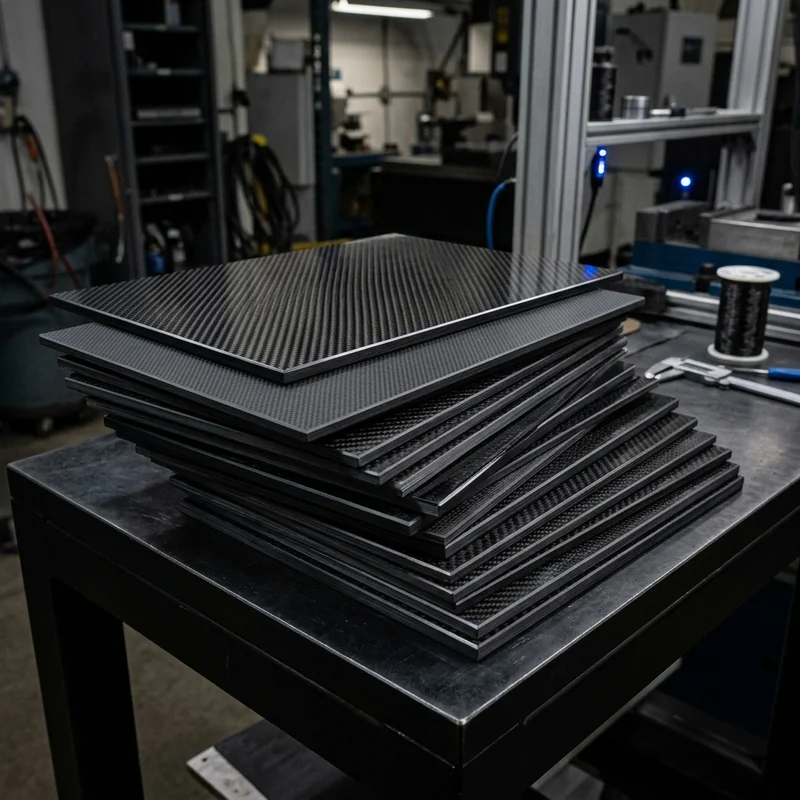
Carbon fiber standard plate-3k stripe
Lightweight, ultra-rigid standard sheets for drone fuselages, robot housings, facades and structural applications.

Carbon Fiber Plate — 3K Twill T700 3.0mm
Medium-thickness 3.0mm carbon fiber plate offering significantly higher load capacity while maintaining attractive 3K twill finish. Suitable for structural brackets, reinforcement plates, and load-bearing panels.

Carbon Fiber Plate — 3K Twill T700 1.5mm
Thin 1.5mm carbon fiber plate with 3K twill weave surface. Lightweight and stiff, commonly used for covers, panels, drone bodies, and applications requiring a premium aesthetic appearance.
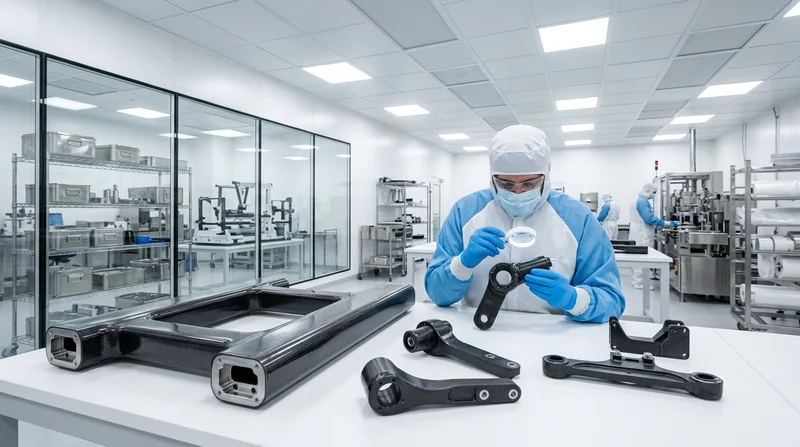
Custom Carbon Fiber Medical Device Components
Medical-grade carbon fiber components manufactured for imaging equipment, surgical instruments, and patient support systems. Carbon fiber's radiolucency (X-ray transparency) and high strength-to-weight ratio make it ideal for CT scanner beds, wheelchair frames, surgical robot arms, and MRI-compatible accessories. Biocompatible resin systems available.

Square Carbon Fiber Tube — 3K Twill T700
Square cross-section carbon fiber tube manufactured with 3K twill weave for torsional strength. Preferred for structural frames, trusses, and support columns where rectangular geometry offers design flexibility.