Switzerland manufactures carbon fiber components the way it manufactures watches: slowly, precisely, and with a tolerance budget that most competitors would consider excessive. The country consumes a modest volume of carbon fiber in global terms, but it occupies an outsized position in
Introduction
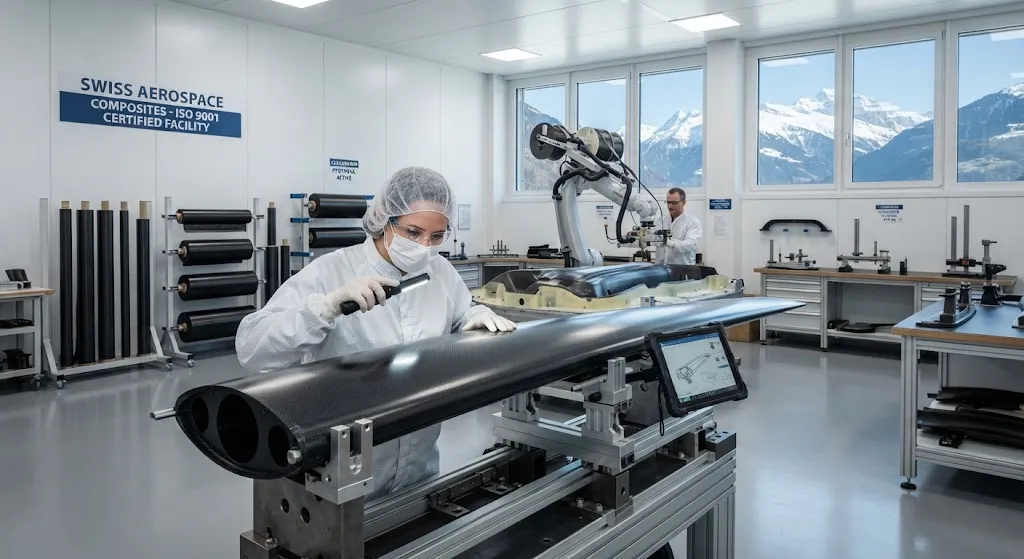
Switzerland manufactures carbon fiber components the way it manufactures watches: slowly, precisely, and with a tolerance budget that most competitors would consider excessive. The country consumes a modest volume of carbon fiber in global terms, but it occupies an outsized position in high-value composite applications — aerospace primary structures, medical devices, robotics and precision machinery — where quality, traceability and regulatory compliance matter more than price per kilogram. In 2026 this precision orientation is consolidating rather than eroding, driven by reshored manufacturing capacity and by a medical device sector that increasingly relies on composite materials for imaging and surgical applications.
Three pillars define the Swiss carbon fiber landscape. The first is aerospace, anchored by Pilatus Aircraft and its investment in in-house primary structure manufacturing. The second is medical devices, where carbon fiber's radiolucency and stiffness have made it the material of choice for imaging tables, surgical instruments and implantable devices. The third is industrial precision: robotics, machining and automation companies that use carbon fiber where stiffness-to-weight or thermal stability beats metal. This article examines each pillar and what they mean for suppliers seeking Switzerland's demanding but rewarding market.
The Precision Manufacturing Context
Switzerland's manufacturing strength rests on high-value, low-volume production. Labor costs are among the highest in Europe, energy is expensive, and environmental regulation is strict, so the market rewards products that cannot be made cheaply elsewhere. Carbon fiber fits this profile better than almost any material: its processing requires skill, capital and rigorous process control, and its end products command premium pricing. The table below summarizes the principal demand segments for carbon fiber in Switzerland:
| Sector | Representative Companies | Carbon Fiber Relevance | Qualification Environment |
|---|---|---|---|
| Aerospace | Pilatus, RUAG | Primary structures, interiors, control surfaces | Aerospace-grade material qualification |
| Medical devices | Imaging OEMs, instrument makers | Radiolucent tables, surgical tools, implants | ISO 13485, EU MDR, Swissmedic |
| Industrial and robotics | ABB, machine tool builders | Robot arms, machine components, spindles | Industrial specs, long-term supply |
| Precision instruments | Watch and sensor makers | Micro parts, hybrid casings, springs | Design-led, small batch |
Two structural features distinguish Switzerland from larger composite markets. The first is the emphasis on engineering services alongside parts production: customers buy the process knowledge, the documentation and the certification as much as the part itself. The second is the willingness to pay for lot-to-lot consistency: a Swiss medical device maker will reject a batch on traceability grounds that an industrial customer elsewhere would accept without question. Suppliers must bring documentation discipline, not just material quality.
Pilatus and In-House Primary Structures
Aerospace remains the flagship of Swiss carbon fiber manufacturing. Pilatus Aircraft, based in Stans, produces the PC-12 turboprop and the PC-24 business jet, both of which use composite structures in primary and secondary roles. In 2026 the company's strategic direction is unmistakable: it opened the CHF 100 million Schwarzhorn composite center with around 300 employees to bring primary structure fabrication in-house, reversing a long-standing pattern of outsourcing large composite parts to external partners.
The in-sourcing decision reflects a broader industry shift toward supply chain security and control over proprietary process knowledge. For Pilatus, making primary structures internally means tighter control of cure cycles, defect management and final assembly integration — factors that matter for aircraft certification. For suppliers, the practical implication is that the in-house center consumes carbon fiber prepregs, adhesives and core materials under strict aerospace specifications, while the remaining outsourced work increasingly goes to Swiss and European partners with proven qualification credentials rather than to low-cost offshore producers.
Medical Device Composites and Regulatory Pathways
Medical devices are the fastest-growing carbon fiber application in Switzerland. The country's medtech industry generates annual revenues well above CHF 30 billion, and composite materials penetrate it in three distinct directions:
- Radiolucent imaging components: Carbon fiber imaging tables, headrests and positioning aids are transparent to X-rays and CT scans, reducing artifacts while supporting patient weight. Demand tracks the global replacement cycle for imaging equipment.
- Surgical instruments and drills: Carbon fiber handles and shafts reduce surgeon fatigue, and composite drill bits and retractors offer stiffness with lower thermal conduction than metal equivalents.
- Implantable and CFR-PEEK devices: Carbon fiber reinforced PEEK combines radiolucency with mechanical properties close to cortical bone, making it the standard material for spinal fusion cages and trauma plates in growing volumes.
The regulatory environment shapes everything in this segment. Medical devices sold in the EU must carry CE marking under the Medical Device Regulation, and Swiss products must comply with Swissmedic requirements for the domestic market. Manufacturers operate under ISO 13485 quality management systems, which impose design controls, risk management documentation and full material traceability. For a carbon fiber supplier, medical qualification is a different world from aerospace: the language is biocompatibility testing, sterilization compatibility and change control, and the material forms demanded are often small — fine fabrics, thin tapes and specialty prepregs in controlled batches.
Robotics, Automation and Precision Industrial Composites
The third pillar is industrial precision. Swiss automation companies and machine builders use carbon fiber where dynamic stiffness and low mass translate directly into machine performance. A robot arm fabricated from carbon fiber carries its own weight more efficiently, allowing faster accelerations at the same motor torque, and composite machine components damp vibration better than equivalent steel or cast-iron parts. Demand drivers in this segment include:
- Robot arms and end-effectors: Lighter arms improve cycle time and energy efficiency in high-speed pick-and-place and assembly applications.
- Machine tool components: Composite spindles, covers and structural frames reduce thermal drift and improve surface finish at high speed.
- Semiconductor and measuring equipment: Ultra-stable carbon fiber structures hold dimensional accuracy in cleanroom environments where temperature variation is tightly controlled.
This segment is less regulated than medical or aerospace, but it is intensely specification-driven: customers publish material property targets, demand consistent batch properties, and source on long-term framework agreements. It rewards suppliers who can demonstrate repeatable mechanical performance rather than impressive single-sample data.
What Suppliers Should Know About the Swiss Market
Entering the Swiss carbon fiber market requires adjusting expectations about volume, pricing and qualification. Volume is small in absolute terms, but value per kilogram is high, and contracts are sticky once qualification is achieved. Pricing tolerance reflects the cost of failure: a defective aerospace spar or a rejected medical batch can cost more than the material value itself, so buyers pay for reliability. Logistically, Switzerland's position at the heart of Europe means fast delivery to nearly any destination, but customs documentation and dual-use classification for high-performance aerospace materials remain mandatory considerations. The realistic entry strategy is to pursue one pillar — medical, aerospace or industrial — qualify against its specific standards, and build references before expanding to the others.
Frequently Asked Questions
What makes Swiss carbon fiber manufacturing different from larger producing countries?
Switzerland focuses on high-value, low-volume precision applications rather than commodity volume. Its manufacturers compete on tight tolerances, traceability, regulatory compliance and engineering services, serving aerospace, medical device and precision industrial customers who prioritize quality and documentation over price per kilogram.
How does Pilatus Aircraft use carbon fiber in Switzerland?
Pilatus produces the PC-12 turboprop and PC-24 business jet with composite structures in primary and secondary roles. In 2026 it operates the CHF 100 million Schwarzhorn composite center with around 300 employees, bringing primary structure fabrication in-house to control cure cycles, defect management and certification requirements.
Why is carbon fiber used in medical devices made in Switzerland?
Carbon fiber is radiolucent, meaning it is transparent to X-rays and CT imaging, and it offers high stiffness with low weight. These properties make it the standard material for imaging tables, surgical instruments and CFR-PEEK spinal implants, all of which must meet ISO 13485, EU MDR and Swissmedic requirements.
What do suppliers need to qualify for Swiss aerospace or medical customers?
Suppliers must demonstrate rigorous documentation discipline alongside material quality: full traceability, lot-to-lot consistency, change control, and compliance with the relevant standards — aerospace-grade qualification for Pilatus and defense work, ISO 13485 and biocompatibility for medical devices. Small controlled batches and long-term supply agreements are the norm.
Conclusion
Switzerland's carbon fiber manufacturing economy is a study in precision over volume. Aerospace anchors the market through Pilatus and its in-sourcing strategy; medical devices pull demand through radiolucency-driven imaging components and CFR-PEEK implants; and industrial automation consumes composites wherever dynamic stiffness and low mass pay for themselves. The common thread is a buyer base that rewards traceability, consistency and regulatory compliance over price. For suppliers ready to bring documentation discipline and a long-term orientation, Switzerland remains one of the most stable and highest-value composite markets in Europe.
YongXian supplies carbon fiber fabrics, prepregs and reinforcement materials to aerospace, medical and industrial customers across Europe. Explore our carbon fiber product range or contact our team to discuss specifications and qualification support for Swiss market applications.
Part of topic
Related Articles
- Recycled Carbon Fiber Market Forecast 2030: Technology Maturity and Commercialization Path
- South Korea Carbon Fiber Market 2026: Hydrogen Economy and Shipbuilding Innovation
- Wind Turbine Blade Leading Edge Protection 2026: Polyurethane, Tape, and Metallic Shield Solutions
- China Carbon Fiber Overcapacity 2026: Price War Impact and Industry Consolidation
- India Carbon Fiber Market 2026: Wind Energy, Aerospace, and Defense Expansion
- PAN Precursor Market 2026: Acrylonitrile Supply and Carbon Fiber Cost Structure
Interested in Our Products?
Contact our team for competitive pricing and technical specifications.
Get a QuoteRelated Products
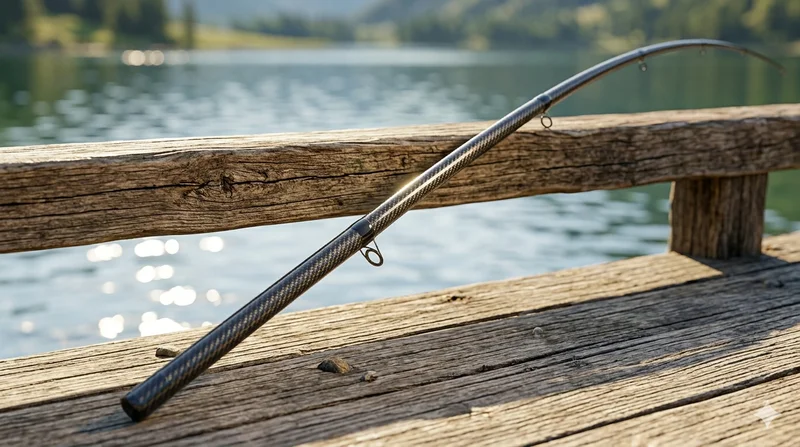
Carbon Fiber Fishing Rod Blank
High-quality carbon fiber fishing rod blank manufactured from multiple grades of Toray carbon fiber cloth. Available in a wide range of lengths, powers, and actions for freshwater and saltwater applications. Suitable for OEM rod building.
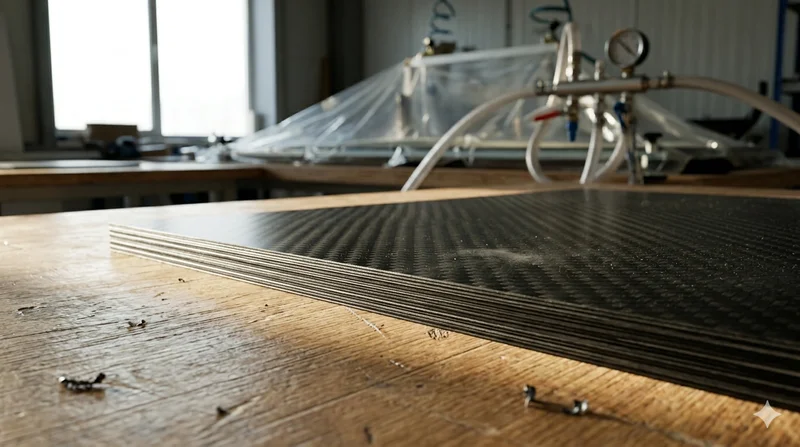
Carbon Fiber Plate — 3K Twill T700 3.0mm
Medium-thickness 3.0mm carbon fiber plate offering significantly higher load capacity while maintaining attractive 3K twill finish. Suitable for structural brackets, reinforcement plates, and load-bearing panels.
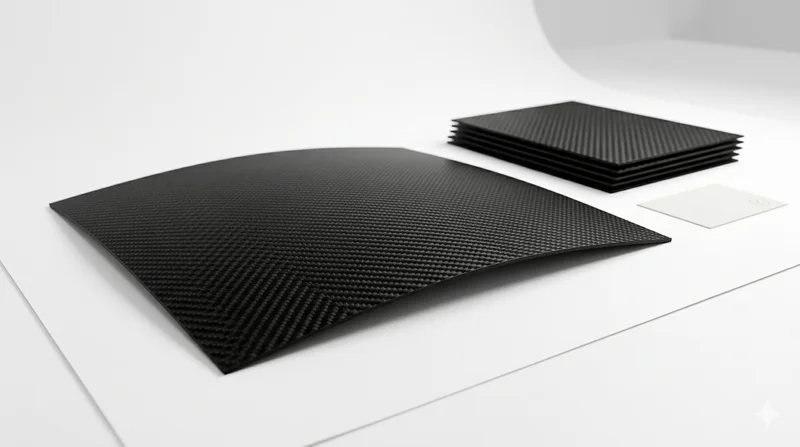
Carbon Fiber Plate — 3K Twill T700 1.5mm
Thin 1.5mm carbon fiber plate with 3K twill weave surface. Lightweight and stiff, commonly used for covers, panels, drone bodies, and applications requiring a premium aesthetic appearance.
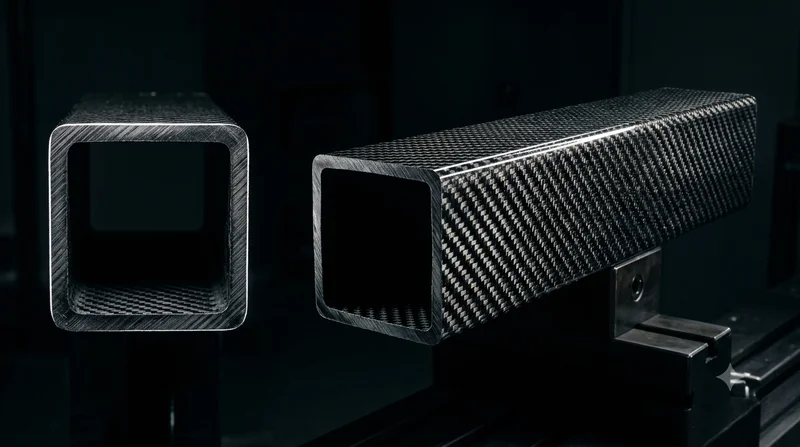
Square Carbon Fiber Tube — 3K Twill T700
Square cross-section carbon fiber tube manufactured with 3K twill weave for torsional strength. Preferred for structural frames, trusses, and support columns where rectangular geometry offers design flexibility.
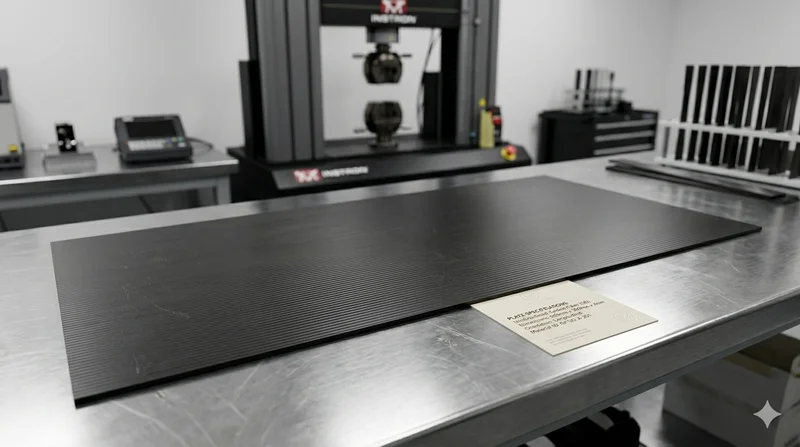
Carbon Fiber Plate — UD Unidirectional T700
Unidirectional carbon fiber plate with all fibers oriented in a single direction for maximum strength along the fiber axis. Essential for structural reinforcements, splints, and applications where load direction is predictable.