
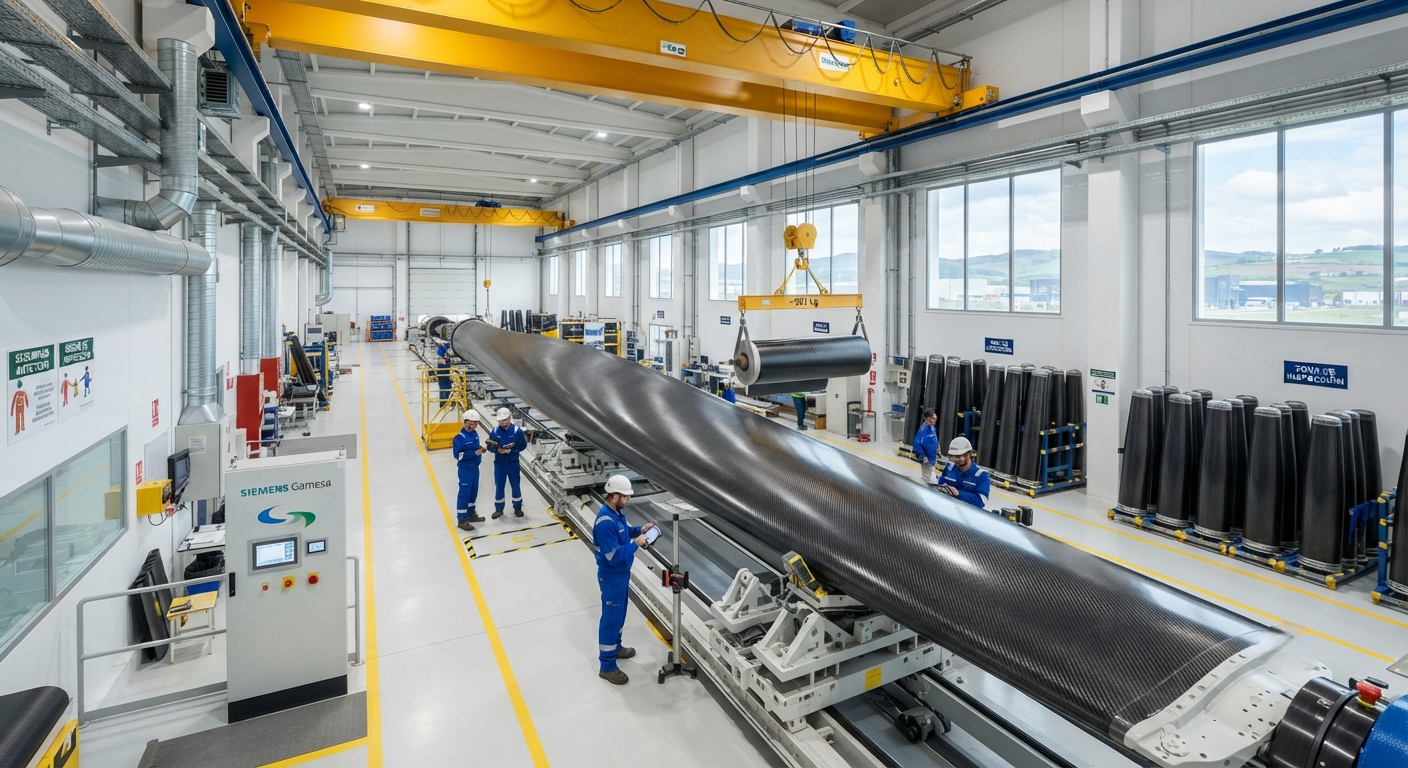
Spain's Position in the European Carbon Fiber Landscape Spain has emerged as a strategically important market for carbon fiber composites, driven by three interconnected industrial pillars: renewable ...
Spain's Position in the European Carbon Fiber Landscape
Spain has emerged as a strategically important market for carbon fiber composites, driven by three interconnected industrial pillars: renewable energy, aerospace manufacturing, and high-speed rail infrastructure. As European supply chains diversify away from single-source dependencies, Spain's established composite manufacturing base and growing demand for lightweight materials position it as a key growth market for carbon fiber suppliers and fabricators through 2026 and beyond.
According to the European Composites Industry Association (EuCIA), Spain consumed approximately 8,200 metric tonnes of carbon fiber composites in 2025, with projections reaching 11,500 tonnes by 2028 — a compound annual growth rate (CAGR) of 11.8%. This growth rate outpaces the European average of 8.3%, positioning Spain as one of the fastest-growing composite markets in Southern Europe.
Wind Energy: The Primary Demand Driver
Spain is Europe's second-largest wind energy producer after Germany, with 30.2 GW of installed wind capacity as of early 2026. The Spanish government's updated National Energy and Climate Plan (NECP) targets 62 GW of wind capacity by 2030, requiring the installation of approximately 5,300 new wind turbines over the next four years. Each modern 6–8 MW onshore turbine requires 35–50 tonnes of carbon fiber-reinforced polymer (CFRP) for its blades alone, creating a projected demand of 185,000–265,000 tonnes of CFRP for blade manufacturing through 2030.
| Parameter | 2025 Actual | 2028 Projected | 2030 Target |
|---|---|---|---|
| Installed wind capacity (GW) | 30.2 | 44.5 | 62.0 |
| Carbon fiber composite demand for wind (tonnes) | 3,850 | 6,200 | 8,900 |
| Average blade length (meters) | 75 | 88 | 95 |
| CFRP content per blade (tonnes) | 12 | 17 | 22 |
| Leading Spanish blade manufacturers | Siemens Gamesa, Nordex, Enercon | Siemens Gamesa + 2 new facilities | 5 active facilities |
Blade manufacturers Siemens Gamesa Renewable Energy — headquartered in Zamudio, Basque Country — has publicly committed to increasing carbon fiber content from 45% to 65% of total blade weight by 2028, replacing glass fiber in load-bearing spar caps and shear webs. This shift alone represents an additional 2,800 tonnes of annual carbon fiber demand from Spanish wind energy production.
Aerospace and Defense Opportunities
Spain's aerospace sector contributed €12.4 billion to GDP in 2025, with Airbus España as the dominant manufacturer. The Airbus A350 XWB — assembled in part at Getafe (Madrid) and Illescas (Toledo) — uses 53% composite materials by structural weight, including carbon fiber wings, fuselage panels, and tail structures. Production rates for the A350 family have increased to 12 aircraft per month as of Q2 2026, driving sustained demand for prepreg carbon fiber and automated fiber placement (AFP) services.
Key opportunities for carbon fiber suppliers in the Spanish aerospace market include:
- Airbus A321XLR wing production — wing components manufactured at Getafe require new CFRP wing-box structures, estimated at 6.5 tonnes of carbon fiber per aircraft set
- Eurofighter Typhoon sustainment — Spanish Air Force fleet upgrades and radar-transparent composite radomes for the Halcon II program
- Future Combat Air System (FCAS) — Spain holds a 16% industrial share in the Next Generation Weapon System (NGWS), with CFRP airframe prototypes expected by 2028
- Satellite and launcher composites — PLD Space's Miura 5 reusable rocket uses carbon fiber tanks and structural components for mass reduction
- MRO demand — Repairs and replacements for the existing fleet of composite-intensive aircraft operating from Spanish airports
High-Speed Rail and Infrastructure
Spain operates the second-longest high-speed rail network in the world at 4,500 km, second only to China. The Spanish railway operator Renfe and infrastructure manager Adif have initiated a composite materials program targeting a 25% weight reduction in rolling stock components. CFRP applications under development include:
- Interior paneling and seat structures (currently aluminum, target: 40% weight reduction)
- Pantograph components for high-speed catenary contact
- Bogie fairings and aerodynamic covers
- Battery enclosures for hybrid and hydrogen-powered trains
Adif's procurement framework for 2026–2028 includes a dedicated budget of €240 million for lightweight composite procurement across the network, with carbon fiber composites expected to comprise 35% of this allocation.
Market Entry Considerations
For carbon fiber manufacturers and intermediate goods suppliers considering the Spanish market, the following factors are critical:
- Local content requirements — Spanish wind and rail tenders increasingly require ≥30% local content; partnerships with Spanish composite processors such as Aludium or Grupo Antolin may be necessary
- Regulatory alignment — Spanish construction regulations (CTE) and rail standards (RCF) reference European EN and ISO standards; certification to EN 17134 (ISO 14130) for composite material testing is mandatory
- Transport logistics — The ports of Bilbao, Valencia, and Barcelona offer direct container routes to Asian carbon fiber production centers, with average transit times of 28–35 days from China
- R&D incentives — The Spanish Centre for the Development of Industrial Technology (CDTI) funds composite R&D projects covering up to 65% of eligible costs under the Cervera Technology Centres program
Frequently Asked Questions
What is the primary application of carbon fiber in Spain?
Wind energy is the dominant application, accounting for approximately 47% of all carbon fiber composite consumption in Spain. The Spanish wind energy sector's demand is projected to grow from 3,850 tonnes (2025) to 8,900 tonnes (2030), driven by increasing blade lengths and CFRP content ratios.
Which carbon fiber grades are most in demand by Spanish manufacturers?
Standard modulus (230 GPa) PAN-based carbon fiber in 12K and 24K tow sizes dominates the Spanish market, accounting for approximately 72% of consumption. Intermediate modulus (290–320 GPa) grades are growing rapidly in aerospace applications, particularly for Airbus A350 and A321XLR wing structures.
How does Spain's carbon fiber import tariff structure work?
As an EU member state, Spain applies the Common Customs Tariff (CCT). Carbon fiber products under HS code 6815.11 carry a 4.7% import duty for non-preferential origins. Carbon fiber from China is subject to anti-dumping duties ranging from 8.4% to 19.3% depending on the exporter, as per EU regulation 2020/1150 as amended.
Are there Spanish carbon fiber recycling facilities?
Yes. ELG Carbon Fibre operates a recycling facility in Barcelona capable of processing 2,000 tonnes per year of carbon fiber waste. The recycled fiber output (rCF) is used primarily in non-structural automotive and construction applications. Instron's Innate composite recycling pilot in Navarra is expected to add regional capacity by mid-2027.
Part of topic
Related Articles
- Recycled Carbon Fiber Market Forecast 2030: Technology Maturity and Commercialization Path
- South Korea Carbon Fiber Market 2026: Hydrogen Economy and Shipbuilding Innovation
- Wind Turbine Blade Leading Edge Protection 2026: Polyurethane, Tape, and Metallic Shield Solutions
- China Carbon Fiber Overcapacity 2026: Price War Impact and Industry Consolidation
- India Carbon Fiber Market 2026: Wind Energy, Aerospace, and Defense Expansion
- PAN Precursor Market 2026: Acrylonitrile Supply and Carbon Fiber Cost Structure
Interested in Our Products?
Contact our team for competitive pricing and technical specifications.
Get a QuoteRelated Products
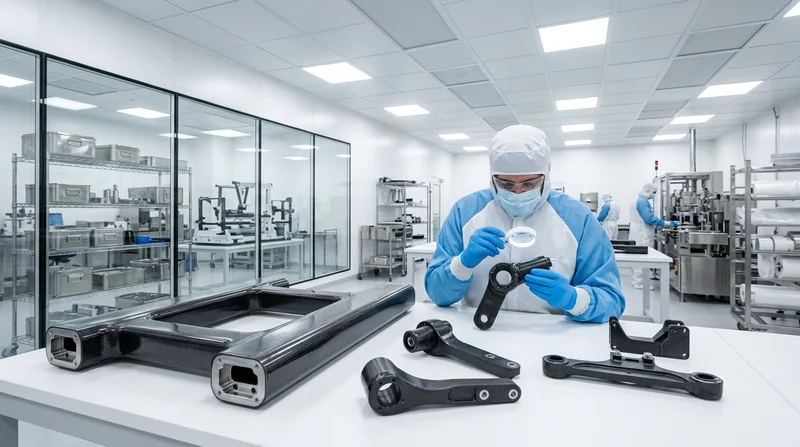
Custom Carbon Fiber Medical Device Components
Medical-grade carbon fiber components manufactured for imaging equipment, surgical instruments, and patient support systems. Carbon fiber's radiolucency (X-ray transparency) and high strength-to-weight ratio make it ideal for CT scanner beds, wheelchair frames, surgical robot arms, and MRI-compatible accessories. Biocompatible resin systems available.
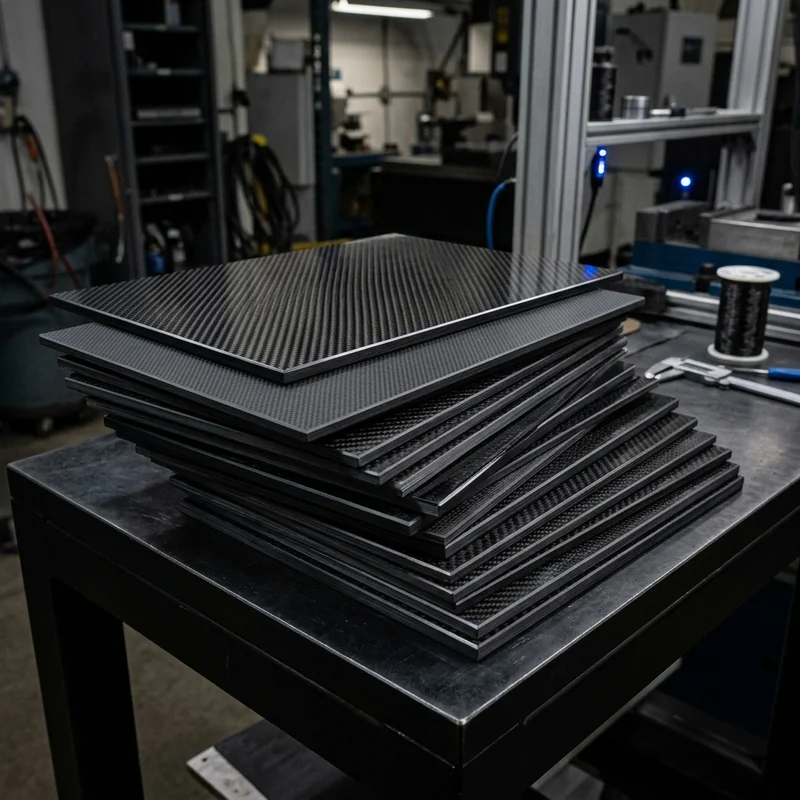
Carbon fiber standard plate-3k stripe
Lightweight, ultra-rigid standard sheets for drone fuselages, robot housings, facades and structural applications.

Square Carbon Fiber Tube — 3K Twill T700
Square cross-section carbon fiber tube manufactured with 3K twill weave for torsional strength. Preferred for structural frames, trusses, and support columns where rectangular geometry offers design flexibility.

Carbon Fiber Plate — 3K Twill T700 3.0mm
Medium-thickness 3.0mm carbon fiber plate offering significantly higher load capacity while maintaining attractive 3K twill finish. Suitable for structural brackets, reinforcement plates, and load-bearing panels.

Carbon Fiber Plate — 3K Twill T700 1.5mm
Thin 1.5mm carbon fiber plate with 3K twill weave surface. Lightweight and stiff, commonly used for covers, panels, drone bodies, and applications requiring a premium aesthetic appearance.