
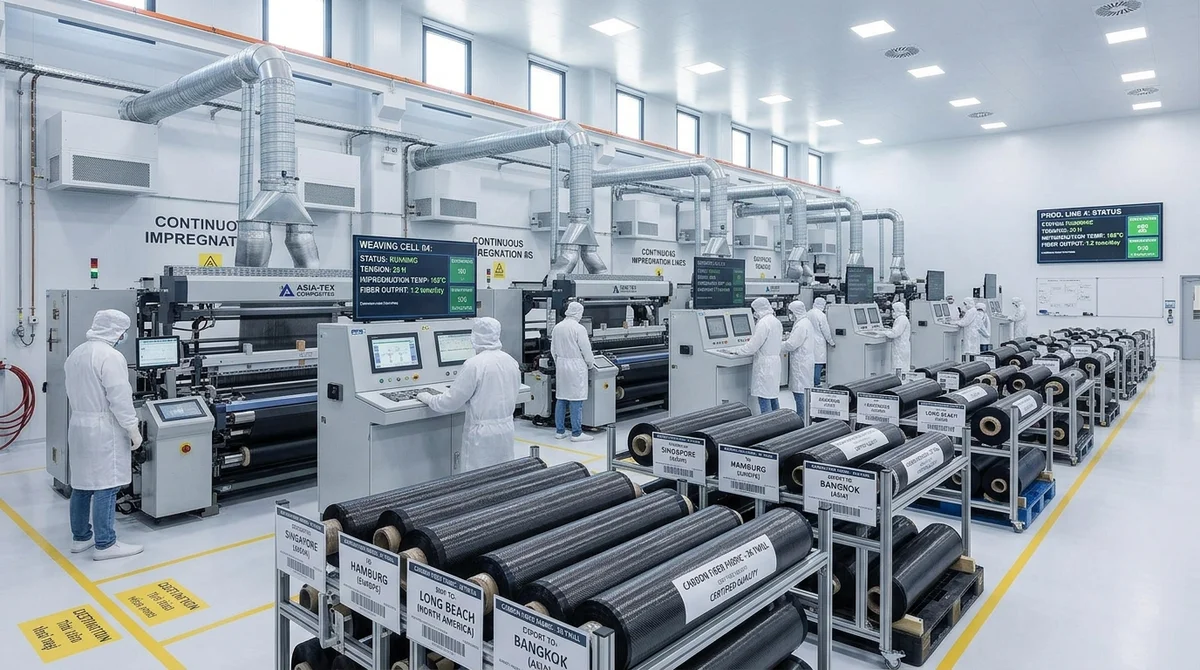
Southeast Asia is emerging as a major carbon fiber consumption hub. This market analysis examines demand drivers, import trends, and supplier opportunities across Thailand, Vietnam, Indonesia, Malaysia, and the Philippines.
Introduction
Southeast Asia is rapidly transforming from a low-cost assembly destination into a sophisticated manufacturing hub with growing demand for advanced materials. Carbon fiber consumption in the ASEAN region is projected to grow at a compound annual growth rate (CAGR) of 14.2% from 2026 to 2031, reaching an estimated 8,500 metric tons by 2031 according to industry forecasts.
This market analysis examines the key drivers behind this growth, country-by-country import trends, and strategic considerations for carbon fiber suppliers looking to enter or expand in this dynamic market. Five primary economies—Thailand, Vietnam, Indonesia, Malaysia, and the Philippines—account for over 85% of regional carbon fiber consumption.
Market Size and Growth by Country
| Country | 2026 Est. Demand (tons) | 2026–2031 CAGR | Primary Industries | Import Tariff (Carbon Fiber) |
|---|---|---|---|---|
| Thailand | 950 | 12.8% | Automotive, Aerospace, Electronics | 1–5% |
| Vietnam | 820 | 16.5% | Consumer Goods, Sporting Goods, Marine | 0–3% (ASEAN FTA) |
| Malaysia | 680 | 10.2% | Aerospace, Electronics, Medical Devices | 0% (ASEAN FTA) |
| Indonesia | 540 | 15.1% | Automotive, Construction, Defense | 5–10% |
| Philippines | 320 | 13.4% | Aerospace MRO, Consumer Electronics | 3–7% |
| Others (Myanmar, Cambodia, etc.) | 190 | 11.5% | Various | Varies |
Total estimated regional demand in 2026: approximately 3,500 metric tons, representing roughly 6% of global carbon fiber consumption.
Key Demand Drivers
Automotive Manufacturing Shift
Southeast Asia has become a critical node in global automotive supply chains. Thailand produces over 1.8 million vehicles annually, while Vietnam's VinFast is scaling EV production. The region's EV battery enclosure market alone is expected to consume 400–600 tons of carbon fiber annually by 2028. Japanese and Korean OEMs operating in the region are increasingly specifying carbon fiber components for their global platforms.
Aerospace Maintenance, Repair, and Overhaul (MRO)
Singapore, Malaysia, and Thailand host major aerospace MRO facilities serving Asia-Pacific airlines. The Boeing 787 and Airbus A350, with 50% and 53% composite content by weight respectively, drive demand for carbon fiber repair materials. Regional MRO spending is projected to reach $12 billion by 2027, with composite repair materials representing approximately 3–4% of this total.
Consumer and Sporting Goods
Vietnam has become the world's second-largest exporter of sporting goods after China. Carbon fiber bicycle frame production in Vietnam grew 34% year-over-year in 2025. Badminton rackets, fishing rods, and golf shafts manufactured in SE Asia increasingly use intermediate-modulus carbon fiber, shifting from standard-grade materials.
Construction and Infrastructure
Indonesia's new capital city Nusantara and Thailand's Eastern Economic Corridor infrastructure projects are driving demand for CFRP reinforcement materials. Seismic retrofitting regulations in Indonesia and the Philippines are creating a growing market for carbon fiber wrap systems.
Supply Chain Dynamics
Currently, over 90% of carbon fiber consumed in Southeast Asia is imported from Japan (Toray, Teijin, Mitsubishi), China, and Taiwan. However, Thailand's PTT Global Chemical announced plans in late 2025 for a 2,000-ton annual capacity carbon fiber production facility in Rayong, expected online by 2028. If realized, this would be the first large-scale carbon fiber production plant in the ASEAN region.
Import patterns favor standard modulus fibers (75% of volume) with intermediate modulus growing at 18% annually as local manufacturers upgrade product specifications.
Strategic Recommendations for Suppliers
- Establish regional warehousing: Lead times of 4–6 weeks from Japan/China create inventory risk. Regional distribution hubs in Thailand or Malaysia reduce delivery to 3–5 days.
- Target free trade zones: Vietnam's FTZs and Malaysia's aerospace park offer duty-free import of carbon fiber for re-export manufacturing.
- Certify to local standards: Thai Industrial Standards Institute (TISI) and Indonesian National Standard (SNI) certifications are increasingly required for construction and automotive applications.
- Partner with MRO centers: Aerospace MRO demand offers high-margin, recurring revenue with long-term contracts.
FAQ
Which Southeast Asian country offers the best market entry for carbon fiber suppliers?
Thailand offers the broadest market access due to its established automotive and aerospace industries, lower import tariffs, and developing local production capacity. Vietnam offers the highest growth rate (16.5% CAGR) driven by sporting goods manufacturing and EV production.
What are the main challenges of entering the SE Asian carbon fiber market?
Key challenges include fragmented logistics infrastructure outside major cities, varying import regulations and tariff structures across ASEAN member states, limited local technical support capabilities, and competition from established Japanese trading companies with long-standing relationships.
How do tariff structures affect pricing in the region?
ASEAN Free Trade Agreement (AFTA) members (Thailand, Malaysia, Vietnam, Indonesia, Philippines) apply 0–5% tariffs on carbon fiber imports from other ASEAN countries. However, imports from China and Japan face 5–15% duties depending on the country, creating a 5–10% cost advantage for locally produced or ASEAN-sourced materials.
Part of topic
Related Articles
- Recycled Carbon Fiber Market Forecast 2030: Technology Maturity and Commercialization Path
- South Korea Carbon Fiber Market 2026: Hydrogen Economy and Shipbuilding Innovation
- Wind Turbine Blade Leading Edge Protection 2026: Polyurethane, Tape, and Metallic Shield Solutions
- China Carbon Fiber Overcapacity 2026: Price War Impact and Industry Consolidation
- India Carbon Fiber Market 2026: Wind Energy, Aerospace, and Defense Expansion
- PAN Precursor Market 2026: Acrylonitrile Supply and Carbon Fiber Cost Structure
Interested in Our Products?
Contact our team for competitive pricing and technical specifications.
Get a QuoteRelated Products
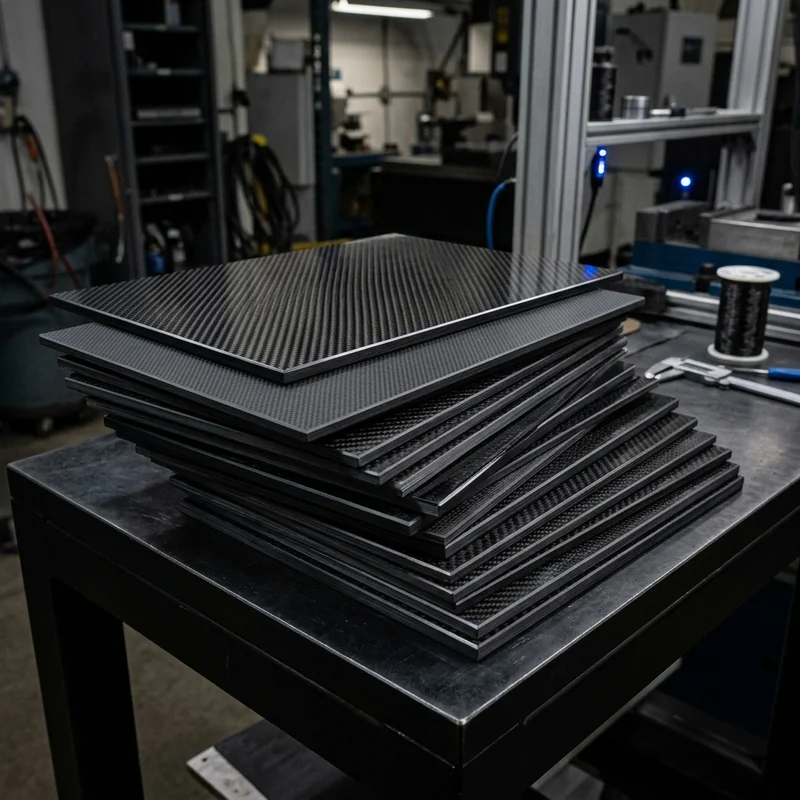
Carbon fiber standard plate-3k stripe
Lightweight, ultra-rigid standard sheets for drone fuselages, robot housings, facades and structural applications.
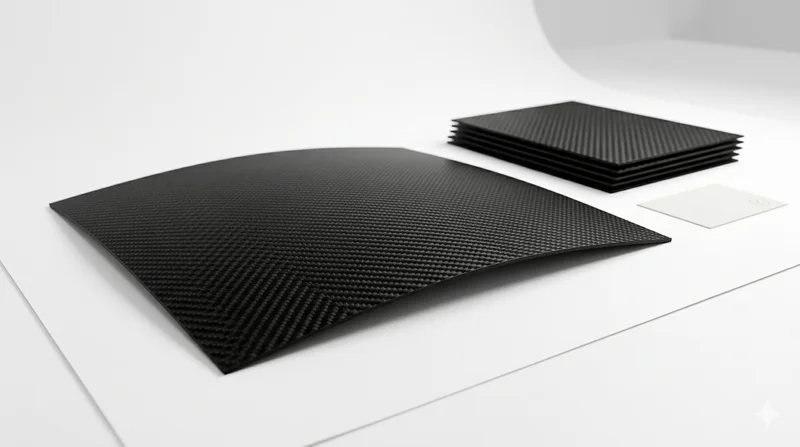
Carbon Fiber Plate — 3K Twill T700 1.5mm
Thin 1.5mm carbon fiber plate with 3K twill weave surface. Lightweight and stiff, commonly used for covers, panels, drone bodies, and applications requiring a premium aesthetic appearance.
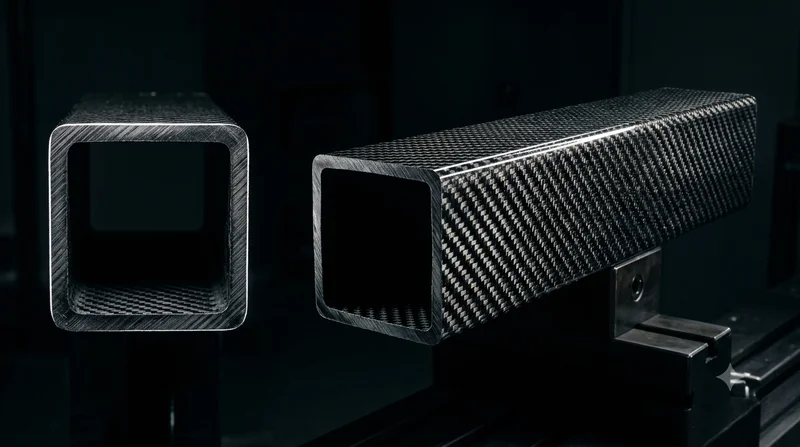
Square Carbon Fiber Tube — 3K Twill T700
Square cross-section carbon fiber tube manufactured with 3K twill weave for torsional strength. Preferred for structural frames, trusses, and support columns where rectangular geometry offers design flexibility.
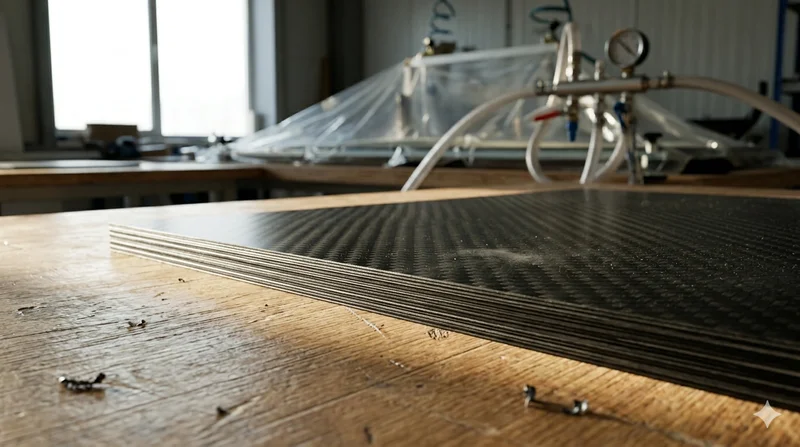
Carbon Fiber Plate — 3K Twill T700 3.0mm
Medium-thickness 3.0mm carbon fiber plate offering significantly higher load capacity while maintaining attractive 3K twill finish. Suitable for structural brackets, reinforcement plates, and load-bearing panels.
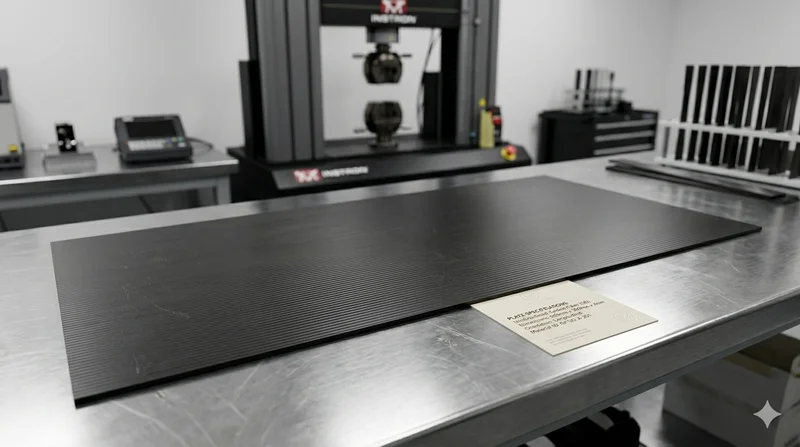
Carbon Fiber Plate — UD Unidirectional T700
Unidirectional carbon fiber plate with all fibers oriented in a single direction for maximum strength along the fiber axis. Essential for structural reinforcements, splints, and applications where load direction is predictable.