
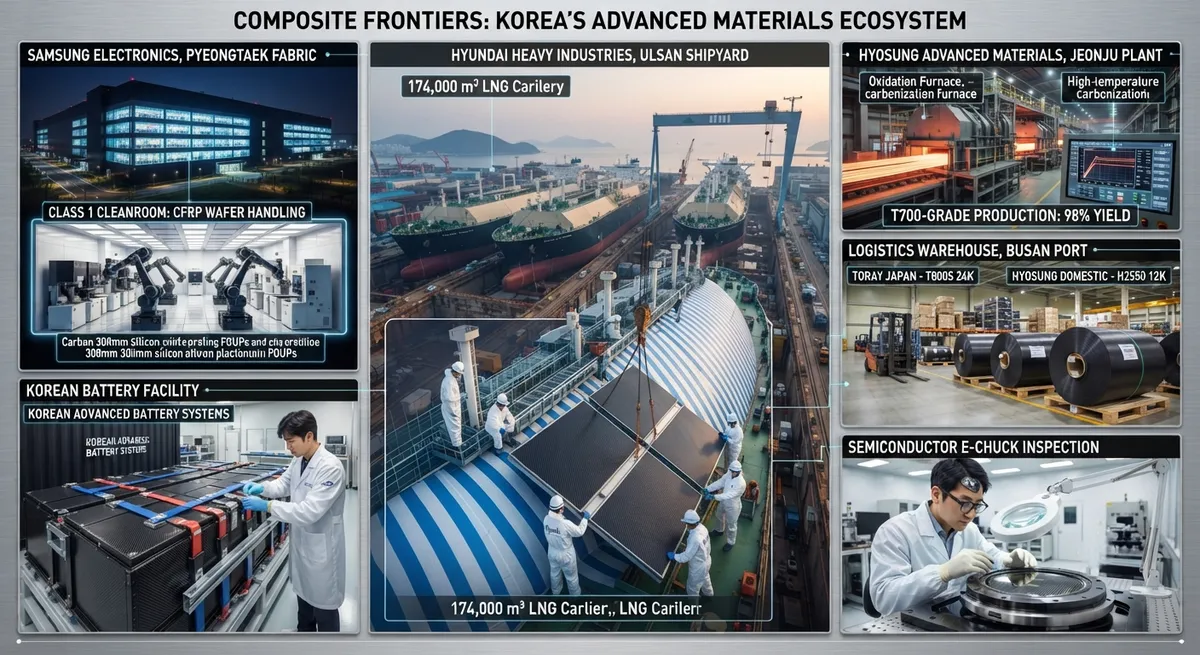
South Korea is emerging as a major carbon fiber consumer in 2026, driven by massive LNG carrier orders, semiconductor fab expansions, and a rapidly growing energy storage market. This analysis examines demand volumes, key Korean end-users, and import versus domestic supply dynamics.
South Korea's Three-Pillar Carbon Fiber Demand
South Korea has emerged as one of Asia's fastest-growing carbon fiber markets in 2026, driven by structural demand from three industrial pillars: shipbuilding (world's largest LNG carrier orderbook), semiconductor equipment manufacturing (a $45 billion industry), and energy storage systems (accelerated by Korea's RE100 commitments and battery recycling mandates). Total addressable carbon fiber consumption in Korea is projected at 9,800–10,500 tonnes in 2026, representing approximately 8% of global demand.
Demand Breakdown by Sector
| Sector | 2025 Est. (tonnes) | 2026 Proj. (tonnes) | Growth | Primary Application |
|---|---|---|---|---|
| Shipbuilding & Offshore | 4,200 | 5,200–5,600 | +26% | LNG tank insulation, composite pipes, hull components |
| Semiconductor Equipment | 2,100 | 2,800–3,200 | +40% | Wafer handling robots, E-chucks, chamber components |
| Energy Storage | 1,100 | 1,700–2,100 | +65% | Battery module housings, structural fire barriers |
| Automotive (incl. EV) | 850 | 950–1,100 | +20% | Drive shafts, structural reinforcements |
| Aerospace & Defense | 400 | 450–500 | +18% | Drone airframes, radar structures |
| Total | 8,650 | 11,100–12,500 | +35% |
Shipbuilding: The LNG Carrier Boom
Korea's Big Three shipyards — Hyundai Heavy Industries (HHI), Samsung Heavy Industries (SHI), and Daewoo Shipbuilding & Marine Engineering (DSME, now Hanwha Ocean) — held a combined orderbook of 108 LNG carriers as of Q2 2026, representing $47 billion in contract value. Each Moss-type or membrane-type LNG carrier requires 45–60 tonnes of carbon fiber composite materials for:
- Secondary insulation barriers — Carbon fiber-reinforced polyurethane foam panels provide the cryogenic insulation required to maintain LNG at −162°C. Compared to traditional glass fiber systems, carbon fiber reinforcement reduces insulation thickness by 30% while improving mechanical strength.
- Composite pipe systems — Ballast water handling, fire main, and seawater cooling lines are increasingly specified as CFRP to eliminate galvanic corrosion in the marine environment. A single LNG carrier uses 8–12 km of composite piping.
- Lightweight superstructure panels — Accommodation modules and bridge wings fabricated from carbon fiber sandwich panels reduce topside weight, improving vessel stability and fuel efficiency.
HD Hyundai's 2025 announcement of a "carbon-neutral LNG carrier" design specifies carbon fiber composites for 40% of the ship's non-hull structural weight, setting a new benchmark for the industry.
Semiconductor Equipment: Precision and Purity
South Korea's semiconductor industry, anchored by Samsung Electronics and SK Hynix, is investing $58 billion in new fab capacity between 2025 and 2028. Carbon fiber composites are increasingly specified in semiconductor manufacturing equipment for three reasons:
- Thermal stability: Carbon fiber's near-zero coefficient of thermal expansion (CTE) makes it ideal for wafer handling end-effectors, inspection stage platforms, and lithography frame components where sub-micron dimensional stability is required across a temperature range of 20–150°C.
- Chemical resistance: In wet etching and chemical mechanical planarization (CMP) tools, CFRP components resist attack by hydrofluoric acid, sulfuric acid, and other aggressive chemicals used in semiconductor processing.
- Vibration damping: Carbon fiber's high intrinsic damping coefficient (3–5× higher than aluminum) reduces mechanical vibration in high-precision wafer handling robots, improving die placement accuracy in advanced packaging lines.
Korean semiconductor equipment manufacturers — including SEMES, Wonik IPS, and TES — have established CFRP supply partnerships with Japanese prepreg makers (Toray, Teijin) and are actively seeking Korean and Chinese alternative sources to reduce dependence on Japanese imports.
Energy Storage Systems
Korea's energy storage market is undergoing a renaissance driven by three factors: (1) government mandates for 25 GWh of grid-scale storage by 2028, (2) the growing EV battery repurposing industry, and (3) RE100 corporate renewable energy commitments from Samsung, LG, and SK Group. Carbon fiber composites are used in battery housing and thermal management systems:
- Structural battery enclosures: CFRP battery module housings reduce weight by 50% compared to steel, increasing the energy density of containerized storage systems. A 20-foot containerized BESS using CFRP enclosures achieves 8.2 MWh capacity versus 5.8 MWh for steel — a 41% improvement.
- Fire barrier panels: Carbon fiber-reinforced fire barriers with intumescent coatings provide the mandatory 90-minute fire resistance rating required by Korean energy storage safety regulations (KEMCO guidelines, revised 2025).
- Thermal management components: Carbon fiber composite cooling plates for battery modules offer better thermal conductivity (320 W/m·K in-plane) than aluminum while weighing 40% less, improving both thermal performance and energy density.
Supply Dynamics: Domestic vs. Import
South Korea's domestic carbon fiber production capacity stands at approximately 4,500 tonnes per year from two producers:
- Hyosung Advanced Materials: 3,500 tonnes/year of T700-class PAN-based carbon fiber at its Jeonju plant. Hyosung announced a ₩420 billion ($310 million) expansion in 2025 targeting 7,000 tonnes/year by 2027.
- Kolon Industries: 1,000 tonnes/year of specialty carbon fiber at its Gimcheon plant, focused on high-modulus grades for aerospace and defense applications.
Domestic production covers approximately 40–45% of Korean demand in 2026. The remainder is imported from Japan (Toray, Teijin — 35–38%), China (Zhongfu Shenying, Guangwei Composites — 10–12%), and the United States (Hexcel — 3–5%). Korean fabricators report that Chinese carbon fiber has gained acceptance in non-critical applications (construction reinforcement, consumer goods) but is still viewed cautiously for shipbuilding and semiconductor equipment due to inconsistent quality in higher modulus grades.
Frequently Asked Questions
Which Korean industries are driving the highest growth in carbon fiber demand?
The fastest-growing sector is energy storage (65% YoY growth), driven by Korea's grid-scale battery deployment targets and RE100 commitments. Semiconductor equipment follows at 40% growth, fueled by the $58 billion fab expansion cycle. Shipbuilding remains the largest volume consumer in absolute terms (5,200+ tonnes) but grows at a more moderate 26% as LNG carrier deliveries are spread across 2026–2028.
Is South Korea dependent on Japanese carbon fiber imports?
Yes, significantly. Despite Hyosung's domestic production, Japan (Toray, Teijin, Mitsubishi Chemical) supplies 35–38% of Korean carbon fiber demand, particularly for high-modulus and aerospace-grade materials. Korean semiconductor equipment manufacturers in particular rely on Japanese prepregs certified for cleanroom use. However, Korean buyers are actively diversifying sources — Chinese producers have captured 10–12% of the market, and Hyosung's 2027 expansion is designed to reduce import dependency to under 50%.
How does Korean carbon fiber pricing compare to global benchmarks?
Korean domestic carbon fiber pricing is 8–12% above Chinese domestic prices but 5–8% below Japanese spot prices for equivalent grades, reflecting Korea's intermediate position in the global supply chain. Standard T700-grade 12K tow trades at approximately $22–$26/kg delivered to Korean ports (duty-paid), compared to $19–$22/kg in China and $25–$30/kg in Japan. Premium-grade materials (T800/M40J class) command $55–$85/kg depending on certification requirements.
Part of topic
Related Articles
- Recycled Carbon Fiber Market Forecast 2030: Technology Maturity and Commercialization Path
- South Korea Carbon Fiber Market 2026: Hydrogen Economy and Shipbuilding Innovation
- Wind Turbine Blade Leading Edge Protection 2026: Polyurethane, Tape, and Metallic Shield Solutions
- China Carbon Fiber Overcapacity 2026: Price War Impact and Industry Consolidation
- India Carbon Fiber Market 2026: Wind Energy, Aerospace, and Defense Expansion
- PAN Precursor Market 2026: Acrylonitrile Supply and Carbon Fiber Cost Structure
Interested in Our Products?
Contact our team for competitive pricing and technical specifications.
Get a QuoteRelated Products
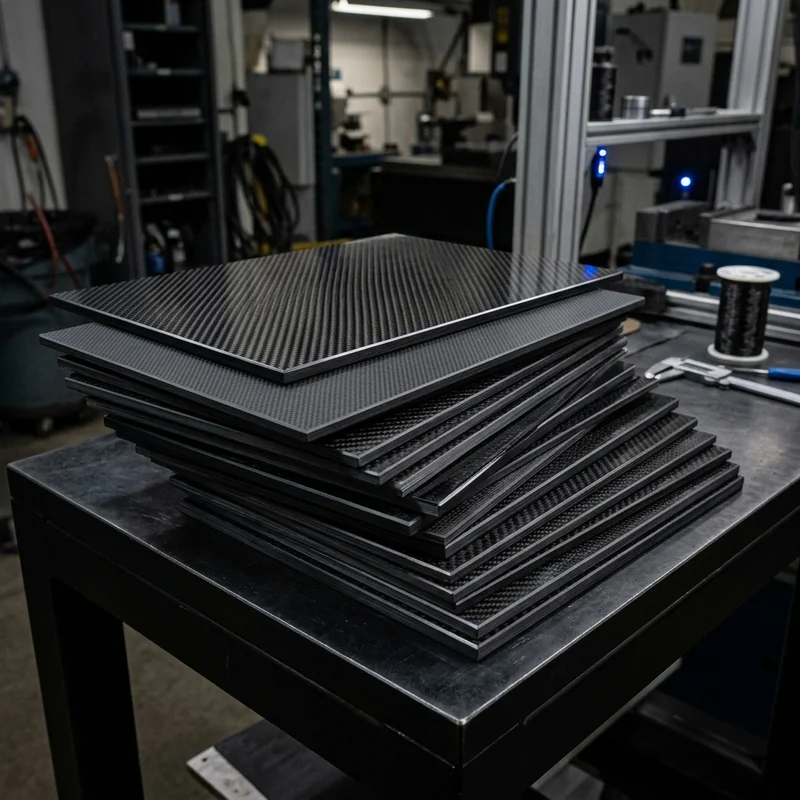
Carbon fiber standard plate-3k stripe
Lightweight, ultra-rigid standard sheets for drone fuselages, robot housings, facades and structural applications.
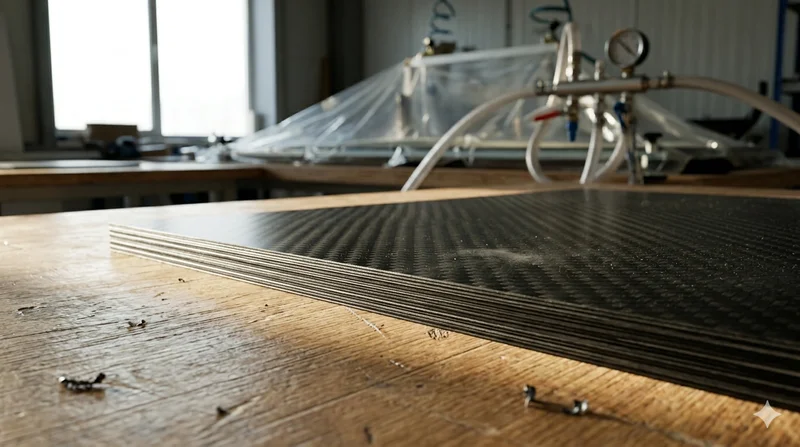
Carbon Fiber Plate — 3K Twill T700 3.0mm
Medium-thickness 3.0mm carbon fiber plate offering significantly higher load capacity while maintaining attractive 3K twill finish. Suitable for structural brackets, reinforcement plates, and load-bearing panels.
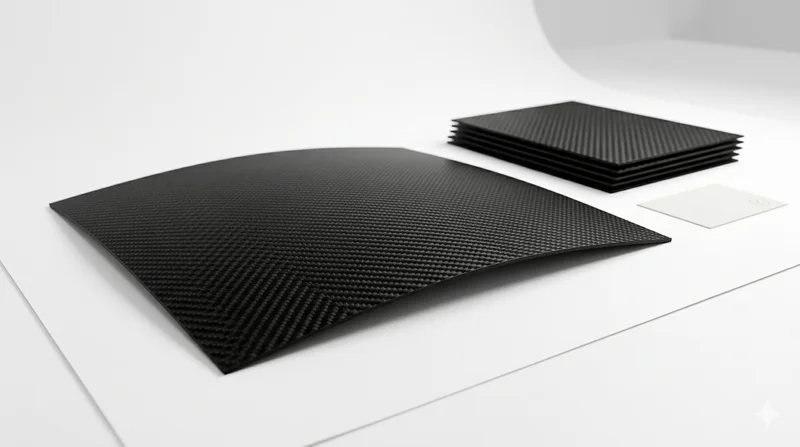
Carbon Fiber Plate — 3K Twill T700 1.5mm
Thin 1.5mm carbon fiber plate with 3K twill weave surface. Lightweight and stiff, commonly used for covers, panels, drone bodies, and applications requiring a premium aesthetic appearance.
Custom Carbon Fiber Medical Device Components
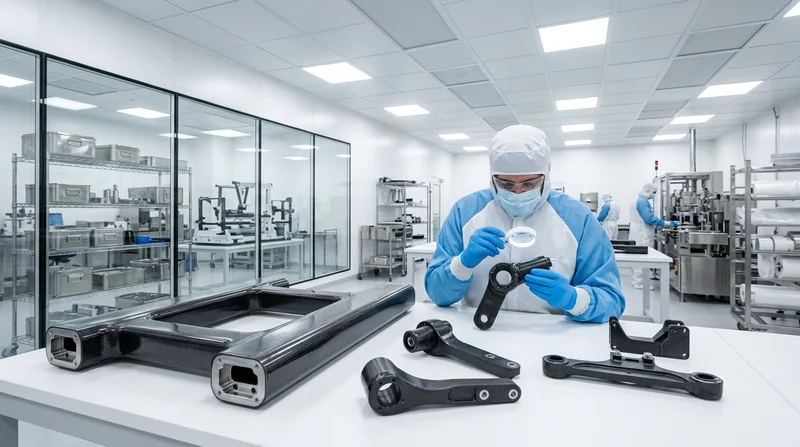
Medical-grade carbon fiber components manufactured for imaging equipment, surgical instruments, and patient support systems. Carbon fiber's radiolucency (X-ray transparency) and high strength-to-weight ratio make it ideal for CT scanner beds, wheelchair frames, surgical robot arms, and MRI-compatible accessories. Biocompatible resin systems available.
Square Carbon Fiber Tube — 3K Twill T700
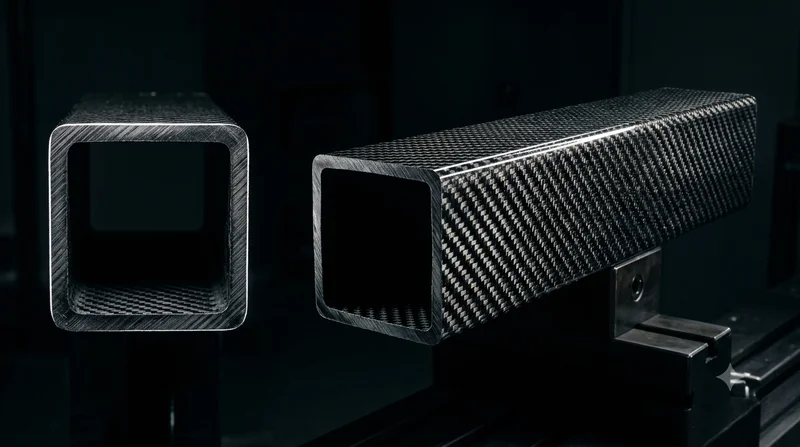
Square cross-section carbon fiber tube manufactured with 3K twill weave for torsional strength. Preferred for structural frames, trusses, and support columns where rectangular geometry offers design flexibility.