
Market Overview: The Nordic Composites Landscape in 2026 The Nordic region — comprising Norway, Sweden, Denmark, Finland, and Iceland — represents a distinct sub-market within the global carbon fiber ...
Market Overview: The Nordic Composites Landscape in 2026
The Nordic region — comprising Norway, Sweden, Denmark, Finland, and Iceland — represents a distinct sub-market within the global carbon fiber industry, characterized by high technical specifications, stringent environmental compliance requirements, and a concentrated demand base anchored in renewable energy and maritime sectors. According to industry data compiled by the Nordic Composites Association (NCA), the region consumed approximately 8,200 metric tonnes of carbon fiber in 2025, with projections indicating a compound annual growth rate (CAGR) of 14.7% through 2028 — outpacing the global average of 11.2%.
Three sectors account for over 78% of regional carbon fiber consumption: wind energy (42%), maritime and offshore structures (22%), and hydropower infrastructure (14%). The remaining 22% is distributed across automotive, aerospace, sporting goods, and general industrial applications. This concentrated demand profile creates both opportunities and risks for suppliers: the region is susceptible to sector-specific demand shocks but offers stable, long-term offtake agreements from utility-scale energy projects.
Wind Energy: The Dominant Demand Driver
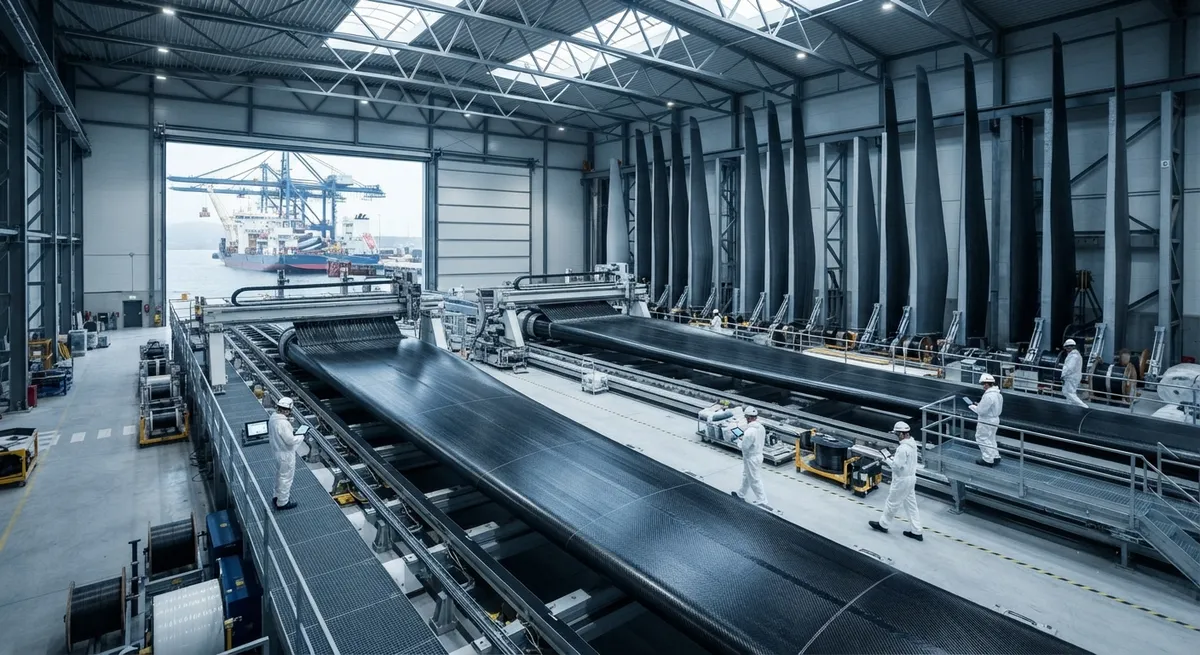
The Nordic offshore wind pipeline in 2026 is the most ambitious in European history. Denmark's Energy Island project in the North Sea, Norway's Sørlige Nordsjø II (SN2) offshore wind zone, and Sweden's Kriegers Flak extension are collectively expected to require over 2,800 offshore wind turbines by 2030. The majority of these turbines will be in the 12–18 MW class, requiring blades in the 108–135 meter range — lengths only achievable with carbon fiber-reinforced spar caps and shear webs.
| Project | Country | Capacity (GW) | Turbines Planned | Blade Length (m) | Est. Carbon Fiber (tonnes) |
|---|---|---|---|---|---|
| Energy Island (Phase 1) | Denmark | 3.0 | 200 | 125–135 | 8,500 |
| Sørlige Nordsjø II (SN2) | Norway | 1.4 | 100 | 115–125 | 4,200 |
| Kriegers Flak Extension | Sweden | 1.2 | 85 | 108–120 | 3,600 |
| Suomenlahti Offshore | Finland | 0.8 | 55 | 100–115 | 2,100 |
| Total (Selected Projects) | 6.4 | 440 | 18,400 |
The carbon fiber requirement for blade structures alone across these four projects — approximately 18,400 metric tonnes — represents more than two years of the entire Nordic region's current annual consumption. This demand surge has prompted major carbon fiber producers including Toray, SGL Carbon, and Hexcel to announce capacity expansions at existing European facilities and, notably, a new dedicated wind-energy-grade carbon fiber line planned for southern Sweden with a 5,000-tonne annual capacity, scheduled for commissioning in Q1 2027.
Maritime Decarbonization: A Structural Shift Toward Composites
The maritime sector's transition away from steel and aluminum toward lightweight composite structures is accelerating under the combined pressure of FuelEU Maritime regulations (effective January 2025) and the IMO's revised 2030 targets requiring a 30% reduction in carbon intensity relative to 2008 baseline levels. Carbon fiber composites offer a 40–60% weight reduction over steel equivalents in superstructures, hatch covers, masts, and internal fittings, directly translating to reduced fuel consumption and lower emissions per voyage.
Nordic shipyards — including Finland's Meyer Turku, Norway's Ulstein Verft, and Denmark's Hvide Sande Shipyard — have been early adopters of carbon fiber in both new-build and retrofit programs. Current demand is concentrated in four application areas:
- Passenger Ferry Superstructures: Scandlines and DFDS have committed to carbon fiber superstructures on six new hybrid-electric ferries, reducing top-weight by an average of 120 tonnes per vessel and improving fuel efficiency by 12–15%.
- Rigid Inflatable Boats (RIBs) and Workboats: Carbon fiber hulls for search-and-rescue, pilot transfer, and offshore service vessels now account for approximately 18% of Nordic marine composite production volume.
- Fishing Vessel Refits: Norway's Directorate of Fisheries has allocated NOK 450 million (approximately EUR 39 million) for lightweight composite refits of the coastal fishing fleet to reduce fuel subsidies and lower emissions.
- Naval Vessels: The Royal Norwegian Navy's new submarine rescue vessel and the Swedish Navy's next-generation corvette program both specify carbon fiber for mast structures and deck housings.
The Nordic maritime carbon fiber market is projected to grow from approximately 1,800 tonnes in 2025 to 3,900 tonnes by 2028 — a CAGR of 21.3%, the fastest growth rate among all downstream sectors in the region.
Hydroelectric Infrastructure Modernization
Norway and Sweden operate some of the world's oldest hydroelectric facilities — 38% of Norway's installed hydropower capacity and 42% of Sweden's were commissioned before 1980. The civil engineering challenge of extending the operational lifetime of these assets by 30–50 years has created a specialized demand for carbon fiber composites in three distinct applications:
- Penstock Lining and Rehabilitation: Carbon fiber-reinforced polymer (CFRP) liners for refurbishing aging steel penstocks — delivering corrosion resistance, reduced friction losses (3–5% efficiency gain), and seismic retrofitting — have been deployed at 15 Norwegian hydro sites since 2023.
- Turbine Runner Repair: Carbon fiber patches and strengthening wraps for cavitation-damaged Francis and Kaplan turbine runners. This technique extends runner service life by 8–12 years at approximately 30% of the cost of runner replacement.
- Trash Rack and Intake Screen Reinforcement: CFRP grid structures replace corroded steel at intake works, offering maintenance-free service life exceeding 25 years in freshwater immersion environments.
The total addressable market for carbon fiber in Nordic hydroelectric infrastructure is estimated at approximately 1,500 tonnes through 2030, with the bulk of procurement concentrated in 2026–2028 as major refurbishment programs ramp up.
Supply Chain and Procurement Considerations
Industrial buyers sourcing carbon fiber for Nordic applications should evaluate suppliers against four specific regional requirements:
- Cold-Climate Resin Compatibility: Nordic applications — particularly offshore wind and maritime — require carbon fiber materials qualified for service temperatures as low as −30°C with survivability to −45°C. Standard/modulus-grade fibers with cold-climate-qualified sizing systems are strongly preferred.
- Environmental Certification: The Nordic Eco Label ("Nordic Swan") is increasingly specified in procurement tenders across all three downstream sectors. Suppliers must provide validated environmental product declarations (EPDs) covering cradle-to-gate carbon footprint, water consumption, and waste generation.
- Regional Warehousing: Lead times of 12–16 weeks from Asian producers are incompatible with the just-in-time delivery demands of Nordic construction schedules. Suppliers with bonded warehousing in Rotterdam, Gothenburg, or Oslo are competitively advantaged.
- Recyclability Compliance: The EU's Waste Framework Directive (2008/98/EC) as revised in 2025 imposes end-of-life recycling requirements on composite materials used in wind turbine blades and marine structures. Carbon fiber suppliers offering documented recycling pathways — whether pyrolysis, solvolysis, or cement kiln co-processing — receive preferential scoring in Nordic procurement evaluations.
Frequently Asked Questions
What is the current market price range for standard modulus carbon fiber delivered to Nordic ports?
Standard modulus (230 GPa) carbon fiber delivered to Rotterdam or Gothenburg in containerized 24K-50K tow format is currently priced at EUR 18.50–24.00 per kilogram (as of Q2 2026). Large-volume offtake agreements for wind-grade carbon fiber (24K-50K with approved sizing for epoxy infusion) can achieve pricing at the lower end of this range, typically EUR 18.50–20.50/kg for annual volumes exceeding 500 tonnes. Nordic purchasers should budget 12–15% premiums for cold-climate-qualified material with Nordic Swan certification.
How are Nordic wind energy projects structured to ensure long-term carbon fiber supply?
Major Nordic offshore wind developers are increasingly executing framework agreements — typically 5–7 year durations with annual volume commitments — directly with carbon fiber producers rather than relying entirely on tier-1 blade manufacturers. For example, Orsted's 2025 framework agreement with Toray Composite Materials covers approximately 60% of its projected carbon fiber requirements through 2032. These direct agreements provide producers with the demand visibility needed to justify capacity expansion investments.
What quality certifications are required for carbon fiber used in maritime applications under Nordic regulations?
Carbon fiber materials for Nordic maritime applications must comply with DNV Type Approval for composite materials (DNV-CG-0210) and IMO Resolution MSC.293(87) for fire-resisting materials. Additionally, Norway's Maritime Authority (NMA) requires specific documentation for outgassing characteristics and smoke toxicity per IMO FTP Code Part 2. For passenger vessels, materials used in superstructures must meet class B-s3-d2 fire reaction classification or better.
Part of topic
Related Articles
- Recycled Carbon Fiber Market Forecast 2030: Technology Maturity and Commercialization Path
- South Korea Carbon Fiber Market 2026: Hydrogen Economy and Shipbuilding Innovation
- Wind Turbine Blade Leading Edge Protection 2026: Polyurethane, Tape, and Metallic Shield Solutions
- China Carbon Fiber Overcapacity 2026: Price War Impact and Industry Consolidation
- India Carbon Fiber Market 2026: Wind Energy, Aerospace, and Defense Expansion
- PAN Precursor Market 2026: Acrylonitrile Supply and Carbon Fiber Cost Structure
Interested in Our Products?
Contact our team for competitive pricing and technical specifications.
Get a QuoteRelated Products
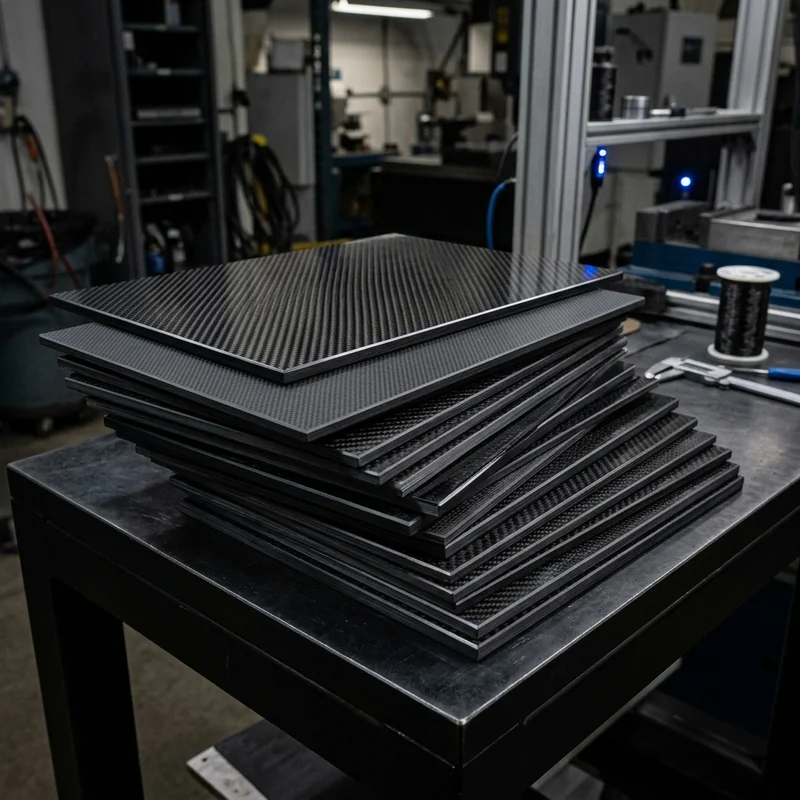
Carbon fiber standard plate-3k stripe
Lightweight, ultra-rigid standard sheets for drone fuselages, robot housings, facades and structural applications.
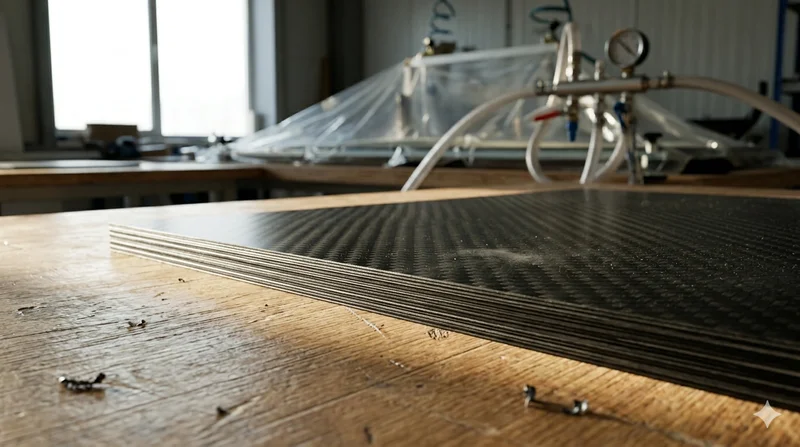
Carbon Fiber Plate — 3K Twill T700 3.0mm
Medium-thickness 3.0mm carbon fiber plate offering significantly higher load capacity while maintaining attractive 3K twill finish. Suitable for structural brackets, reinforcement plates, and load-bearing panels.

Carbon Fiber Plate — 3K Twill T700 1.5mm
Thin 1.5mm carbon fiber plate with 3K twill weave surface. Lightweight and stiff, commonly used for covers, panels, drone bodies, and applications requiring a premium aesthetic appearance.
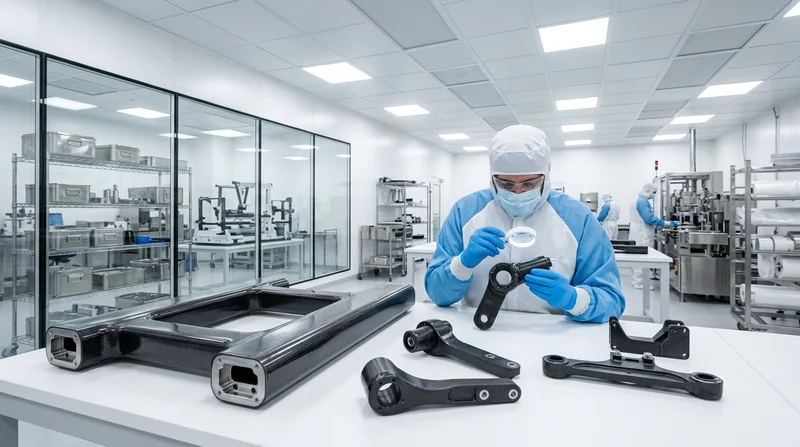
Custom Carbon Fiber Medical Device Components
Medical-grade carbon fiber components manufactured for imaging equipment, surgical instruments, and patient support systems. Carbon fiber's radiolucency (X-ray transparency) and high strength-to-weight ratio make it ideal for CT scanner beds, wheelchair frames, surgical robot arms, and MRI-compatible accessories. Biocompatible resin systems available.

Square Carbon Fiber Tube — 3K Twill T700
Square cross-section carbon fiber tube manufactured with 3K twill weave for torsional strength. Preferred for structural frames, trusses, and support columns where rectangular geometry offers design flexibility.