
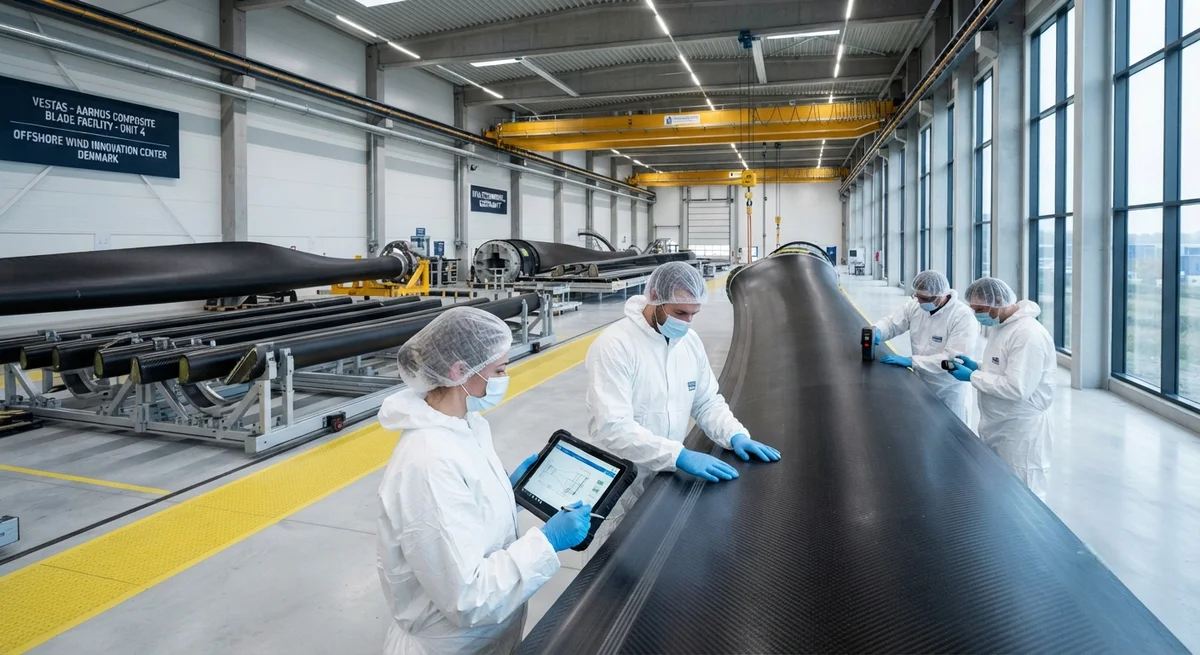
The Nordic region has emerged as a dominant force in the global carbon fiber composites market, driven by world-leading wind energy installations, a sophisticated maritime sector, and increasingly stringent sustainability regulations. This article examines market dynamics across Sweden, Norway, Denmark, Finland, and Iceland.
Market Overview: The Nordic Composites Landscape in 2026
The Nordic region comprising Sweden, Norway, Denmark, Finland, and Iceland has established itself as one of the most dynamic markets for carbon fiber composites in Europe. With a combined GDP exceeding USD 1.8 trillion and a pronounced industrial focus on renewable energy, maritime technology, and environmental sustainability, the Nordics present a compelling opportunity for B2B carbon fiber suppliers and manufacturers entering or expanding in the European market.
According to the Nordic Composites Association, the regional carbon fiber composite market was valued at approximately EUR 2.3 billion in 2025, with projections indicating a compound annual growth rate (CAGR) of 9.8% through 2030. This growth trajectory is fueled by three primary drivers: wind energy expansion, marine industry transformation, and regulatory pressure for sustainable materials across all manufacturing sectors.
For Chinese carbon fiber manufacturers like YongXian CarbonFiber, understanding the specific technical requirements, certification pathways, and supply chain nuances of the Nordic market is essential for capturing market share in this high-value region.
Wind Energy: The Primary Growth Engine
Offshore Wind Dominance
The Nordic countries are home to some of the largest offshore wind farms in the world. Denmark's Kriegers Flak, Sweden's Kriegers Flak extension, and Norway's Hywind Tampen floating wind farm have collectively driven massive demand for carbon fiber composites. Wind turbine blades increasingly rely on carbon fiber reinforcement to achieve longer blade lengths—turbines with 100-meter-plus blades now represent over 40% of new installations in the region.
Carbon fiber is used extensively in blade spar caps, shear webs, and root attachments. The material's high stiffness-to-weight ratio allows blade manufacturers to reduce mass by 25–35% compared to all-glass fiber designs while maintaining equivalent or superior structural performance. This weight reduction is particularly critical for floating offshore wind platforms, where top-side weight directly impacts floater size and mooring costs.
Key Nordic Wind Projects Driving Carbon Fiber Demand
| Project Name | Country | Capacity (MW) | Turbine Type | Blade Length (m) | Carbon Fiber Content per Blade (est. kg) | Commissioning Year |
|---|---|---|---|---|---|---|
| Kriegers Flak | Denmark | 604 | Siemens Gamesa SG 8.0-167 DD | 81.5 | 3,200 | 2021 (operational) |
| Hywind Tampen | Norway | 88 | Siemens Gamesa SG 8.0-167 DD (floating) | 81.5 | 3,200 | 2023 (operational) |
| Thor Offshore Wind Farm | Denmark | 1,000 | Vestas V236-15.0 MW | 115.5 | 8,500 | 2027 (planned) |
| Havsnäs Offshore | Sweden | 1,000 | Vestas V236-15.0 MW | 115.5 | 8,500 | 2028 (planned) |
| Sørlige Nordsjø II | Norway | 1,400 | Multiple 15 MW+ class | 115–120 | 9,000 | 2029 (planned) |
As the table demonstrates, carbon fiber content per blade has more than doubled from first-generation offshore turbines to the current 15 MW-class machines. A single Thor Offshore Wind Farm with 66 turbines will require approximately 1.7 million kilograms of carbon fiber composite material for blades alone, representing a significant supply opportunity.
Blade Manufacturing Specifications
Nordic wind turbine manufacturers typically specify carbon fiber materials to meet the following requirements:
- Fiber type: High-strength (T700-class) or intermediate-modulus (T800-class) PAN-based carbon fiber
- Areal weight: 300–600 g/m² unidirectional fabrics and 200–400 g/m² biaxial fabrics
- Resin systems: Epoxy infusion systems with glass transition temperatures (Tg) above 100°C for offshore applications
- Fatigue life: Minimum 20 million cycles at operational load levels per DNV-ST-0376 standard
- Certification: DNV type approval for all structural carbon fiber components
Marine Industry: Navigating Toward Composites
Naval and Commercial Vessel Adoption
The Nordic maritime sector is undergoing a significant transition toward carbon fiber composites for both naval and commercial vessels. The Swedish Navy's Visby-class corvettes, constructed largely from carbon fiber sandwich composites, demonstrated the viability of carbon fiber in demanding marine environments. This has led to broader adoption across the region's shipbuilding industry.
Carbon fiber composites offer distinct advantages for marine applications: they are immune to corrosion, reduce topside weight by up to 40% compared to steel, provide excellent vibration damping, and require significantly less maintenance over the vessel's lifecycle. For a Nordic context, where vessels operate in harsh saltwater environments with frequent freeze-thaw cycles, these properties are particularly valuable.
Marine Application Segments
- Naval vessels: Superstructures, masts, hatches, and weapon system enclosures on frigates and corvettes
- Fast ferries: Hull structures, decks, and interiors for high-speed lightweight passenger ferries in the Norwegian fjords and Danish straits
- Luxury yachts: Hulls, decks, masts, and interior structures for superyachts built at Baltic shipyards in Finland and Sweden
- Offshore service vessels: Deck houses, helidecks, and accommodation modules for oil and gas support vessels transitioning to renewable energy support
- Fishing vessels: Hulls and superstructures for next-generation fuel-efficient fishing trawlers
Sustainability Mandates Reshaping Material Selection
The Nordic countries are at the forefront of sustainability regulation, and this is having a profound impact on material selection in the composites industry. The European Union's Carbon Border Adjustment Mechanism (CBAM), the Nordic Ecolabel requirements, and country-specific carbon taxation frameworks are creating both challenges and opportunities for carbon fiber suppliers.
YongXian CarbonFiber's manufacturing processes, which utilize hydroelectric power and incorporate recycled carbon fiber streams, align well with the Nordic emphasis on lifecycle carbon accounting. European buyers increasingly require Environmental Product Declarations (EPDs) for all carbon fiber materials, documenting the carbon footprint from cradle to gate. Suppliers who can demonstrate low-carbon production and provide comprehensive EPD documentation have a significant competitive advantage in the Nordic market.
Supply Chain Considerations for Chinese Carbon Fiber Exporters
Entering the Nordic carbon fiber market requires attention to several critical factors:
- DNV Certification: Structural carbon fiber products must obtain DNV type approval for wind energy and marine applications. The certification process takes 6–12 months and requires extensive mechanical testing documentation.
- Logistics Infrastructure: The primary ports of entry for carbon fiber materials are Rotterdam (Netherlands), Hamburg (Germany), and Gothenburg (Sweden).
- Local Partnerships: Working with established Nordic composites distributors is strongly recommended.
- Technical Support: Nordic customers expect manufacturers to provide on-site technical support and application engineering.
Frequently Asked Questions
Question 1: What certifications are required for carbon fiber products entering the Nordic wind energy market?
Carbon fiber materials used in structural wind turbine components must obtain DNV type approval (DNV-ST-0376 for blades, DNV-ST-0126 for towers and foundations). The certification process involves mechanical testing of the fiber, resin compatibility studies, fatigue testing (minimum 20 million cycles), and manufacturing process audits. Additionally, the material must comply with REACH regulations for chemical substances and may require EPD documentation for sustainability reporting.
Question 2: How does Nordic maritime certification differ from wind energy certification for carbon fiber composites?
Maritime certification for carbon fiber composites follows DNV rules for classification of ships (DNV-RU-SHIP) and DNV standards for composite components (DNV-CG-0369). Key differences include: fire performance testing (IMO FTP Code Part 2 and Part 5), seawater immersion durability testing (minimum 1,000-hour accelerated aging), impact resistance testing for ice-class vessels, and through-thickness reinforcement requirements.
Question 3: What is the current tariff structure for carbon fiber imports from China to the Nordic region?
Carbon fiber imported from China to the EU/Nordic region is subject to tariff code 6815.11.00. The current MFN duty rate is 3.7% ad valorem. However, there is an ongoing anti-dumping investigation (case AD709) regarding certain carbon fiber products from China, which could result in additional duties of 10–25%.
Conclusion
The Nordic carbon fiber market represents a substantial opportunity for B2B suppliers who can meet the region's demanding technical, certification, and sustainability requirements. YongXian CarbonFiber is well-positioned to serve this market with our T700 and T800 grade carbon fibers, comprehensive testing capabilities, and commitment to sustainable manufacturing.
Part of topic
Related Articles
- Recycled Carbon Fiber Market Forecast 2030: Technology Maturity and Commercialization Path
- South Korea Carbon Fiber Market 2026: Hydrogen Economy and Shipbuilding Innovation
- Wind Turbine Blade Leading Edge Protection 2026: Polyurethane, Tape, and Metallic Shield Solutions
- China Carbon Fiber Overcapacity 2026: Price War Impact and Industry Consolidation
- India Carbon Fiber Market 2026: Wind Energy, Aerospace, and Defense Expansion
- PAN Precursor Market 2026: Acrylonitrile Supply and Carbon Fiber Cost Structure
Interested in Our Products?
Contact our team for competitive pricing and technical specifications.
Get a QuoteRelated Products
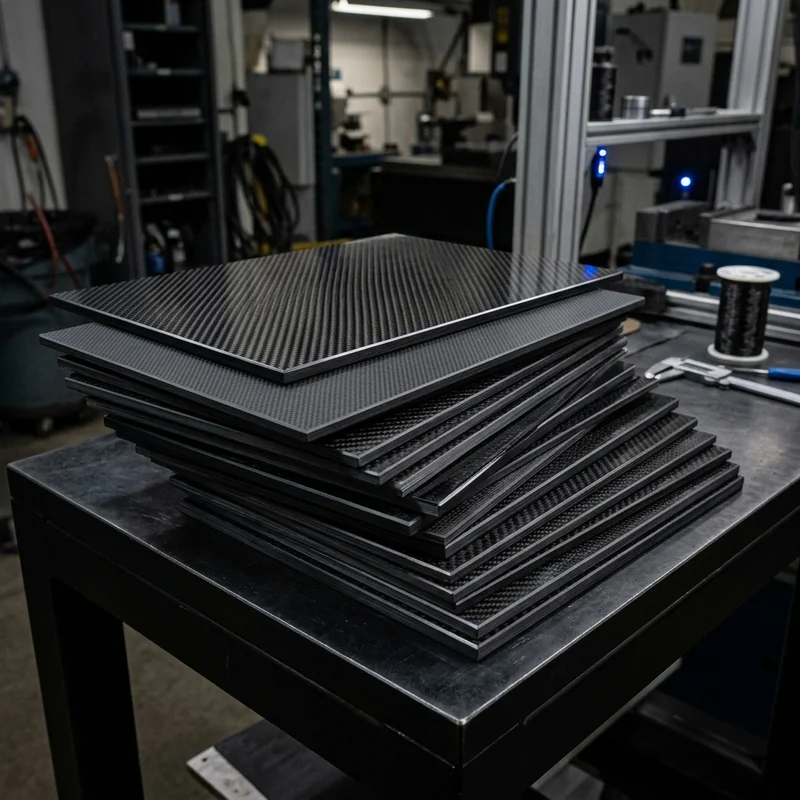
Carbon fiber standard plate-3k stripe
Lightweight, ultra-rigid standard sheets for drone fuselages, robot housings, facades and structural applications.

Carbon Fiber Plate — 3K Twill T700 1.5mm
Thin 1.5mm carbon fiber plate with 3K twill weave surface. Lightweight and stiff, commonly used for covers, panels, drone bodies, and applications requiring a premium aesthetic appearance.

Square Carbon Fiber Tube — 3K Twill T700
Square cross-section carbon fiber tube manufactured with 3K twill weave for torsional strength. Preferred for structural frames, trusses, and support columns where rectangular geometry offers design flexibility.

Carbon Fiber Plate — 3K Twill T700 3.0mm
Medium-thickness 3.0mm carbon fiber plate offering significantly higher load capacity while maintaining attractive 3K twill finish. Suitable for structural brackets, reinforcement plates, and load-bearing panels.
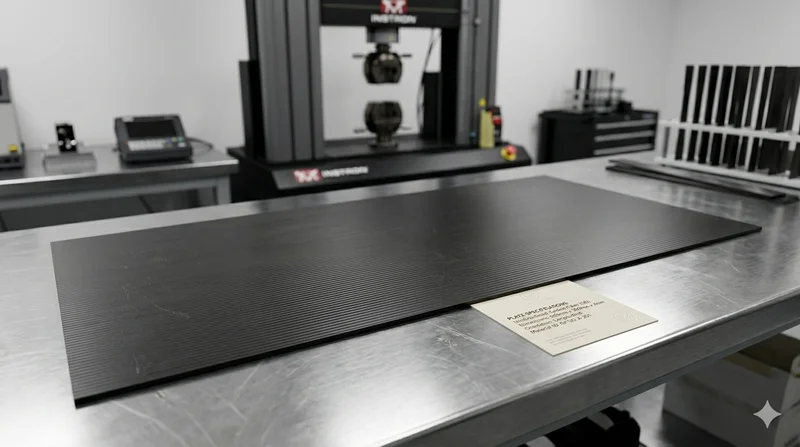
Carbon Fiber Plate — UD Unidirectional T700
Unidirectional carbon fiber plate with all fibers oriented in a single direction for maximum strength along the fiber axis. Essential for structural reinforcements, splints, and applications where load direction is predictable.