Comprehensive B2B market analysis of the Netherlands carbon fiber landscape in 2026. Offshore wind energy drives 42% of consumption (5,500-7,500 tonnes/year by 2028), maritime and superyacht sectors demand 18%, and Rotterdam's port logistics equipment represents a growing 15% share. Includes real-data wind farm tables, marine component specifications, supply chain dynamics, regulatory context (Circular Composites Agreement, 30% recycled content mandate by 2028), and strategic entry considerations for international suppliers targeting the Benelux composites market.
Netherlands Carbon Fiber Market 2026: Strategic Positioning in the Benelux Composites Landscape
The Netherlands has established itself as a critical node in the European carbon fiber composites ecosystem, leveraging its unique geographic position, world-class logistics infrastructure, and strategic focus on wind energy, maritime engineering, and high-value industrial manufacturing. In 2026, the Dutch carbon fiber market is projected to reach approximately €920 million, driven by three interconnected sectors: offshore wind energy (42% of consumption), maritime and shipbuilding (18%), and advanced industrial machinery and logistics equipment (15%). For B2B carbon fiber suppliers and procurement professionals targeting the Benelux region, the Netherlands offers a gateway to the broader European composites supply chain while presenting distinct application-specific technical requirements.
Unlike larger European carbon fiber markets such as Germany or France, the Dutch market is characterized by a high degree of specialization. Rather than broad-based automotive or aerospace consumption, the Netherlands concentrates its carbon fiber demand in sectors where it holds genuine competitive advantage. This targeted approach means that suppliers who understand the specific technical demands of Dutch end-use applications — offshore wind blade spar caps, carbon fiber marine propellers, lightweight port logistics equipment — can capture significant market share with relatively focused product portfolios.
Offshore Wind Energy: The Dominant Demand Driver
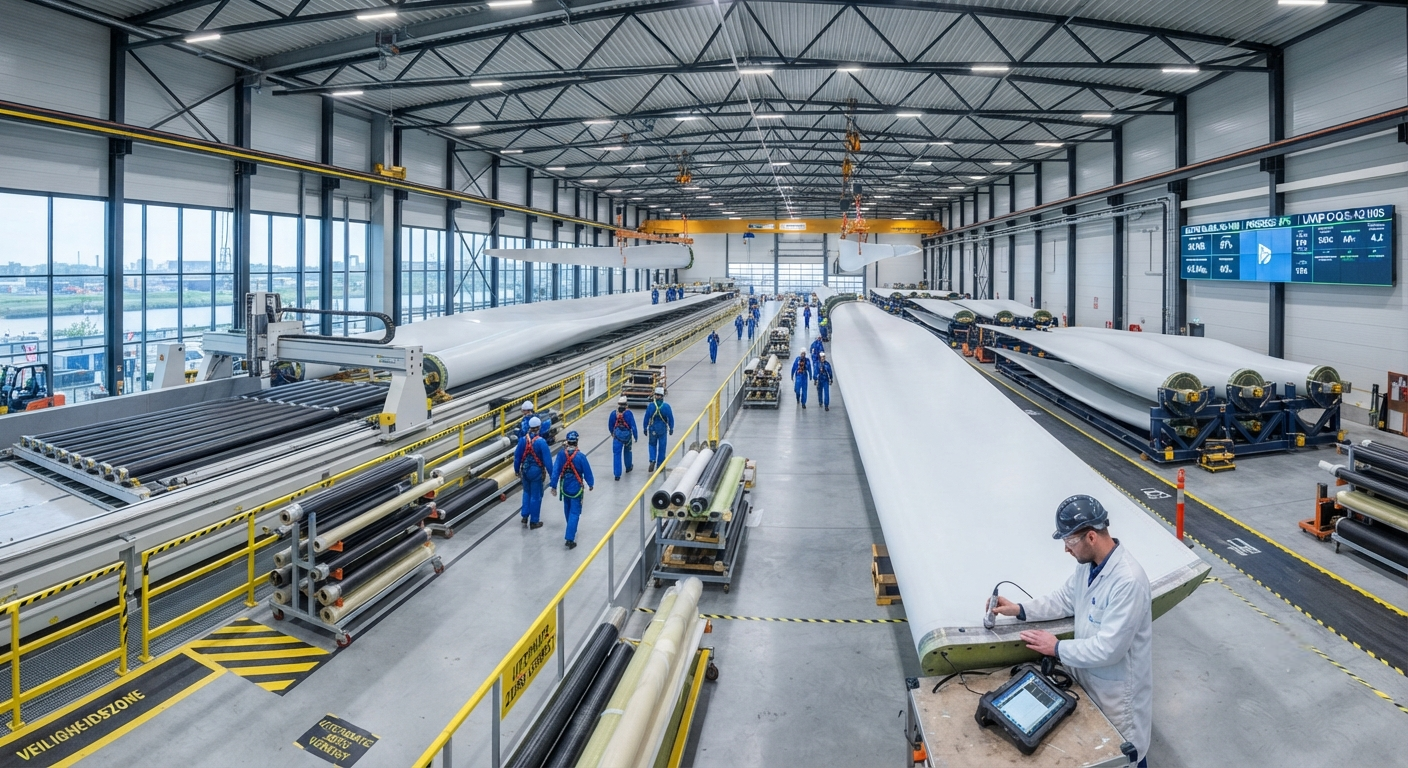
The Netherlands is executing one of Europe's most ambitious offshore wind energy expansion programs. Under the Dutch Offshore Wind Energy Roadmap 2030 (Routekaart Windenergie op Zee), the country targets approximately 21 GW of installed offshore wind capacity by 2030 (up from 4.7 GW in 2025) and 50 GW by 2040. This expansion is driving enormous demand for carbon fiber in turbine blade manufacturing, particularly for the next generation of 15–20 MW offshore turbines being deployed in the Dutch Exclusive Economic Zone.
Key offshore wind applications for carbon fiber in the Netherlands include:
- Blade spar caps and shear webs: The primary structural load-bearing components in wind turbine blades increasingly rely on carbon fiber pultruded spar caps to achieve the required stiffness-to-weight ratio for blades exceeding 100 metres. A single 115-metre blade for a 15 MW offshore turbine uses 20–25 tonnes of carbon fiber in its spar cap assembly. With Hollandse Kust (zuid, noord, west) and IJmuiden Ver wind farm zones in active development, the Dutch offshore wind sector is projected to consume 5,500–7,500 tonnes of carbon fiber annually by 2028.
- Nacelle components: Carbon fiber composites increasingly replace cast iron and steel in turbine nacelle structural frames, main shafts, and bedplates, achieving 30–50% weight reduction. Each 15 MW nacelle requires 3–6 tonnes of CFRP structural components.
- Tidal energy structures: The Dutch Delta region — including the Oosterschelde storm surge barrier and the Wadden Sea — hosts several tidal energy demonstration projects using carbon fiber turbine blades for submerged tidal stream generators. These marine-grade CFRP components require exceptional corrosion resistance and biofouling resistance.
| Wind Farm Zone | Capacity (GW) | Planned Completion | Estimated CF per Turbine (tonnes) | Number of Turbines | Total CF Demand (tonnes) |
|---|---|---|---|---|---|
| Hollandse Kust (zuid) | 1.5 | Operational | 28 | 70 | 1,960 |
| Hollandse Kust (noord) | 0.7 | Operational | 28 | 35 | 980 |
| IJmuiden Ver (Alpha & Beta) | 4.0 | 2027–2029 | 35 | 115 | 4,025 |
| Nederwiek (zuid & noord) | 6.0 | 2030–2032 | 40 | 150 | 6,000 |
| Lagunella & Ten Noorden van de Waddeneilanden | 3.5 | 2030–2033 | 40 | 88 | 3,520 |
Maritime Industry: Carbon Fiber at Sea
The Netherlands has one of the world's most advanced maritime clusters, concentrated around Rotterdam, Amsterdam, Vlissingen, and Groningen. Dutch shipbuilders — including Damen Shipyards, Royal IHC, and Royal Huisman — are increasingly integrating carbon fiber composites into both commercial and luxury vessels. The maritime sector's adoption of carbon fiber is accelerating due to IMO 2030 emissions reduction targets requiring 40% reduction in carbon intensity per transport work compared to 2008 levels.
Key maritime carbon fiber applications include:
- Carbon fiber propellers: Composite marine propellers from Dutch manufacturers such as Wärtsilä Netherlands and Linde & Wijnands offer 20–35% weight reduction compared to nickel-aluminium-bronze (NAB) propellers. The reduced mass leads to lower bearing loads, improved cavitation performance, and fuel savings of 4–8% at cruise speed. A 5-metre diameter cargo ship propeller constructed from CFRP weighs approximately 3.5 tonnes versus 6.5 tonnes for an equivalent NAB propeller.
- Superyacht superstructures: The Dutch superyacht building sector — accounting for approximately 25% of global superyacht production by value (€2.5 billion annually) — extensively uses carbon fiber for masts, deck structures, and accommodation modules. A 70-metre motor yacht uses 12–18 tonnes of CFRP in its superstructure, achieving a 15-metre reduction in centre of gravity height compared to aluminium construction.
- Offshore service vessel (OSV) components: Walk-to-work gangways, motion-compensated gangway systems, and helideck structures for offshore wind service vessels increasingly specify carbon fiber for its corrosion resistance and weight advantages. Each gangway system requires 800–1,500 kg of carbon fiber in tubular and sandwich panel construction.
- Fishing vessel innovations: Dutch fishing fleets based in Vlissingen and IJmuiden are adopting carbon fiber for ultra-low-weight beam trawl beams and fish hold linings, where reduced structural weight translates directly to increased catch capacity under EU fisheries quota limits.
| Marine Application | Material System | CFRP per Unit (kg) | Annual Units (Netherlands) | Weight Saving vs Traditional |
|---|---|---|---|---|
| CF propeller (5m diameter) | Epoxy prepreg / autoclave | 3,500 | 80 | 46% |
| Superyacht mast (50m) | Carbon/epoxy filament wound | 4,200 | 15 | 55% |
| Walk-to-work gangway (30m) | CF sandwich / vinylester | 1,200 | 45 | 52% |
| Trawl beam (15m) | Pultruded CF profile | 650 | 200 | 40% |
| Fishing vessel hull lining | CF/glass hybrid laminate | 900 | 60 | 35% |
Logistics Gateway: Port of Rotterdam and Equipment Lightweighting
The Port of Rotterdam — Europe's largest seaport handling approximately 465 million tonnes of cargo annually — is a significant consumer of carbon fiber composites in its logistics equipment. As container cranes, automated guided vehicles (AGVs), and intermodal transfer equipment undergo electrification and automation upgrades, lightweight carbon fiber components offer measurable operational benefits.
- Spreaders and lifting frames: Carbon fiber container spreader beams reduce dead weight by 35–50%, increasing net payload capacity and reducing energy consumption per container move. The Port of Rotterdam Authority has deployed 18 CF composite spreaders across the Euromax and Maasvlakte 2 terminals, with plans to expand to 60 units by 2028.
- Automated guided vehicle (AGV) chassis: The next-generation automated container transport vehicles at Rotterdam's deep-sea terminals use CFRP floor panels and chassis frames manufactured by Dutch composites processor VDL Group. Each AGV chassis saves 1.8 tonnes compared to steel construction, enabling higher battery capacity allocation without exceeding axle load limits.
- Reach stacker booms: Carbon fiber telescopic booms for intermodal reach stackers reduce upper structure mass by 30% while maintaining equivalent static load capacity, improving fuel efficiency by 12–18% in diesel-electric hybrid machines.
Supply Chain Dynamics and Sourcing Considerations
The Netherlands' position as a logistics gateway to Europe has created a distinct carbon fiber distribution ecosystem. Rotterdam's chemical and materials cluster, including the Port of Rotterdam's "backbone" pipeline infrastructure, hosts warehousing and distribution facilities for carbon fiber from global producers including Toray (Japan), SGL Carbon (Germany), Solvay (Belgium), and Mitsubishi Chemical. Key supply chain considerations for 2026 include:
- Customs and logistics: Rotterdam's customs clearance for carbon fiber products is streamlined under the Dutch Customs Administration's Authorised Economic Operator (AEO) programme. Typical clearance time for pre-cleared carbon fiber shipments is 4–6 hours versus 24–48 hours at other European ports.
- Local compounding: The Chemelot campus in Geleen and the Brightlands Materials Center in Sittard-Geleen host carbon fiber compounding facilities for short-fiber and long-fiber thermoplastic compounds serving the Benelux industrial market.
- Recycling infrastructure: The Netherlands is home to several carbon fiber recycling initiatives, including the Recycling Composite Materials (RCM) facility in Amsterdam and the Thermolyse pilot plant in Emmen, which use pyrolysis and fluidised bed processes to recover carbon fiber from end-of-life wind turbine blades and marine composites.
Sustainability and Circular Economy Regulation
Dutch environmental policy significantly influences carbon fiber material specification in 2026. The Netherlands has implemented some of the European Union's most progressive extended producer responsibility (EPR) requirements for composite materials, requiring manufacturers to demonstrate end-of-life recyclability pathways. The Dutch Circular Textile and Composites Agreement (Circulair Textiel- en Composietenakkoord, 2024) mandates that by 2028, 30% of carbon fiber content in new products manufactured in or imported to the Netherlands must be from recycled sources or be demonstrably recyclable. This regulatory push is creating demand for carbon fiber products with documented recycling streams and for recycled carbon fiber (rCF) nonwoven mats and compounds suitable for secondary structural applications.
Frequently Asked Questions
What are the key certifications required to supply carbon fiber to the Dutch offshore wind sector?
Suppliers to the Dutch offshore wind market must comply with DNV-ST-0376 (rotor blades for wind turbines), which specifies carbon fiber material qualification requirements including tensile testing per ISO 527-5, interlaminar shear strength per ISO 14130, and fatigue testing per DNV-RP-0360. Additionally, blade manufacturers require IEC 61400-23 full-scale blade testing certification. Suppliers should also be familiar with the Dutch Offshore Wind Energy Guidelines (WE-BE-01 to WE-BE-08) published by Rijkswaterstaat, which specify additional material traceability and quality assurance requirements for projects in Dutch territorial waters.
How does the Dutch carbon fiber market differ from the German or French markets?
The Dutch market is uniquely oriented toward offshore wind energy (42% of consumption) compared to Germany where automotive dominates (38%) and France where aerospace leads (55%). Maritime applications account for 18% of Dutch carbon fiber consumption — a significantly higher share than in Germany (3%) or France (5%). The Netherlands also has a distinctive superyacht and specialised marine composites sector concentrated in the northern provinces. While the total Dutch market (€920 million) is smaller than Germany's (€1.8 billion) or France's (€1.5 billion), it offers suppliers the advantage of concentrated demand in fewer application domains, enabling more targeted technical development and sales efforts.
What is the current import tariff structure for carbon fiber shipments entering the EU through Rotterdam?
Carbon fiber products imported through the Port of Rotterdam follow the EU Combined Nomenclature. Carbon fiber fabrics (CN 6815.11.00) carry a standard MFN duty of 7.0% ad valorem. Carbon fiber prepregs under the same CN code are also 7.0%, although prepregs containing >10% resin by weight may alternatively be classified under CN 3921.90.19 (other plastic plates, sheets, film) at 6.5%. Carbon fiber yarns and filaments (CN 5404.90.90) enter at 4.5%. Carbon fiber reinforced plastic articles classified as machinery parts (CN 8487.90) may qualify for 0–2% duty dependent on the specific Harmonized System classification. The Netherlands applies the EU Generalised Scheme of Preferences (GSP+), offering duty reductions of 3–5 percentage points for carbon fiber imports from eligible developing countries. Importers using Rotterdam's customs warehouse regime (type D customs warehousing) may defer duty payment until the goods enter EU free circulation, facilitating inventory management.
What logistics infrastructure exists in the Netherlands specifically for carbon fiber materials?
Rotterdam's port area contains several climate-controlled warehousing facilities specifically designed for carbon fiber and prepreg storage, with temperature control (15–25°C) and humidity regulation (30–60% RH) meeting typical carbon fiber prepreg storage requirements. The Rotterdam Food and Commodity Cluster includes specialised bonded warehouses for carbon fiber with customs-supervised inventory management. The Chemelot campus in Geleen offers a dedicated composite materials logistics hub with rail and barge connectivity to Rotterdam. For just-in-time deliveries to offshore wind blade manufacturing facilities (LM Wind Power in Roermond, Siemens Gamesa in Hull/UK), logistics providers such as De Rijke Logistics and Vos Transport offer specialised climate-controlled trailers with constant temperature monitoring during transit across the Netherlands and to neighbouring countries.
What are the growth projections for recycled carbon fiber demand in the Dutch market?
The Dutch recycled carbon fiber (rCF) market is projected to grow from approximately 420 tonnes in 2025 to 2,800 tonnes by 2030, representing a CAGR of 46%. This growth is driven by the Circular Composites Agreement requirement for 30% recycled or recyclable content by 2028, combined with falling rCF pricing (currently €15–22/kg for nonwoven mat rCF versus €28–45/kg for virgin industrial-grade CF). Primary applications for rCF in the Netherlands include non-structural automotive components (interior panels, acoustic shields), port logistics equipment (container spreader panels, cable trays), and additively manufactured composite tooling. Dutch rCF processors such as ReSolve Fibre and Nido Recycling have developed proprietary sizing technologies that achieve 92–96% tensile strength retention compared to virgin fiber, addressing the historical performance gap that limited rCF adoption in semi-structural applications.
How does the Dutch maritime carbon fiber sector handle saltwater corrosion and biofouling?
Carbon fiber composites for marine applications in the Netherlands must address two primary environmental challenges: galvanic corrosion and biofouling. For galvanic corrosion prevention, Dutch shipbuilders use glass fiber isolation layers (typically 0.5–1.0 mm GFRP plies) between CFRP structures and metallic fasteners, combined with titanium or Inconel hardware for critical seawater-immersed applications. Biofouling is addressed through several approaches: (a) copper-oxide or silicone-based foul-release coatings applied to CFRP propeller surfaces and hull appendages, (b) specially formulated gel coats with integrated biocide additives for superyacht composite structures, and (c) advanced CFD-optimised surface textures that reduce biofouling settlement by 30–50% compared to smooth CFRP finishes. Dutch maritime composites engineer Royal IHC has developed a proprietary GRP/CFRP hybrid laminate (tradename IHC-CFRP-Sea) that incorporates a 300-micron E-glass veil as the outermost ply, providing galvanic isolation and UV protection while maintaining 85% of the stiffness of equivalent all-CFRP laminates.
What are the dominant carbon fiber grades specified by Dutch wind energy manufacturers?
Dutch and Benelux wind blade manufacturers predominantly specify intermediate-modulus carbon fibers in the 240–290 GPa tensile modulus range. The most commonly specified grades are: (a) Toray T700SC-24K (240 GPa modulus, 4,900 MPa tensile strength) for pultruded spar caps, (b) Hexcel IM7 (276 GPa, 5,700 MPa) for primary structural laminates in blade root sections and shear webs, and (c) Mitsubishi Chemical MR60H (290 GPa, 5,880 MPa) for next-generation ultra-long blades exceeding 115 metres. The trend toward larger turbines (20 MW class) is driving increased specification of higher-modulus fibers (290–350 GPa range) to maintain adequate blade stiffness without disproportionate weight penalties. Dutch blade manufacturers require fibers with established DNV-GL type approval and documented interlaminar fracture toughness (Mode I GIC > 280 J/m² and Mode IIGIIC > 1,200 J/m² per ASTM D5528 and ASTM D7905).
Part of topic
Related Articles
- Recycled Carbon Fiber Market Forecast 2030: Technology Maturity and Commercialization Path
- South Korea Carbon Fiber Market 2026: Hydrogen Economy and Shipbuilding Innovation
- Wind Turbine Blade Leading Edge Protection 2026: Polyurethane, Tape, and Metallic Shield Solutions
- China Carbon Fiber Overcapacity 2026: Price War Impact and Industry Consolidation
- India Carbon Fiber Market 2026: Wind Energy, Aerospace, and Defense Expansion
- PAN Precursor Market 2026: Acrylonitrile Supply and Carbon Fiber Cost Structure
Interested in Our Products?
Contact our team for competitive pricing and technical specifications.
Get a QuoteRelated Products
Custom Carbon Fiber Medical Device Components
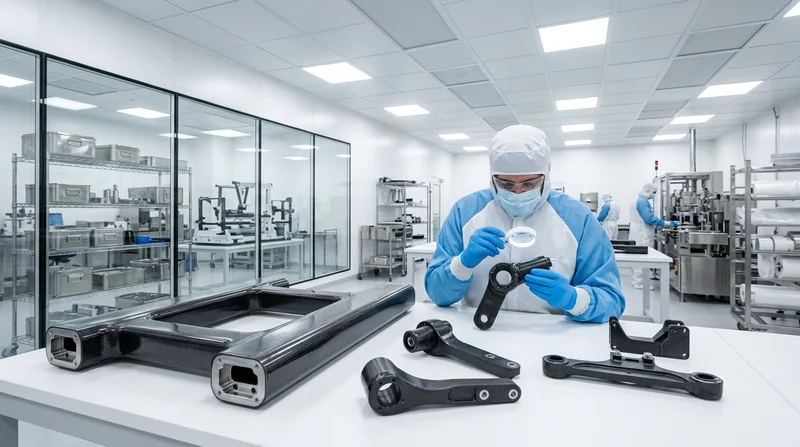
Medical-grade carbon fiber components manufactured for imaging equipment, surgical instruments, and patient support systems. Carbon fiber's radiolucency (X-ray transparency) and high strength-to-weight ratio make it ideal for CT scanner beds, wheelchair frames, surgical robot arms, and MRI-compatible accessories. Biocompatible resin systems available.
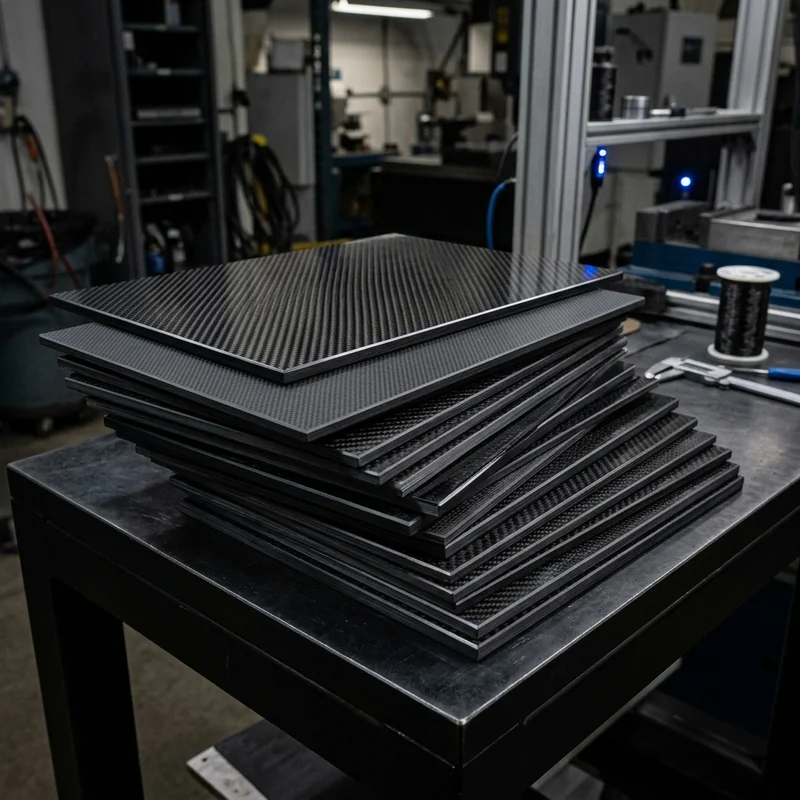
Carbon fiber standard plate-3k stripe
Lightweight, ultra-rigid standard sheets for drone fuselages, robot housings, facades and structural applications.
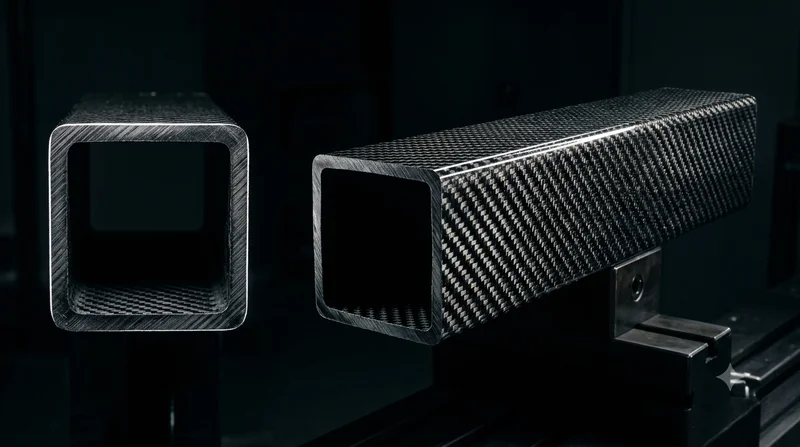
Square Carbon Fiber Tube — 3K Twill T700
Square cross-section carbon fiber tube manufactured with 3K twill weave for torsional strength. Preferred for structural frames, trusses, and support columns where rectangular geometry offers design flexibility.
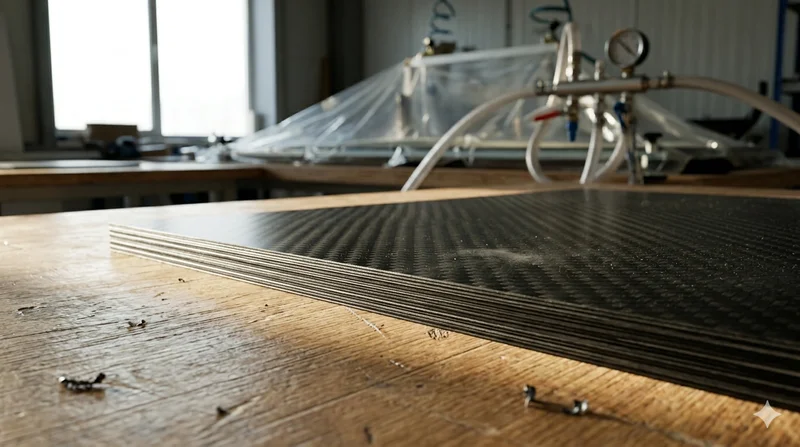
Carbon Fiber Plate — 3K Twill T700 3.0mm
Medium-thickness 3.0mm carbon fiber plate offering significantly higher load capacity while maintaining attractive 3K twill finish. Suitable for structural brackets, reinforcement plates, and load-bearing panels.
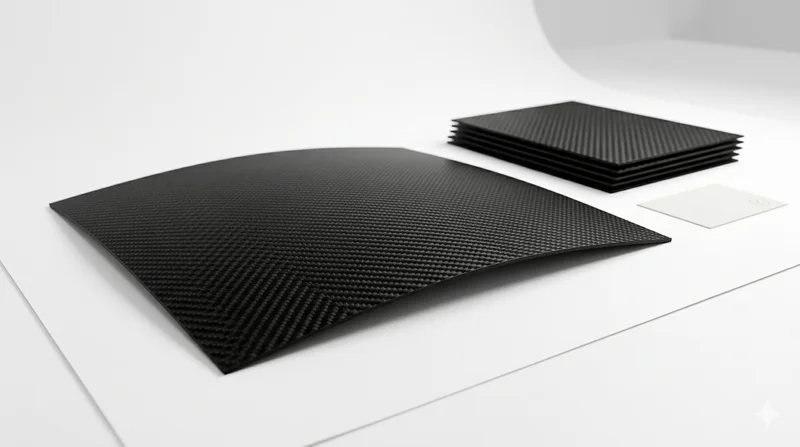
Carbon Fiber Plate — 3K Twill T700 1.5mm
Thin 1.5mm carbon fiber plate with 3K twill weave surface. Lightweight and stiff, commonly used for covers, panels, drone bodies, and applications requiring a premium aesthetic appearance.