
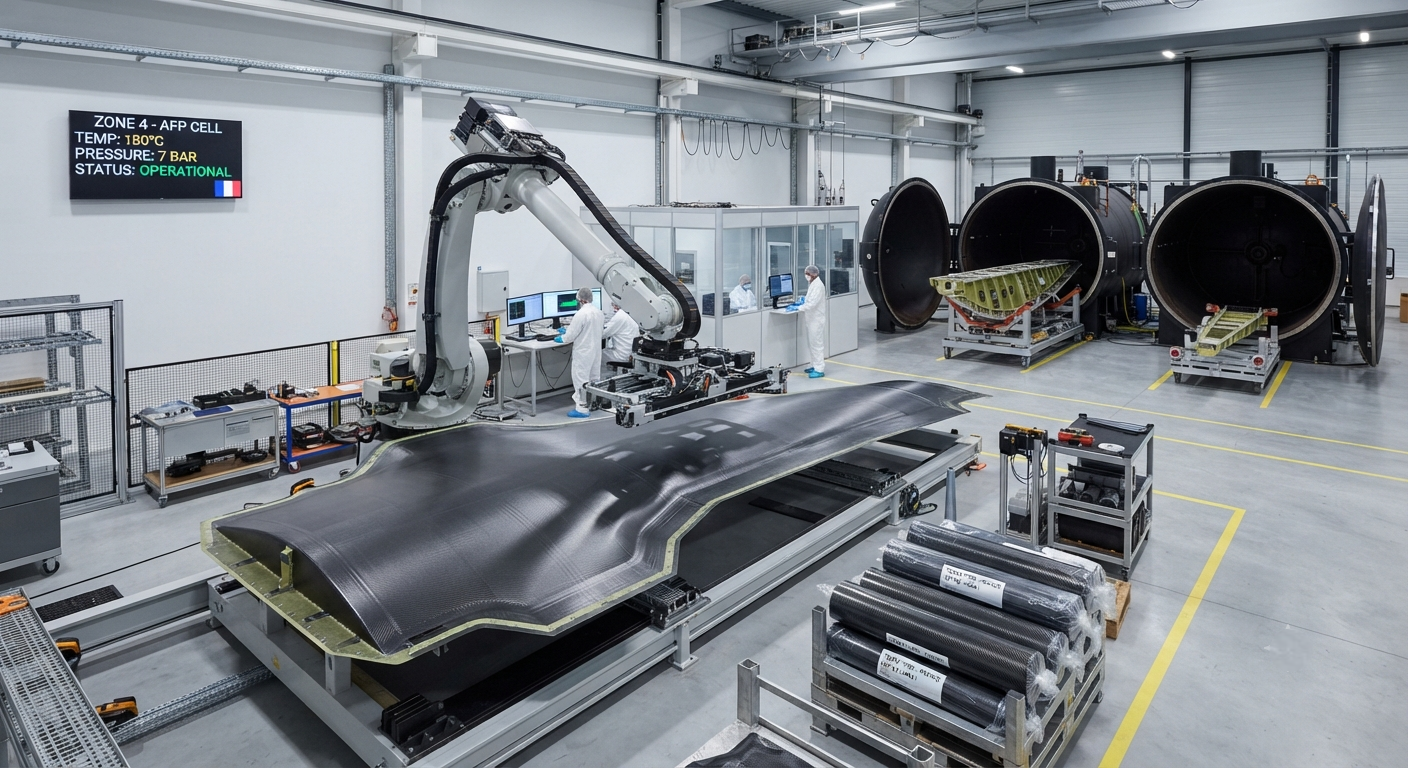
France's Position in the Global Carbon Fiber Landscape France maintained its position as Western Europe's largest carbon fiber consumer in 2025, with projected demand reaching 12,800 metric tons by...
France's Position in the Global Carbon Fiber Landscape
France maintained its position as Western Europe's largest carbon fiber consumer in 2025, with projected demand reaching 12,800 metric tons by the end of 2026. The French market benefits from a unique triple-engine structure: world-class aerospace OEMs, multi-billion-euro defense modernization programs, and a civil nuclear sector that increasingly specifies advanced composites for reactor components. The France 2030 plan allocated €2.1 billion for advanced materials R&D, with €680 million directed toward carbon fiber production capacity and recycling infrastructure.
Aerospace Sector: Airbus Production and Next-Generation Programs
The aerospace sector accounts for approximately 58% of French carbon fiber demand. The A350 XWB, with its 53% composite airframe by weight, consumes roughly 32 metric tons of carbon fiber per aircraft. At a production rate of 9 aircraft per month by late 2026, this translates to approximately 3,456 metric tons of annual demand from a single program. The A321XLR introduces additional composite fuselage panels increasing carbon fiber content by 7% versus the baseline A321neo.
| Program | CF Content (kg/unit) | Rate (2026) | Annual Demand (tons) |
|---|---|---|---|
| A350-900/1000 | 32,000 | 9/month | 3,456 |
| A320neo Family | 4,800 | 60/month | 3,456 |
| A220 (ex-C Series) | 11,200 | 14/month | 1,882 |
| A330neo | 18,500 | 3/month | 666 |
| Total | 9,460 |
Safran's LEAP engine program consumes significant carbon fiber for fan blades and fan cases. Each LEAP-1A engine contains approximately 600 kg of carbon fiber-reinforced polymer in the fan blade assembly. Safran's Composites Division produces near-net-shape 3D woven carbon fiber fan blades using automated fiber placement at temperatures exceeding 400°C during carbonization, followed by resin transfer infusion at 180°C under 7-bar pressure.
Defense Programs: Rafale F5, FCAS, and Naval Composites
The Rafale F5 standard, entering series production in 2026, increases airframe carbon fiber content from 28% to 34% by weight. Dassault's production line at Mérignac consumes approximately 2,100 kg of carbon fiber prepreg per Rafale, with orders for 234 aircraft through 2035 securing a decade-long consumption pipeline.
- Future Combat Air System (FCAS): The Next-Generation Fighter demonstrator, first flight in 2029, will feature 45% composite airframe including carbon fiber-reinforced ceramic matrix composite engine components rated for 1,500°C. Development phase consumption is projected at 180 metric tons annually.
- Naval Group Submarines: Barracuda-class submarines feature carbon fiber composite sonar domes and propeller shrouds. Each submarine requires approximately 45 metric tons of carbon fiber composite for non-pressure-hull structures.
- Missile Housings: MBDA's next-generation anti-ship missile uses filament-wound carbon fiber motor casings rated for 350-bar operating pressure. Annual production of 420 units translates to 38 metric tons of carbon fiber consumption.
Nuclear Energy: EPR2 and SMR Composite Components
France's civil nuclear sector is an increasingly significant consumer of carbon fiber composites. Each EPR2 reactor uses approximately 120 metric tons of carbon fiber composite for cooling tower structural elements, containment vessel fittings, and spent fuel handling equipment.
| Nuclear Application | CF Material Form | Tons per Unit |
|---|---|---|
| EPR2 Cooling Tower fan blades | Epoxy prepreg, 34 MPa ILSS | 28 |
| EPR2 Containment lining panels | Carbon/glass hybrid fabric | 35 |
| Spent fuel pool racking | Pultruded carbon sections | 22 |
| Primary pump impeller shrouds | Filament-wound carbon/epoxy | 8 |
| Nuward SMR header modules | Composite overwrap | 18 |
| Total per reactor | 111 |
The Nuward SMR program integrates carbon fiber composite overwrap for the pressurized water reactor vessel, achieving a 40% weight reduction versus steel reinforcement while providing equivalent burst containment at 175-bar design pressure.
Manufacturing Capacity and Supply Chain
Hexcel's plant near Nantes operates Europe's largest autoclave complex with 13 units from 3- to 8-meter diameter, processing over 4,500 metric tons of prepreg annually at 200°C and 10-bar pressure. Solvay's Toulouse plant supplies 65% of prepreg used in Airbus wing and fuselage assembly. Toray Carbon Fibers Europe operates a 6,000-ton PAN-based carbon fiber line at Abidos. The CETIA recycling facility in Hendaye recovers 2,400 metric tons of carbon fiber annually from production waste through fluidized-bed thermal recycling at 550°C with 82% fiber strength retention.
Market Outlook: 2026–2030
French carbon fiber demand is projected to grow at 7.8% CAGR, reaching approximately 17,300 metric tons by 2030. Growth is driven by sustained Airbus production rates, defense budget increases to 2.5% of GDP by 2028, and EDF's 14-new-reactor construction plan. Industrial thermoplastics for oil and gas and medical applications represent an emerging growth vector expected to contribute 800 metric tons by 2028.
Frequently Asked Questions
What is the current carbon fiber production capacity in France?
France has approximately 6,000 metric tons of PAN-based precursor capacity at Toray's Abidos facility, plus substantial prepreg and conversion capacity at Hexcel's Nantes plant (4,500 tons/year) and Solvay's Toulouse facility. Total downstream processing capacity exceeds 12,000 metric tons annually.
How does France 2030 support the carbon fiber industry?
The France 2030 plan allocates €2.1 billion for advanced materials, with €680 million targeting carbon fiber capacity expansion and recycling infrastructure, including support for nuclear-grade composite qualification programs and a national recycling network targeting 85% waste recovery by 2030.
What are the main technical challenges for carbon fiber in nuclear applications?
Key challenges include long-term radiation resistance under gamma and neutron flux, qualification of resin systems for sustained 80°C operation under irradiation over 60-year design lifetimes, and certification of non-destructive evaluation for thick-section composite pressure boundary components.
Part of topic
Related Articles
- Recycled Carbon Fiber Market Forecast 2030: Technology Maturity and Commercialization Path
- South Korea Carbon Fiber Market 2026: Hydrogen Economy and Shipbuilding Innovation
- Wind Turbine Blade Leading Edge Protection 2026: Polyurethane, Tape, and Metallic Shield Solutions
- China Carbon Fiber Overcapacity 2026: Price War Impact and Industry Consolidation
- India Carbon Fiber Market 2026: Wind Energy, Aerospace, and Defense Expansion
- PAN Precursor Market 2026: Acrylonitrile Supply and Carbon Fiber Cost Structure
Interested in Our Products?
Contact our team for competitive pricing and technical specifications.
Get a QuoteRelated Products
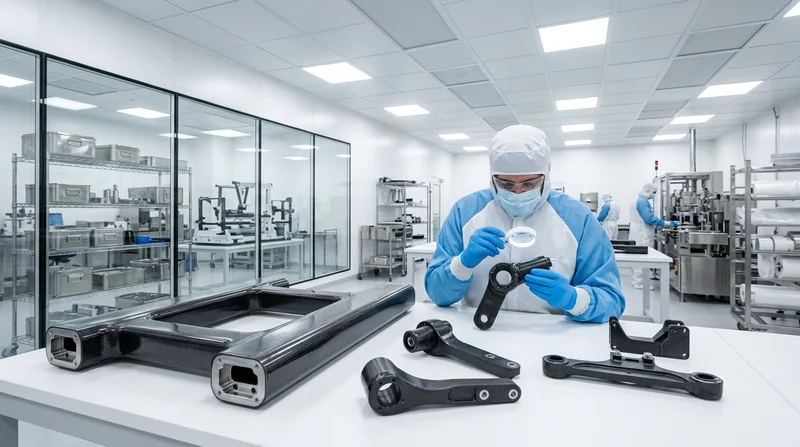
Custom Carbon Fiber Medical Device Components
Medical-grade carbon fiber components manufactured for imaging equipment, surgical instruments, and patient support systems. Carbon fiber's radiolucency (X-ray transparency) and high strength-to-weight ratio make it ideal for CT scanner beds, wheelchair frames, surgical robot arms, and MRI-compatible accessories. Biocompatible resin systems available.
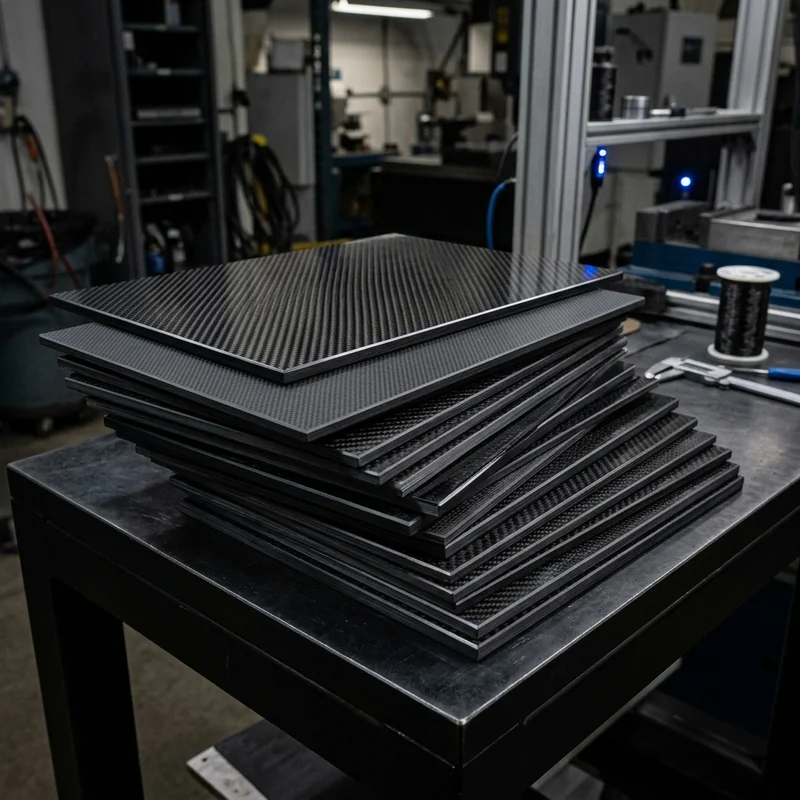
Carbon fiber standard plate-3k stripe
Lightweight, ultra-rigid standard sheets for drone fuselages, robot housings, facades and structural applications.
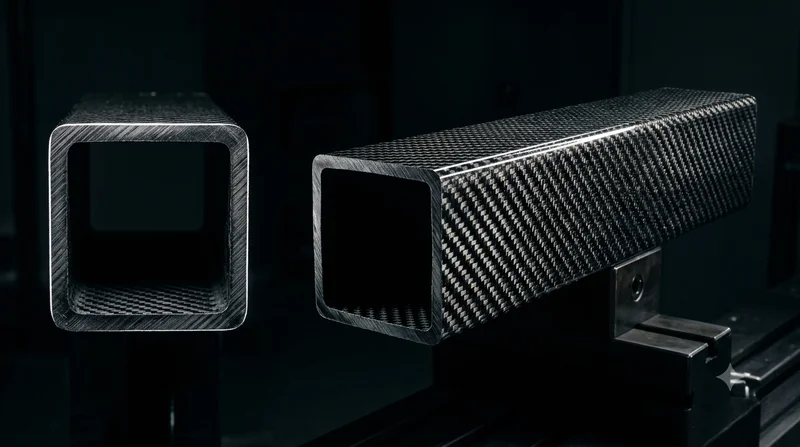
Square Carbon Fiber Tube — 3K Twill T700
Square cross-section carbon fiber tube manufactured with 3K twill weave for torsional strength. Preferred for structural frames, trusses, and support columns where rectangular geometry offers design flexibility.
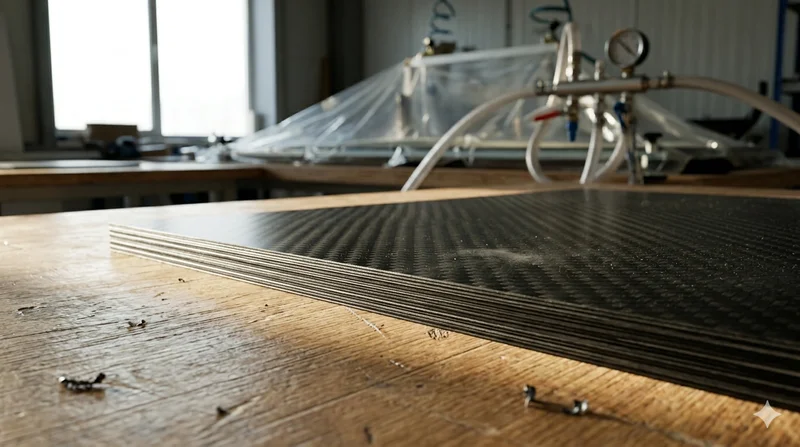
Carbon Fiber Plate — 3K Twill T700 3.0mm
Medium-thickness 3.0mm carbon fiber plate offering significantly higher load capacity while maintaining attractive 3K twill finish. Suitable for structural brackets, reinforcement plates, and load-bearing panels.
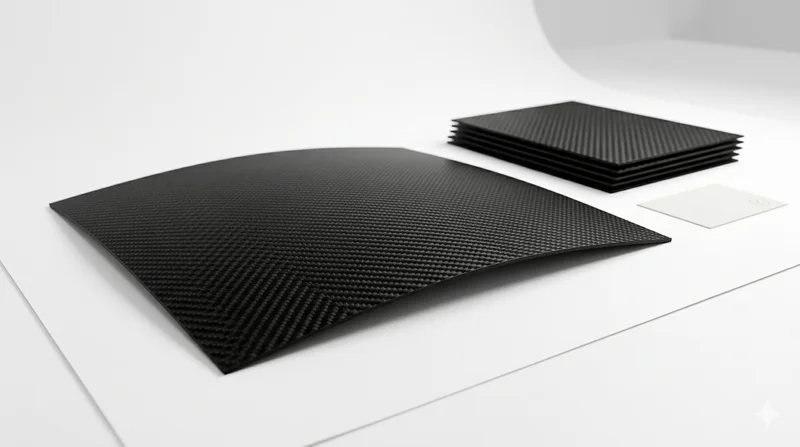
Carbon Fiber Plate — 3K Twill T700 1.5mm
Thin 1.5mm carbon fiber plate with 3K twill weave surface. Lightweight and stiff, commonly used for covers, panels, drone bodies, and applications requiring a premium aesthetic appearance.