
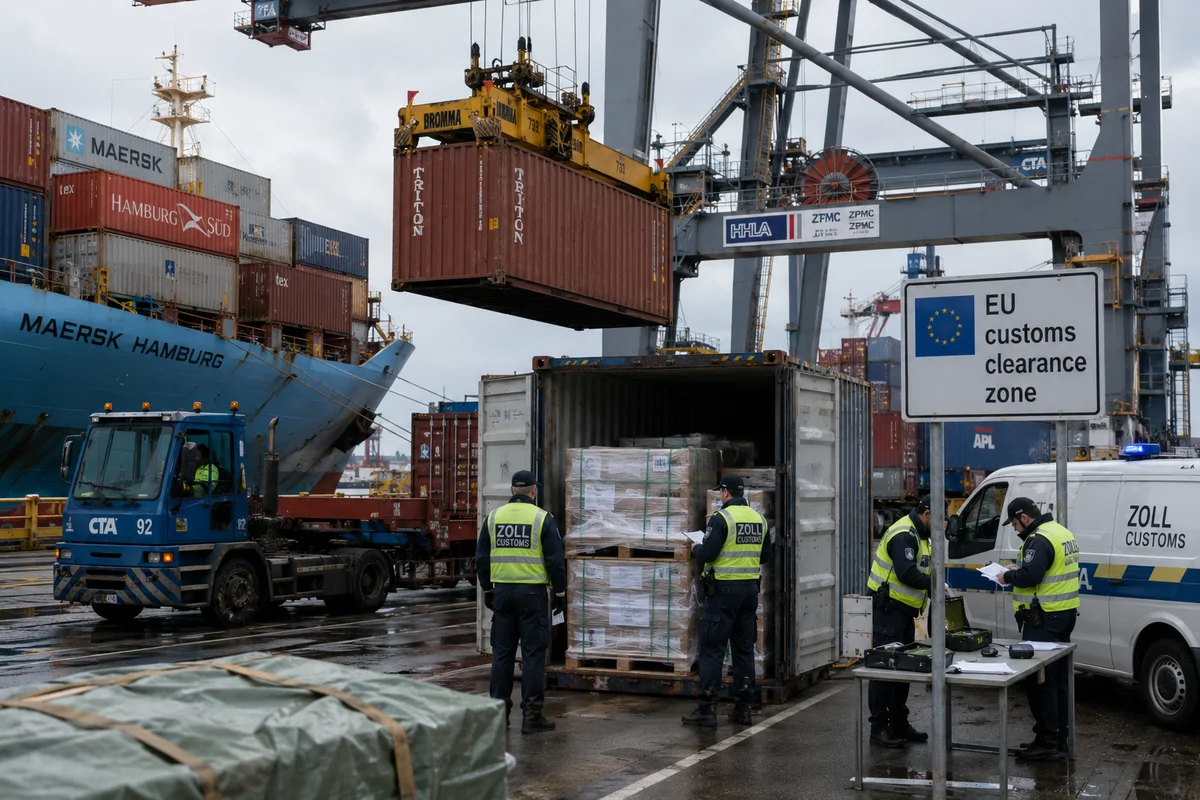
Navigate EU carbon fiber import regulations in 2026: tariff classifications, REACH compliance, CFIA declarations, and customs documentation for B2B exporters.
Introduction
The European Union is one of the largest import markets for carbon fiber and carbon fiber-reinforced composite products, accounting for approximately 30% of global demand in 2026. However, navigating EU import regulations has become increasingly complex following updated REACH chemical registration requirements, revised Common External Tariff codes (CN codes), and new Carbon Border Adjustment Mechanism declarations. This article provides a practical compliance guide for non-EU carbon fiber manufacturers and exporters serving European B2B customers.
Tariff Classification and Duty Rates
| Product Category | EU CN Code (2026) | Base Duty Rate | Notes |
|---|---|---|---|
| Carbon fiber (untreated, continuous) | 6815.11.00 | 2.7% | Preferential rates may apply under GSP/GSP+ |
| Carbon fiber prepreg | 3921.90.19 | 6.5% | Classed as plastic-based composite |
| Carbon fiber woven fabric | 7019.90.00 or 6815.11.00 | 5.2–7.0% | Depends on areal weight and coating |
| CFRP molded parts (non-structural) | 6815.99.00 | 2.7% | Classed under "articles of stone/other mineral" |
| Carbon fiber tubes and profiles | 6815.99.20 | 2.7% | Specific subheading for molded profiles |
REACH Compliance for Carbon Fiber Products
All carbon fiber products imported into the EU must comply with Regulation (EC) No 1907/2006 (REACH). The key compliance requirements are:
- Registration — Carbon fiber is generally registered as a substance of very high concern (SVHC) only when the epoxy sizing contains specific chemicals above concentration thresholds. Most standard carbon fibers with epoxy-compatible sizing are pre-registered by major producers (Toray, Teijin, SGL). Non-EU exporters should request the REACH registration number from their raw material supplier and include it in the technical dossier.
- Authorisation — Products containing substances listed in REACH Annex XIV require authorisation before placing on the EU market. Common restricted substances in carbon fiber processing include certain epoxy hardeners (e.g., bisphenol A-based compounds above 0.1% w/w).
- Safety Data Sheet (SDS) — A compliant SDS in the language of the importing member state must accompany each shipment. The SDS must include EU-specific exposure scenarios per Annex I of REACH.
Carbon Border Adjustment Mechanism (CBAM) Considerations
While CBAM currently covers iron, steel, aluminum, cement, fertilizers, electricity, and hydrogen, carbon fiber products using carbon-intensive production processes may face indirect CBAM implications. If the carbon fiber manufacturing process involves significant fossil fuel combustion (e.g., PAN fiber oxidation furnaces), importers must calculate embedded emissions per ton of product. The European Commission has indicated that composite materials may be included in CBAM expansion by 2028–2030. Exporters should begin tracking Scope 1 and Scope 2 emissions per kilogram of carbon fiber produced, using an auditable methodology aligned with ISO 14064.
Documentation Checklist for EU Customs Clearance
To avoid delays at EU borders, prepare the following documentation for each carbon fiber shipment:
- Commercial invoice with correct HS/CN code, country of origin, and CIF value
- Packing list detailing net/gross weight per carton and total tow count
- Certificate of Origin (Form A for GSP preference, or EUR.1 for preferential arrangements)
- REACH compliance declaration including registration numbers for all substances >1 ton/year threshold
- Material Safety Data Sheet (MSDS) in the destination member state language
- Bill of lading or air waybill with correct Incoterms
Frequently Asked Questions
Do carbon fiber samples attract import duties in the EU?
Sample shipments valued under €150 and sent for testing/evaluation purposes are generally exempt from customs duties under EU Regulation 1186/2009. However, samples valued above €150 or shipped as commercial samples may be subject to the full duty rate. Clearly mark the invoice as "Samples — No Commercial Value" and include a cover letter explaining the purpose.
What is the procedure for correcting an incorrect HS code on a carbon fiber shipment?
Contact the EU customs broker at the port of entry before the goods arrive. They can submit a post-clearance correction request (amendment of customs declaration per EU Reg. 2013/952). Late corrections within 3 months of clearance incur a small administrative fee; corrections after 3 months may be treated as intentional misdeclaration and carry penalties of up to €10,000 or 50% of the duty amount.
Are carbon fiber prepregs subject to dual-use export controls when shipped to EU countries?
Carbon fiber prepreg with a tensile modulus above 230 GPa and resin content specifically designed for aerospace applications may be classified under dual-use regulation (EU 2021/821). While intra-EU trade is unrestricted, non-EU exporters should verify if their product's technical specifications trigger licensing requirements in the country of origin. Most standard 230–300 GPa modulus prepregs do not require dual-use licenses.
Conclusion
Successfully exporting carbon fiber products to the EU requires careful attention to tariff classification, REACH compliance, and documentation accuracy. B2B exporters who invest in proper regulatory preparation reduce customs delays and build trust with European buyers. YongXian CarbonFiber supports EU importers with complete compliance documentation, including REACH declarations, certificates of origin, and bilingual SDS. Contact us at www.yongxian.co to ensure your next EU shipment clears customs smoothly.
Part of topic
Related Articles
- Recycled Carbon Fiber Market Forecast 2030: Technology Maturity and Commercialization Path
- South Korea Carbon Fiber Market 2026: Hydrogen Economy and Shipbuilding Innovation
- Wind Turbine Blade Leading Edge Protection 2026: Polyurethane, Tape, and Metallic Shield Solutions
- China Carbon Fiber Overcapacity 2026: Price War Impact and Industry Consolidation
- India Carbon Fiber Market 2026: Wind Energy, Aerospace, and Defense Expansion
- PAN Precursor Market 2026: Acrylonitrile Supply and Carbon Fiber Cost Structure
Interested in Our Products?
Contact our team for competitive pricing and technical specifications.
Get a QuoteRelated Products
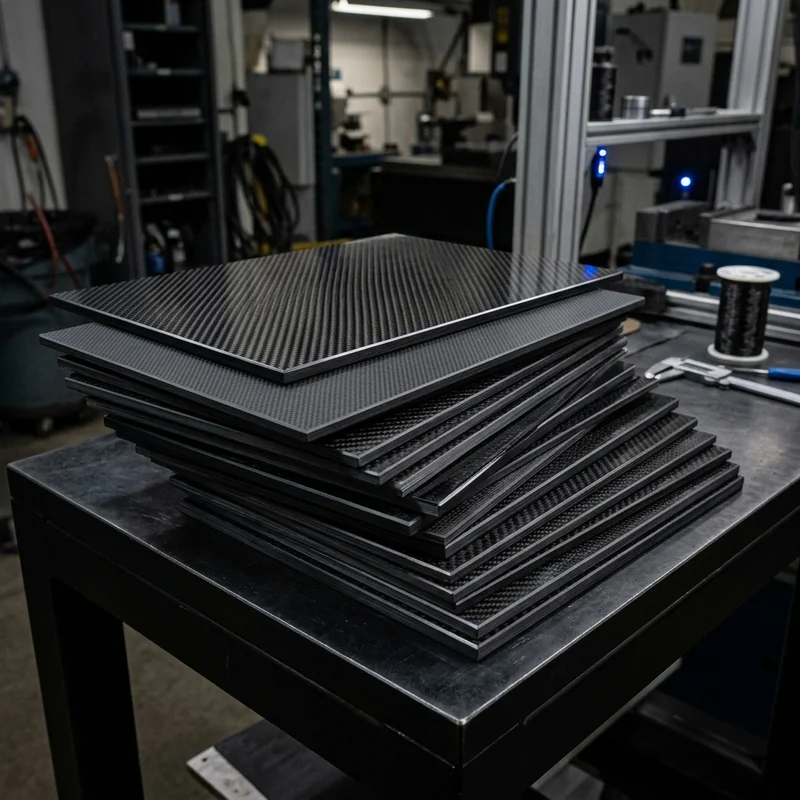
Carbon fiber standard plate-3k stripe
Lightweight, ultra-rigid standard sheets for drone fuselages, robot housings, facades and structural applications.
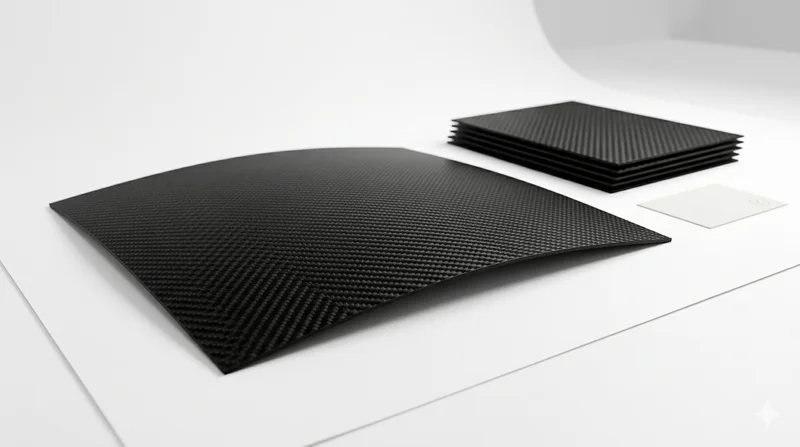
Carbon Fiber Plate — 3K Twill T700 1.5mm
Thin 1.5mm carbon fiber plate with 3K twill weave surface. Lightweight and stiff, commonly used for covers, panels, drone bodies, and applications requiring a premium aesthetic appearance.
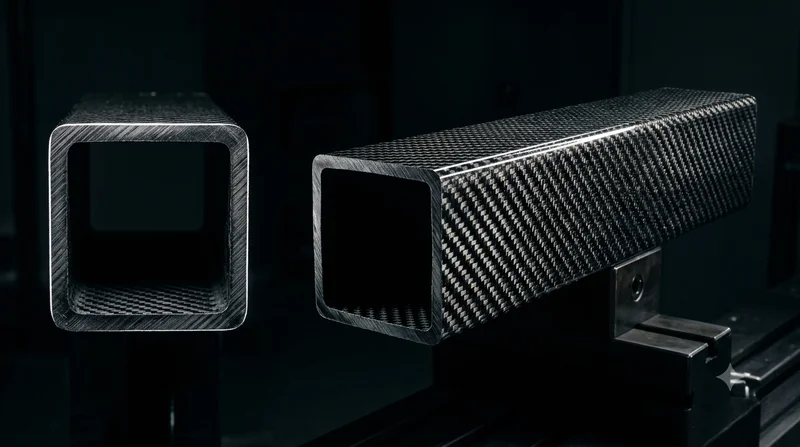
Square Carbon Fiber Tube — 3K Twill T700
Square cross-section carbon fiber tube manufactured with 3K twill weave for torsional strength. Preferred for structural frames, trusses, and support columns where rectangular geometry offers design flexibility.
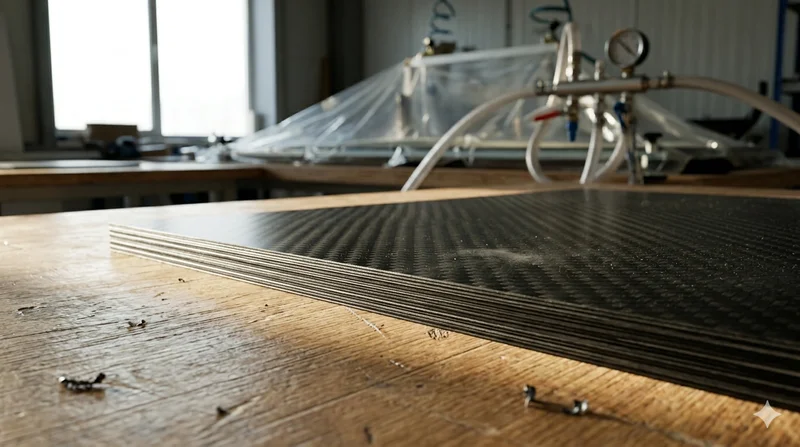
Carbon Fiber Plate — 3K Twill T700 3.0mm
Medium-thickness 3.0mm carbon fiber plate offering significantly higher load capacity while maintaining attractive 3K twill finish. Suitable for structural brackets, reinforcement plates, and load-bearing panels.
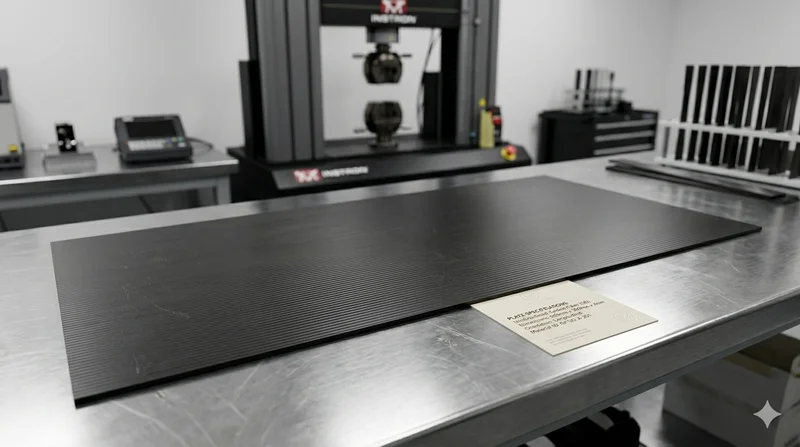
Carbon Fiber Plate — UD Unidirectional T700
Unidirectional carbon fiber plate with all fibers oriented in a single direction for maximum strength along the fiber axis. Essential for structural reinforcements, splints, and applications where load direction is predictable.