
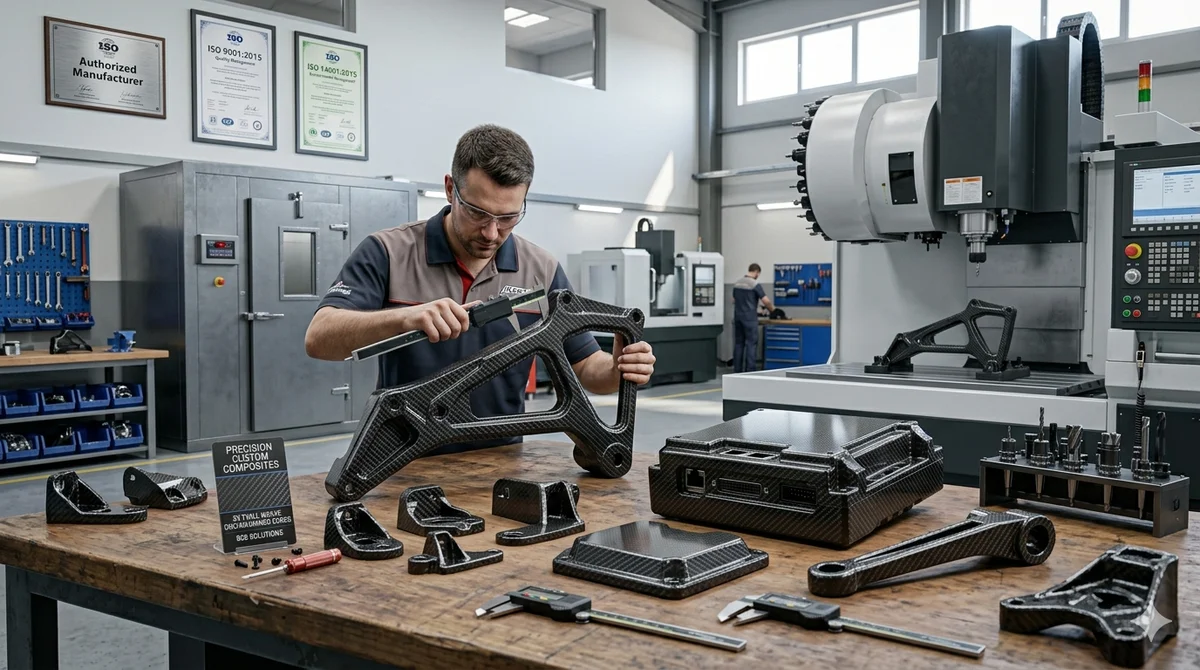
A practical guide for B2B buyers on procuring custom carbon fiber parts, covering specification, pricing, lead times, quality verification, and supplier selection.
Introduction
Procuring custom carbon fiber parts differs significantly from buying standard metal or plastic components. Carbon fiber requires mold fabrication, layup design, cure cycles, and post-machining — each step introduces variables that affect cost, lead time, and final part quality. This guide helps B2B buyers navigate the procurement process from specification through supplier selection and quality verification.
Understanding Carbon Fiber Materials
Carbon fiber is not a single material. Finished part properties depend on fiber type (standard modulus 230 GPa, intermediate modulus 290 GPa, or high modulus 395+ GPa), weave pattern (plain, twill, unidirectional), and resin system (epoxy for structural, polyimide for high-temperature, thermoplastics for impact resistance). For B2B applications, prepreg materials with aerospace-grade epoxy are standard, offering consistent resin content and low void content after autoclave or press curing.
Typical Pricing by Volume
| Volume | Unit Price (USD) | Tooling Cost | Lead Time |
|---|---|---|---|
| 1–5 pcs (Prototype) | $150–$250 | $0 (CNC mold) | 3–5 weeks |
| 10–50 pcs (Low) | $80–$130 | $1,200–$3,500 | 4–6 weeks |
| 100–500 pcs (Mid) | $45–$80 | $1,200–$3,500 | 5–7 weeks |
| 1,000–5,000 pcs (Volume) | $30–$55 | Included | 7–12 weeks |
| 10,000+ pcs (High) | $18–$35 | Included | 10–16 weeks |
Unit prices decrease for simple flat parts and increase for tight tolerances, complex 3D shapes, or high-modulus fibers. Tooling costs vary by mold material (aluminum vs steel) and cavity count.
How to Specify Your Custom Part
- Geometry: Provide 3D CAD (STEP/IGES) with critical dimensions and tolerances
- Material specs: Fiber grade, weave, resin system, and fiber volume fraction
- Laminate schedule: Ply orientation and stacking sequence
- Mechanical requirements: Tensile strength, modulus, operating temperature range
- Surface finish: Glossy/matte, exposed weave/painted, Class A or tooling surface
Supplier Selection Criteria
- ISO 9001 or AS9100 certification with material traceability
- In-house autoclave, CNC, and NDT capability (ultrasonic C-scan)
- Cure cycle monitoring (temperature, pressure, vacuum records)
- Mechanical testing per ASTM or ISO standards
- Previous experience in your industry sector
Frequently Asked Questions
What is the minimum order quantity for custom carbon fiber parts?
For prototype/prepreg autoclave parts, many suppliers accept single-unit orders. For compression molding or RTM, MOQ is typically 50–100 pcs due to tooling costs. Some suppliers offer shared-run services using flexible CNC-machined molds.
How long does prototyping take?
Typically 3–6 weeks from validated 3D model submission. Rush orders (1–2 weeks) may incur a premium. Having a clear specification sheet accelerates the process.
How do you ensure dimensional accuracy?
Critical dimensions are inspected via CMM with FAIR (First Article Inspection Report) provided. For high-volume production, SPC on key features is recommended. Tolerance of ±0.1 mm is typical for precision parts.
Conclusion
Successful custom carbon fiber procurement requires clear specifications, realistic pricing expectations, and a qualified manufacturing partner. Submit your CAD file or contact our engineers for a free feasibility review and quotation.
Part of topic
Related Articles
- Recycled Carbon Fiber Market Forecast 2030: Technology Maturity and Commercialization Path
- South Korea Carbon Fiber Market 2026: Hydrogen Economy and Shipbuilding Innovation
- Wind Turbine Blade Leading Edge Protection 2026: Polyurethane, Tape, and Metallic Shield Solutions
- China Carbon Fiber Overcapacity 2026: Price War Impact and Industry Consolidation
- India Carbon Fiber Market 2026: Wind Energy, Aerospace, and Defense Expansion
- PAN Precursor Market 2026: Acrylonitrile Supply and Carbon Fiber Cost Structure
Interested in Our Products?
Contact our team for competitive pricing and technical specifications.
Get a QuoteRelated Products
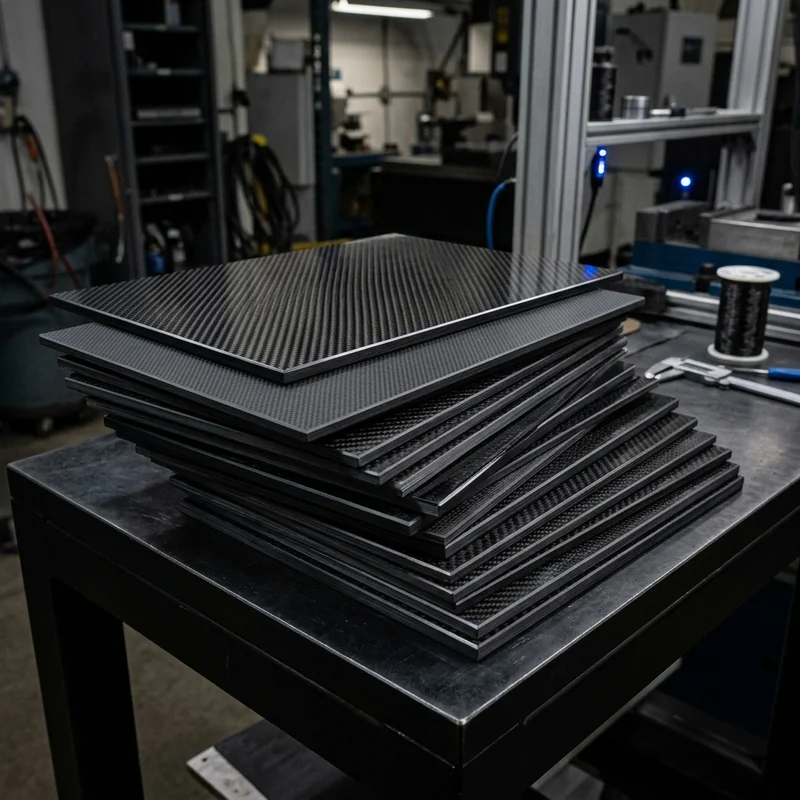
Carbon fiber standard plate-3k stripe
Lightweight, ultra-rigid standard sheets for drone fuselages, robot housings, facades and structural applications.
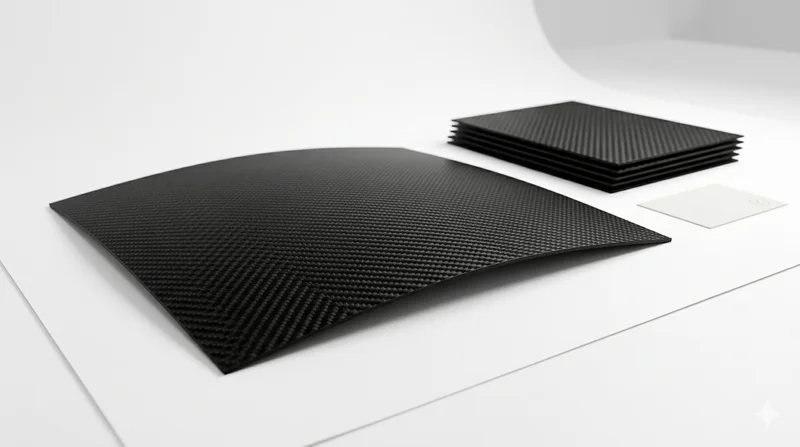
Carbon Fiber Plate — 3K Twill T700 1.5mm
Thin 1.5mm carbon fiber plate with 3K twill weave surface. Lightweight and stiff, commonly used for covers, panels, drone bodies, and applications requiring a premium aesthetic appearance.
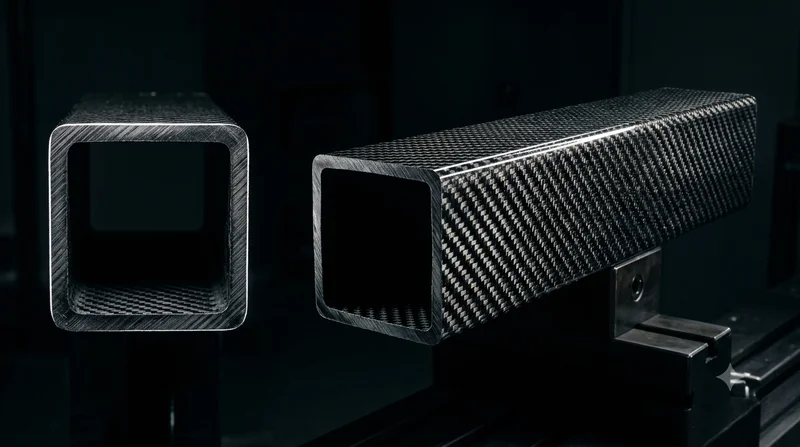
Square Carbon Fiber Tube — 3K Twill T700
Square cross-section carbon fiber tube manufactured with 3K twill weave for torsional strength. Preferred for structural frames, trusses, and support columns where rectangular geometry offers design flexibility.
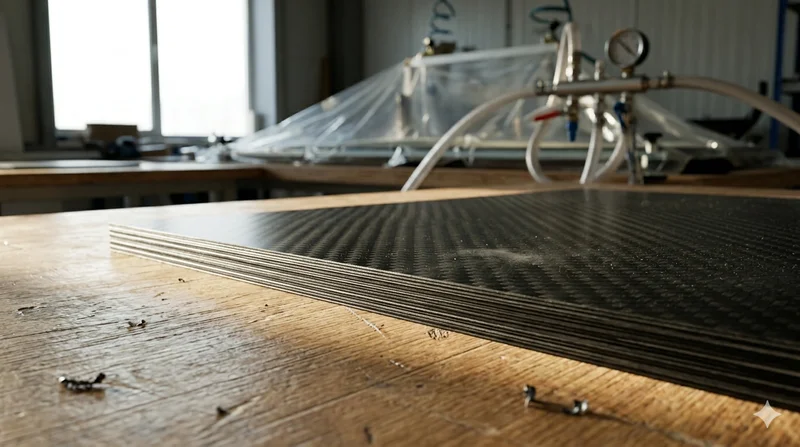
Carbon Fiber Plate — 3K Twill T700 3.0mm
Medium-thickness 3.0mm carbon fiber plate offering significantly higher load capacity while maintaining attractive 3K twill finish. Suitable for structural brackets, reinforcement plates, and load-bearing panels.
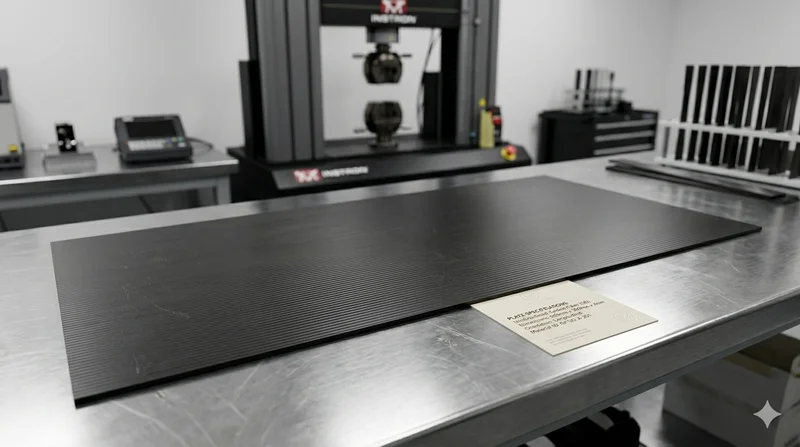
Carbon Fiber Plate — UD Unidirectional T700
Unidirectional carbon fiber plate with all fibers oriented in a single direction for maximum strength along the fiber axis. Essential for structural reinforcements, splints, and applications where load direction is predictable.