
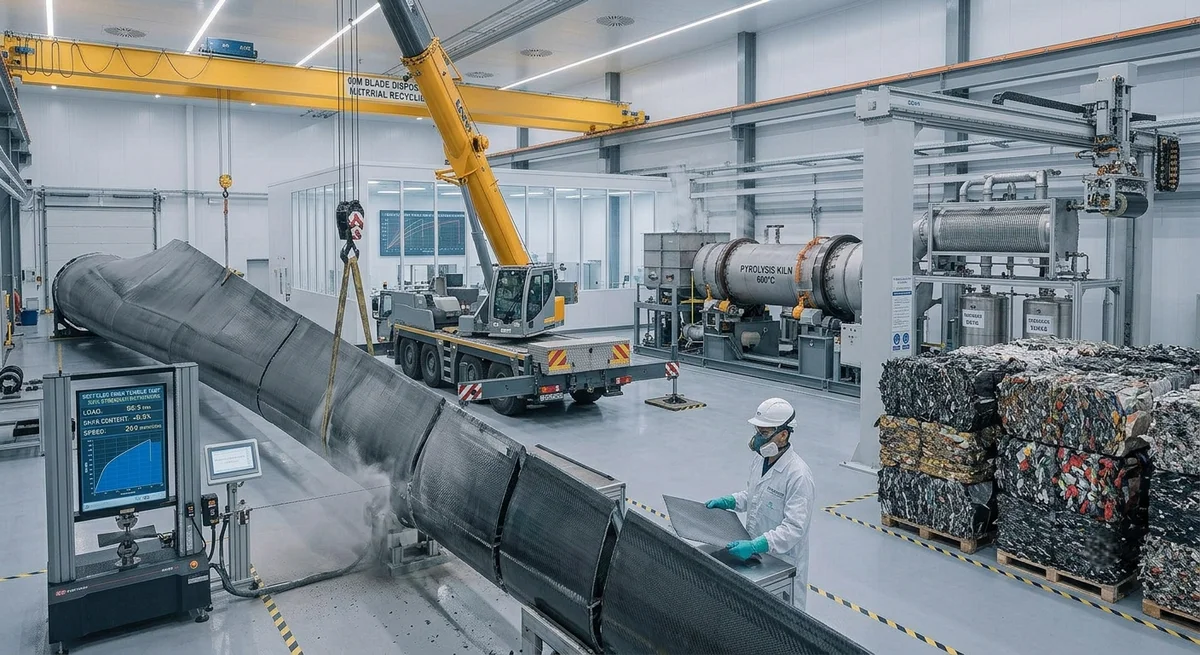
An in-depth analysis of wind turbine blade recycling challenges — covering carbon fiber recovery technologies, EU regulatory pressures, economic viability of recycling processes, and circular economy solutions.
Introduction
The wind energy industry faces a looming end-of-life crisis. Approximately 14,000 wind turbine blades will be decommissioned annually in Europe alone by 2030, with global decommissioning reaching 50,000–60,000 blades per year by 2035. These blades — typically 40–90 meters in length — present a formidable recycling challenge. Wind energy currently consumes 18–22% of global annual carbon fiber production (approximately 22,000–28,000 tons in 2026).
| Recycling Method | Technology Maturity | Fiber Quality Retention | Cost ($/kg recovered) |
|---|---|---|---|
| Mechanical Grinding | TRL 9 | 30–50% | $0.30–$0.80 |
| Fluidized Bed (FBR) | TRL 7 | 70–85% | $1.50–$3.00 |
| Pyrolysis | TRL 8 | 85–95% | $1.00–$2.50 |
| Solvolysis (chemical) | TRL 6–7 | 90–98% | $3.00–$8.00 |
Regulatory Pressures
- EU Landfill Directive: Several member states banning landfilling of composite waste. Landfill costs risen from €50–80/ton to €150–350/ton.
- EPR: France's EPR for wind blades (effective 2025) requires manufacturers to fund end-of-life recycling.
Recycling Technologies
- Mechanical Grinding: Short fiber fragments (3–12 mm), 30–50% strength retention. End-market value: $0.50–$2.00/kg.
- Pyrolysis (Commercial Leader): Thermal decomposition at 400–800°C. ELG Carbon Fibre operates the world's largest plant (5,000 tons/year). Recovered fiber value: $8–$18/kg.
- Solvolysis (Highest Quality): 90–98% property retention. Barrier: solvent cost and recovery efficiency.
Circular Economy Innovations
- Siemens Gamesa RecyclableBlade: Reline™ resin enables fiber-matrix separation at end-of-life.
- ZEBRA Consortium: Elium® thermoplastic resin for fully recyclable 62-meter blades.
Frequently Asked Questions
Why can't blades simply be landfilled?
Regulatory restrictions, environmental concerns (60-meter blade occupies ~85 m³ indefinitely), and economic value of recovered carbon fiber ($8–$18/kg) make landfilling increasingly impractical.
Quality of recovered carbon fiber?
Pyrolysis: 85–95% modulus retention, 10–60 mm fiber length. Solvolysis: 90–98% property retention, 40–80 mm fiber length. Recycled CF currently $8–$18/kg vs $25–$35/kg virgin T700.
Costs and who pays?
$150–$1,200 per blade. Logistics accounts for 40–60% of cost. Costs shared by manufacturers (EPR schemes), wind farm operators (decommissioning bonds), and public subsidies.
Part of topic
Related Articles
- Recycled Carbon Fiber Market Forecast 2030: Technology Maturity and Commercialization Path
- South Korea Carbon Fiber Market 2026: Hydrogen Economy and Shipbuilding Innovation
- Wind Turbine Blade Leading Edge Protection 2026: Polyurethane, Tape, and Metallic Shield Solutions
- China Carbon Fiber Overcapacity 2026: Price War Impact and Industry Consolidation
- India Carbon Fiber Market 2026: Wind Energy, Aerospace, and Defense Expansion
- PAN Precursor Market 2026: Acrylonitrile Supply and Carbon Fiber Cost Structure
Interested in Our Products?
Contact our team for competitive pricing and technical specifications.
Get a QuoteRelated Products
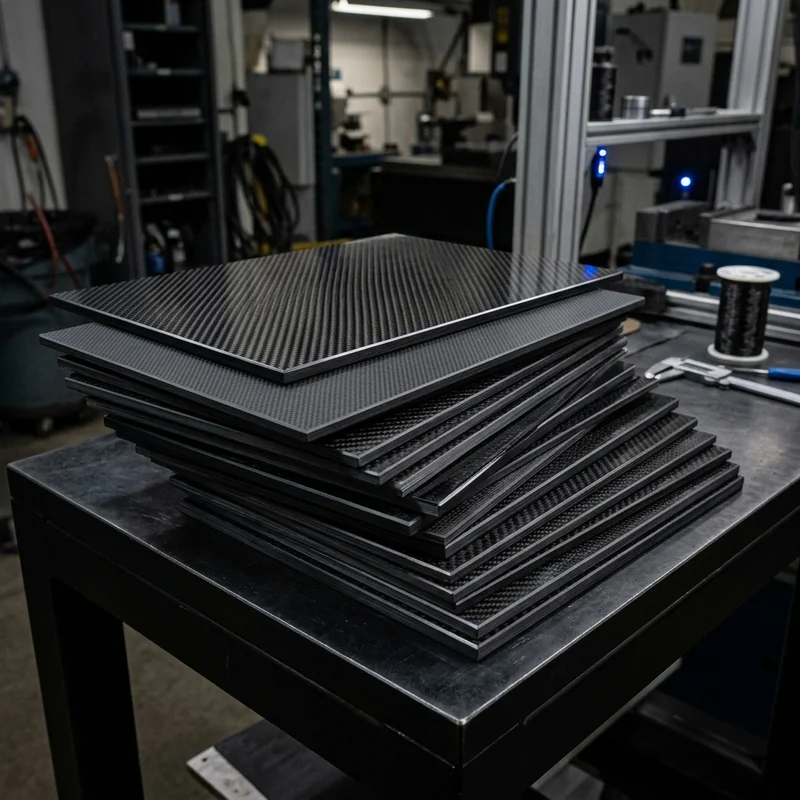
Carbon fiber standard plate-3k stripe
Lightweight, ultra-rigid standard sheets for drone fuselages, robot housings, facades and structural applications.

Carbon Fiber Plate — 3K Twill T700 1.5mm
Thin 1.5mm carbon fiber plate with 3K twill weave surface. Lightweight and stiff, commonly used for covers, panels, drone bodies, and applications requiring a premium aesthetic appearance.

Square Carbon Fiber Tube — 3K Twill T700
Square cross-section carbon fiber tube manufactured with 3K twill weave for torsional strength. Preferred for structural frames, trusses, and support columns where rectangular geometry offers design flexibility.

Carbon Fiber Plate — 3K Twill T700 3.0mm
Medium-thickness 3.0mm carbon fiber plate offering significantly higher load capacity while maintaining attractive 3K twill finish. Suitable for structural brackets, reinforcement plates, and load-bearing panels.
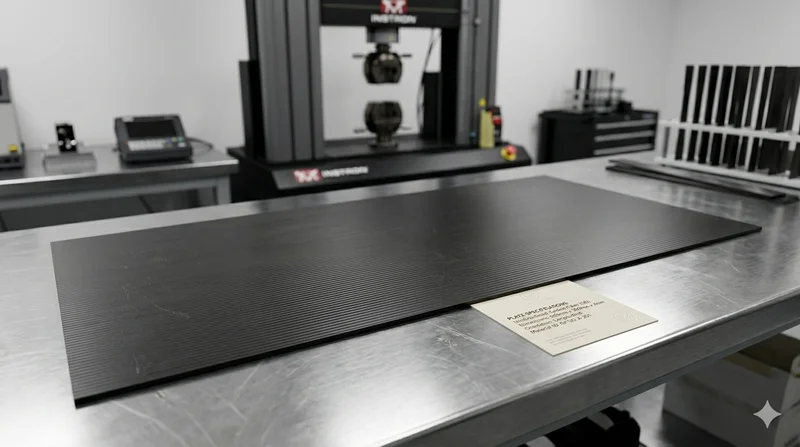
Carbon Fiber Plate — UD Unidirectional T700
Unidirectional carbon fiber plate with all fibers oriented in a single direction for maximum strength along the fiber axis. Essential for structural reinforcements, splints, and applications where load direction is predictable.