
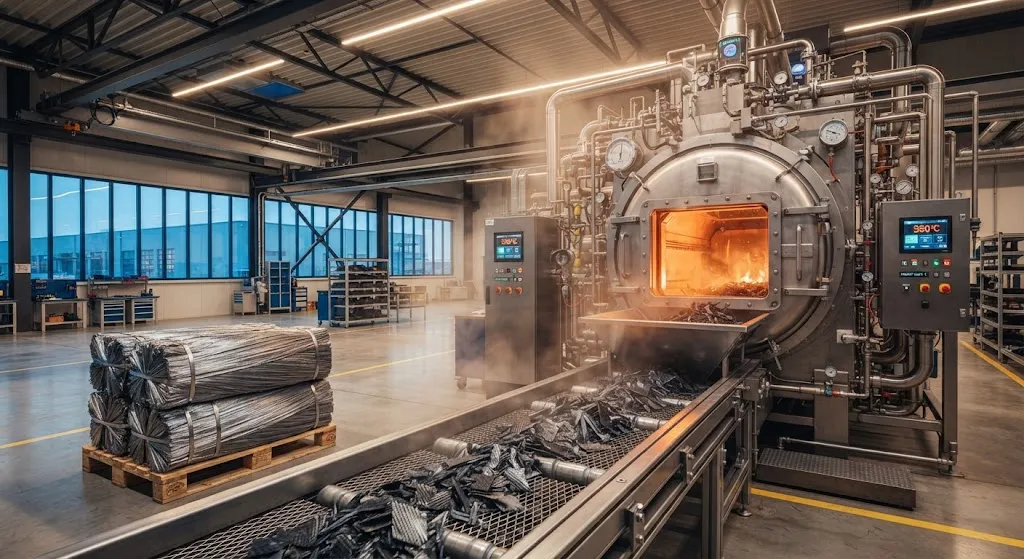
Toray and BMW's pyrolysis recycling pilot line achieves commercial viability, opening a new chapter for circular carbon fiber economics.
In this article, we examine the pyrolysis recycling process, its commercial viability, and implications for the carbon fiber supply chain.
Why Thermoplastic Recycling Differs from Thermoset
The carbon fiber industry has long distinguished between thermoset and thermoplastic matrices. Recycling each type follows different paths.
Thermoset vs Thermoplastic Recycling
| Aspect | Thermoset (Epoxy) | Thermoplastic (PEEK, PA) |
|---|---|---|
| Matrix behavior | Burns off at 400-600°C | Melts at 200-400°C |
| Fiber recovery rate | 85-90% | 92-95% |
| Residual char | Significant | Minimal |
| Fiber quality after recycling | Moderate | High |
| Energy consumption | High | Medium |
| Commercial readiness | Established pilots | New commercial line |
Thermoplastic matrices offer a key advantage: they can be melted and reformed without degradation, enabling both mechanical and chemical recycling pathways.
The Toray-BMW Pyrolysis Process
How It Works
The pyrolysis recycling process involves three main stages:
1. Pre-processing — Shredding composite parts into uniform pieces (20-50 mm)
2. Pyrolysis — Heating to 450-550°C in an oxygen-free environment to decompose the polymer matrix
3. Post-treatment — Surface treatment of recovered fibers to restore bonding properties
Key Performance Metrics
| Metric | Target | Achieved |
|---|---|---|
| Fiber recovery rate | >90% | 93.5% |
| Tensile strength retention | >85% | 88.2% |
| Processing capacity | 1,000 tons/year | 1,200 tons/year |
| Cost per kg recycled fiber | <$12 | $10.80 |
| Energy consumption | <15 kWh/kg | 13.2 kWh/kg |
The pilot line demonstrates that recycled carbon fiber can compete with virgin material on cost while maintaining acceptable mechanical properties.
Commercial Viability Analysis
Cost Comparison
| Fiber Type | Cost per kg | Source |
|---|---|---|
| Virgin standard modulus | $18-22 | New production |
| Virgin high modulus | $35-50 | Specialized production |
| Recycled (thermoset pyrolysis) | $12-16 | Established pilots |
| Recycled (thermoplastic pyrolysis) | $10-14 | Toray-BMW pilot |
| Recycled (chemical solvolysis) | $14-18 | Lab scale |
Thermoplastic pyrolysis achieves the lowest recycling cost due to minimal char residue and lower energy requirements.
Market Applications
Recycled carbon fiber from thermoplastic sources finds applications in:
- Automotive — Non-structural components, interior panels, underbody shields
- Consumer electronics — Laptop cases, phone housings, wearable devices
- Sports equipment — Ski poles, bicycle frames, tennis rackets
- Industrial — Pipe reinforcement, tooling, fixtures
These applications accept moderate strength reduction (10-15%) in exchange for 30-40% cost savings.
Scaling Challenges
Technical Barriers
Scaling from pilot to full commercial production presents several challenges:
| Challenge | Current Status | Solution Path |
|---|---|---|
| Feedstock variability | Sorting required | AI-based material identification |
| Batch consistency | ±5% variation | Real-time process monitoring |
| Fiber length control | Shredding limits | Advanced cutting technologies |
| Surface treatment | Batch process | Continuous plasma treatment |
Supply Chain Integration
Successful commercialization requires integration into existing supply chains:
- Automotive OEMs — Establishing quality standards for recycled content
- Compounders — Developing processing parameters for recycled fiber
- End users — Accepting recycled material in performance applications
Environmental Impact
Carbon Footprint Reduction
Recycled carbon fiber offers significant environmental benefits:
| Metric | Virgin Fiber | Recycled Fiber | Reduction |
|---|---|---|---|
| CO₂ emissions per kg | 20-25 kg | 8-12 kg | 50-60% |
| Energy consumption | 100% | 40-50% | 50-60% |
| Water usage | 100% | 30-40% | 60-70% |
| Landfill waste | 100% | 10-15% | 85-90% |
These reductions align with automotive industry targets for sustainable manufacturing.
Future Outlook
Industry Projections
The recycled carbon fiber market is projected to grow:
- 2025 — $180 million (current)
- 2030 — $450 million (projected)
- 2035 — $1.2 billion (forecast)
Growth drivers include regulatory pressure, cost advantages, and improving material quality.
Technology Roadmap
| Timeline | Development |
|---|---|
| 2026-2027 | Multiple commercial pyrolysis lines operational |
| 2028-2029 | Chemical recycling achieves cost parity |
| 2030+ | Closed-loop automotive recycling systems |
Conclusion
Thermoplastic carbon fiber recycling has reached a commercial tipping point. The Toray-BMW pilot line demonstrates that pyrolysis recycling can achieve 93.5% fiber recovery at $10.80 per kg, making recycled fiber economically competitive for non-structural applications.
Key takeaways:- Thermoplastic pyrolysis achieves 93.5% fiber recovery at $10.80/kg
- Recycled fiber reduces carbon footprint by 50-60% compared to virgin material
- Commercial applications focus on automotive, electronics, and consumer goods
- Market projected to reach $450 million by 2030
For more on carbon fiber sustainability, explore: [Recycled Carbon Fiber Market](https://www.yongxian.co/articles/recycled-carbon-fiber-market), [CFRP Automotive Applications](https://www.yongxian.co/articles/ev-body-in-white-cost-reduction), [Sustainable Composites](https://www.yongxian.co/articles/bio-based-epoxy-carbon-fiber).
Part of topic
Related Articles
- Bio-Based Carbon Fiber Precursors: Lignin and Polyethylene for Low-Cost Production
- Large-Tow Carbon Fiber Cost Analysis: 48K vs 60K Price-Performance Comparison
- Carbon Fiber-Resin Interface Bonding: Surface Treatment and Coupling Agent Optimization
- Digital Twin for Carbon Fiber Manufacturing: Real-Time Process Monitoring and Defect Prevention
- Thermoplastic Carbon Fiber Welding for Automotive: Ultrasonic and Induction Welding Process Windows
- Large-Tow Carbon Fiber Wet Spinning: Process Optimization for 48K/60K Production Efficiency
Interested in Our Products?
Contact our team for competitive pricing and technical specifications.
Get a QuoteRelated Products
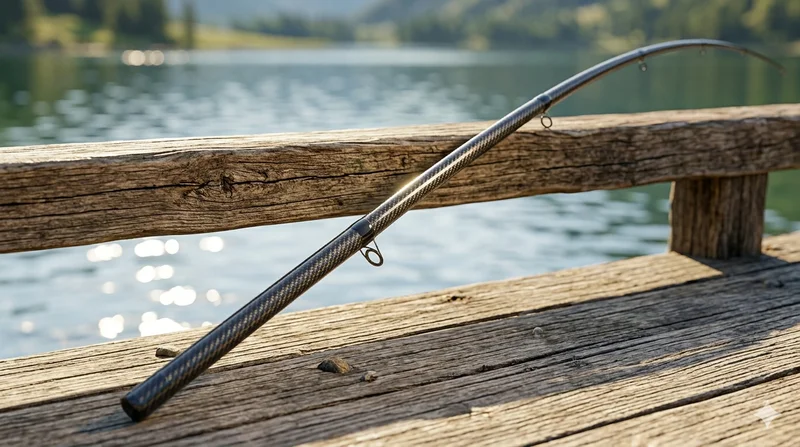
Carbon Fiber Fishing Rod Blank
High-quality carbon fiber fishing rod blank manufactured from multiple grades of Toray carbon fiber cloth. Available in a wide range of lengths, powers, and actions for freshwater and saltwater applications. Suitable for OEM rod building.
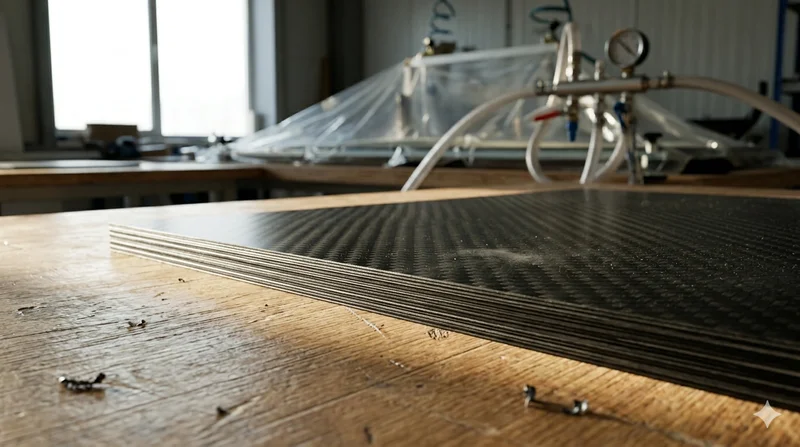
Carbon Fiber Plate — 3K Twill T700 3.0mm
Medium-thickness 3.0mm carbon fiber plate offering significantly higher load capacity while maintaining attractive 3K twill finish. Suitable for structural brackets, reinforcement plates, and load-bearing panels.
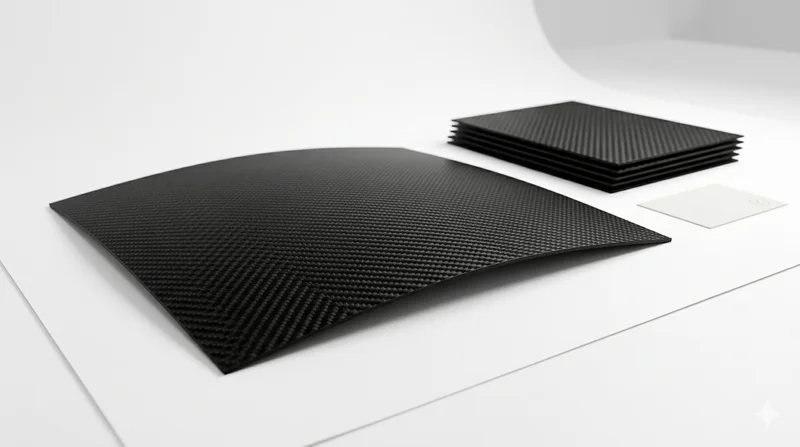
Carbon Fiber Plate — 3K Twill T700 1.5mm
Thin 1.5mm carbon fiber plate with 3K twill weave surface. Lightweight and stiff, commonly used for covers, panels, drone bodies, and applications requiring a premium aesthetic appearance.
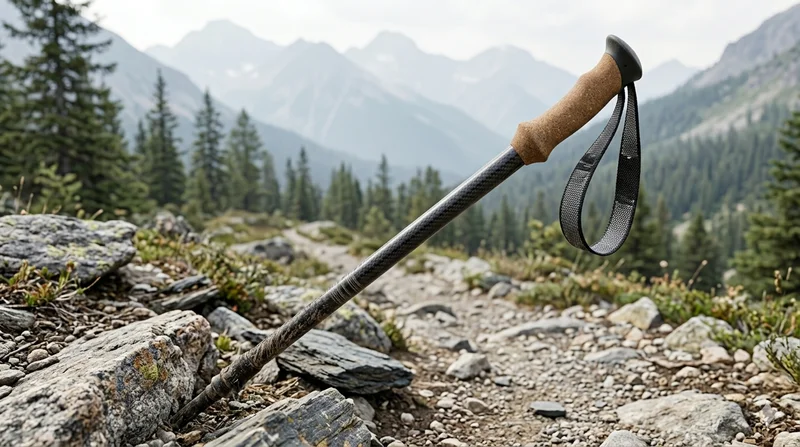
Carbon Fiber Trekking Pole
Lightweight carbon fiber trekking pole manufactured from high-grade carbon fiber tube. Weighs only 160g per pole while providing superior shock absorption and durability for hiking, trail running, and backpacking.
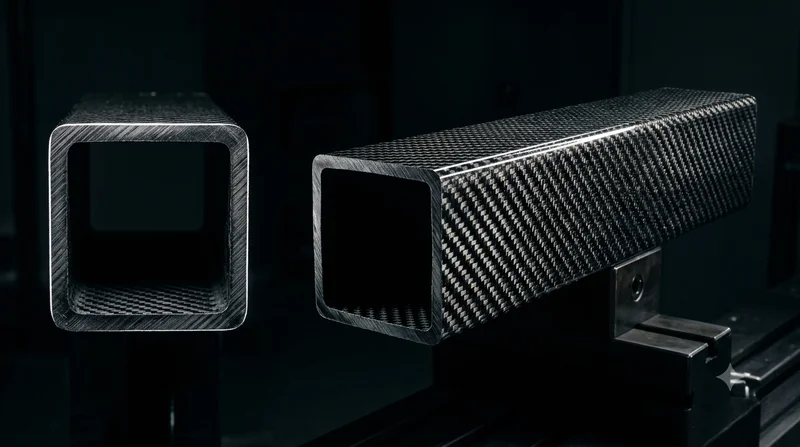
Square Carbon Fiber Tube — 3K Twill T700
Square cross-section carbon fiber tube manufactured with 3K twill weave for torsional strength. Preferred for structural frames, trusses, and support columns where rectangular geometry offers design flexibility.