
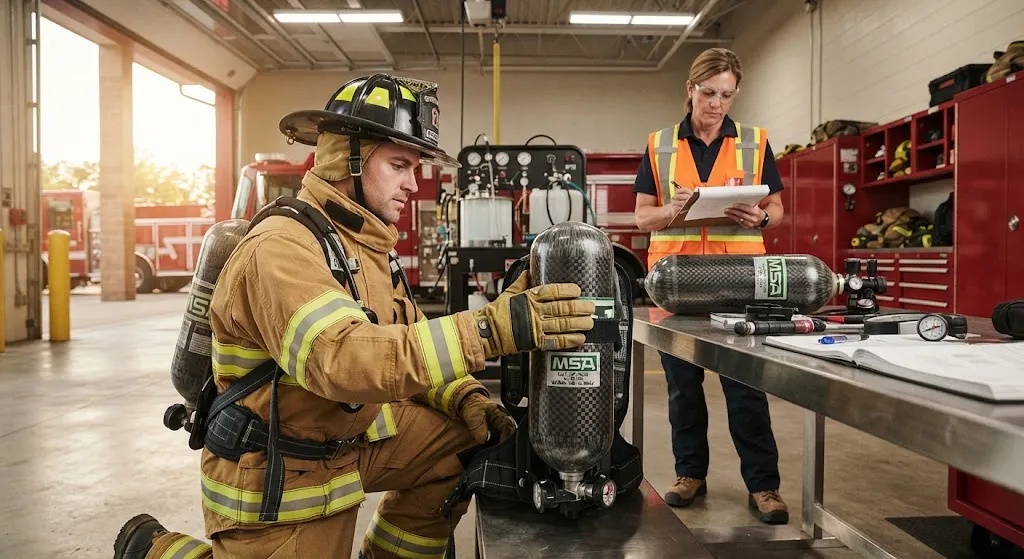
The breathing cylinder is the heaviest single component a firefighter carries, and for decades the industry accepted that weight as the price of safety. A fully charged steel SCBA cylinder weighing more than seven kilograms, mounted on a backplate with a regulator and a full face mask,
Introduction
The breathing cylinder is the heaviest single component a firefighter carries, and for decades the industry accepted that weight as the price of safety. A fully charged steel SCBA cylinder weighing more than seven kilograms, mounted on a backplate with a regulator and a full face mask, contributed to the roughly fifteen to twenty kilograms of equipment a firefighter carries into every structure fire. The physical toll is measurable: every extra kilogram raises energy expenditure during strenuous work, accelerates fatigue and shortens the effective working time inside a burning building. Carbon fiber changed the equation not by making breathing air lighter, but by containing it in a vessel that weighs roughly thirty to forty percent less than steel at the same pressure and capacity.
This article examines the life-weight trade-offs of carbon fiber SCBA cylinders. It compares composite cylinders against steel on weight, service life and inspection requirements, explains the difference between Type 3 and Type 4 constructions and their liner trade-offs, and provides practical guidance for fire departments and emergency procurement teams evaluating these products for a fifteen-to-twenty-year operational horizon.
Why Weight Matters in Firefighting Equipment
Firefighting is one of the most physically demanding occupations in the world, and the weight carried by a firefighter is not incidental — it is a direct input to operational capability. Studies of firefighter physiology consistently show that additional load increases heart rate, oxygen consumption and core body temperature during tasks such as stair climbing, hose advancement and search and rescue operations. The effect compounds with heat: in a burning structure the ambient temperature already stresses the body, and every kilogram of equipment load reduces the margin a firefighter has before exhaustion forces retreat or increases the risk of a cardiac event — the leading cause of line-of-duty deaths.
The SCBA cylinder is unique because its weight is mandatory — a firefighter cannot choose to take less air — and because it is carried at the back, where load has the most disruptive effect on balance and body mechanics. Reducing cylinder weight by even two kilograms improves the ergonomics of the whole assembly, allowing a firefighter to maintain higher work rates for longer periods. This is why the adoption of carbon fiber composite cylinders has been driven not by cost — composite cylinders cost more than steel — but by the documented physiological benefits of carrying less weight through a working incident.
Steel vs Carbon Fiber Composite: The Direct Comparison
The core trade-off in SCBA cylinder selection can be expressed in a single comparison table. The values below are typical for a 6.8-liter cylinder at 300 bar service pressure, the most common specification for modern firefighting SCBA worldwide.
| Property | Steel Cylinder | Carbon Fiber Composite | Difference |
|---|---|---|---|
| Empty weight (including valve) | 7.2-8.5 kg | 3.9-4.5 kg | 30-40% lighter |
| Fully charged weight | 8.2-9.5 kg | 4.9-5.5 kg | 35-42% lighter |
| Service life | 15 years | 15 years | Equal |
| Hydrostatic test interval | Every 5 years | Every 3 years* | Composite more frequent |
| Impact resistance | Very high | High, inspections required | Steel more robust |
| Relative cost | Baseline | 40-80% higher | Composite premium |
| Corrosion behavior | Rust if coating damaged | Liner dependent | Varies by liner type |
The asterisk on the hydrostatic test interval reflects a critical regulatory reality: composite cylinders are inspected more frequently than steel, and the inspection regime — visual examination, ultrasonic or acoustic emission testing, and periodic hydrostatic proof testing — is mandatory and governed by transport and pressure equipment regulations. The weight savings are real, but they are purchased with a more demanding and more expensive inspection schedule over the cylinder's life.
Type 3 vs Type 4: The Liner Decision
Carbon fiber SCBA cylinders are manufactured in two principal configurations, and the liner choice drives most of the operational differences. A Type 3 cylinder has a metal liner — almost always aluminum — fully overwrapped with carbon fiber. The metal liner provides the gas-tight barrier, is relatively simple to manufacture, and gives the cylinder a robust, damage-tolerant feel; its cost is moderate, and its inspection and qualification data are well established. A Type 4 cylinder uses a plastic liner — typically a high-density polyethylene or similar polymer — also fully overwrapped with carbon fiber. The plastic liner is lighter than aluminum, chemically inert to water and internal corrosion, and is manufactured in one piece, which eliminates the welds and seam inspection points of metal liners.
The trade-off between the two types is a question of weight versus fragility. Type 4 cylinders are the lightest available — often 5-10% lighter than an equivalent Type 3 — and their plastic liner cannot corrode internally, which reduces the risk of hidden damage from moisture in the breathing air supply. But plastic liners are less resistant to external puncture and abrasion, and a Type 4 cylinder's liner can develop permeability issues at end-of-life, requiring more careful handling and storage. Type 3 cylinders are heavier but more forgiving under rough handling — a relevant factor in fire stations where cylinders are dropped, dragged and banged against equipment daily. Both types carry the same 15-year service life when maintained correctly, and both are fully certified under the major international standards for composite pressure vessels.
Certification, Testing and the Inspection Regime
SCBA cylinders are pressure vessels that carry life-critical gas, and their safety is governed by a stringent certification and inspection framework. Composite cylinders for firefighting are typically certified to pressure vessel standards that specify design, manufacturing and qualification testing requirements, including burst pressure testing of sample cylinders at not less than a defined multiple of service pressure, fatigue testing over thousands of pressure cycles, impact and drop tests, and fire resistance testing of the cylinder's heat-sensitive components. Once in service, the cylinder enters a periodic inspection regime: visual examination for surface damage, dents and fiber exposure; a hydrostatic proof test at a defined interval — commonly three years for composites — that verifies the cylinder can still hold its certified pressure; and, for many jurisdictions, an ultrasonic or acoustic emission examination of the composite overwrap to detect hidden fiber damage.
The practical consequence for fire departments is that a composite cylinder program requires more than the cylinders themselves. It requires a relationship with a certified inspection facility, a tracking system for cylinder serial numbers, hydrostatic test intervals and retest dates, and a replacement budget that accounts for both the higher initial purchase price and the recurring inspection costs. Departments that overlook these requirements can find themselves with cylinders that pass their visual checks but are overdue for mandatory hydrostatic testing — a compliance and safety risk that undermines the very weight savings the cylinders were purchased to deliver.
Procurement Guidance for Emergency Services
For fire departments and procurement teams, the evaluation of carbon fiber SCBA cylinders should follow a structured checklist rather than a simple weight comparison:
- Verify certification: the cylinder must carry the marks of the applicable pressure vessel and transport standards for your jurisdiction, and the manufacturer must provide full qualification test documentation.
- Compare total lifecycle cost: purchase price plus inspection and retest costs over 15 years, not purchase price alone — the composite premium narrows substantially when the weight savings are monetized as reduced firefighter fatigue and extended working time.
- Decide the liner type: departments that handle cylinders roughly, or operate in humid climates, may prefer Type 3 aluminum-lined cylinders for robustness, while departments optimizing for maximum weight reduction and long-term corrosion resistance may choose Type 4.
- Validate system compatibility: confirm the cylinder is available in the service pressures and capacities your department uses, and verify that existing SCBA backplates and regulators are compatible with the new cylinder's dimensions and valve fitting.
Frequently Asked Questions
How much weight does a carbon fiber SCBA cylinder save compared to steel?
A typical 6.8-liter 300-bar steel cylinder weighs 7-8.5 kilograms empty, while an equivalent carbon fiber composite cylinder weighs 3.9-4.5 kilograms — a reduction of roughly 30-40%. Fully charged, the difference is similar in percentage terms. For a firefighter carrying the cylinder on a backplate with regulator and mask, this translates to 2.5-4 kilograms less load on the body and a measurable improvement in endurance during strenuous operations such as stair climbing and search and rescue.
How long do carbon fiber SCBA cylinders last, and how often must they be tested?
Carbon fiber composite SCBA cylinders have a certified service life of 15 years from the date of manufacture — the same as steel cylinders. However, they require more frequent periodic inspection: a hydrostatic proof test is typically required every 3 years for composites (compared to every 5 years for steel), in addition to annual visual inspections of the cylinder surface and fiber overwrap. The cylinder must be withdrawn from service at the end of its 15-year life regardless of its visual condition, because the composite overwrap's fatigue life cannot be extended.
What is the difference between Type 3 and Type 4 SCBA cylinders?
Type 3 cylinders use a metal (aluminum) liner fully wrapped in carbon fiber; Type 4 cylinders use a plastic (polymer) liner, also carbon-fiber-wrapped. Type 4 cylinders are 5-10% lighter and cannot corrode internally, but their plastic liners are more susceptible to puncture and require more careful handling. Type 3 cylinders are heavier but more robust under rough field handling and have longer-established inspection data. Both types carry the same 15-year service life and both are fully certified for firefighting use; the choice depends on whether a department prioritizes maximum weight reduction or maximum durability in day-to-day handling.
Conclusion
Carbon fiber SCBA cylinders deliver one of the clearest demonstrations of composite value in safety equipment: a 30-40% weight reduction that directly improves the physical performance of firefighters, purchased at the cost of a higher purchase price, more frequent hydrostatic testing and a more careful inspection regime. The 15-year service life and certified safety performance are equal to steel, while the operational benefit — less weight on the body during the most physically demanding work in the profession — is measurable and documented. For procurement teams, the decision is not whether composites outperform steel, but whether the total lifecycle cost and inspection infrastructure are managed as part of the program, not after it.
Fire departments evaluating these cylinders should verify certification status, model total lifecycle cost and match the liner type to their handling environment before committing to a fleet-wide standard. Browse our carbon fiber product range for high-pressure composite applications, or contact our engineering team to discuss fiber selection and technical support for cylinder manufacturers supplying the firefighting sector.
Part of topic
Related Articles
Interested in Our Products?
Contact our team for competitive pricing and technical specifications.
Get a QuoteRelated Products

Carbon Fiber Plate — 3K Twill T700 3.0mm
Medium-thickness 3.0mm carbon fiber plate offering significantly higher load capacity while maintaining attractive 3K twill finish. Suitable for structural brackets, reinforcement plates, and load-bearing panels.

Carbon Fiber Plate — 3K Twill T700 1.5mm
Thin 1.5mm carbon fiber plate with 3K twill weave surface. Lightweight and stiff, commonly used for covers, panels, drone bodies, and applications requiring a premium aesthetic appearance.

Square Carbon Fiber Tube — 3K Twill T700
Square cross-section carbon fiber tube manufactured with 3K twill weave for torsional strength. Preferred for structural frames, trusses, and support columns where rectangular geometry offers design flexibility.
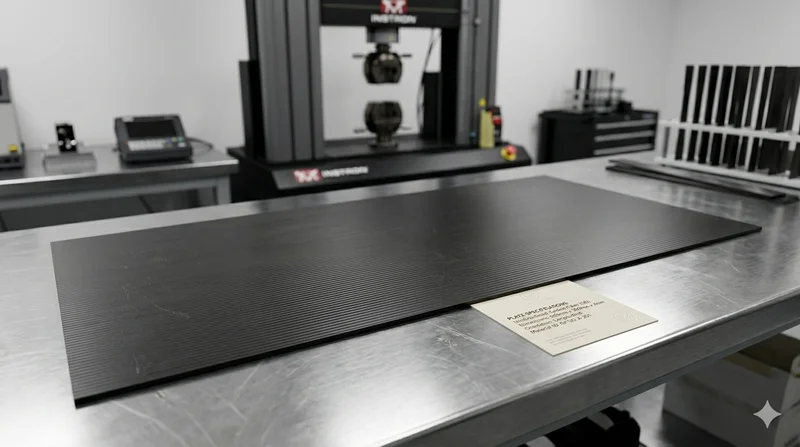
Carbon Fiber Plate — UD Unidirectional T700
Unidirectional carbon fiber plate with all fibers oriented in a single direction for maximum strength along the fiber axis. Essential for structural reinforcements, splints, and applications where load direction is predictable.
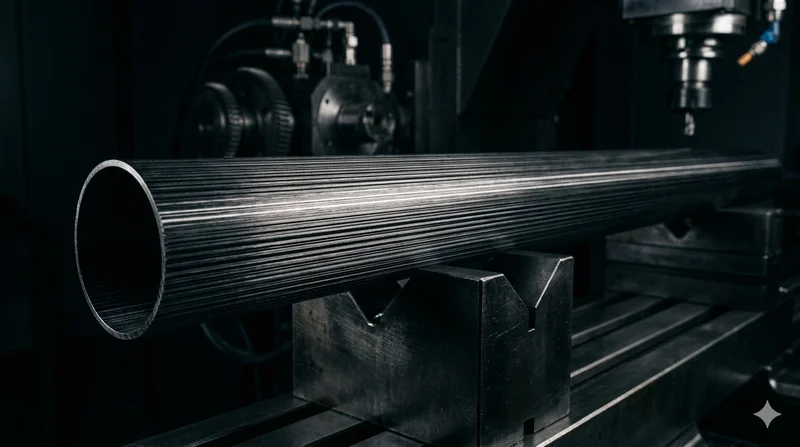
Round Carbon Fiber Tube — UD Unidirectional T700
Unidirectional (UD) round tube with all fibers aligned axially for maximum longitudinal stiffness. Ideal for applications requiring high bending rigidity with minimal weight, such as shafts, struts, and structural reinforcements.