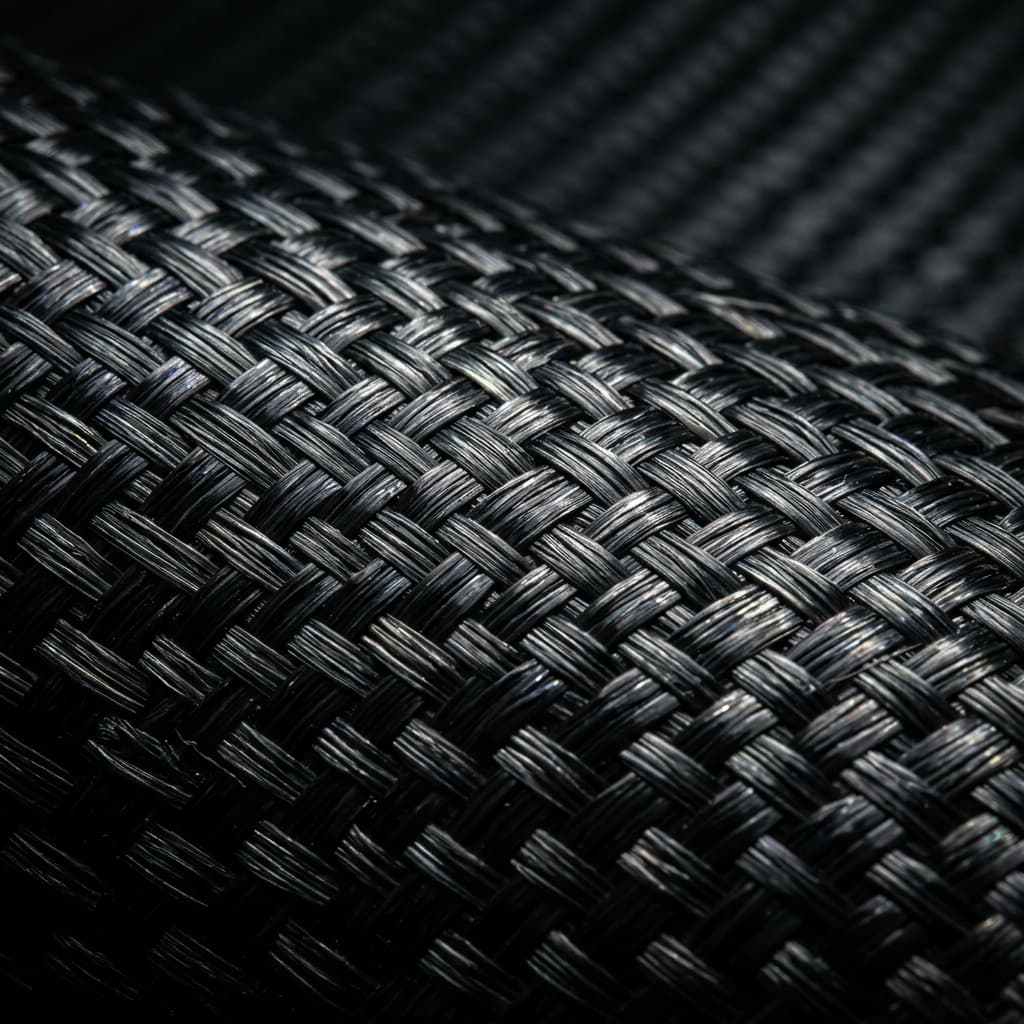
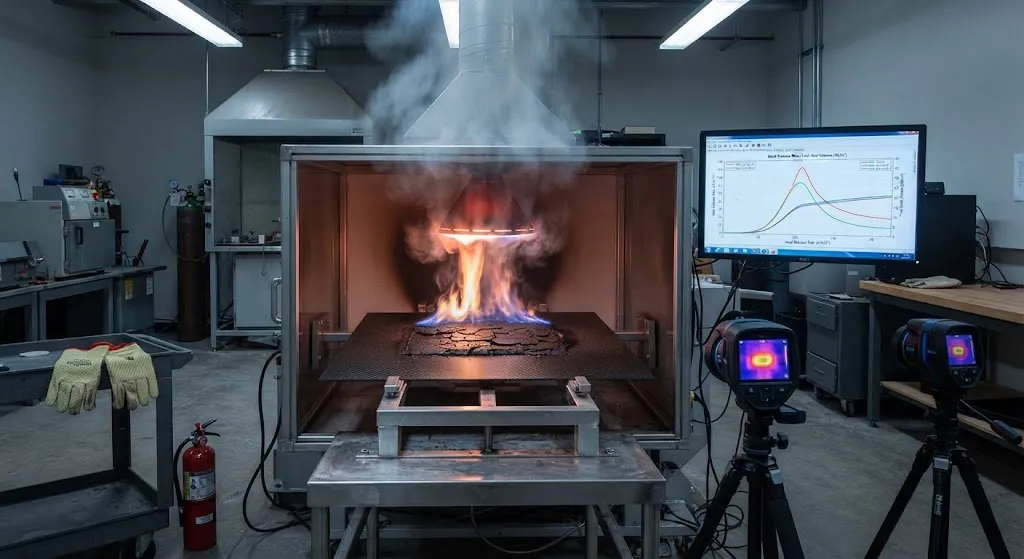
Fire-resistant carbon fiber composites combine CFRP structural performance with flame retardancy and low smoke emission. This article examines resin systems, fire retardant additives, and qualification testing for demanding structural applications.
Introduction
Many structural applications for carbon fiber composites require fire resistance — the ability to maintain structural integrity during fire exposure while limiting flame spread, smoke generation, and toxic gas emissions. Transportation (aircraft, rail, marine), building construction, and industrial facilities all impose fire performance requirements that standard epoxy-based CFRP materials cannot meet without modification.
Fire-resistant carbon fiber composites achieve their performance through a combination of inherently fire-resistant resin systems, fire retardant additives, and structural design approaches that account for material behavior at elevated temperatures. The challenge is maintaining the mechanical performance advantages of CFRP while achieving fire performance levels required by regulations and safety standards.
Fire-Resistant Resin Systems
Several resin systems offer improved fire performance:
Phenolic resins: Phenolic-based CFRP composites offer inherently low flammability, low heat release, and low smoke emission. Phenolic resins char rather than decompose, forming a protective carbon layer that limits further thermal degradation. The downside is lower mechanical properties and more brittle behavior compared to epoxy systems.
Cyanate ester resins: Cyanate ester-based composites offer high-temperature stability (Tg > 250°C) with good fire performance. These resins form aromatic char structures that provide thermal insulation during fire exposure.
Phthalonitrile resins: Phthalonitrile-based composites offer exceptional fire resistance with high-temperature capability (Tg > 350°C). These resins are emerging as premium fire-resistant systems for the most demanding applications.
Phosphorus-modified epoxies: Conventional epoxy resins modified with phosphorus-containing compounds achieve improved fire performance while maintaining epoxy-like processing and mechanical characteristics.
Fire Retardant Additives
Fire retardant additives enhance the fire performance of CFRP systems:
Halogenated compounds: Brominated and chlorinated additives effectively reduce flammability through gas-phase flame inhibition. However, environmental and health concerns are driving a shift toward halogen-free alternatives.
Phosphorus-based additives: Phosphorus compounds promote char formation and reduce heat release. These additives are widely used as halogen-free alternatives with good fire performance.
Nitrogen-based additives: Melamine and other nitrogen-containing compounds reduce flammability through endothermic decomposition and gas dilution effects. Often used in combination with phosphorus additives.
Mineral fillers: Aluminum trihydrate (ATH) and magnesium hydroxide (MDH) release water during decomposition, reducing heat release and suppressing flame. High loading levels (40-60% by weight) are required, which can affect mechanical properties.
Structural Design Considerations
Fire-resistant composite structures require specific design approaches:
Thermal protection: Insulation layers — ablative materials, ceramic fiber blankets, intumescent coatings — protect CFRP structure from fire exposure, maintaining structural temperatures below critical thresholds for specified durations.
Residual strength analysis: Structural design must account for reduced material properties at elevated temperatures, ensuring that the structure maintains adequate load-carrying capacity throughout the required fire exposure period.
Compartmentalization: Fire-resistant composite barriers and enclosures limit fire spread and protect critical structures, enabling continued operation or safe evacuation during fire events.
Qualification Testing
Fire-resistant composites must pass rigorous qualification testing:
Cone calorimetry: Measured heat release rate, total heat release, smoke density, and CO/CO2 generation under controlled heat flux conditions. These tests characterize the material's fire behavior for regulatory compliance.
Fire endurance testing: Full-scale fire tests evaluate structural performance under standardized fire conditions (ISO 834, ASTM E119) for specified durations. Fire endurance ratings (30, 60, 90, 120 minutes) determine structural suitability for specific applications.
Toxicity testing: Measurement of toxic gas emissions — HCl, HCN, NOx, SOx, HF — under fire conditions ensures compliance with life safety requirements for occupied spaces.
Conclusion
Fire-resistant carbon fiber composites enable the use of CFRP materials in demanding structural applications where fire performance is critical. As fire-resistant resin systems and additive technologies continue to develop, CFRP composites will expand into applications previously limited to metallic or ceramic materials, supporting weight reduction and performance improvement across multiple industries.
Related Articles
- Bio-Based Carbon Fiber Precursors: Lignin and Polyethylene for Low-Cost Production
- Large-Tow Carbon Fiber Cost Analysis: 48K vs 60K Price-Performance Comparison
- Carbon Fiber-Resin Interface Bonding: Surface Treatment and Coupling Agent Optimization
- Digital Twin for Carbon Fiber Manufacturing: Real-Time Process Monitoring and Defect Prevention
- Thermoplastic Carbon Fiber Welding for Automotive: Ultrasonic and Induction Welding Process Windows
- Large-Tow Carbon Fiber Wet Spinning: Process Optimization for 48K/60K Production Efficiency
Interested in Our Products?
Contact our team for competitive pricing and technical specifications.
Get a QuoteRelated Products
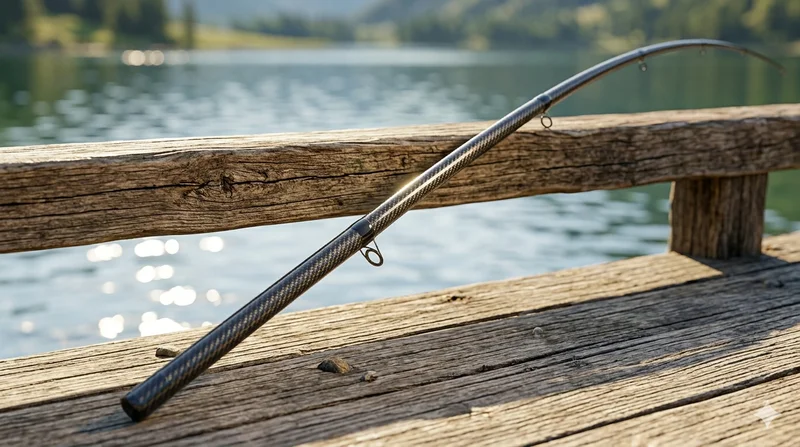
Carbon Fiber Fishing Rod Blank
High-quality carbon fiber fishing rod blank manufactured from multiple grades of Toray carbon fiber cloth. Available in a wide range of lengths, powers, and actions for freshwater and saltwater applications. Suitable for OEM rod building.
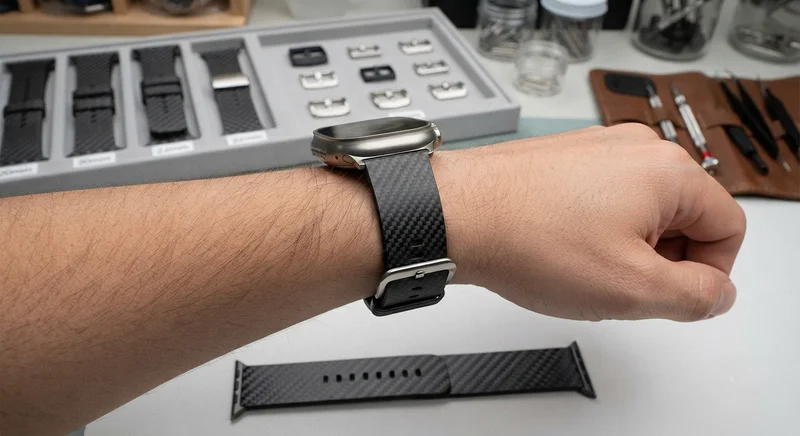
Carbon Fiber Watch Strap — 20mm/22mm Quick-Release
Premium carbon fiber watch strap with quick-release spring bars. Woven from T700 3K twill prepreg with a flexible resin system that conforms to the wrist. Available in 20mm and 22mm lug widths, compatible with Apple Watch, Samsung Galaxy Watch, Garmin, and traditional mechanical watches. Features a stainless steel buckle and carbon fiber keepers. The natural weave pattern makes each strap unique.
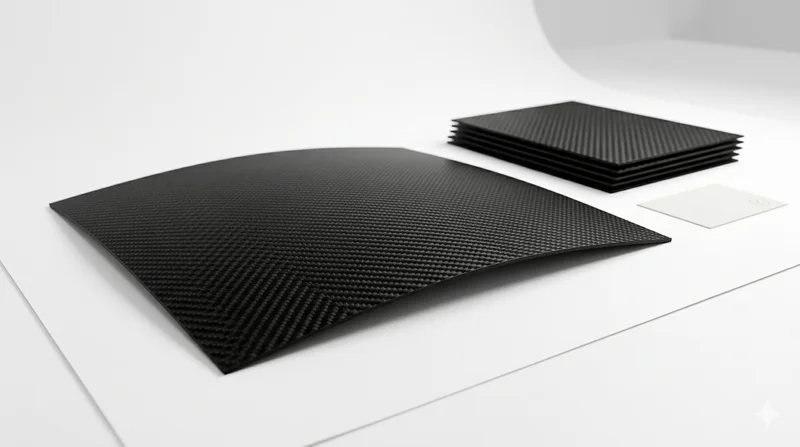
Carbon Fiber Plate — 3K Twill T700 1.5mm
Thin 1.5mm carbon fiber plate with 3K twill weave surface. Lightweight and stiff, commonly used for covers, panels, drone bodies, and applications requiring a premium aesthetic appearance.
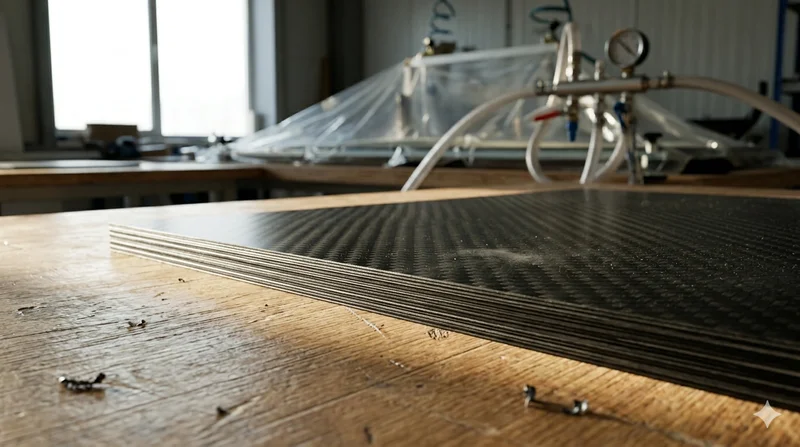
Carbon Fiber Plate — 3K Twill T700 3.0mm
Medium-thickness 3.0mm carbon fiber plate offering significantly higher load capacity while maintaining attractive 3K twill finish. Suitable for structural brackets, reinforcement plates, and load-bearing panels.
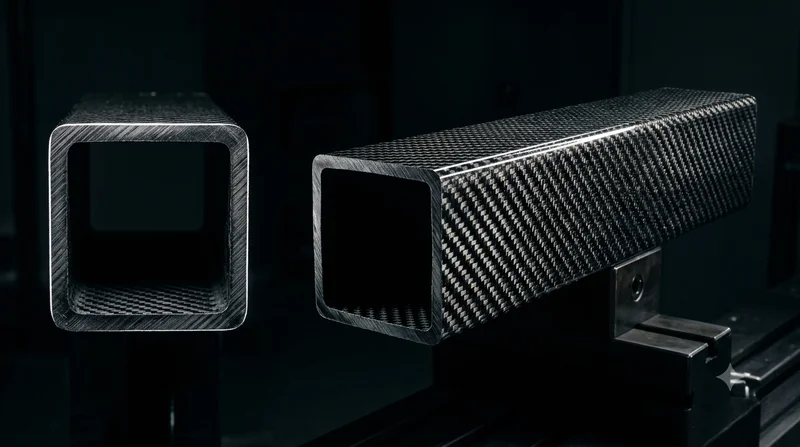
Square Carbon Fiber Tube — 3K Twill T700
Square cross-section carbon fiber tube manufactured with 3K twill weave for torsional strength. Preferred for structural frames, trusses, and support columns where rectangular geometry offers design flexibility.