

Sizing is a thin polymer coating applied during carbon fiber manufacturing that controls fiber-matrix adhesion, handleability, and composite interlaminar shear strength. This article reviews epoxy, polyurethane, and thermoplastic sizing chemistries, their compatibility with different resin systems, and how sizing content (0.5–5%) affects composite mechanical properties.
Introduction
Sizing is a thin polymer coating applied to carbon fiber filaments during the final stages of fiber manufacturing. Typically constituting 0.5–5.0% of fiber weight, the sizing layer is the critical interface between the inert carbon fiber surface and the reactive resin matrix in a composite. Despite its small mass fraction, sizing chemistry profoundly influences fiber handleability, fiber-matrix adhesion, and ultimately the mechanical performance of the finished composite structure.
The sizing serves multiple simultaneous functions: it protects filaments from abrasion during winding, weaving, and prepreg operations; it provides a chemical bridge between the fiber surface and the matrix resin; and it controls the wetting behavior that determines how evenly resin distributes during impregnation. Understanding sizing chemistry — and matching the right sizing to the right resin system — is essential for achieving optimal composite performance.
Sizing Chemistry Fundamentals
Carbon fiber sizing is typically an aqueous emulsion or solution containing a primary film-former, coupling agents, surfactants, and performance additives. The formulation is designed to be applied during the surface treatment stage of carbon fiber production, where the fiber passes through a sizing bath after electrochemical oxidation.
Film-formers are the primary component, typically comprising 60–80% of the sizing solids. The most common film-formers are:
• Epoxy resins: Bisphenol-A or bisphenol-F based epoxies with molecular weights of 2,000–8,000 g/mol. These provide excellent adhesion to epoxy matrix systems through covalent bonding during cure. Epoxy film-formers are the industry standard for aerospace and high-performance applications.
• Polyurethane dispersions: Waterborne polyurethane dispersions (PUDs) offer flexibility and impact resistance. They are favored for thermoplastic composite applications and applications requiring high strain-to-failure.
• Phenolic resins: Novolac or resole phenolics are used for carbon-carbon composite precursors and high-temperature applications where the sizing must survive carbonization temperatures above 1,000°C.
• Thermoplastic polymers: PEEK, PPS, PEI, and nylon dispersions are increasingly used for thermoplastic composite manufacturing, where the sizing must be compatible with melt impregnation processes at 300–400°C.
Coupling agents — typically organosilanes (3–8% of sizing solids) — provide chemical bonding between the organic film-former and the inorganic fiber surface. Amino-silanes (APTES, AEAPS) are most common for epoxy-compatible sizings, while methacrylate-silanes are used for vinyl ester and acrylate systems.
Surfactants stabilize the sizing emulsion and control fiber wetting. Nonionic surfactants (ethoxylated alcohols, alkyl phenol ethoxylates) are preferred for their pH stability and compatibility with the electrochemical surface treatment process.
Sizing Content and Its Effects
The percentage of sizing on carbon fiber — typically measured by loss-on-ignition (LOI) — directly affects composite properties:
Low sizing content (0.5–1.0% LOI): Provides minimal fiber protection during processing. Suitable for direct-weld or thermoplastic consolidation processes where maximum fiber-matrix contact is desired. Risk of filament breakage during weaving: 2–5% of filaments may break.
Standard sizing content (1.5–3.0% LOI): The industry standard for most prepreg and resin infusion applications. Provides good handleability with acceptable interlaminar shear strength (ILSS). Optimal for balanced performance and cost.
High sizing content (3.5–5.0% LOI): Enhanced filament protection and handleability, but excess sizing creates resin-rich zones at the fiber-matrix interface. These zones can reduce compressive strength by 5–15% and may act as crack initiation sites under fatigue loading.
Sizing-Resin Compatibility
The most critical sizing selection criterion is chemical compatibility with the matrix resin system. An incompatible sizing can reduce interlaminar shear strength by 20–40% compared to an optimized pairing.
Epoxy-compatible sizing for epoxy matrices: The sizing epoxy and matrix epoxy must have compatible curing agents and cure temperatures. If the sizing cures at a significantly different rate than the matrix, the interface may develop residual stresses that reduce bond strength. Optimal pairings use sizing epoxy with a similar DSC exotherm profile to the matrix resin.
Epoxy-compatible sizing for thermoplastic matrices: When using epoxy sizing with PEEK or PPS matrices, the sizing must be thin enough to allow fiber-matrix contact without creating a brittle interphase. Surface energy matching is critical — the thermoplastic matrix must wet the sizing layer at processing temperature.
Thermoplastic sizing for thermoplastic matrices: PEEK or PPS sizing on carbon fiber enables direct consolidation without a melting/dissolution step. The sizing melts simultaneously with the matrix, creating a continuous polymer phase at the interface. This approach eliminates the sizing-matrix incompatibility issue entirely.
Surface Treatment and Sizing Application
Carbon fiber surface treatment and sizing application occur in sequence during fiber production. After carbonization and graphitization, the fiber passes through an electrochemical oxidation bath that introduces oxygen-containing functional groups (carboxyl, hydroxyl, carbonyl) to the fiber surface. This treatment increases surface energy from approximately 30 mJ/m² (untreated) to 50–70 mJ/m², dramatically improving wettability.
The sizing is applied immediately after surface treatment, typically by passing the fiber through a sizing bath or using a metered spray system. The sizing bath concentration (5–15% solids) and dwell time (0.5–3.0 seconds) control the final sizing content. After sizing application, the fiber passes through a controlled drying oven (100–150°C) to remove water and partially cross-link the sizing film.
Application-Specific Sizing Requirements
Aerospace: Aerospace-grade sizing must meet rigorous qualification standards. Key requirements include hot-wet ILSS retention (> 80% of dry RT value after 2,000 hours at 70°C/85% RH), high-temperature performance (Tg + 50°C), and compatibility with out-of-autoclave (OoA) cure cycles. Aerospace sizing formulations are typically qualified through extensive testing and require customer approval for any changes.
Automotive: Automotive sizing prioritizes rapid cure compatibility (1–5 minute cycle times for press-molded parts), paint adhesion (the sizing must not interfere with topcoat adhesion), and recyclability. Growing demand for carbon fiber in electric vehicle structures is driving development of sizings optimized for fast-cure epoxy and hybrid thermoplastic/thermoset systems.
Wind energy: Wind turbine blade sizing must be compatible with vacuum infusion processes, where resin flows through dry fiber preforms for 30–120 minutes before gelation. The sizing must maintain fiber bundle integrity during infusion while allowing thorough resin penetration. Sizing content is typically lower (1.0–2.0%) to maximize permeability.
Sporting goods: Premium sporting goods sizing emphasizes surface finish quality, impact resistance, and aesthetic appearance. High-gloss finishes require sizing that minimizes print-through, while impact-loaded applications (ski poles, hockey sticks) benefit from sizing that improves interlaminar fracture toughness.
Quality Control and Testing
Sizing quality is controlled through multiple testing methods:
• Loss-on-ignition (LOI): Standard method for measuring sizing content. A fiber sample is burned at 550–600°C in air, and the mass loss represents sizing content. Precision: ±0.2% LOI.
• Differential scanning calorimetry (DSC): Measures the cure exotherm of the sizing to verify cure state and sizing chemistry consistency.
• Contact angle measurement: Quantifies fiber wettability. Freshly produced carbon fiber should have contact angles of 45–75° with epoxy resin.
• Interlaminar shear strength (ILSS): Short-beam shear testing of CFRP laminates is the ultimate verification of sizing performance. ILSS values above 70 MPa indicate good fiber-matrix adhesion.
Conclusion
Sizing chemistry is a critical but often underappreciated aspect of carbon fiber composite performance. The sizing layer — typically less than 1 μm thick — controls the fiber-matrix interface that determines composite strength, durability, and processing behavior. Matching sizing chemistry to the specific resin system, cure conditions, and end-use requirements is essential for optimizing composite performance. As carbon fiber applications expand into new markets — thermoplastic composites, bio-based resins, high-volume automotive — sizing technology will continue to evolve to meet demanding new requirements.
Part of topic
Related Articles
- Bio-Based Carbon Fiber Precursors: Lignin and Polyethylene for Low-Cost Production
- Large-Tow Carbon Fiber Cost Analysis: 48K vs 60K Price-Performance Comparison
- Carbon Fiber-Resin Interface Bonding: Surface Treatment and Coupling Agent Optimization
- Digital Twin for Carbon Fiber Manufacturing: Real-Time Process Monitoring and Defect Prevention
- Thermoplastic Carbon Fiber Welding for Automotive: Ultrasonic and Induction Welding Process Windows
- Large-Tow Carbon Fiber Wet Spinning: Process Optimization for 48K/60K Production Efficiency
Interested in Our Products?
Contact our team for competitive pricing and technical specifications.
Get a QuoteRelated Products
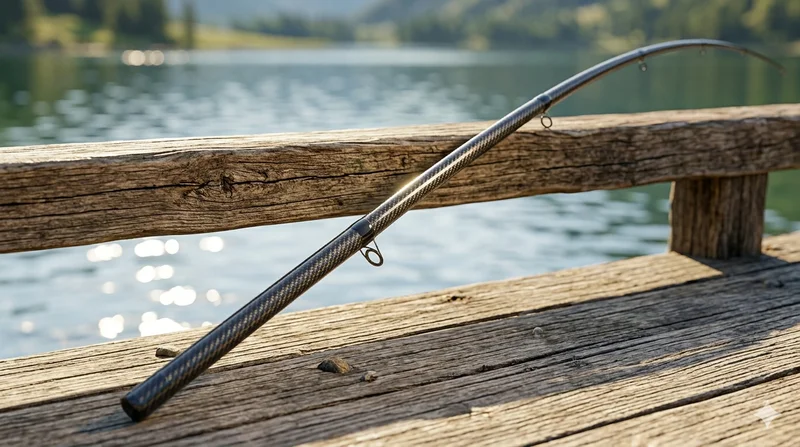
Carbon Fiber Fishing Rod Blank
High-quality carbon fiber fishing rod blank manufactured from multiple grades of Toray carbon fiber cloth. Available in a wide range of lengths, powers, and actions for freshwater and saltwater applications. Suitable for OEM rod building.
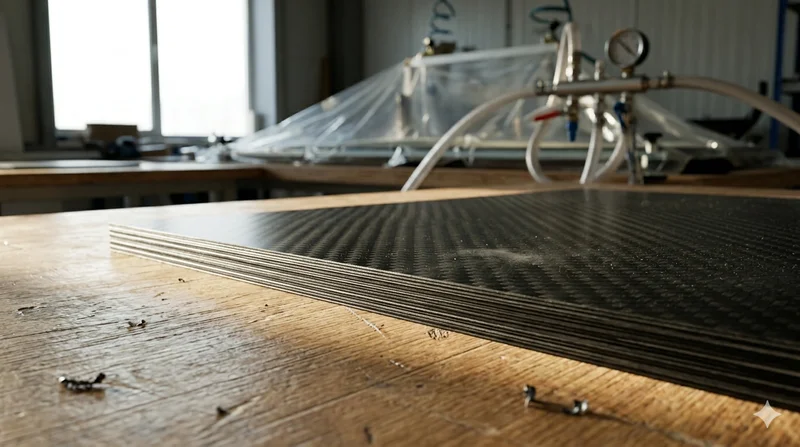
Carbon Fiber Plate — 3K Twill T700 3.0mm
Medium-thickness 3.0mm carbon fiber plate offering significantly higher load capacity while maintaining attractive 3K twill finish. Suitable for structural brackets, reinforcement plates, and load-bearing panels.
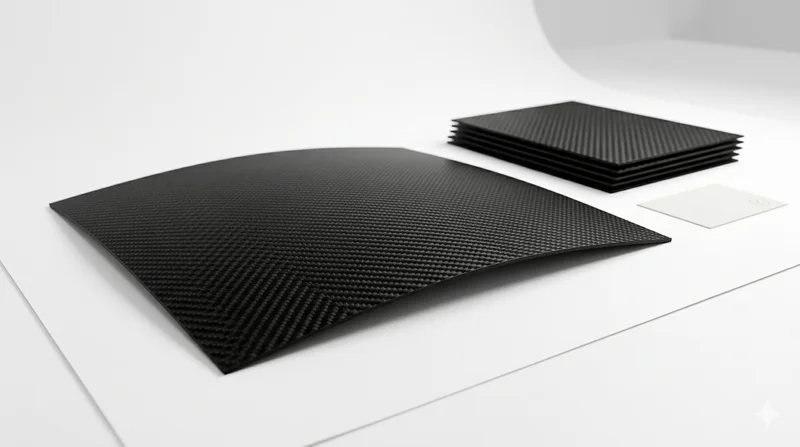
Carbon Fiber Plate — 3K Twill T700 1.5mm
Thin 1.5mm carbon fiber plate with 3K twill weave surface. Lightweight and stiff, commonly used for covers, panels, drone bodies, and applications requiring a premium aesthetic appearance.
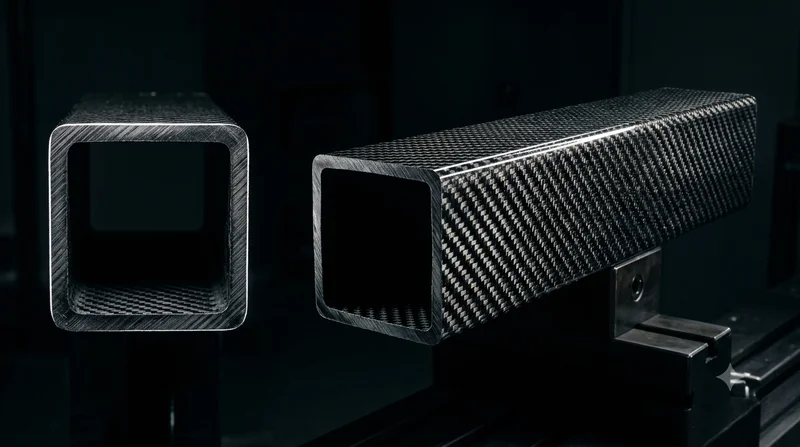
Square Carbon Fiber Tube — 3K Twill T700
Square cross-section carbon fiber tube manufactured with 3K twill weave for torsional strength. Preferred for structural frames, trusses, and support columns where rectangular geometry offers design flexibility.
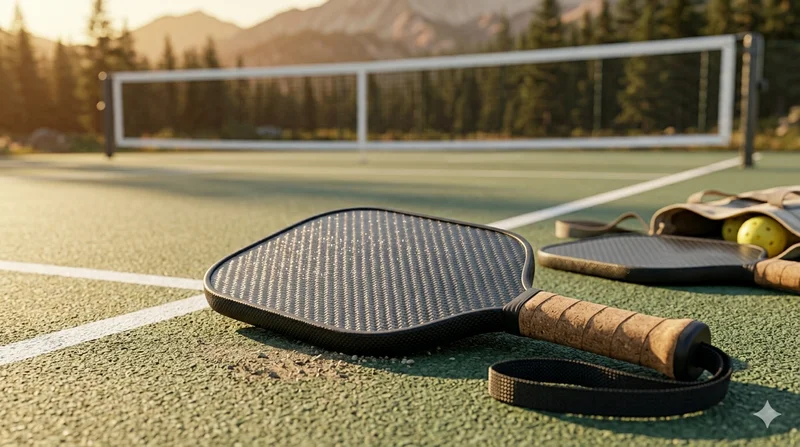
Carbon Fiber Pickleball Paddle
High-performance pickleball paddle with Toray T700 carbon fiber face and polypropylene honeycomb core. Delivers excellent power-to-weight ratio, spin generation, and vibration dampening for competitive play.