
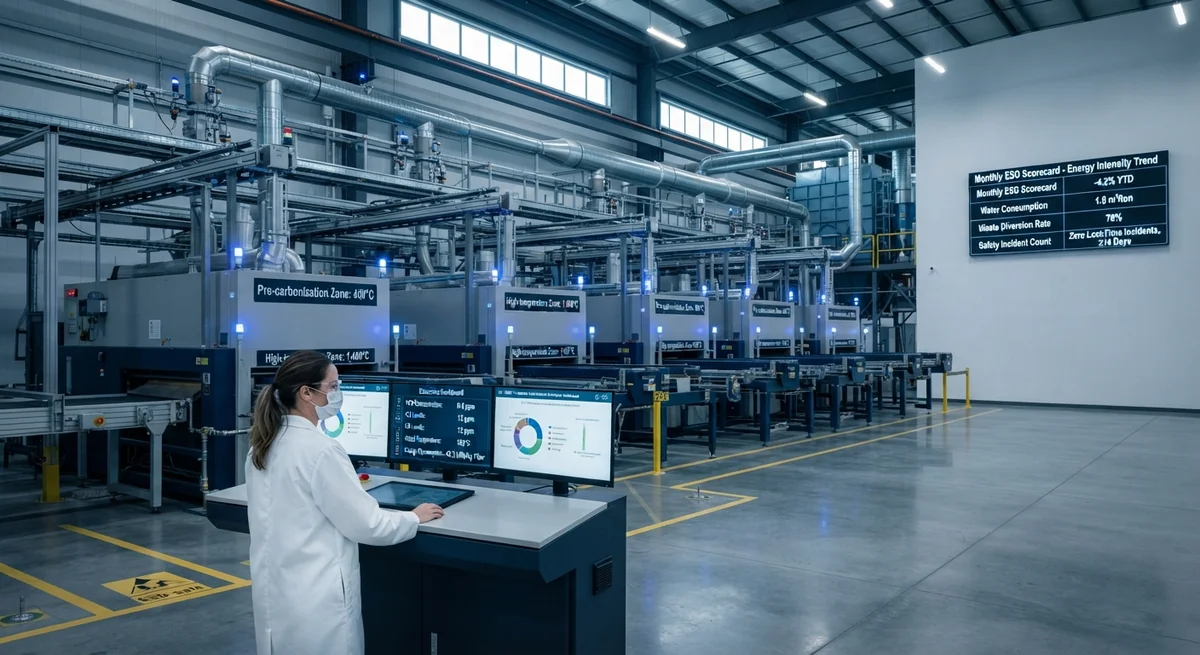
As global carbon fiber markets face increasing regulatory pressure from the EU Carbon Border Adjustment Mechanism, SEC climate disclosure rules, and ISO 14040/14044 lifecycle assessment standards, B2B buyers now require comprehensive ESG data from their composite material suppliers. This article exa
Introduction: The New Procurement Paradigm
In 2024, only 23% of industrial carbon fiber buyers included ESG performance metrics in their supplier scorecards. By mid-2026, that figure has risen to 67%, driven by three converging forces: the phased implementation of the EU's Carbon Border Adjustment Mechanism (CBAM), the SEC's climate disclosure rules finalized in March 2024, and growing downstream demand from end-users in automotive, aerospace, and wind energy who must report Scope 3 emissions.
For B2B carbon fiber buyers, the question is no longer whether to request ESG data from suppliers, but what specific data is material, how to verify it, and which reporting frameworks to demand. This article provides a technical framework for ESG data requests in carbon fiber procurement, covering the specific metrics that matter for composite materials, the verification standards buyers should enforce, and the emerging industry benchmarks shaping RFQ processes.
Environmental Metrics: The Core Data Requirements
The most immediate ESG demand centers on environmental data — specifically, product carbon footprint (PCF) and full lifecycle assessment (LCA) data. For carbon fiber products, the environmental profile is uniquely challenging because precursor manufacturing (polyacrylonitrile, or PAN, production) and the energy-intensive stabilization and carbonization stages (operating at 200–300°C and 1,000–1,800°C respectively) together account for 85–90% of total cradle-to-gate emissions.
| ESG Data Category | Specific Metric | Reporting Standard | Typical Data Quality | Buyer Priority |
|---|---|---|---|---|
| Product Carbon Footprint | kg CO₂e per kg of carbon fiber, cradle-to-gate | ISO 14067 / GHG Protocol | ±15–25% (supplier estimate) to ±5–10% (verified LCA) | Critical |
| Energy Intensity | MWh per metric ton of finished fiber | ISO 50001 / EN 16231 | ±10–15% with meter-grade data | High |
| Water Usage | m³ per metric ton (process water + cooling) | ISO 14046 | ±20–30% (typical) | Medium |
| Waste & Circularity | % scrap recycled, % closed-loop, end-of-life recyclability | ISO 14021 / EN 15347 | ±10–20% with audited records | High |
| Hazardous Emissions | HCN, NH₃, CO, VOC concentration at stack exit | EU BREF / US EPA MACT | Continuous monitoring (ppm-level) | Regulatory |
| Supply Chain Traceability | PAN precursor origin, transportation mode, logistics emissions | ISO 20400 / EU Battery Regulation | ±15–25% (mixed sources) | Growing |
Carbon Footprint by Production Stage
The carbon intensity of carbon fiber production varies significantly by stage and by manufacturer. A typical cradle-to-gate PCF for standard-modulus (230 GPa) carbon fiber produced in an electric-grid-average facility breaks down as follows:
- PAN precursor production: 8–12 kg CO₂e per kg of precursor — accounts for 30–35% of total emissions. Buyers should verify whether the supplier sources PAN from natural gas-based (lower carbon) or coal-based acrylonitrile.
- Stabilization (200–300°C): 3–5 kg CO₂e per kg — 12–18% of total. Energy source matters: gas-fired ovens vs. electric resistance heating vs. microwave-assisted stabilization.
- Carbonization (1,000–1,800°C): 8–14 kg CO₂e per kg — 35–45% of total. The most energy-intensive stage; furnace efficiency and heat recovery systems are the key differentiators.
- Surface treatment and sizing: 1–2 kg CO₂e per kg — 4–7% of total. Includes electrolytic oxidation baths and application of epoxy-compatible sizing agents (typically 0.5–2.0% by weight).
- Winding, inspection, and packaging: 0.5–1.5 kg CO₂e per kg — 2–5% of total.
Total cradle-to-gate: 22–34 kg CO₂e per kg of carbon fiber for standard modulus, with intermediate-modulus (T800-class, 295 GPa) fibers reaching 30–45 kg CO₂e/kg due to higher processing temperatures and longer residence times.
EU CBAM Compliance: What It Means for Carbon Fiber Imports
The EU Carbon Border Adjustment Mechanism, entering its full implementation phase in 2026, directly affects carbon fiber imports into the European Union. Under CBAM, importers must purchase certificates corresponding to the embedded emissions in their imported goods, at a price linked to the EU Emissions Trading System (EU ETS) allowance price — currently €65–85 per tonne CO₂.
For a carbon fiber importer bringing in 50 metric tons of standard-modulus fiber annually with an average PCF of 28 kg CO₂e/kg, the CBAM liability at €75/tCO₂ would be approximately €105,000 per year. This creates a powerful cost incentive to source from suppliers who can document lower PCF values — a difference of 5 kg CO₂e/kg between suppliers translates to approximately €18,750 in annual CBAM cost savings at the same import volume.
Buyers should request from their suppliers:
- Verified PCF data per ISO 14067 — not self-declared estimates, but third-party verified cradle-to-gate carbon footprints.
- Country-of-origin electricity grid emission factors — since carbonization electricity consumption (35–55 kWh/kg) dominates the PCF, suppliers in low-carbon grids (France: 60 g CO₂/kWh, Norway: 20 g CO₂/kWh) have a structural advantage over those in coal-heavy grids (China: 620 g CO₂/kWh, Poland: 720 g CO₂/kWh).
- Mass balance documentation for PAN precursor — to demonstrate whether bio-based or recycled-content precursor was used, and in what proportion.
Social and Governance Metrics
Beyond environmental data, B2B buyers increasingly demand evidence of social and governance performance in their carbon fiber supply chains. Key areas include:
| Category | Key Metric | Documentation Standard | Why It Matters for Carbon Fiber |
|---|---|---|---|
| Worker Safety | Lost Time Injury Rate (LTIR), HCN exposure monitoring | ISO 45001 / OHSAS 18001 | Carbonization furnaces emit hydrogen cyanide (HCN); continuous monitoring and PPE protocols are mandatory |
| Conflict Minerals | Due diligence per OECD Due Diligence Guidance | EICC / RBA Code of Conduct | PAN precursor supply chains may involve acrylonitrile sourced from regions with conflict or human rights concerns |
| Supplier Diversity | % spend with minority-, women-, or locally-owned suppliers | ISO 20400 / Supplier Code of Conduct | Increasingly required for EU and North American government contracts |
| Board Oversight | ESG committee existence, sustainability-linked executive compensation | GRI 2-9 / SASB RT-CP-510a | Evidence that ESG is managed at the governance level, not just marketing |
| Third-Party Audits | Frequency and scope of independent ESG audits | AA1000 / ISAE 3000 | Suppliers with annual independent audits show 40–60% lower ESG incident rates |
Frequently Asked Questions
What is the difference between a self-declared PCF and a verified LCA for carbon fiber products?
A self-declared PCF is an internal estimate that may exclude significant emission sources (e.g., precursor transportation, waste treatment, or administrative overhead). Typical self-declared values for standard-modulus carbon fiber range from 18–25 kg CO₂e/kg — notably lower than verified LCAs, which typically report 22–34 kg CO₂e/kg. The difference arises because third-party verification under ISO 14067 requires comprehensive system boundary definition, allocation method documentation, and uncertainty analysis. For B2B procurement contracts exceeding 10 metric tons annually, buyers should require ISO 14067-verified PCF data with an uncertainty range of ±15% or better. Suppliers who cannot provide verified data should expect a 15–25% penalty in ESG scorecard evaluations.
How does the EU CBAM affect carbon fiber pricing for European buyers in 2026?
CBAM certificate costs are linked to the EU ETS allowance price, which has ranged from €55–€95 per tonne CO₂ in 2025–2026. For a standard-modulus carbon fiber with a verified PCF of 28 kg CO₂e/kg, the CBAM cost adds approximately €2.10 per kg of imported fiber. For intermediate-modulus fibers (PCF 35–45 kg CO₂e/kg), the CBAM adder rises to €2.60–€3.40 per kg. By comparison, the current market price for standard-modulus carbon fiber is €18–€28 per kg — meaning CBAM adds 8–12% to the delivered cost. This premium is expected to narrow as European-based carbon fiber production (which is exempt from CBAM) scales up — Toray's French facility and SGL Carbon's German operations both plan capacity expansions through 2028.
What Scope 3 emission categories should carbon fiber buyers track from their suppliers?
For carbon fiber procurement, the most material Scope 3 categories (per the GHG Protocol Corporate Value Chain Standard) are: Category 1 (Purchased Goods and Services) — the embodied emissions of the carbon fiber itself; Category 4 (Upstream Transportation and Distribution) — emissions from shipping carbon fiber from the manufacturer's facility to the buyer's facility, which can add 0.5–3.0 kg CO₂e/kg depending on transport mode (air freight: 1.5–3.0 kg CO₂e/kg; ocean freight: 0.3–0.8 kg CO₂e/kg; rail: 0.1–0.3 kg CO₂e/kg); Category 10 (Processing of Sold Products) — emissions generated when the buyer fabricates the carbon fiber into finished components (e.g., autoclave curing at 120–180°C, which adds 0.8–2.5 kg CO₂e/kg depending on cycle time and energy source); and Category 12 (End-of-Life Treatment) — emissions from disposal or recycling of carbon fiber waste. Buyers should request supplier-specific emission factors for each category and include them in total cost of ownership models.
Which ESG reporting frameworks are most relevant for carbon fiber suppliers?
The three frameworks most commonly requested by B2B buyers in 2026 are: (1) the GHG Protocol (Corporate Standard and Product Life Cycle Standard) — the de facto global standard for carbon accounting; (2) the Sustainability Accounting Standards Board (SASB) Chemicals standard (RT-CP-510a) — which includes specific metrics for greenhouse gas emissions, energy management, and hazardous waste for chemical and materials manufacturers; and (3) the EU Corporate Sustainability Reporting Directive (CSRD) / European Sustainability Reporting Standards (ESRS) — mandatory for any supplier with significant EU operations or EU-listed securities. Additional frameworks include GRI (global reporting), TCFD (climate risk disclosure, now consolidated into ISSB), and the newly published ISO 14068 (carbon neutrality verification). Buyers should specify which framework(s) they require in their RFQ documentation — a single framework avoids the burden of reporting in multiple formats.
How can a B2B buyer verify a carbon fiber supplier's ESG claims?
Verification follows a three-tier approach. Tier 1 (minimum): Request ISO 14067-verified PCF data and ISO 45001 or equivalent worker safety certification. Cross-check the PCF against independent LCA databases (e.g., ecoinvent v3.10, GaBi, or the European Commission's PEFCR for intermediate products). Tier 2 (recommended): Request the supplier's most recent CDP disclosure score (formerly Carbon Disclosure Project) — a score of B or higher indicates robust carbon management. Request third-party assurance statements for all ESG metrics (ISAE 3000 or AA1000 AS). Tier 3 (best practice): Conduct or commission a full on-site ESG audit of the supplier's production facility, covering the carbonization furnace energy meters, HCN monitoring systems, waste segregation records, and worker training documentation. The cost of a full on-site audit ranges from $8,000–$25,000 depending on scope and geography, and is typically justified for contracts above 100 metric tons per year or for strategic single-source relationships.
Part of topic
Related Articles
- Recycled Carbon Fiber Market Forecast 2030: Technology Maturity and Commercialization Path
- South Korea Carbon Fiber Market 2026: Hydrogen Economy and Shipbuilding Innovation
- Wind Turbine Blade Leading Edge Protection 2026: Polyurethane, Tape, and Metallic Shield Solutions
- China Carbon Fiber Overcapacity 2026: Price War Impact and Industry Consolidation
- India Carbon Fiber Market 2026: Wind Energy, Aerospace, and Defense Expansion
- PAN Precursor Market 2026: Acrylonitrile Supply and Carbon Fiber Cost Structure
Interested in Our Products?
Contact our team for competitive pricing and technical specifications.
Get a QuoteRelated Products
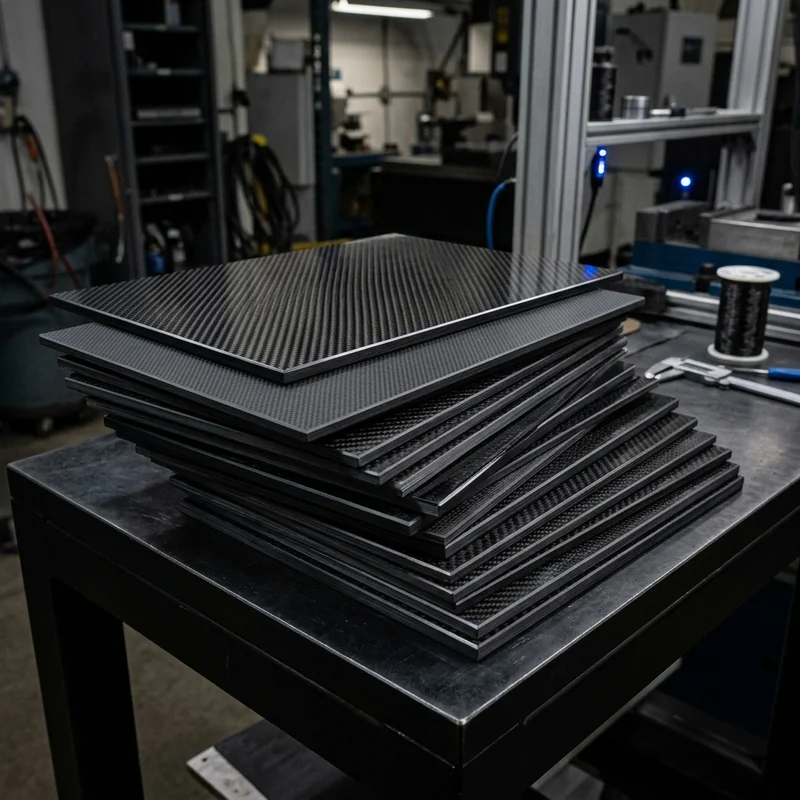
Carbon fiber standard plate-3k stripe
Lightweight, ultra-rigid standard sheets for drone fuselages, robot housings, facades and structural applications.

Carbon Fiber Plate — 3K Twill T700 1.5mm
Thin 1.5mm carbon fiber plate with 3K twill weave surface. Lightweight and stiff, commonly used for covers, panels, drone bodies, and applications requiring a premium aesthetic appearance.

Square Carbon Fiber Tube — 3K Twill T700
Square cross-section carbon fiber tube manufactured with 3K twill weave for torsional strength. Preferred for structural frames, trusses, and support columns where rectangular geometry offers design flexibility.

Carbon Fiber Plate — 3K Twill T700 3.0mm
Medium-thickness 3.0mm carbon fiber plate offering significantly higher load capacity while maintaining attractive 3K twill finish. Suitable for structural brackets, reinforcement plates, and load-bearing panels.
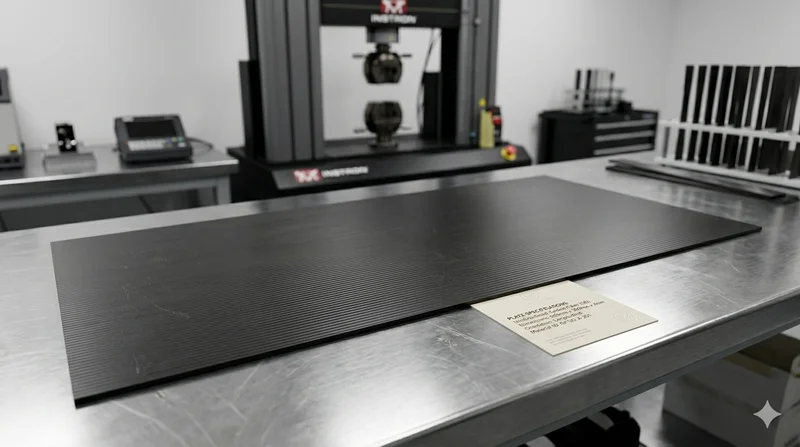
Carbon Fiber Plate — UD Unidirectional T700
Unidirectional carbon fiber plate with all fibers oriented in a single direction for maximum strength along the fiber axis. Essential for structural reinforcements, splints, and applications where load direction is predictable.