
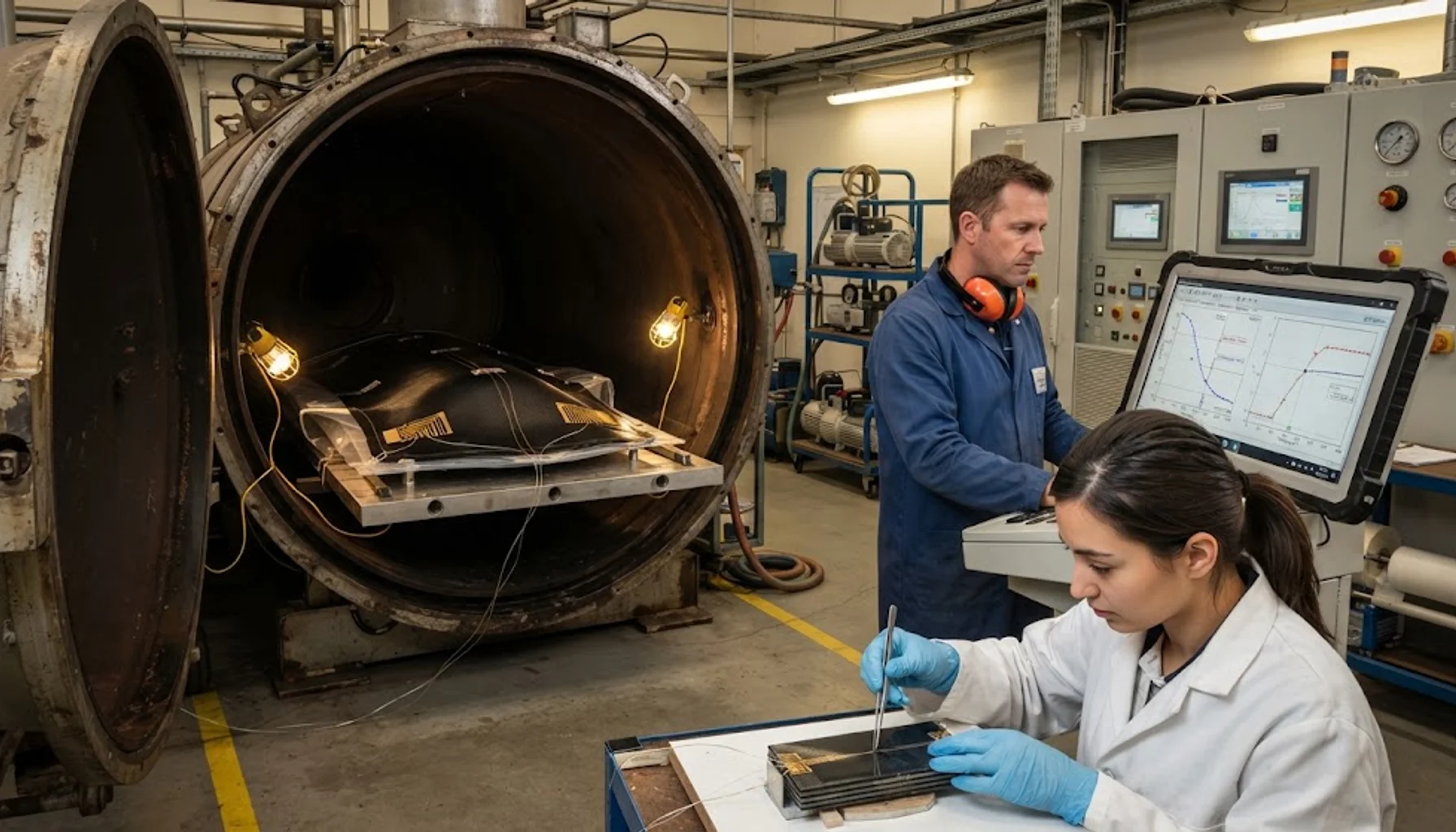
Dielectric cure monitoring (DEA) measures changes in ionic conductivity and permittivity during composite cure to track resin viscosity, gelation, and vitrification in real time. This article explains the physics of dielectric response, sensor placement strategies, and how DEA enables closed-loop cure cycle optimization for CFRP parts.
Introduction
Dielectric cure monitoring — also known as dielectric analysis (DEA) — is a real-time process monitoring technique that measures changes in the electrical properties of a curing resin system. By tracking ionic conductivity and permittivity as functions of time and temperature, DEA provides direct insight into the physical and chemical state of the resin during cure: viscosity reduction, gelation, and vitrification. This information enables closed-loop cure cycle optimization, reducing cycle times by 10–30% while improving part quality consistency.
For carbon fiber composite manufacturing, where cure cycle optimization directly impacts throughput, quality, and cost, DEA is transitioning from a laboratory curiosity to an industrial process control tool. Major aerospace OEMs now require DEA monitoring for qualification of new resin systems and cure cycles, particularly for thick-section composites where through-thickness cure gradients can exceed 20°C.
Principles of Dielectric Analysis
When an alternating electric field is applied to a curing resin, the measured response depends on two fundamental material properties:
Permittivity (dielectric constant, ε'): Measures the material's ability to store electrical energy through polarization. As resin cures and the polymer network forms, molecular mobility decreases, reducing the material's ability to polarize. Permittivity drops from typical values of 30–80 (uncured resin) to 3–6 (fully cured).
Dielectric loss (ε''): Measures energy dissipation through ionic conduction and dipole relaxation. In uncured resin, dissolved ions are highly mobile, producing high dielectric loss. As viscosity increases and gelation occurs, ionic mobility drops dramatically, reducing dielectric loss by several orders of magnitude.
The ratio ε''/ε' — the loss tangent (tan δ) — provides a normalized measure of the material's dielectric response that is relatively independent of sensor geometry and sample thickness.
Sensor Technology
DEA sensors measure the electrical response of the resin between two electrodes. The most common sensor types are:
Interdigitated electrodes (IDE): Flat sensors with comb-shaped electrode patterns, typically with 0.5–2.0 mm electrode spacing and 25–50 mm active area. IDE sensors are surface-mounted on tool surfaces or placed between laminate plies. They provide area-averaged cure information and are the most widely used sensor type in industrial applications.
Protonic sensor probes: Needle-type probes that are inserted into the laminate to measure through-thickness cure gradients. These sensors provide point measurements at specific locations, enabling mapping of cure variation through thick sections. The probe diameter is typically 0.5–1.5 mm, small enough to avoid acting as significant defects in the finished part.
Wire-mesh sensors: Embedded wire grids that provide 2D cure mapping across the laminate area. These are used in research applications where spatial cure variation is the primary interest, but are less common in production due to complexity and cost.
Flexible printed circuit sensors: Thin, flexible sensors that can be co-cured with the laminate, providing permanent cure monitoring capability. These are emerging for structural health monitoring applications where the sensor remains embedded in the finished part.
Real-Time Process Control
The primary industrial application of DEA is closed-loop cure cycle optimization. The approach works as follows:
Viscosity monitoring: During the initial heating ramp, ionic conductivity increases as viscosity decreases (ions become more mobile). The conductivity peak corresponds to minimum viscosity — the optimal time for pressure application in autoclave curing. By tracking this peak in real time, the cure cycle can be adjusted to apply pressure at the optimal moment, regardless of variations in heating rate or resin batch properties.
Gel point detection: The gel point — where the resin transitions from liquid to solid — corresponds to a sharp decrease in ionic conductivity. DEA detects gelation within ±2 minutes, providing a reliable marker for advancing the cure cycle to the next stage.
Vitrification monitoring: Vitrification — where the curing resin transitions from rubbery to glassy state — occurs when the glass transition temperature (Tg) of the curing resin equals the cure temperature. DEA detects vitrification as a further reduction in ionic conductivity and permittivity. If vitrification occurs before full cure, the cure cycle can be adjusted by increasing temperature to drive the reaction further.
Thick-Section Composite Applications
DEA is particularly valuable for thick-section composites (> 10 mm), where exothermic heat buildup creates significant through-thickness temperature and cure gradients. In a thick laminate cure, the center can be 20–50°C hotter than the surface, leading to:
• Non-uniform gel times (center gels first, surface lags)
• Residual thermal stresses (up to 15 MPa in 50 mm thick laminates)
• Vitrification at the surface while the center remains undercured
By placing DEA sensors at multiple through-thickness locations, the cure gradient can be monitored in real time. If the gradient exceeds acceptable limits, the cure cycle can be adjusted — reducing heating rate, extending dwell times, or lowering peak temperature — to maintain uniform cure throughout the thickness.
Integration with Digital Manufacturing
DEA data is increasingly integrated into digital manufacturing systems:
Digital twin models: DEA measurements validate and calibrate finite element cure process models. The models predict cure behavior for new part geometries and cure cycles, while DEA provides real-time correction factors.
Statistical process control (SPC): DEA parameters — peak conductivity, gel time, vitrification time — are tracked across production lots. Trends indicate material property changes, tooling wear, or process drift before they produce defective parts.
Machine learning: DEA time-series data trains machine learning models that predict final part properties (Tg, void content, fiber volume fraction) from early cure cycle data. These models enable pass/fail decisions before the cure cycle completes, reducing scrap rates.
Challenges and Limitations
Despite its advantages, DEA faces several challenges in industrial adoption:
Sensor cost and reusability: High-temperature DEA sensors cost $50–200 each and may degrade after 10–50 cure cycles, depending on the resin system and cure temperature. For high-volume applications, sensor cost and replacement logistics are significant considerations.
Calibration requirements: DEA response is sensitive to sensor geometry, electrode spacing, and contact quality. Each sensor type requires calibration against known resin properties, and calibration must be repeated when changing resin systems.
Data interpretation: Converting raw DEA data (permittivity, conductivity) into process-relevant information (viscosity, cure degree) requires material-specific models. These models are not universally available and must be developed for each resin system.
Conclusion
Dielectric cure monitoring provides real-time, non-destructive insight into the physical and chemical state of curing resin systems. For carbon fiber composite manufacturing, DEA enables closed-loop cure optimization that reduces cycle times, improves quality consistency, and provides data for digital manufacturing integration. As sensor costs decrease and data interpretation tools improve, DEA is positioned to become a standard process monitoring tool in composite manufacturing — particularly for high-value aerospace and thick-section applications where cure cycle optimization directly impacts part quality and production throughput.
Part of topic
Related Articles
- Bio-Based Carbon Fiber Precursors: Lignin and Polyethylene for Low-Cost Production
- Large-Tow Carbon Fiber Cost Analysis: 48K vs 60K Price-Performance Comparison
- Carbon Fiber-Resin Interface Bonding: Surface Treatment and Coupling Agent Optimization
- Digital Twin for Carbon Fiber Manufacturing: Real-Time Process Monitoring and Defect Prevention
- Thermoplastic Carbon Fiber Welding for Automotive: Ultrasonic and Induction Welding Process Windows
- Large-Tow Carbon Fiber Wet Spinning: Process Optimization for 48K/60K Production Efficiency
Interested in Our Products?
Contact our team for competitive pricing and technical specifications.
Get a QuoteRelated Products
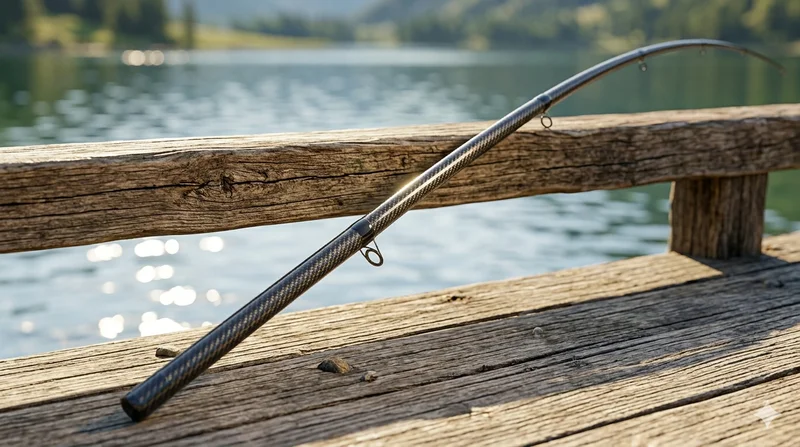
Carbon Fiber Fishing Rod Blank
High-quality carbon fiber fishing rod blank manufactured from multiple grades of Toray carbon fiber cloth. Available in a wide range of lengths, powers, and actions for freshwater and saltwater applications. Suitable for OEM rod building.

Carbon Fiber Plate — 3K Twill T700 3.0mm
Medium-thickness 3.0mm carbon fiber plate offering significantly higher load capacity while maintaining attractive 3K twill finish. Suitable for structural brackets, reinforcement plates, and load-bearing panels.

Carbon Fiber Plate — 3K Twill T700 1.5mm
Thin 1.5mm carbon fiber plate with 3K twill weave surface. Lightweight and stiff, commonly used for covers, panels, drone bodies, and applications requiring a premium aesthetic appearance.

Square Carbon Fiber Tube — 3K Twill T700
Square cross-section carbon fiber tube manufactured with 3K twill weave for torsional strength. Preferred for structural frames, trusses, and support columns where rectangular geometry offers design flexibility.
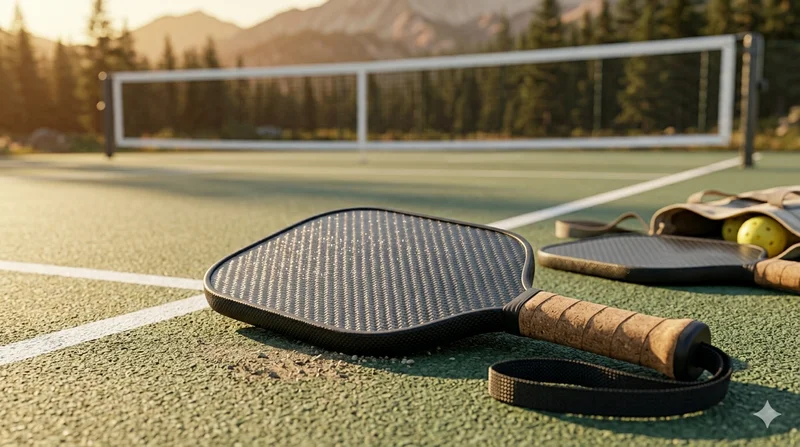
Carbon Fiber Pickleball Paddle
High-performance pickleball paddle with Toray T700 carbon fiber face and polypropylene honeycomb core. Delivers excellent power-to-weight ratio, spin generation, and vibration dampening for competitive play.