
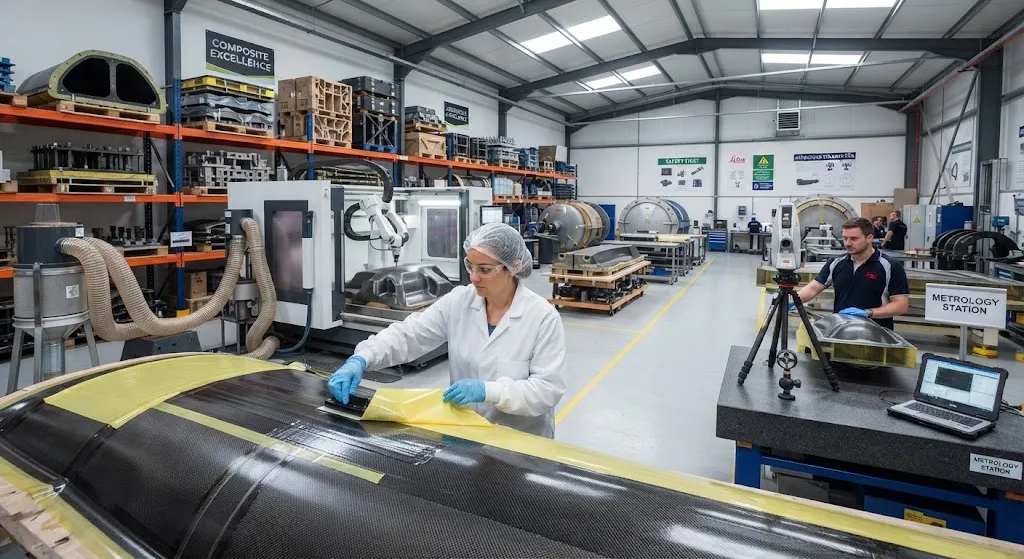
Carbon fiber composite tooling offers thermal stability, weight reduction, and CTE matching advantages over metallic molds. This article examines CFRP tooling materials, manufacturing processes, and applications in aerospace and wind energy production.
Introduction
Composite tooling — molds, fixtures, and layup aids made from carbon fiber reinforced polymer (CFRP) — has become the standard for manufacturing high-quality composite parts in aerospace and wind energy applications. CFRP tooling offers significant advantages over traditional metallic tooling, including lower thermal mass, matched coefficient of thermal expansion (CTE), reduced weight, and the ability to produce complex geometric shapes that are difficult or impossible with metallic fabrication.
As composite part production scales up, the demand for high-quality, durable composite tooling grows proportionally. The tooling investment often represents 10-20% of total production cost, making tooling material selection and manufacturing process optimization critical for overall program economics.
Tooling Material Systems
CFRP tooling materials are selected based on application requirements:
Tooling prepregs: Specialized prepreg systems for tooling applications use high-temperature resin systems (cyanate ester, bismaleimide) that maintain dimensional stability at cure temperatures up to 400°C. These materials offer the thermal stability needed for aerospace autoclave processing.
Dimensional stability grades: Tooling materials optimized for dimensional stability use low-CTE fibers (intermediate or high modulus) and resin systems with minimal post-cure shrinkage. These materials maintain tight tolerances over multiple thermal cycles.
Rapid tooling materials: For prototyping and short-production runs, rapid tooling materials — including tooling-grade resins and fiber systems — enable faster fabrication at lower cost, with reduced durability compared to production tooling.
Manufacturing Processes
CFRP tooling is manufactured using several processes:
Female tooling: The most common approach produces molds with the part's outer surface as the mold surface. Female tools are manufactured by laying up CFRP over a pattern, then separating the cured tool from the pattern. This approach produces parts with excellent outer surface finish.
Male tooling: Male tools produce parts with the inner surface against the mold. This approach is used for tubular or concave parts where inner surface quality is critical.
Tooling blocks: For large structures — wind turbine molds, fuselage section tools — tooling blocks are CNC-machined from large CFRP or syntactic foam billets, then assembled into full-size tools. This approach enables production of very large tools with high dimensional accuracy.
CTE Matching
One of the most significant advantages of CFRP tooling is CTE matching with the parts being produced:
Thermal expansion management: When producing CFRP parts, using CFRP tooling ensures that the tool and part expand and contract together during thermal cycling, minimizing residual stresses and dimensional distortion. This is particularly important for large parts with tight dimensional tolerances.
Multi-material tooling: In some applications, hybrid tooling — combining CFRP structural elements with metallic wear surfaces — provides the optimal balance of CTE matching, surface durability, and cost.
Tooling Life and Maintenance
CFRP tooling requires specific maintenance practices:
Cycle life: Well-manufactured CFRP tools can produce 500-2,000 parts before requiring refurbishment, depending on cure temperature, part complexity, and surface treatment. This compares favorably with aluminum tools (200-500 cycles) for many applications.
Surface maintenance: Regular cleaning, surface treatment, and release agent application maintain part surface quality throughout the tool's life. Surface damage is repaired using local patch repairs or full surface overlays.
Dimensional verification: Periodic dimensional inspection — using laser scanning or photogrammetry — verifies that the tool maintains required tolerances throughout its production life.
Conclusion
Carbon fiber composite tooling is essential for efficient production of high-quality composite parts in aerospace and wind energy applications. As composite part production continues to scale, advances in tooling materials, manufacturing processes, and maintenance practices will support increased production rates while maintaining dimensional accuracy and surface quality.
Part of topic
Related Articles
- Bio-Based Carbon Fiber Precursors: Lignin and Polyethylene for Low-Cost Production
- Large-Tow Carbon Fiber Cost Analysis: 48K vs 60K Price-Performance Comparison
- Carbon Fiber-Resin Interface Bonding: Surface Treatment and Coupling Agent Optimization
- Digital Twin for Carbon Fiber Manufacturing: Real-Time Process Monitoring and Defect Prevention
- Thermoplastic Carbon Fiber Welding for Automotive: Ultrasonic and Induction Welding Process Windows
- Large-Tow Carbon Fiber Wet Spinning: Process Optimization for 48K/60K Production Efficiency
Interested in Our Products?
Contact our team for competitive pricing and technical specifications.
Get a QuoteRelated Products
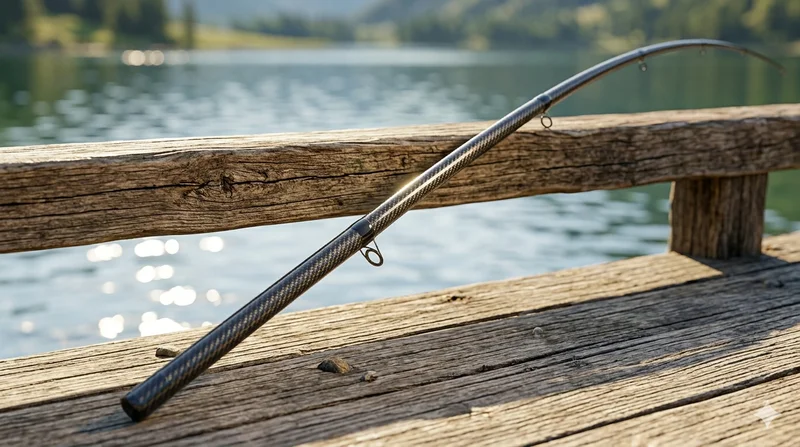
Carbon Fiber Fishing Rod Blank
High-quality carbon fiber fishing rod blank manufactured from multiple grades of Toray carbon fiber cloth. Available in a wide range of lengths, powers, and actions for freshwater and saltwater applications. Suitable for OEM rod building.
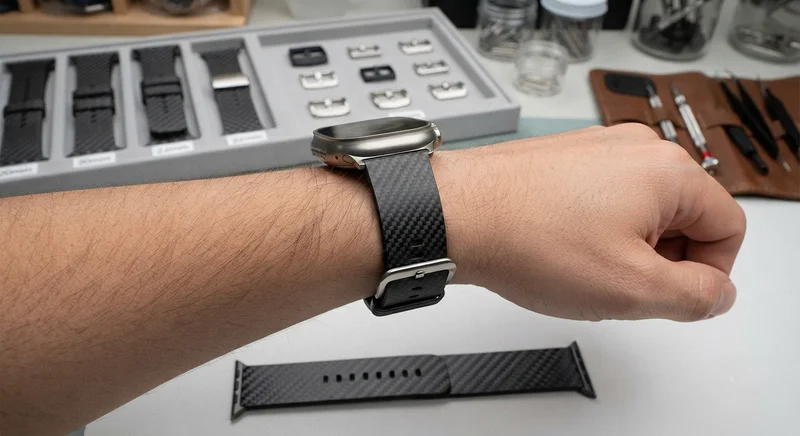
Carbon Fiber Watch Strap — 20mm/22mm Quick-Release
Premium carbon fiber watch strap with quick-release spring bars. Woven from T700 3K twill prepreg with a flexible resin system that conforms to the wrist. Available in 20mm and 22mm lug widths, compatible with Apple Watch, Samsung Galaxy Watch, Garmin, and traditional mechanical watches. Features a stainless steel buckle and carbon fiber keepers. The natural weave pattern makes each strap unique.

Carbon Fiber Plate — 3K Twill T700 1.5mm
Thin 1.5mm carbon fiber plate with 3K twill weave surface. Lightweight and stiff, commonly used for covers, panels, drone bodies, and applications requiring a premium aesthetic appearance.

Carbon Fiber Plate — 3K Twill T700 3.0mm
Medium-thickness 3.0mm carbon fiber plate offering significantly higher load capacity while maintaining attractive 3K twill finish. Suitable for structural brackets, reinforcement plates, and load-bearing panels.

Square Carbon Fiber Tube — 3K Twill T700
Square cross-section carbon fiber tube manufactured with 3K twill weave for torsional strength. Preferred for structural frames, trusses, and support columns where rectangular geometry offers design flexibility.