Choosing the right carbon fiber tube manufacturer is one of the most important decisions for buyers sourcing lightweight structural components for drones, robotics, sporting goods, automation frames, or industrial equipment. A reliable carbon fiber tube manufacturer does more than ship round or squa
Introduction
Choosing the right carbon fiber tube manufacturer is one of the most important decisions for buyers sourcing lightweight structural components for drones, robotics, sporting goods, automation frames, or industrial equipment. A reliable carbon fiber tube manufacturer does more than ship round or square profiles; it helps you define dimensions, fiber orientation, surface finish, tolerances, and inspection standards before production starts. This guide explains the specifications that matter most, what MOQ and lead time typically look like, and how to qualify a carbon fiber tube manufacturer in China or another export market without costly surprises.
What a Carbon Fiber Tube Manufacturer Should Provide
Tube sourcing is rarely just a catalog purchase. Even when a supplier offers stock sizes, professional buyers usually need confirmation on straightness, wall consistency, resin system, and machining readiness. A capable manufacturer should be able to discuss both standard products and custom requirements in clear technical terms.
- Engineering support: guidance on diameter, wall thickness, layup, and modulus selection based on load and stiffness targets.
- Manufacturing options: roll-wrapped, pultruded, or filament-wound tubes depending on strength, volume, and cost priorities.
- Secondary processing: cutting to length, drilling, slotting, sanding, coating, or bonding preparation.
- Quality documentation: dimensional reports, material traceability, visual inspection records, and sample approval before mass production.
- Export readiness: packaging that protects surfaces, clear labeling, and realistic production schedules.
Carbon Fiber Tube Manufacturer Specs: Size, Layup and Tolerance
The fastest way to compare suppliers is to request the same specification sheet. When you evaluate a carbon fiber tube manufacturer, focus on measurable parameters rather than marketing claims. The table below summarizes common options buyers discuss during RFQs.
| Specification | Typical Range | Why It Matters | What to Ask the Factory |
|---|---|---|---|
| Outer diameter | 6 mm to 200+ mm | Affects stiffness, fit, and joint design | Can you hold diameter tolerance across batches? |
| Wall thickness | 0.5 mm to 10 mm | Controls weight and bending strength | What is the thickness tolerance and measurement method? |
| Fiber type | 3K, 12K, UD, high modulus | Influences stiffness, appearance, and cost | Which fiber grades are available and traceable? |
| Layup | 0°/90°, ±45°, unidirectional mix | Determines torsional and axial performance | Can layup be tuned for my load case? |
| Surface finish | Matte, gloss, twill, plain, sanded | Impacts bonding, aesthetics, and coating | Is finish cosmetic, structural, or paint-ready? |
| Tolerance | ±0.05 mm to ±0.3 mm by process | Critical for assembly and machining | Do you inspect straightness and roundness? |
For precision assemblies, share drawings with critical dimensions marked clearly. A tube that looks acceptable visually can still fail if ovality or straightness drifts beyond the mating part's limits.
MOQ and Lead Time from a Carbon Fiber Tube Manufacturer
MOQ and lead time depend on whether you need stock tubes, light customization, or a fully custom build. Stock diameters and common lengths may ship quickly, while special molds, non-standard layups, or tight machining tolerances extend the schedule. Buyers should plan around both sampling and production phases.
- Samples/prototypes: often 7-15 days for existing tooling; 15-25 days when custom setup is required.
- Small batch orders: commonly 15-30 days after drawing and material confirmation.
- Repeat production: usually faster because process parameters and packaging are already approved.
- MOQ drivers: raw material batch size, curing efficiency, and post-processing labor.
If your project is still in development, ask for a pilot run before committing to volume. A transparent manufacturer will explain which changes affect price and schedule, such as switching from 3K twill to unidirectional reinforcement or adding CNC holes.
Quality Checks Before You Buy Carbon Fiber Tubes
Price alone is a weak indicator of supplier capability. Quality problems in carbon fiber tubes often appear as inconsistent wall thickness, poor surface release, fiber waviness, or hidden voids that reduce stiffness. Before placing a large order, define inspection points and acceptance criteria.
- Request photos or videos of the production line and finished packing.
- Ask for first-article measurements on ID, OD, length, and straightness.
- Confirm whether tubes are 100% visually inspected or batch sampled.
- Review how defects are handled: rework, replacement, or credit.
- Test sample tubes in your actual assembly or load condition.
For buyers comparing a local distributor with an overseas carbon fiber tube factory, total landed cost should include freight, customs, incoming inspection time, and the risk of reordering if parts do not fit.
How to Compare a Carbon Fiber Tube Manufacturer in China
Many global buyers source from a carbon fiber tube manufacturer in China to balance cost, customization, and production capacity. The best results come from a structured RFQ process. Send the same drawing, quantity forecast, finish requirement, and test expectation to each candidate, then compare responses on clarity and completeness.
Strong suppliers answer technical questions directly, flag design risks early, and propose manufacturable alternatives. Weak suppliers may quote quickly but avoid details on tolerance, resin type, or inspection. For long-term programs, communication quality matters as much as the first sample.
Frequently Asked Questions
What information should I send to a carbon fiber tube manufacturer for an accurate quote?
Provide outer diameter, inner diameter or wall thickness, length, quantity, fiber or finish preference, tolerance requirements, machining needs, and application details. A drawing or 3D file helps the factory quote faster and reduces misunderstandings.
Can a carbon fiber tube manufacturer handle both prototypes and mass production?
Yes, many manufacturers can support both, but capabilities vary. Ask whether the same process, tooling, and QC standards used for samples will be applied to production orders so performance remains consistent when volumes increase.
How do I reduce lead time when ordering custom carbon fiber tubes?
Use standard diameters where possible, confirm drawings early, approve samples quickly, and align on packaging and inspection before production begins. Clear specifications usually save more time than pushing for an unrealistic delivery date.
Conclusion
A dependable carbon fiber tube manufacturer combines technical capability, predictable lead times, and disciplined quality control. By comparing specs, MOQ terms, and inspection practices before ordering, buyers can reduce sourcing risk and secure tubes that fit their application from prototype to production. To review available options, visit our carbon fiber products page or contact YongXian for a quote with your drawings and quantity requirements.
Part of topic
Related Articles
- Carbon Fiber Foam Core Supplier: Specs, MOQ and Lead Time
- Carbon Fiber Sandwich Panel Supplier: Specs, MOQ and Lead Time
- Carbon Fiber Honeycomb Panel Supplier: Specs, MOQ and Lead Time
- Carbon Fiber Telescopic Tube Supplier: Specs, MOQ and Lead Time
- Carbon Fiber Tapered Tube Supplier: Specs, MOQ and Lead Time
- Carbon Fiber Oval Tube Supplier: Specs, MOQ and Lead Time
Interested in Our Products?
Contact our team for competitive pricing and technical specifications.
Get a QuoteRelated Products
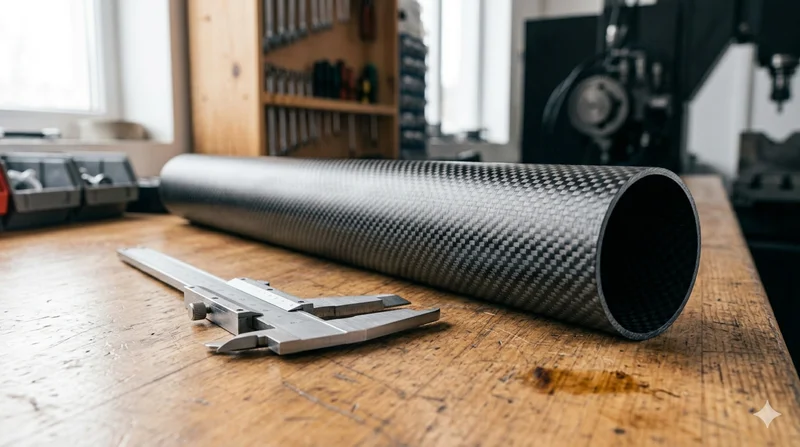
Round Carbon Fiber Tube — 3K Plain Weave T700
Standard round carbon fiber tube manufactured from Toray T700 grade fiber with 3K plain weave. Offers balanced strength and stiffness for general industrial applications including robotics, automation, sports equipment, and aerospace structures.
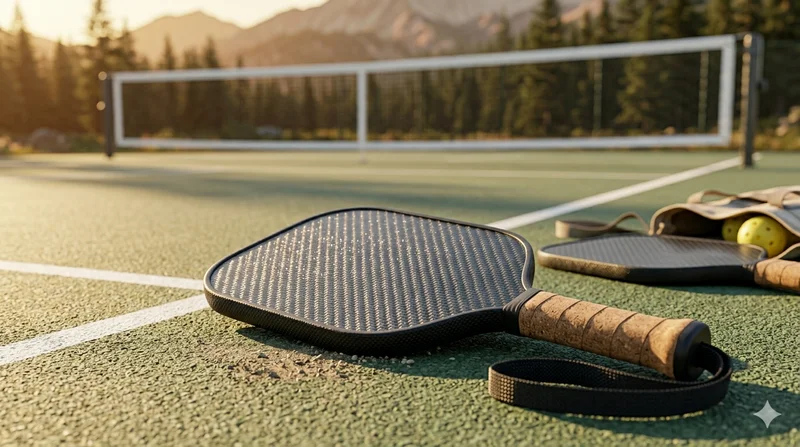
Carbon Fiber Pickleball Paddle
High-performance pickleball paddle with Toray T700 carbon fiber face and polypropylene honeycomb core. Delivers excellent power-to-weight ratio, spin generation, and vibration dampening for competitive play.
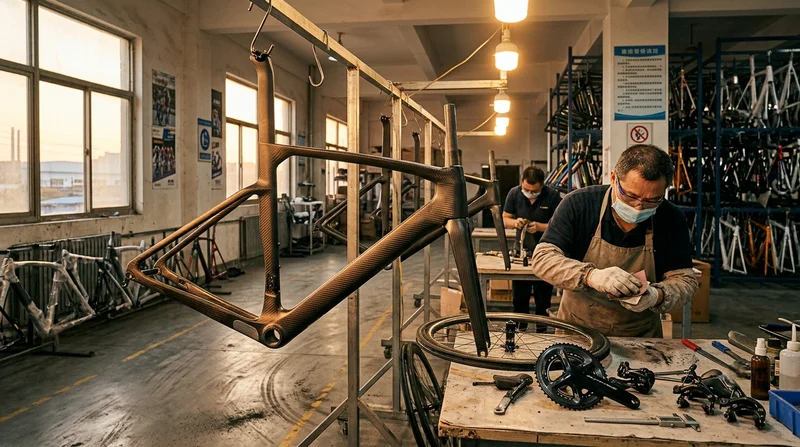
Custom Carbon Fiber Bicycle Frame
Full-custom carbon fiber bicycle frame manufactured to your geometry specifications. We produce road, gravel, mountain, and track frames using high-modulus carbon fiber layups optimized for each riding discipline. Monocoque construction with internal cable routing, available with disc or rim brake mounts.
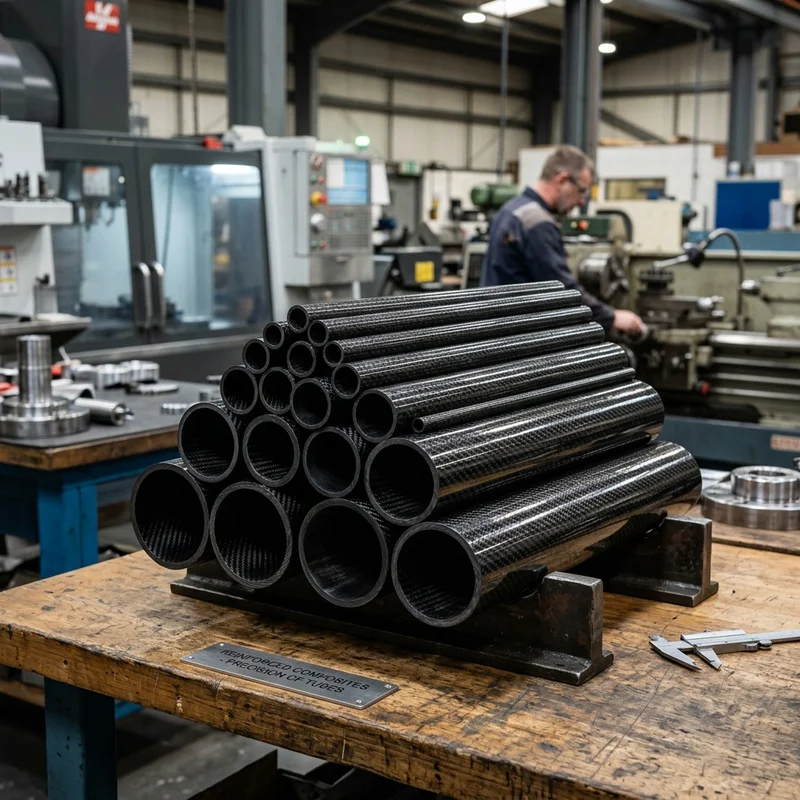
Round Carbon Fiber Tube — 3K Twill
Lightweight and ultra-stiff round tubes ideal for drone frames, robotics, and structural applications.
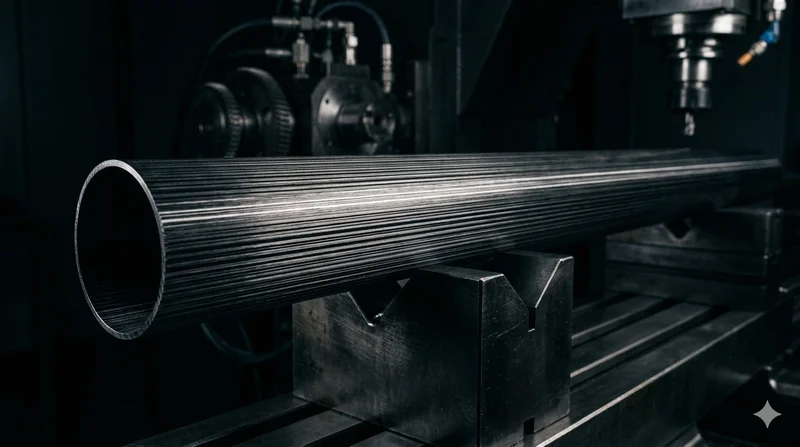
Round Carbon Fiber Tube — UD Unidirectional T700
Unidirectional (UD) round tube with all fibers aligned axially for maximum longitudinal stiffness. Ideal for applications requiring high bending rigidity with minimal weight, such as shafts, struts, and structural reinforcements.