Carbon fiber sheet for skateboard deck builds gives a builder stiffness and pop that plain maple ply cannot match at the same thickness, but only if the sheet is specified correctly for the loads a deck actually sees. Riders ask for carbon fiber sheet for skateboard deck reinforcement after a season
Introduction
Carbon fiber sheet for skateboard deck builds gives a builder stiffness and pop that plain maple ply cannot match at the same thickness, but only if the sheet is specified correctly for the loads a deck actually sees. Riders ask for carbon fiber sheet for skateboard deck reinforcement after a season of snapped noses or soft flex, yet the wrong weave, thickness, or bonding process produces a deck that feels dead or delaminates under grit. This guide covers design basics, thickness and weave specs, where carbon fiber sheet for sale fits a small-batch production line, the practical carbon fiber sheet uses on a deck, and how to place a supplier order that arrives ready to press.
If you have ever received sheets that were the wrong thickness, had resin-starved corners, or delaminated from the veneer on the first curb hit, the sections below explain what went wrong and how to write the next purchase order so the press run lands right.
Carbon Fiber Sheet for Skateboard Deck Design Basics
A skateboard deck is a sandwich: face veneers carry the surface, the core sets flex, and any carbon reinforcement changes the stiffness balance along both the length and the width. Carbon fiber sheet for skateboard deck work usually appears as thin face laminates, cross-plies under the truck mounts, or a full-width strip from nose to tail. The design question is not whether carbon helps — it does — but where you place it so the deck keeps its intended flex curve instead of turning into a stiff plank.
- Face laminates: 0.2 to 0.5 mm sheets bonded under the top veneer raise torsional stiffness with minimal weight penalty.
- Truck-mount patches: small square or circular pads under each truck spread bolt load and resist tear-out on landings.
- Nose and tail caps: wrapped sheets protect impact zones where maple crushes first.
- Full-length strips: a single longitudinal sheet stiffens flex dramatically; reserve these for downhill or freeride shapes, not street pops.
Flex is measured as a spring rate under the middle of the deck, not as a feel word. Ask your press shop for a target deflection at a fixed load, then let the carbon placement hit that number rather than starting from a weave you like the look of.
Thickness and Weave Specs for Deck Reinforcement
The table below maps common carbon fiber sheet for skateboard deck options to the results builders actually see. Thickness is the cured laminate, not the dry cloth weight; areal weight alone does not tell you how the finished sheet will flex. Twill looks better under clear coat, plain weave costs less and stays flatter during layup.
| Sheet Option | Cured Thickness | Weave | Stiffness Effect | Best Use |
|---|---|---|---|---|
| Light face skin | 0.2 mm | 3K plain | +10 to 15 percent torsion | Street decks, subtle pop |
| Standard face skin | 0.3 mm | 3K twill | +20 to 30 percent torsion | All-around complete boards |
| Truck patch | 0.5 to 0.8 mm | 3K or 6K plain | Local rigidity only | Bolt zones, drop-through mounts |
| Nose/tail cap | 0.4 to 0.6 mm | 3K twill, preformed | Impact resistance | Freestyle and park shapes |
| Full-length spine | 0.3 mm | UD or 3K | +40 percent longitudinal | Downhill, downhill-slalom hybrids |
Glue line matters as much as the sheet. A 0.3 mm carbon skin bonded with a brittle glue will crack at the glue line before the carbon fails; use a flexible epoxy or polyurethane adhesive rated for wood-to-composite bonding, and clamp with even pressure so you do not starve the joint of resin.
Carbon Fiber Sheet Uses in Deck Construction
Beyond pure stiffness, carbon fiber sheet uses on a skateboard deck fall into three practical categories that shops see every week. Knowing which category you need keeps the order small and the press simple.
- Structural reinforcement: face skins and spines that change flex and prevent snaps through the truck bolts.
- Impact protection: nose, tail, and rail caps that take curb and coping hits instead of the maple.
- Cosmetic inlay: visible weave panels under clear coat for premium completes; specify gloss target so the press knows whether to peel-ply or wet-sand.
Most production decks combine the first two categories on one layup and treat the third as a finish decision. Mixing all three on a first prototype usually means you are solving an unsolved flex problem with aesthetics, and the board will feel wrong even if it looks right.
Sourcing Carbon Fiber Sheet for Sale and Placing the Order
Small builders typically buy carbon fiber sheet for sale in cut panels rather than full rolls, because a roll forces you to store offcuts and manage grain direction yourself. When you approach a supplier, send five numbers: finished length and width, cured thickness tolerance of plus or minus 0.05 mm, weave type, one-side or two-side peel ply, and annual volume in square meters. Suppliers that receive all five quote accurately in one round; suppliers that receive only "carbon sheets for decks" quote a generic laminate you will have to rework.
Lead time for standard 3K sheets runs 7 to 12 working days for panels under 500 pieces; custom die-cut shapes add 3 to 5 days for tooling. Ask for a certificate of areal weight and a flexcoupon from the same batch you will receive, so your press parameters are tuned to the actual material instead of a datasheet average. Budget for scrap: first-article yield on shaped deck patches is often 80 to 90 percent until your nest layout is proven.
Frequently Asked Questions
What thickness of carbon fiber sheet for skateboard deck reinforcement should I use?
For a street or all-around deck, start with a 0.2 to 0.3 mm cured face skin in 3K plain or twill; it raises torsional stiffness without killing pop. Truck-mount patches can go 0.5 to 0.8 mm because they only stiffen a local zone. Full-length spines over 0.3 mm belong on downhill shapes, where longitudinal rigidity is the goal.
Will a carbon fiber sheet make the deck too heavy?
No, if you size it correctly. A full 0.3 mm face skin adds roughly 40 to 70 grams depending on deck length, which is less than the maple you replace in a two-ply hybrid layup. Weight problems appear when builders laminate carbon on both faces plus a spine and then wonder why the board feels like a door.
Can I bond carbon fiber sheet to maple at home?
Yes, with a flexible epoxy and even clamping pressure. Clean both surfaces, scuff the carbon bond side with 120 grit, wet out a thin glue line, and clamp across the full area for the full cure time. Avoid cyanoacrylate: it is too brittle for deck flex and will crack at the bond line within a few sessions.
Conclusion
Carbon fiber sheet for skateboard deck builds works when the thickness, weave, and placement match the flex curve you actually want, not when you laminate the stiffest sheet you can buy. Plan face skins at 0.2 to 0.3 mm, reinforce the truck zones, treat nose and tail caps as impact parts, and source carbon fiber sheet for sale as cut panels with a stated thickness tolerance so press yield stays high. When you are ready to order, browse our carbon fiber sheet range or contact our team with your deck outline, target flex, and annual square meters.
Part of topic
Related Articles
- Carbon Fiber Tube for Speaker: Design, Specs and Sourcing
- Carbon Fiber Sheet for Yacht Interior: Design, Specs and Sourcing
- Carbon Fiber Plate for 3D Printer: Design, Specs and Sourcing | YongXian
- Carbon Fiber Rod for Construction Reinforcement: Design, Specs and Sourcing | YongXian
- Carbon Fiber Plate for Signage: Design, Specs and Sourcing | YongXian
- Carbon Fiber Sheet for Furniture: Design, Specs and Sourcing | YongXian
Interested in Our Products?
Contact our team for competitive pricing and technical specifications.
Get a QuoteRelated Products
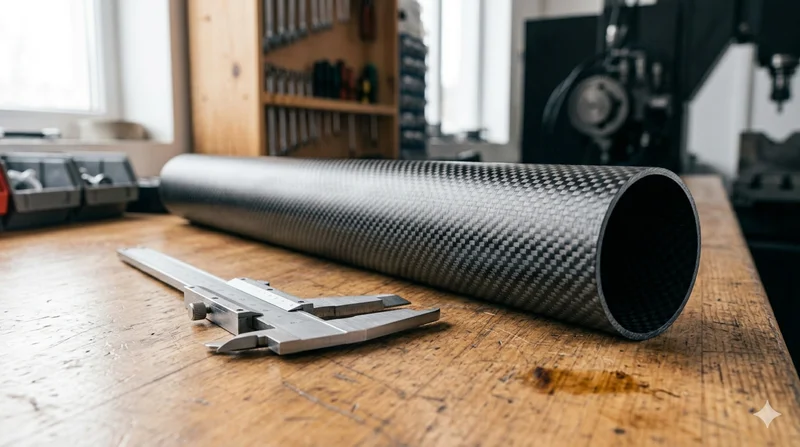
Round Carbon Fiber Tube — 3K Plain Weave T700
Standard round carbon fiber tube manufactured from Toray T700 grade fiber with 3K plain weave. Offers balanced strength and stiffness for general industrial applications including robotics, automation, sports equipment, and aerospace structures.
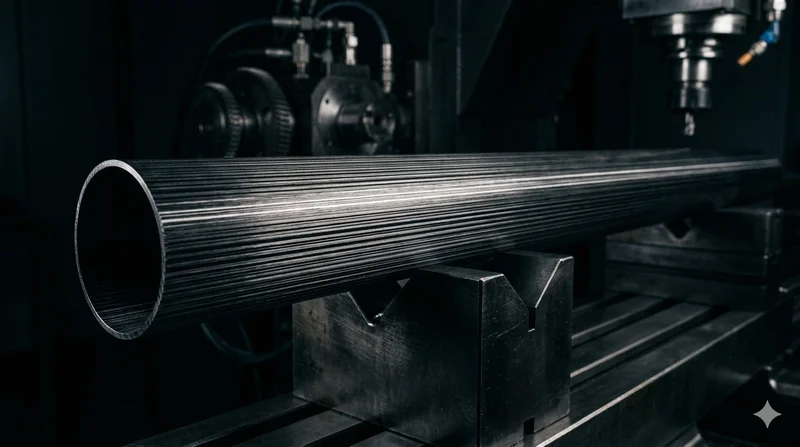
Round Carbon Fiber Tube — UD Unidirectional T700
Unidirectional (UD) round tube with all fibers aligned axially for maximum longitudinal stiffness. Ideal for applications requiring high bending rigidity with minimal weight, such as shafts, struts, and structural reinforcements.
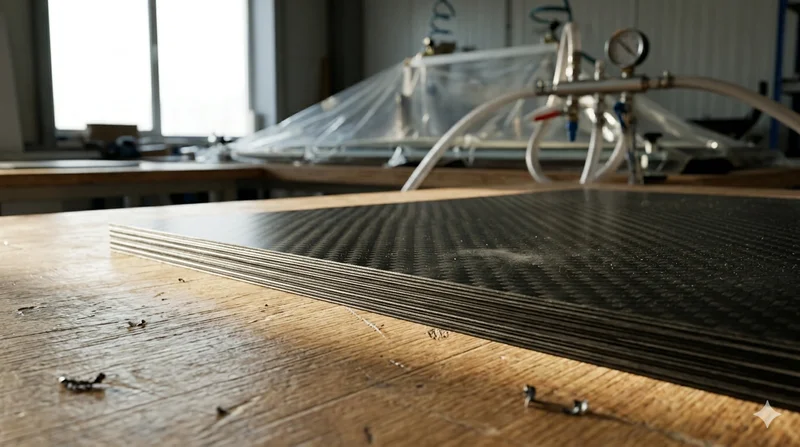
Carbon Fiber Plate — 3K Twill T700 3.0mm
Medium-thickness 3.0mm carbon fiber plate offering significantly higher load capacity while maintaining attractive 3K twill finish. Suitable for structural brackets, reinforcement plates, and load-bearing panels.
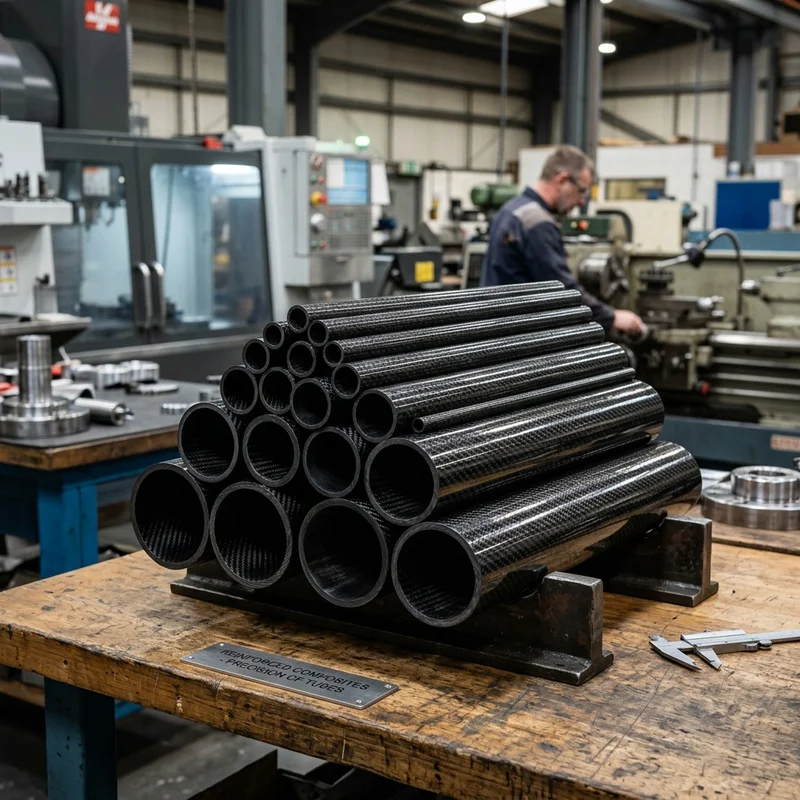
Round Carbon Fiber Tube — 3K Twill
Lightweight and ultra-stiff round tubes ideal for drone frames, robotics, and structural applications.
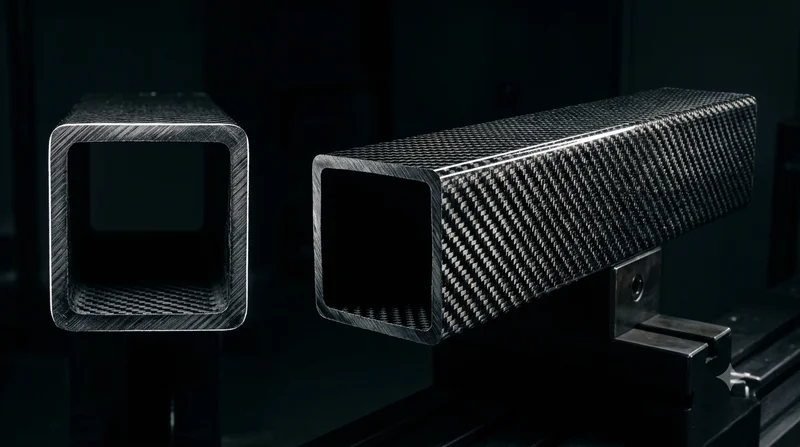
Square Carbon Fiber Tube — 3K Twill T700
Square cross-section carbon fiber tube manufactured with 3K twill weave for torsional strength. Preferred for structural frames, trusses, and support columns where rectangular geometry offers design flexibility.