Using a carbon fiber plate for signage is a design choice that signals precision, performance, and premium quality. Unlike printed aluminum composite panels or acrylic sheets, carbon fiber brings a distinctive woven texture, high stiffness-to-weight ratio, and excellent dimensional stability. It is
Introduction
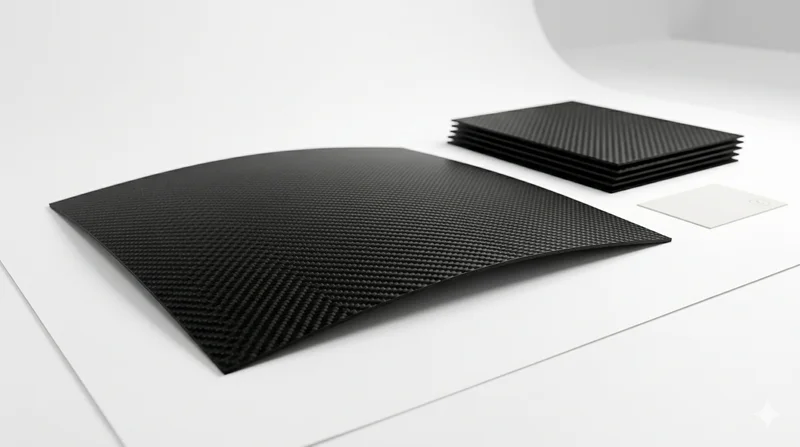
Using a carbon fiber plate for signage is a design choice that signals precision, performance, and premium quality. Unlike printed aluminum composite panels or acrylic sheets, carbon fiber brings a distinctive woven texture, high stiffness-to-weight ratio, and excellent dimensional stability. It is not the right material for every sign, but for brand walls, luxury retail displays, automotive showrooms, equipment nameplates, and high-end architectural markers, it delivers an unmistakable visual and tactile impression. This guide explains when carbon fiber plate makes sense for signage, which specifications matter, how to fabricate and mount it, and what to confirm with a supplier before placing an order.
The key is to treat signage as an engineering application, not just a decorative surface. The right plate choice depends on viewing distance, indoor or outdoor exposure, mounting method, and the level of finish your brand requires. Get those inputs right, and carbon fiber signage lasts long, stays flat, and looks intentional.
When Carbon Fiber Plate Makes Sense for Signage
Carbon fiber is a premium material, so it should be used where its properties create visible value. The table below compares common signage scenarios.
| Signage Application | Why Carbon Fiber Works | Typical Plate Spec | Notes |
|---|---|---|---|
| Luxury retail brand wall | Premium look, rigid, thin profile | 2-3 mm, gloss clear coat | Pair with hidden standoffs |
| Automotive/motorsport showroom | Material authenticity, brand alignment | 1.5-3 mm, matte or gloss | Twills show weave clearly |
| Equipment nameplate/panel | Lightweight, stiff, durable | 1-2 mm, matte finish | Can be CNC engraved |
| Outdoor architectural marker | Dimensional stability, corrosion resistance | 3-5 mm, UV-stable clear coat | Needs UV protection |
| Trade show display | High impact, easy to transport | 1-2 mm, gloss finish | Use lightweight backing if large |
If the sign is temporary, low-visibility, or price-sensitive, aluminum or ACM may be more practical. A carbon fiber plate for signage earns its cost when the audience is close enough to notice the weave and when the brand benefits from a high-performance material story.
Key Specifications for a Carbon Fiber Plate for Signage
The appearance and durability of carbon fiber signage come from a few specification decisions. Do not leave them vague in a purchase inquiry.
- Thickness: 1-2 mm suits small nameplates and backed panels. 2-3 mm is the common range for rigid wall signs. 3-5 mm is better for larger unsupported spans or outdoor markers.
- Weave style: Plain weave gives a clean, technical grid. Twill weave (2x2 or 3K) gives the classic carbon fiber look most people recognize. Forged carbon offers a marbled appearance but a different aesthetic.
- Surface finish: Gloss clear coat highlights depth and weave. Matte finish reduces reflections in bright retail spaces. Satin sits between the two.
- Resin and UV protection: For indoor signs, standard epoxy plates are common. For outdoor or sun-exposed signage, specify UV-stable clear coat or UV-resistant resin systems to reduce yellowing.
- Flatness and tolerance: Large signs need tight flatness control. Ask for thickness tolerance, warpage limits, and panel size consistency.
- Edge quality: CNC-cut edges can be left raw, sealed, chamfered, or polished depending on the visual requirement.
For most branding applications, a full carbon fiber plate with a cosmetic face ply and consistent weave alignment is worth the extra attention. The weave direction should be specified, especially when multiple panels sit side by side.
Fabrication and Mounting Methods
Carbon fiber plate is easy to machine with the right tools, but it is unforgiving with poor setup. Plan fabrication before you order the final size.
| Process | Recommended Practice | Why It Matters |
|---|---|---|
| CNC routing | Diamond-coated or carbide tools, dust extraction | Clean edges, reduced delamination |
| Drilling | Backup plate, sharp drill, controlled feed | Prevents blowout at exit |
| Engraving | Shallow V-bit or laser marking where suitable | Creates crisp logos and text |
| Bonding | Abrade, clean, use structural adhesive | Reliable bond to standoffs or frames |
| Mechanical mounting | Standoffs, hidden frame, or split batten | Controls load and allows removal |
For wall-mounted signage, standoffs create a clean shadow gap and make the plate look intentional. For large panels, a hidden aluminum subframe helps maintain flatness and simplifies installation. Avoid overtightening fasteners directly against carbon fiber; use washers, sleeves, or bonded inserts where needed.
Sourcing Checklist for Buyers
Not every carbon fiber plate is made for cosmetic signage. Some plates are optimized for structural parts and may show weave distortion, pinholes, or inconsistent gloss. Use this checklist when sourcing.
- Ask for surface grade: Clarify whether the plate is cosmetic grade, structural grade, or one-side cosmetic.
- Confirm weave alignment: For multi-panel signs, request weave direction control and panel orientation labels.
- Request finish samples: Gloss level, matte texture, and clear coat quality should be approved before mass production.
- Check UV options: If the sign faces sunlight, confirm UV-stable coating and expected maintenance.
- Verify cutting capability: Some suppliers can deliver cut-to-size, chamfered, drilled, or engraved plates, reducing your local processing risk.
- Package for cosmetics: Plates should be shipped with protective film, corner guards, and separation sheets to avoid rub marks.
A good supplier will ask where the sign will be installed, how it will be mounted, and whether the face is viewed up close. Those questions are a positive signal.
Frequently Asked Questions
Is carbon fiber plate good for outdoor signage?
It can be, but outdoor use needs the right finish. Standard epoxy can yellow under long-term UV exposure. For outdoor signage, specify a UV-stable clear coat, consider periodic maintenance, and design mounting to allow thermal movement and drainage. For harsh sunlight, test a sample outdoors before committing to a full rollout.
Can you print or engrave logos on a carbon fiber plate for signage?
Yes. CNC engraving, laser marking, UV printing, and bonded lettering are all common. Engraving exposes the internal layers and creates a subtle contrast, while printed or inlaid logos provide stronger color control. The best method depends on viewing distance, durability needs, and brand color requirements.
What thickness is best for a carbon fiber sign?
For small nameplates or signs bonded to a backing, 1-2 mm is usually enough. For medium wall signs with standoffs, 2-3 mm offers a solid feel without unnecessary weight. Large or unsupported signs may need 3-5 mm or a bonded subframe. The mounting method matters as much as the plate thickness.
Conclusion
A carbon fiber plate for signage is most effective when the material, finish, and mounting method are selected as one system. Choose the weave and gloss level for the brand impression, select thickness for stiffness and span, and plan fabrication to protect edges and surfaces. When sourced correctly, carbon fiber signage delivers a premium look that ordinary panels cannot match. To explore options for custom sizes, finishes, and CNC processing, visit our carbon fiber products page or contact our team for a sourcing consultation.
Part of topic
Related Articles
- Carbon Fiber Plate for 3D Printer: Design, Specs and Sourcing | YongXian
- Carbon Fiber Rod for Construction Reinforcement: Design, Specs and Sourcing | YongXian
- Carbon Fiber Sheet for Furniture: Design, Specs and Sourcing | YongXian
- Carbon Fiber Plate for Medical Device: Design, Specs and Sourcing | YongXian
- Carbon Fiber Sheet for Sporting Goods: Design, Specs and Sourcing | YongXian
- Carbon Fiber Sheet for Automotive Parts: Design, Specs and Sourcing | YongXian
Interested in Our Products?
Contact our team for competitive pricing and technical specifications.
Get a QuoteRelated Products
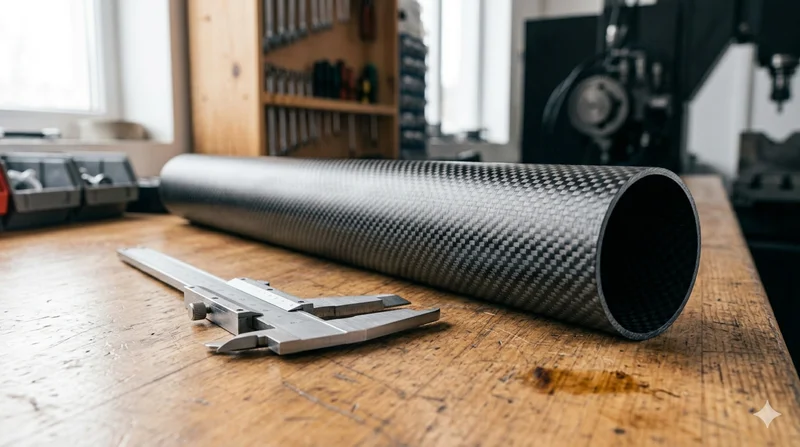
Round Carbon Fiber Tube — 3K Plain Weave T700
Standard round carbon fiber tube manufactured from Toray T700 grade fiber with 3K plain weave. Offers balanced strength and stiffness for general industrial applications including robotics, automation, sports equipment, and aerospace structures.
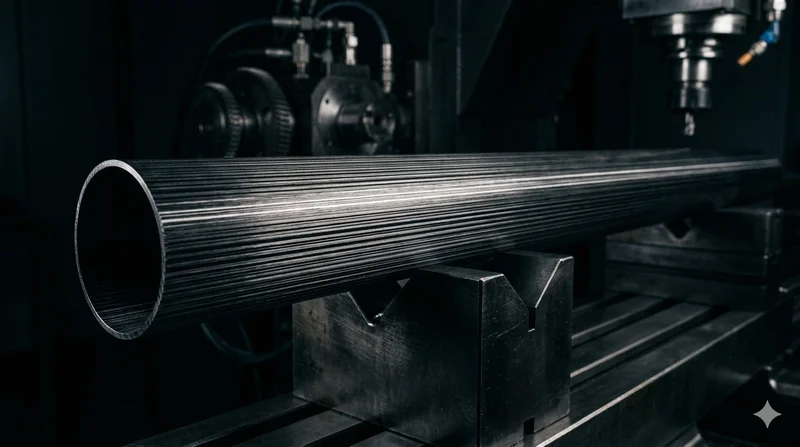
Round Carbon Fiber Tube — UD Unidirectional T700
Unidirectional (UD) round tube with all fibers aligned axially for maximum longitudinal stiffness. Ideal for applications requiring high bending rigidity with minimal weight, such as shafts, struts, and structural reinforcements.
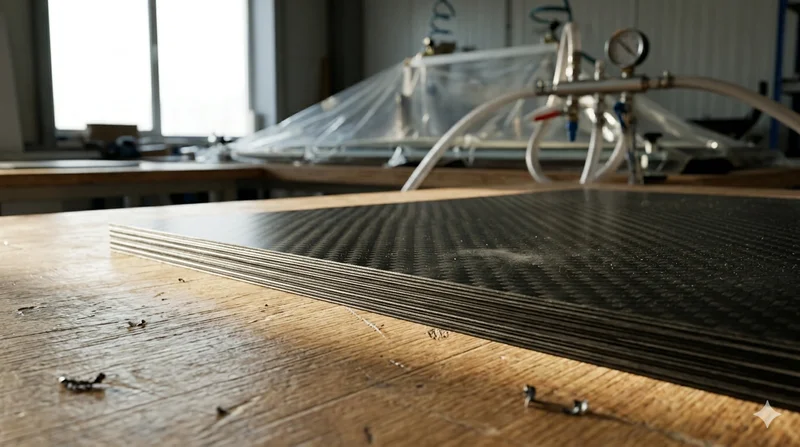
Carbon Fiber Plate — 3K Twill T700 3.0mm
Medium-thickness 3.0mm carbon fiber plate offering significantly higher load capacity while maintaining attractive 3K twill finish. Suitable for structural brackets, reinforcement plates, and load-bearing panels.
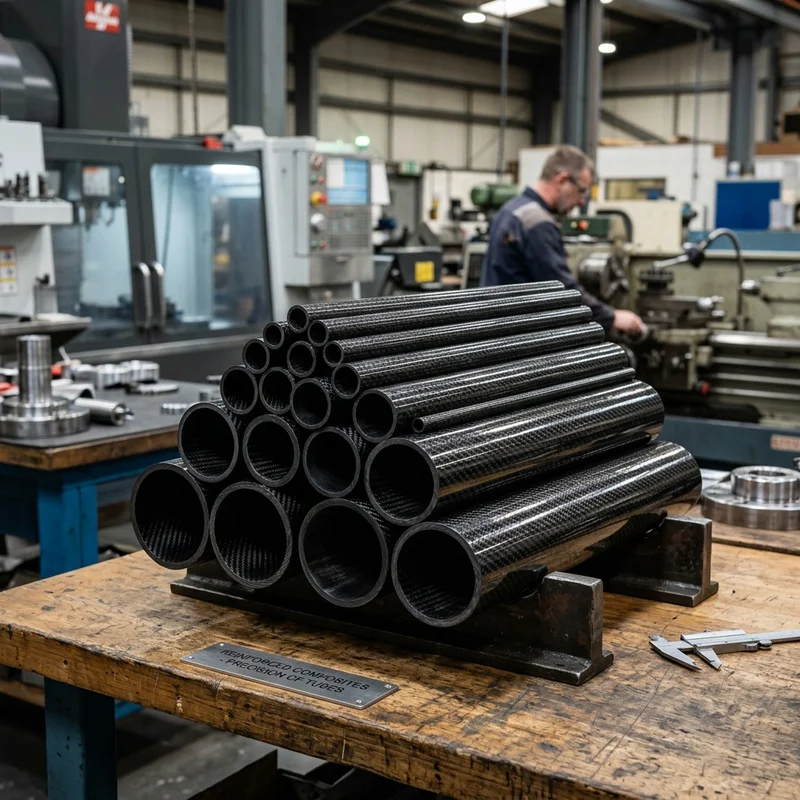
Round Carbon Fiber Tube — 3K Twill
Lightweight and ultra-stiff round tubes ideal for drone frames, robotics, and structural applications.
Carbon Fiber Plate — 3K Twill T700 1.5mm
Thin 1.5mm carbon fiber plate with 3K twill weave surface. Lightweight and stiff, commonly used for covers, panels, drone bodies, and applications requiring a premium aesthetic appearance.