Finding the right carbon fiber sheet factory is essential when your project depends on flat, rigid, and lightweight composite panels. Whether you need sheets for CNC machining, robotics panels, automotive components, medical devices, or industrial fixtures, a capable carbon fiber sheet factory shoul
Introduction
Finding the right carbon fiber sheet factory is essential when your project depends on flat, rigid, and lightweight composite panels. Whether you need sheets for CNC machining, robotics panels, automotive components, medical devices, or industrial fixtures, a capable carbon fiber sheet factory should help you define material grade, thickness, surface finish, and cutting tolerance before production. This article explains the key specifications buyers should review, what MOQ and lead time usually look like, and how to qualify a supplier when you plan to buy carbon fiber sheet products from a carbon fiber sheet factory in China or another manufacturing region.
What to Expect from a Professional Carbon Fiber Sheet Factory
A dependable factory does more than laminate panels. It should provide consistent plate quality, clear communication, and repeatable processing from sample to bulk order. Buyers often underestimate how much variation can occur in flatness, resin content, and cosmetic finish between suppliers.
- Material options: standard modulus, high modulus, forged-style, or sandwich constructions for specific stiffness needs.
- Panel formats: common sizes such as 400×500 mm, 500×600 mm, and 1000×2000 mm, plus custom cut-to-size service.
- Surface choices: gloss, matte, twill, plain weave, one-side cosmetic, or two-side cosmetic panels.
- Processing support: CNC cutting, drilling, chamfering, and protective film application.
- Documentation: thickness checks, visual inspection, and packing records for export shipments.
Carbon Fiber Sheet Factory Specs: Thickness, Size and Finish
When comparing quotations, use a consistent specification checklist. A carbon fiber sheet factory may offer attractive pricing, but differences in tolerance, finish quality, or layup can affect machining yield and final part performance. The table below outlines common parameters buyers include in RFQs.
| Specification | Typical Options | Why It Matters | Questions to Ask |
|---|---|---|---|
| Thickness | 0.5 mm to 20 mm | Controls stiffness, weight, and machining allowance | What is the thickness tolerance per sheet? |
| Panel size | 400×500 mm to 1000×2000 mm | Impacts nesting efficiency and scrap rate | Can you supply custom sizes or near-net blanks? |
| Weave style | Plain, twill, UD, forged look | Affects appearance and directional properties | Is the weave cosmetic only or structural? |
| Resin system | Epoxy standard or high-temp grades | Influences heat resistance and bonding | What service temperature is supported? |
| Flatness | Process dependent | Critical for assembly and CNC accuracy | How do you control warpage during curing? |
| Finish | Gloss, matte, sanded, protective film | Impacts aesthetics and downstream coating | Is one side or both sides cosmetic grade? |
For precision parts, request sample panels and test them on your CNC process. Even small thickness variation can change toolpaths, edge quality, and final fit.
MOQ and Lead Time at a Carbon Fiber Sheet Factory
MOQ and lead time vary based on stock availability, thickness, and customization level. Standard sheets in common sizes may be available quickly, while thick plates, special finishes, or tight flatness requirements take longer to produce and inspect.
- Samples: typically 5-10 days for in-stock materials; 10-20 days for custom laminations.
- Small batch production: often 10-25 days depending on curing cycles and cutting workload.
- Bulk orders: may require staged delivery, especially for large panels or multiple thicknesses.
- MOQ factors: lamination batch size, mold or press capacity, and yield rates for cosmetic surfaces.
To shorten lead time, confirm thickness, size, and finish early, and decide whether you need full sheets or pre-cut blanks. A responsive carbon fiber sheet factory should provide a realistic schedule rather than an optimistic promise.
Quality Control When You Buy Carbon Fiber Sheet Panels
Quality issues in carbon fiber sheets are not always obvious in photos. Voids, dry spots, uneven resin distribution, or poor edge trimming can create problems during machining or assembly. Before placing a larger order, define acceptance criteria and inspection steps.
- Check thickness at multiple points, not just one corner.
- Inspect both faces for pinholes, weave distortion, or surface marks.
- Review edge quality and whether protective film is applied.
- Ask for batch traceability if your application requires consistency.
- Run a machining trial to evaluate dust behavior, delamination risk, and finish.
If you source from an overseas carbon fiber sheet factory, include packaging requirements in the purchase agreement. Corner protection, flat stacking, and moisture barriers help prevent damage during transport.
Choosing a Carbon Fiber Sheet Factory in China for Custom Orders
Many buyers work with a carbon fiber sheet factory in China to access broad size options and competitive custom processing. The key is to compare suppliers on technical clarity, not only unit price. Share drawings, expected annual volume, and quality priorities so the factory can recommend a suitable layup and finish.
Reliable suppliers will explain trade-offs clearly. For example, a high-gloss cosmetic sheet may have different yield and cost implications than a sanded structural panel intended for bonding. When a factory can discuss these details upfront, it usually signals stronger process control and export experience.
Frequently Asked Questions
What details should I provide to a carbon fiber sheet factory before requesting a quote?
Provide sheet thickness, dimensions, quantity, weave or finish preference, tolerance needs, resin requirements, and whether you need CNC cutting. Application details help the factory recommend the right panel type.
Can a carbon fiber sheet factory supply both full panels and cut-to-size parts?
Yes. Many factories offer both options. Cut-to-size blanks can reduce your machining time and scrap, but you should confirm cutting tolerance, edge quality, and packaging methods in advance.
How can I reduce risk when buying carbon fiber sheets for the first time?
Start with samples, define inspection criteria, and test machining or bonding performance before bulk production. Clear communication about cosmetic grade, flatness, and thickness tolerance prevents most sourcing issues.
Conclusion
Selecting the right carbon fiber sheet factory comes down to specification clarity, process capability, and consistent quality control. By comparing thickness options, finishes, MOQ, and lead time before ordering, buyers can source panels that perform well in both prototyping and production. Explore our carbon fiber sheet and plate products or contact YongXian to discuss custom sizes, quantities, and delivery schedules.
Part of topic
Related Articles
- Carbon Fiber Foam Core Supplier: Specs, MOQ and Lead Time
- Carbon Fiber Sandwich Panel Supplier: Specs, MOQ and Lead Time
- Carbon Fiber Honeycomb Panel Supplier: Specs, MOQ and Lead Time
- Carbon Fiber Telescopic Tube Supplier: Specs, MOQ and Lead Time
- Carbon Fiber Tapered Tube Supplier: Specs, MOQ and Lead Time
- Carbon Fiber Oval Tube Supplier: Specs, MOQ and Lead Time
Interested in Our Products?
Contact our team for competitive pricing and technical specifications.
Get a QuoteRelated Products
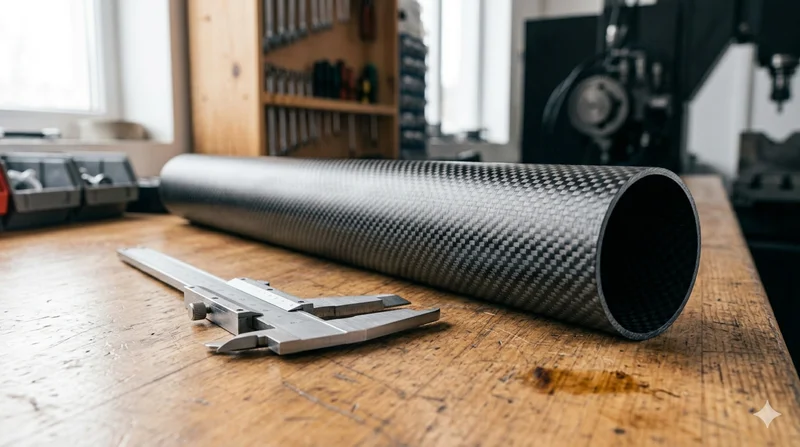
Round Carbon Fiber Tube — 3K Plain Weave T700
Standard round carbon fiber tube manufactured from Toray T700 grade fiber with 3K plain weave. Offers balanced strength and stiffness for general industrial applications including robotics, automation, sports equipment, and aerospace structures.
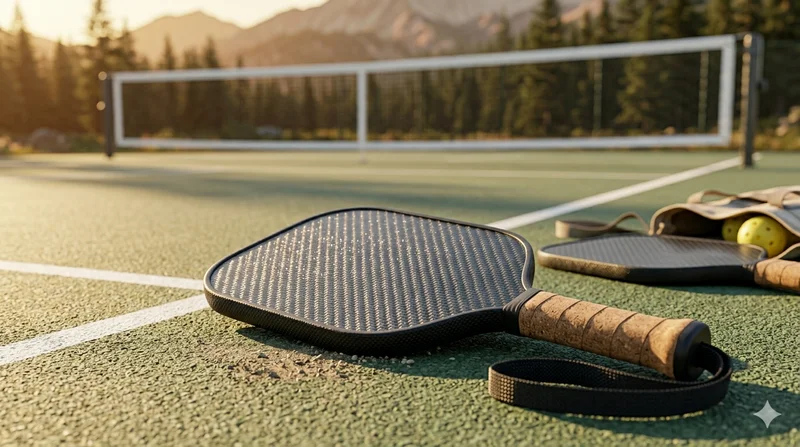
Carbon Fiber Pickleball Paddle
High-performance pickleball paddle with Toray T700 carbon fiber face and polypropylene honeycomb core. Delivers excellent power-to-weight ratio, spin generation, and vibration dampening for competitive play.
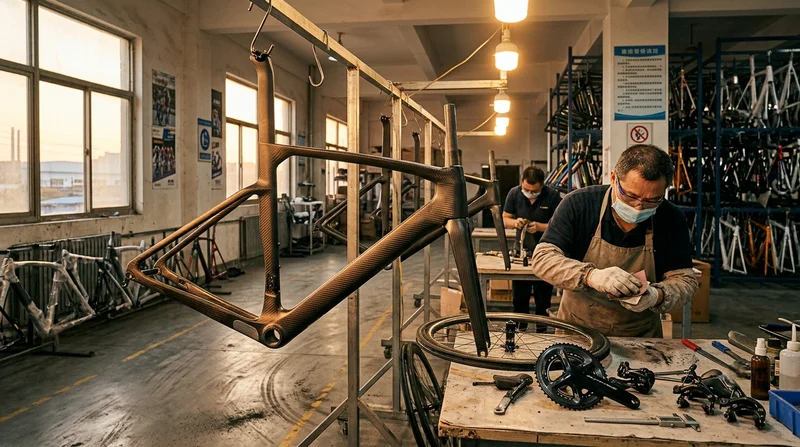
Custom Carbon Fiber Bicycle Frame
Full-custom carbon fiber bicycle frame manufactured to your geometry specifications. We produce road, gravel, mountain, and track frames using high-modulus carbon fiber layups optimized for each riding discipline. Monocoque construction with internal cable routing, available with disc or rim brake mounts.
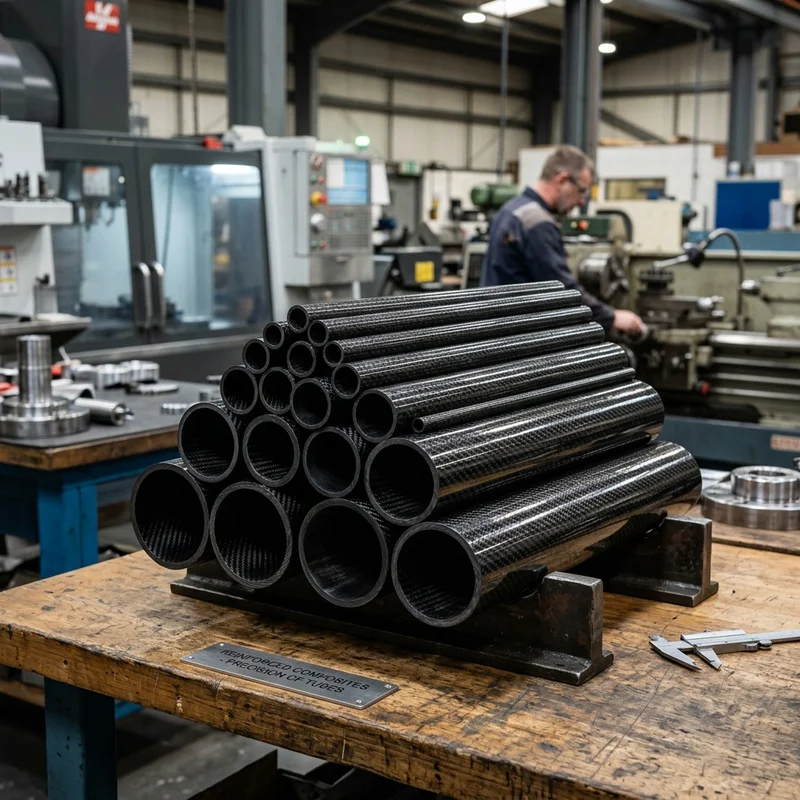
Round Carbon Fiber Tube — 3K Twill
Lightweight and ultra-stiff round tubes ideal for drone frames, robotics, and structural applications.
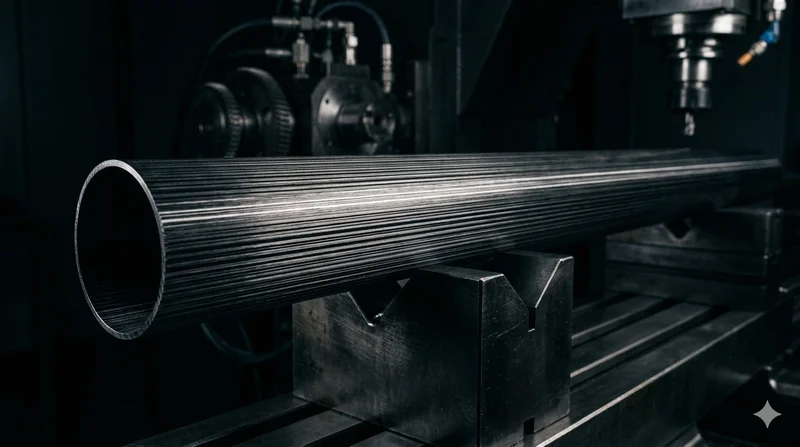
Round Carbon Fiber Tube — UD Unidirectional T700
Unidirectional (UD) round tube with all fibers aligned axially for maximum longitudinal stiffness. Ideal for applications requiring high bending rigidity with minimal weight, such as shafts, struts, and structural reinforcements.