Ordering a carbon fiber plate cut to size solution helps engineering teams reduce waste, control machining time, and receive components that are ready for assembly. Unlike thin laminates used mainly for covers, a carbon fiber plate is usually specified for structural brackets, jigs, fixtures, roboti
Introduction
Ordering a carbon fiber plate cut to size solution helps engineering teams reduce waste, control machining time, and receive components that are ready for assembly. Unlike thin laminates used mainly for covers, a carbon fiber plate is usually specified for structural brackets, jigs, fixtures, robotic arms, UAV frames, and load-bearing panels where stiffness and flatness matter. When you request carbon fiber plate cut to size from a supplier, the goal is not only to match dimensions but also to protect edge quality, thickness consistency, and fiber orientation. This guide explains what to define in your RFQ, how cutting methods affect tolerances, what drives MOQ and lead time, and how to compare a carbon fiber plate cut to size china source with other options when you plan to buy carbon fiber plate from a carbon fiber plate cut to size factory.
Key Specifications for Carbon Fiber Plate Cut To Size Orders
A clear specification package is the fastest way to get an accurate quotation. Because plates are thicker than standard sheets, cutting heat, tool wear, and flatness control become more important. A capable supplier should confirm the laminate construction, cosmetic face, and any downstream machining before production starts.
- Plate thickness and layup: define nominal thickness, tolerance band, and whether the plate is quasi-isotropic, unidirectional-faced, or balanced woven.
- Finished dimensions: provide length, width, quantity per size, and critical edges that must meet tighter control.
- Fiber pattern and resin: specify 3K twill, plain weave, forged appearance, or matte/gloss finish depending on structural and visual needs.
- Secondary features: include holes, slots, countersinks, chamfers, and threaded insert preparation if required.
- Inspection criteria: agree on measurement points, flatness expectations, edge condition, and labeling method.
Carbon Fiber Plate Cut To Size Tolerances and Cutting Methods
Different cutting processes produce different results, especially on plates above 3 mm. Waterjet and CNC routing are common for carbon fiber plate cut to size projects, while precision sawing may be used for straight cuts on thick stock. The right method depends on tolerance targets, edge finish, and feature complexity.
| Parameter | Typical Range | Why It Matters | What to Confirm |
|---|---|---|---|
| Plate thickness | 1.0 mm to 20 mm+ | Affects stiffness, weight, and machining strategy | Thickness tolerance and flatness across the panel |
| Cutting tolerance | ±0.1 mm to ±0.5 mm | Controls fit in frames, slots, and mounting points | Method-dependent tolerance and squareness |
| Edge finish | As-cut, sanded, sealed, chamfered | Reduces splintering and improves handling safety | Deburring process and cosmetic edge standard |
| Hole position tolerance | ±0.1 mm to ±0.3 mm | Important for bolt patterns and fixture alignment | Drilling method and inspection sampling plan |
| Fiber orientation | 0/90, ±45, custom layup | Influences bending strength and stiffness direction | Orientation marking and cosmetic face selection |
| Surface protection | Film, foam, corner guards | Prevents scratches and transit damage | Packing method for cut plates and kits |
For load-bearing parts, ask the supplier to document how edges are finished and how dust is controlled during machining. Clean, sealed edges can improve durability and make assembly safer.
MOQ and Lead Time Planning for Custom Carbon Fiber Plates
MOQ and lead time for carbon fiber plate cut to size work depend on stock availability, nesting efficiency, and the amount of secondary processing. A simple rectangular cut from an in-stock plate may ship quickly, while multi-feature parts with tight tolerances require programming, tooling checks, and more inspection time.
- Prototype quantities: often 5-10 working days when suitable plate stock is available; 10-20 days if the laminate must be produced first.
- Small batch orders: commonly 10-20 working days after drawing approval, quantity confirmation, and tolerance agreement.
- Repeat production: usually faster because nesting files, labels, and packing instructions are already validated.
- Main MOQ drivers: minimum raw plate size, setup labor, scrap rate, and sorting effort for multiple part numbers.
To shorten lead time, use standard thicknesses where possible, combine similar parts into one release, and relax non-critical tolerances. Early feedback on samples can also prevent rework during scale-up.
Quality Checks Before You Buy Carbon Fiber Plate Cut To Size
Dimensional accuracy alone is not enough. Buyers should verify both laminate quality and machining quality, especially when plates will be drilled, bonded, or installed in precision equipment. A reliable supplier should provide clear inspection records and consistent packaging.
- Request first-article measurements for length, width, thickness, hole positions, and edge squareness.
- Inspect cut edges for delamination, chipping, fuzzing, or heat marks.
- Confirm flatness requirements and how plates are supported during packing and transport.
- Ask for part identification by drawing number, revision, and kit grouping if multiple sizes ship together.
- Test sample plates in the actual assembly or fastening process before approving volume production.
When comparing suppliers, include hidden costs such as incoming inspection, re-cutting risk, and communication delays. A lower unit price does not help if parts arrive out of tolerance or poorly protected.
Frequently Asked Questions
What information should I send for a carbon fiber plate cut to size quote?
Share plate thickness, finished dimensions, quantity per size, fiber pattern, tolerance targets, edge finish, and any holes or slots. A drawing or DXF file helps the supplier quote accurately and optimize nesting.
How do I choose between waterjet and CNC routing for cut-to-size carbon plates?
Waterjet is often preferred for heat-sensitive edges and complex outlines, while CNC routing can be efficient for precise features and repeat batches. Ask the supplier which method best matches your tolerance and finish requirements.
Can a factory handle both prototypes and repeat orders for custom carbon fiber plates?
Yes, but confirm stock plate availability, sample approval steps, and how process settings are documented for repeat runs. Stable documentation helps keep dimensions and edge quality consistent across batches.
Conclusion
A dependable carbon fiber plate cut to size service combines accurate machining, stable laminate quality, and predictable delivery. By defining specifications clearly, comparing cutting methods, and validating samples before scaling, buyers can reduce risk and receive plates ready for assembly. Review options on our carbon fiber products page or contact YongXian for a quote with your drawings and project requirements.
Part of topic
Related Articles
- Carbon Fiber Telescopic Tube Cut To Size: Specs, MOQ and Lead Time
- Carbon Fiber Hexagon Tube Cut To Size: Specs, MOQ and Lead Time
- Carbon Fiber Tapered Tube Cut To Size: Specs, MOQ and Lead Time
- Carbon Fiber Oval Tube Cut To Size: Specs, MOQ and Lead Time
- Carbon Fiber Square Tube Cut To Size: Specs, MOQ and Lead Time
- Carbon Fiber Rod Cut To Size: Specs, MOQ and Lead Time
Interested in Our Products?
Contact our team for competitive pricing and technical specifications.
Get a QuoteRelated Products
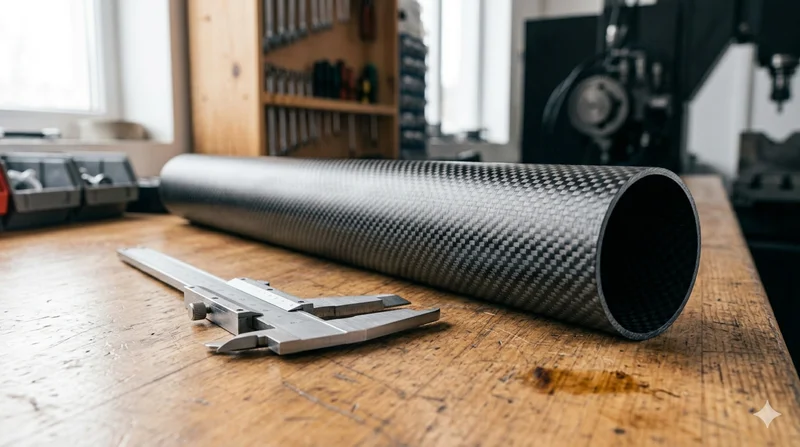
Round Carbon Fiber Tube — 3K Plain Weave T700
Standard round carbon fiber tube manufactured from Toray T700 grade fiber with 3K plain weave. Offers balanced strength and stiffness for general industrial applications including robotics, automation, sports equipment, and aerospace structures.
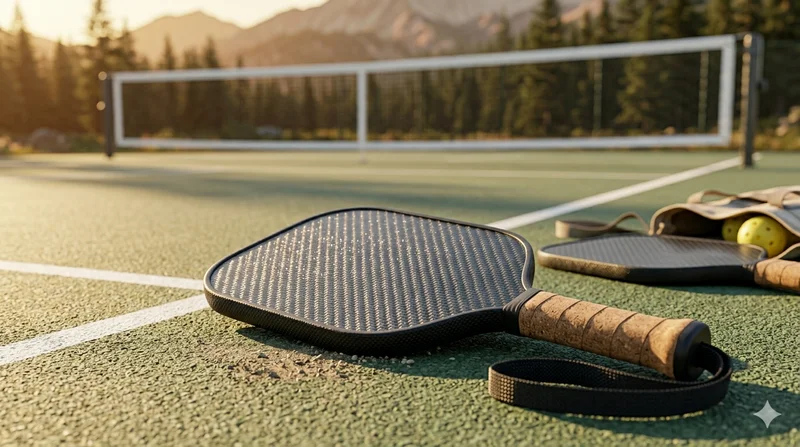
Carbon Fiber Pickleball Paddle
High-performance pickleball paddle with Toray T700 carbon fiber face and polypropylene honeycomb core. Delivers excellent power-to-weight ratio, spin generation, and vibration dampening for competitive play.
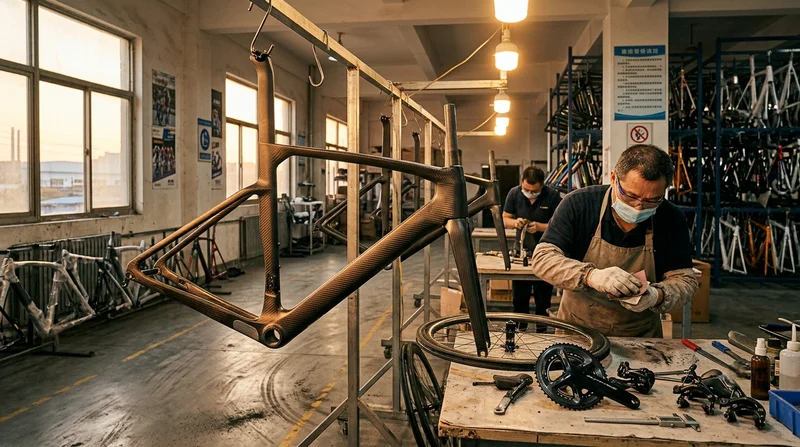
Custom Carbon Fiber Bicycle Frame
Full-custom carbon fiber bicycle frame manufactured to your geometry specifications. We produce road, gravel, mountain, and track frames using high-modulus carbon fiber layups optimized for each riding discipline. Monocoque construction with internal cable routing, available with disc or rim brake mounts.
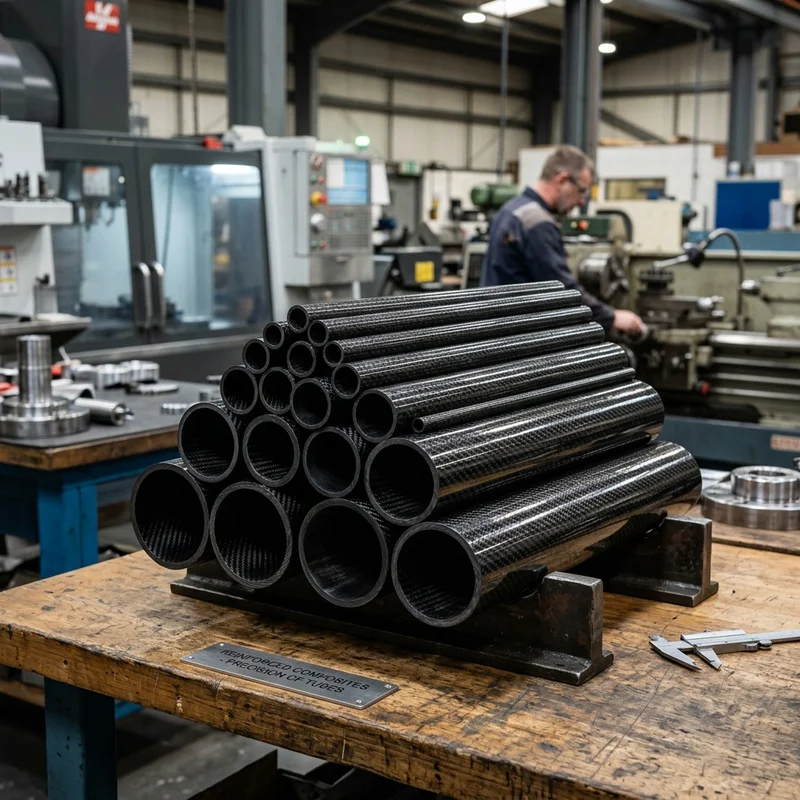
Round Carbon Fiber Tube — 3K Twill
Lightweight and ultra-stiff round tubes ideal for drone frames, robotics, and structural applications.
Round Carbon Fiber Tube — UD Unidirectional T700
Unidirectional (UD) round tube with all fibers aligned axially for maximum longitudinal stiffness. Ideal for applications requiring high bending rigidity with minimal weight, such as shafts, struts, and structural reinforcements.