
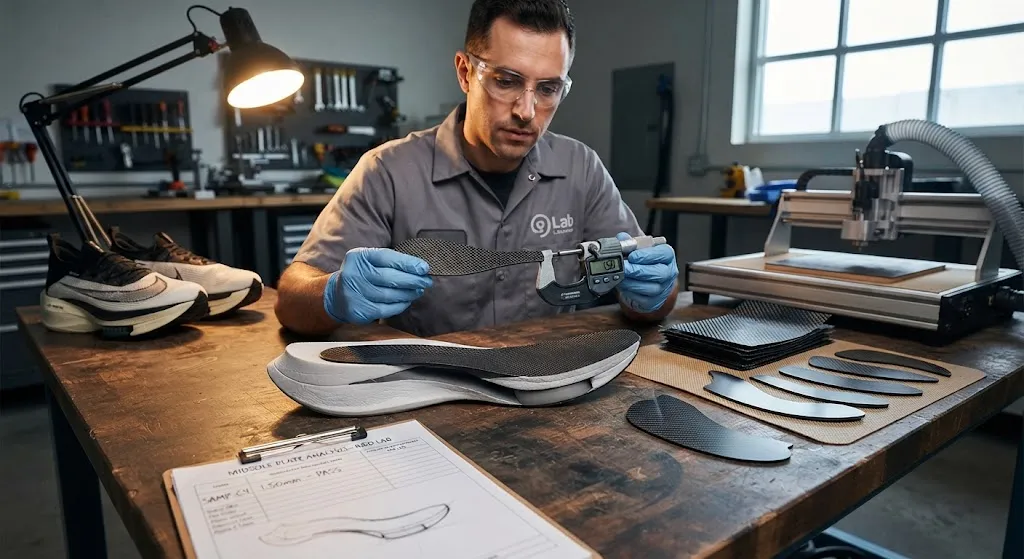
A carbon fiber plate shoe is a shoe with a thin, curved carbon fiber plate embedded in the midsole foam — most famous as the super-shoe technology behind modern marathon records, but now also found in hiking boots, trail shoes, and work footwear. The plate acts as a lever: it is stiff in bending, so
Introduction
A carbon fiber plate shoe is a shoe with a thin, curved carbon fiber plate embedded in the midsole foam — most famous as the super-shoe technology behind modern marathon records, but now also found in hiking boots, trail shoes, and work footwear. The plate acts as a lever: it is stiff in bending, so it stores and returns energy with each stride, and it resists twisting, which stabilises the foot on uneven ground. For runners, the result is a measurable reduction in energy cost at race pace; for hikers and workers, the result is a firmer, more supportive platform that protects the foot for hours.
This guide explains how a carbon fiber plate shoe works mechanically, how racing, hiking, and daily models differ, and the specifications to check before you buy.
How a Carbon Fiber Plate Shoe Works
The carbon fiber plate shoe works on two principles: energy return and platform stiffness. As the foot rolls through a stride, the curved plate is flexed by body weight; because carbon fiber is extremely stiff in bending, the plate resists that flex and snaps back elastically as the foot pushes off, returning a portion of the energy that would otherwise be lost in the foam. Modern racing shoes pair the plate with a thick, resilient foam midsole, and the combination of foam compression and plate spring-back produces the propulsive feel that elite runners rely on in the final kilometres of a marathon.
The second effect is stability. A carbon plate resists torsion — the twisting that a bare foam shoe allows — so the foot stays flatter over rocks, roots, and ladder rungs. This is why the carbon fiber plate shoe has expanded beyond racing: hikers get a stiff shank that protects the sole from sharp objects and keeps the boot stable on edges, while workers in construction and logistics get a platform that does not flex under load.
The table below summarises how a carbon fiber plate shoe compares with traditional footwear at typical weights:
| Feature | Carbon Plate Racing Shoe | Traditional Running Shoe | Carbon Shank Hiking Boot |
|---|---|---|---|
| Plate position | Full-length, curved | None or nylon shank | Partial-length shank |
| Midsole stack height | 30-40 mm (heel) | 20-30 mm (heel) | 15-25 mm (heel) |
| Weight (men's size 9) | 200-260 g | 250-320 g | 450-650 g |
| Energy return | High, spring-like | Moderate, foam only | Low, stability focused |
| Best use | Racing, tempo runs | Daily training | Rugged terrain, load carrying |
What matters is matching the plate to the use: a racing plate is tuned to snap energy back, while a hiking shank is tuned to stay stiff and protect, and the two are not interchangeable.
Types of Carbon Fiber Plate Shoes
Carbon fiber plate shoes divide into three families by purpose:
- Racing and performance shoes: Full-length curved plates in thick super-foam, built to maximise energy return at speed. These are the shoes of marathon record attempts, and most also pass the competition rules for road racing.
- Trail and hiking footwear: Partial-length or full-length plates that add a stiff shank, protecting the midfoot on rocks and stabilising the boot on edges. Trail versions keep the plate modestly curved so the foot can still feel the ground.
- Work and safety footwear: Carbon plates replace steel or composite toe caps and shanks, cutting weight while keeping impact protection. Some models combine a carbon plate with a puncture-resistant layer for construction sites.
There is also a growing category of everyday walking shoes with a soft plate — a low-profile carbon fiber plate shoe designed for comfort rather than performance, which suits users who want the stable platform without the aggressive rocker of a racer.
Carbon Fiber Plate Shoe Specifications and Buying
When you buy a carbon fiber plate shoe, the specification that matters most is how the plate is tuned for its purpose. The key parameters:
| Parameter | Typical Range | What It Does |
|---|---|---|
| Plate length | Partial (shank) to full-length | Full-length adds propulsion; shank adds protection |
| Plate curvature | Flat to aggressive rocker | Rocker eases toe-off; flat feels more natural |
| Plate thickness | 1-3 mm | Thicker is stiffer; thinner flexes more |
| Midsole stack height | 20-40 mm heel | Higher stack cushions; lower stack is more stable |
| Drop | 0-10 mm | Sets the heel-to-toe angle and calf load |
| Use class | Racing, trail, work | Determines stiffness, rocker, and sole hardness |
Three buying points deserve emphasis. First, buy the shoe class that matches your activity — a racing shoe used for daily walking can feel unstable because the aggressive rocker and high stack were tuned for speed. Second, consider your weight and running economy: heavier runners generally prefer a slightly stiffer plate, while lighter runners find softer plates more comfortable. Third, if you buy a carbon fiber plate shoe for competitive running, check the competition stack-height rules, because the thickest racing shoes are restricted in sanctioned events.
For brands developing their own carbon fiber plate shoe, the plate is a specifiable component: thickness from 1-3 mm, curvature from flat to an aggressive rocker, and a full or partial length that suits the shoe's drop and intended use. Plates are typically cut from cured carbon fiber sheet with a CNC router, then finished and bonded into the midsole during assembly. Sourcing the plate separately from a carbon fiber supplier, rather than buying readymade footwear parts, gives a brand control over stiffness tuning and cost — provided the plate thickness and curvature tolerances are defined in the specification.
Frequently Asked Questions
Do carbon fiber plate shoes actually make you faster?
In controlled studies, well-tuned carbon fiber plate shoes with thick resilient foam reduce the energy cost of running at race pace by roughly 3-4% compared with a conventional shoe, which translates to minutes over a marathon. The benefit comes from the combination of foam energy return and the plate acting as a lever that improves the efficiency of the push-off. The effect is largest for trained runners at moderate-to-fast paces; for slower runners or walkers, the benefit is smaller, and the same plate can even feel awkward if the rocker does not match the runner's foot strike.
Are carbon fiber plate shoes bad for your feet?
For healthy runners, carbon fiber plate shoes are not harmful, but they are not a substitute for strength work. The plate reduces the work some foot muscles do, which is why coaches advise rotating a plate shoe with normal trainers and keeping up foot-strengthening exercises. Two groups should be cautious: runners with a history of plantar or Achilles issues should introduce the plate gradually, because the stiff platform changes loading; and walkers or casual users should choose a soft, low-profile plate rather than a racing model, whose aggressive rocker can feel unstable at walking speeds.
How long does a carbon fiber plate shoe last?
The carbon plate itself does not wear out — it is a composite that remains stiff for the life of the shoe — but the midsole foam around it does. The useful life of a racing carbon fiber plate shoe is typically 400-700 km, after which the foam loses its energy return and the shoe feels flat even though the plate is still intact. For hiking boots with a carbon shank, the plate outlasts the sole and upper, and the boot is usually retired when the outsole or cushioning wears, not when the shank fails. Check the midsole for creasing and loss of bounce as the primary sign of a spent shoe.
Conclusion
A carbon fiber plate shoe uses a thin composite plate to return energy with every stride and to stiffen the platform against twisting, which is why it has become the standard for racing, a growing option for trail and hiking footwear, and a lightweight replacement for steel in safety shoes. The technology is mature, the tuning is well understood, and the main mistake buyers make is choosing the wrong class — a racing plate for daily walking, or a stiff hiking shank for road training.
If you are a brand developing a carbon fiber plate shoe, or a buyer sourcing plate material for an insole program, explore our carbon fiber sheet and plate range, available in T300, T700, and high-modulus grades with custom thickness, or contact our engineering team to discuss plate design and cutting service for your project.
Part of topic
Related Articles
Interested in Our Products?
Contact our team for competitive pricing and technical specifications.
Get a QuoteRelated Products

Carbon Fiber Plate — 3K Twill T700 3.0mm
Medium-thickness 3.0mm carbon fiber plate offering significantly higher load capacity while maintaining attractive 3K twill finish. Suitable for structural brackets, reinforcement plates, and load-bearing panels.

Carbon Fiber Plate — 3K Twill T700 1.5mm
Thin 1.5mm carbon fiber plate with 3K twill weave surface. Lightweight and stiff, commonly used for covers, panels, drone bodies, and applications requiring a premium aesthetic appearance.

Square Carbon Fiber Tube — 3K Twill T700
Square cross-section carbon fiber tube manufactured with 3K twill weave for torsional strength. Preferred for structural frames, trusses, and support columns where rectangular geometry offers design flexibility.
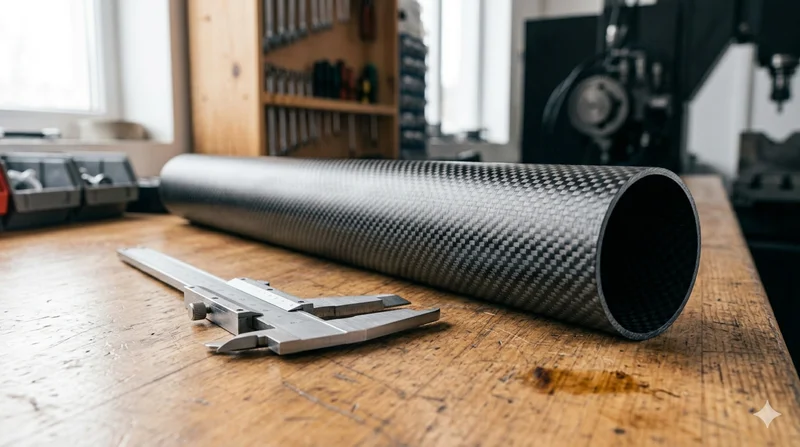
Round Carbon Fiber Tube — 3K Plain Weave T700
Standard round carbon fiber tube manufactured from Toray T700 grade fiber with 3K plain weave. Offers balanced strength and stiffness for general industrial applications including robotics, automation, sports equipment, and aerospace structures.
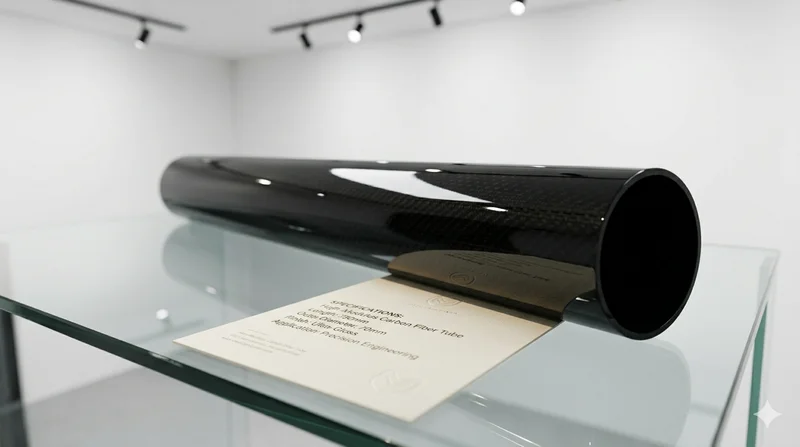
High Modulus Round Carbon Fiber Tube — M40
High modulus round tube manufactured with M40 grade fiber (tensile modulus 400 GPa). Designed for applications where maximum stiffness-to-weight ratio is critical, such as optical systems, precision machinery, and aerospace structures.