
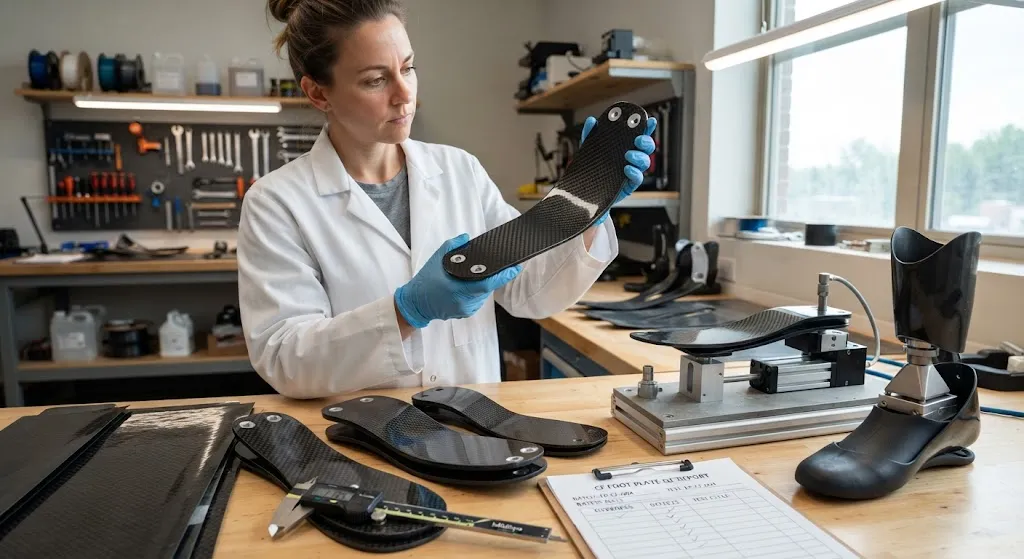
A carbon fiber plate foot is a prosthetic or orthotic foot built around a curved carbon fiber plate that flexes during the stance phase of walking and springs back as the foot rolls off the toe. The plate acts as a mechanical spring: it stores the energy of the body landing on the foot and releases
Introduction
A carbon fiber plate foot is a prosthetic or orthotic foot built around a curved carbon fiber plate that flexes during the stance phase of walking and springs back as the foot rolls off the toe. The plate acts as a mechanical spring: it stores the energy of the body landing on the foot and releases it in the push-off that propels the wearer forward. Because carbon fiber offers one of the highest energy return ratios of any structural material, plate feet have become the standard in modern prosthetics, used in everyday walking feet, running blades, and orthotic ankle supports alike. The combination of low weight, high stiffness, and fatigue endurance makes a carbon fiber plate foot a durable, comfortable component that reduces the effort of walking.
This guide explains how carbon fiber plate feet work, the material data that drives their performance, the main foot types available, and how to choose and size a plate foot correctly.
How a Carbon Fiber Plate Foot Works
The performance of a plate foot comes from a simple mechanical principle: energy storage and return. During heel strike and mid-stance, the body's weight bends the carbon fiber plate, storing elastic energy. As weight moves onto the toe, the plate springs back, returning a large fraction of that energy in the push-off phase. The efficiency of this cycle is expressed as energy return — the percentage of stored energy given back to the walker.
Carbon fiber delivers energy return in the range of 85-95 percent in a well-designed plate, compared with roughly 60-75 percent for a conventional foot with foam or rubber components. The table below compares the material properties that matter for plate feet:
| Property | Carbon Fiber Plate | Aluminium Plate | Rubber/Foam Foot |
|---|---|---|---|
| Energy return (%) | 85-95 | 70-80 | 60-75 |
| Density (g/cm³) | 1.55-1.60 | 2.70 | 1.0-1.3 |
| Specific stiffness (GPa per g/cm³) | 90-140 (unidirectional) | 25-26 | Very low |
| Fatigue endurance | Excellent, millions of cycles | Good with limits | Moderate |
| Durability in moisture | Excellent | Good, galvanic risks | Degrades with UV and ozone |
| Weight of a typical adult foot | 250-450 g | 450-700 g | 350-600 g |
The energy return figure is the headline number for amputees and active users: higher return means less metabolic effort per step, which translates into noticeably less fatigue over a full day of walking.
Carbon Fiber Plate Foot: Main Types
Carbon fiber plate feet are categorised by their design and the activity level they support:
- Dynamic response feet (everyday walking): A single curved plate or a plate with a split toe, designed for comfortable walking at normal speeds with moderate energy return. The most common category for daily use.
- Energy-storing feet (high activity): Multi-plate designs with a heel spring and a forefoot plate, tuned for running, jumping, and uneven terrain. They return the most energy and suit active users.
- Running blades (sport): A long, highly curved J-shaped or C-shaped blade that stores a very large amount of energy in the running cycle. Designed for sprinting and long-distance running, with minimal weight and maximum spring.
- Orthotic plates (non-amputee): Flat or slightly curved carbon plates fitted inside a shoe or an ankle-foot orthosis to stiffen the foot and reduce pain in conditions such as arthritis or drop foot.
The table below compares the categories on stiffness and typical use:
| Foot Category | Stiffness Setting | Energy Return | Typical User | Weight Range |
|---|---|---|---|---|
| Dynamic response | Soft to medium | 85-90% | Everyday walker | 250-450 g |
| Energy-storing | Medium to stiff | 90-95% | Active user, runner | 350-550 g |
| Running blade | Very stiff, tuned | 90-95% | Athlete | 400-600 g |
| Orthotic plate | Per prescription | Not primary goal | Patient with foot pathology | 30-120 g |
Within each category, the stiffness of the plate is tuned by the layup — the angle and number of carbon fibre layers — and by the plate thickness and curvature. A stiffer plate suits heavier users and higher activity, while a softer plate gives a smoother, more comfortable roll for lighter users.
Choosing and Sizing a Plate Foot
Selection of a carbon fiber plate foot is driven by four factors, in order of importance:
- User weight and activity level: The most important inputs. Manufacturers rate each foot for a weight range and an activity level (K-level in the United States), and the plate stiffness must match both.
- Foot size: The plate is sized to the user's shoe size and to the available space inside the prosthetic foot shell or the shoe, particularly for orthotic plates.
- Alignment and socket compatibility: The foot must connect to the prosthetic socket with a standard pyramid adapter or to the orthosis with the correct mounting, and the alignment must be set by a prosthetist.
- Footwear and terrain: The choice between a dynamic response foot and an energy-storing foot depends on whether the user walks on flat ground, runs, or works on uneven terrain.
The table below gives a typical sizing and stiffness selection guide:
| User Weight (kg) | Foot Size (EU) | Recommended Stiffness | Example Foot Category |
|---|---|---|---|
| 45-60 | 38-41 | Soft | Dynamic response, low activity |
| 60-80 | 41-44 | Medium | Dynamic response or energy-storing |
| 80-100 | 44-47 | Stiff | Energy-storing, high activity |
| 100+ | 47+ | Extra stiff | Heavy-duty dynamic response |
Two practical points deserve emphasis. First, the plate stiffness rating is not a suggestion: using a plate rated below the user's weight risks delamination and premature failure, while a plate rated too stiff gives a hard, uncomfortable gait. Second, alignment should always be performed by a qualified prosthetist or orthotist — a correctly sized plate fitted with incorrect alignment will feel worse than a slightly less ideal plate fitted correctly.
Manufacturing and Quality Considerations
The performance and safety of a carbon fiber plate foot depend on manufacturing quality as much as on design. Key considerations for buyers and clinics:
- Fibre grade and layup: High-modulus fibres and a unidirectional or biased layup along the plate axis give the highest energy return and lowest weight; the layup schedule must be documented.
- Defect control: Voids, delaminations, or wrinkles in the cured plate concentrate stress and reduce fatigue life; ultrasonic inspection is standard for structural plates.
- Fatigue testing: A plate foot is a fatigue component — it flexes millions of times. Reputable manufacturers test to standards such as ISO 10328 for prosthetic feet, which applies cyclic loading to the whole foot assembly.
- Traceability: Each plate should carry batch and cure records so that any manufacturing anomaly can be traced, particularly for medical devices.
For medical use, the plate foot or the device it is part of is a regulated medical device in most markets — in the European Union under the Medical Device Regulation and in the United States under FDA oversight — so suppliers should be able to provide the relevant documentation on request.
Frequently Asked Questions
How long does a carbon fiber plate foot last?
With correct sizing and alignment, a carbon fiber plate foot typically lasts 3-5 years of everyday use before replacement is recommended, and many users report longer service. The limiting factor is fatigue: each step flexes the plate, and although carbon fiber endures millions of cycles without the plastic deformation that would affect a metal or plastic foot, the resin matrix slowly accumulates micro-damage and the cosmetic foot shell wears out. Visual inspection every six months and an annual check by a prosthetist will catch surface cracks, delamination signs, or shell wear early. High-impact activities such as running can shorten service life, and feet used at the upper edge of their weight rating should be inspected more frequently.
Can I run or play sports with a carbon fiber plate foot?
Yes, but the foot must be designed for the activity. A standard dynamic response foot is built for walking and moderate activity; it can tolerate light jogging but is not tuned for the higher loads and longer stride of full running. For running, jumping, or court sports, use an energy-storing foot or a running blade, which are built with stiffer plates and greater energy storage. The correct choice depends on your weight, activity level, and the sport, so it should be made together with your prosthetist. Whatever the activity, the foot must be within its rated weight range, and the prosthetic socket and suspension must be checked for the higher loads that running imposes.
How much does a carbon fiber plate foot weigh?
A typical dynamic response carbon fiber plate foot for an adult weighs between 250 and 450 grams, including the cosmetic shell and the pyramid adapter that connects it to the socket. Energy-storing feet and running blades weigh 350-600 grams, and orthotic carbon plates fitted inside shoes weigh only 30-120 grams. For comparison, a conventional foot with foam and rubber components typically weighs 350-600 grams. The lower weight of a carbon plate foot reduces the energy needed to swing the leg during the swing phase of gait, which is a meaningful contributor to the overall comfort and reduced fatigue that users report.
Conclusion
Carbon fiber plate feet deliver an energy return of 85-95 percent with very low weight and excellent fatigue endurance, which is why they have become the standard in prosthetic and orthotic foot care. The engineering is well understood: a curved plate stores the energy of weight-bearing and returns it in push-off, with stiffness tuned by layup, thickness, and curvature to match each user's weight and activity level. Selection is a matter of matching the foot category and stiffness rating to the user, and fitting should always be completed by a qualified clinician.
If you manufacture prosthetic or orthotic devices and need reliable carbon fiber plate components, browse our carbon fiber plate and sheet range in T300, T700, and high-modulus grades with cutting and machining service, or contact our engineering team to discuss material selection, layup options, and quality documentation for your application.
Part of topic
Related Articles
Interested in Our Products?
Contact our team for competitive pricing and technical specifications.
Get a QuoteRelated Products

Carbon Fiber Plate — 3K Twill T700 3.0mm
Medium-thickness 3.0mm carbon fiber plate offering significantly higher load capacity while maintaining attractive 3K twill finish. Suitable for structural brackets, reinforcement plates, and load-bearing panels.

Carbon Fiber Plate — 3K Twill T700 1.5mm
Thin 1.5mm carbon fiber plate with 3K twill weave surface. Lightweight and stiff, commonly used for covers, panels, drone bodies, and applications requiring a premium aesthetic appearance.

Square Carbon Fiber Tube — 3K Twill T700
Square cross-section carbon fiber tube manufactured with 3K twill weave for torsional strength. Preferred for structural frames, trusses, and support columns where rectangular geometry offers design flexibility.
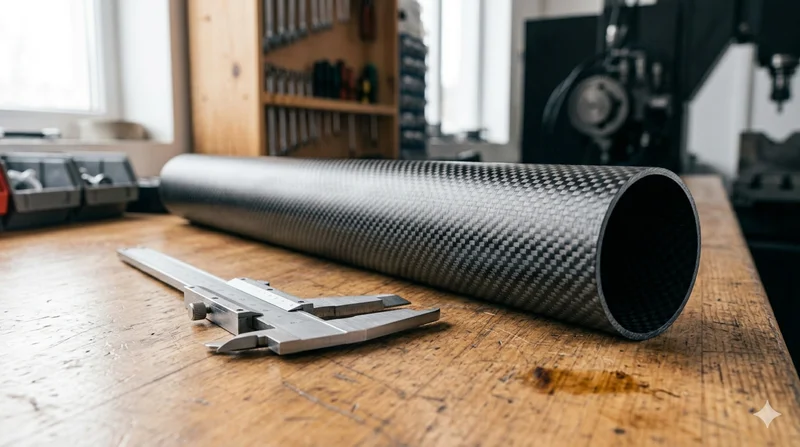
Round Carbon Fiber Tube — 3K Plain Weave T700
Standard round carbon fiber tube manufactured from Toray T700 grade fiber with 3K plain weave. Offers balanced strength and stiffness for general industrial applications including robotics, automation, sports equipment, and aerospace structures.
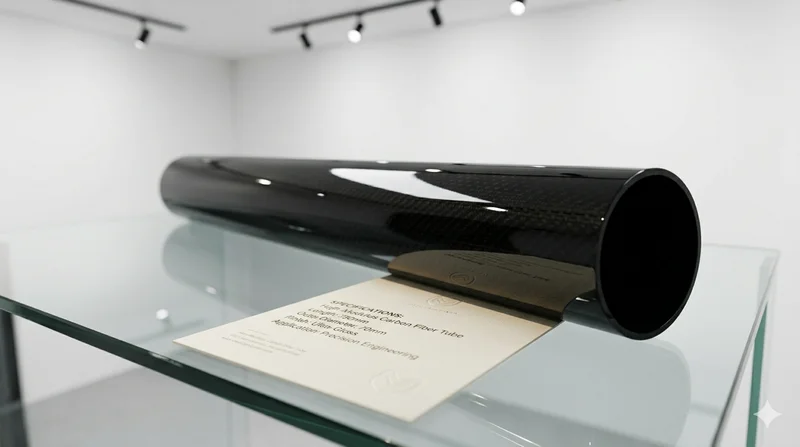
High Modulus Round Carbon Fiber Tube — M40
High modulus round tube manufactured with M40 grade fiber (tensile modulus 400 GPa). Designed for applications where maximum stiffness-to-weight ratio is critical, such as optical systems, precision machinery, and aerospace structures.