Austria's carbon fiber market is undergoing a structural transformation driven by the country's unique industrial profile: world-leading hydroelectric turbine manufacturing, a sophisticated industrial machinery sector, and demanding alpine infrastructure maintenance requirements. This market analysis examines the specific opportunities for B2B carbon fiber suppliers in Austria's 2026 landscape, including turbine runner blade rehabilitation, cable-stayed bridge reinforcement, and industrial robotic arm lightweighting for the precision machinery cluster in Upper Austria and Styria.
Austria's Industrial Landscape for Carbon Fiber
Austria possesses an unusual combination of industrial characteristics that make it a compelling market for carbon fiber composites in 2026. With a GDP of approximately €520 billion and an industrial sector contributing 28% of national output — one of the highest shares in the European Union — Austria's manufacturing base demands advanced materials for continued competitiveness. According to the Austrian Composites Association, the country consumed approximately 1,800 metric tons of carbon fiber in 2025, with projected growth to 2,600-3,000 metric tons by 2030, representing a compound annual growth rate of 7-9%.
Unlike larger European economies where carbon fiber demand is dominated by aerospace and automotive sectors, Austria's niche lies in three areas: hydroelectric power generation, precision industrial machinery, and alpine civil engineering — sectors where carbon fiber's specific property profile offers transformative advantages that volume-oriented markets cannot provide.
Hydroelectric Turbine Components
Austria generates 60-70% of its electricity from hydroelectric sources — one of the highest proportions in Europe — and is home to several globally significant turbine manufacturers including Andritz Hydro (Graz), Voith Hydro, and GE Renewable Energy's Austrian operations. These companies collectively supply approximately 25% of the world's hydroelectric turbines. CFRP is gaining traction in three important applications:
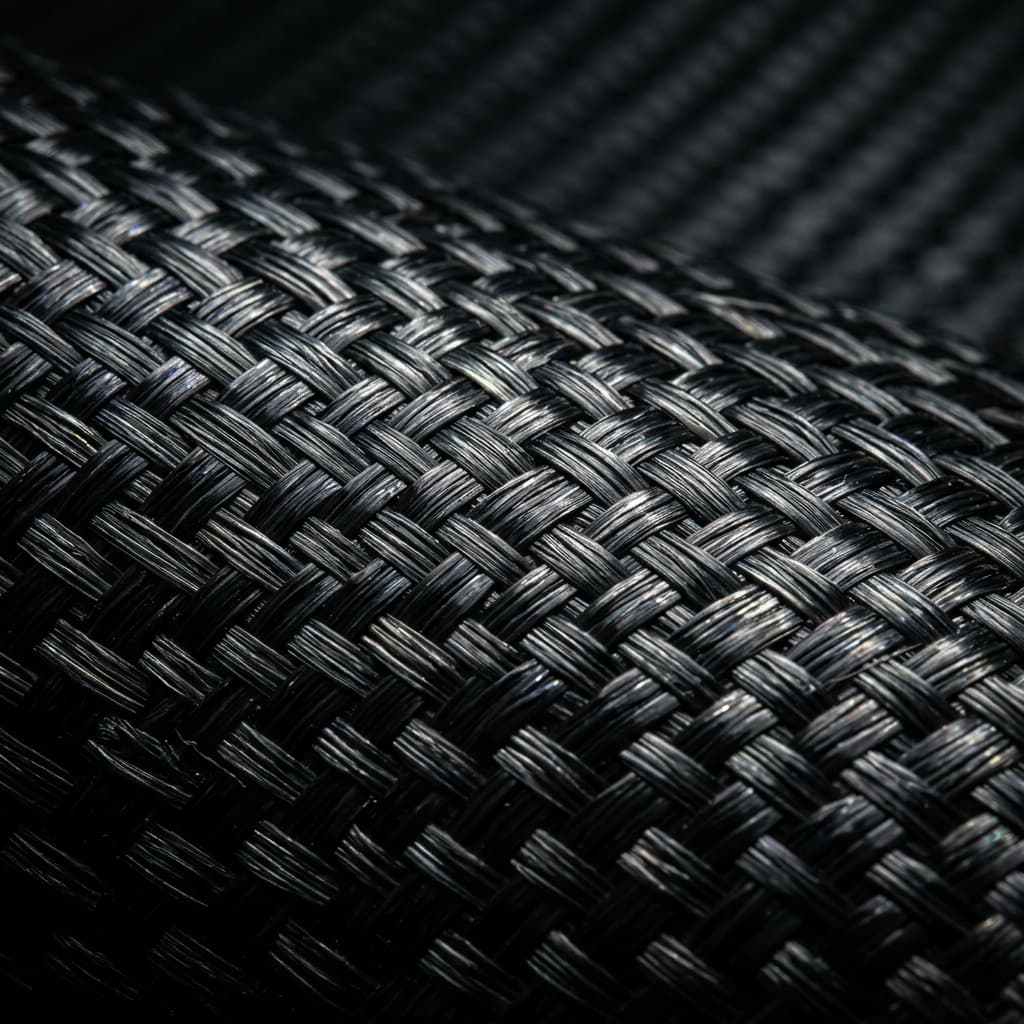
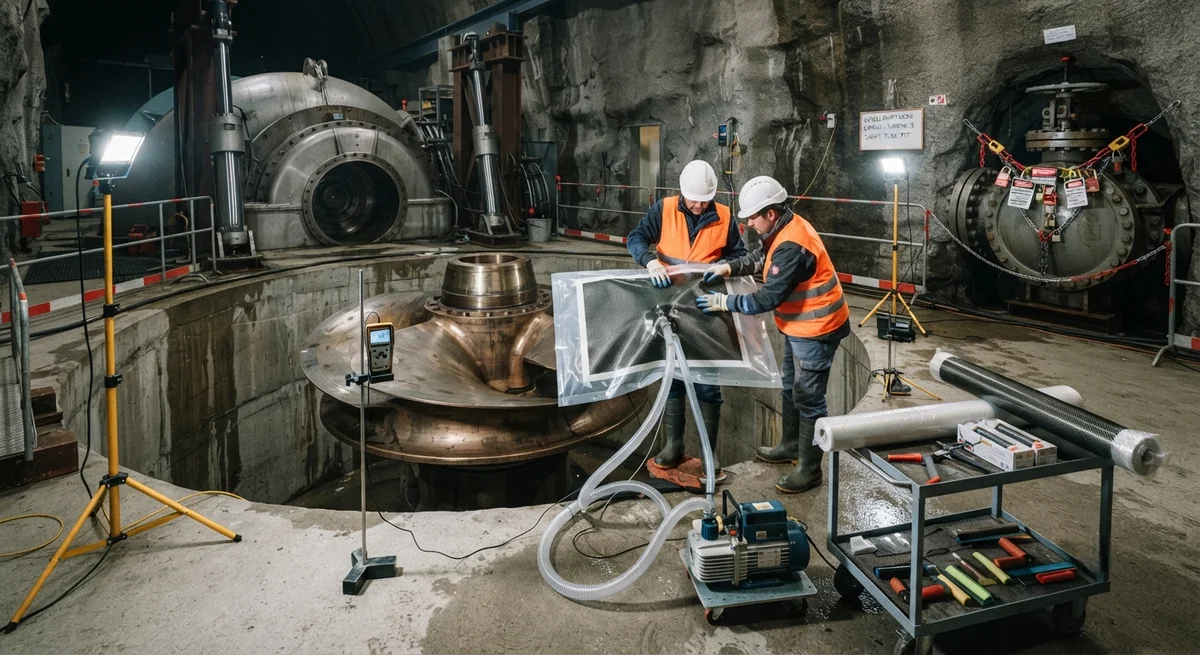
- Turbine runner blade rehabilitation: Kaplan and Francis turbine runners operating in alpine river systems experience cavitation damage and erosion from suspended sediment, particularly during spring meltwater periods. Traditional repair involves stainless steel weld buildup and grinding — a process taking 4-6 weeks per runner. CFRP patch repair using woven fabric impregnated with epoxy-novolac resin systems achieves bond strengths of 20-25 MPa to stainless steel substrates and can be applied in-situ, reducing downtime from 6 weeks to 10-14 days. Field data from Verbund AG's Danube River hydropower plants shows CFRP-repaired runner blades operating without failure for 8+ years in units producing 25-45 MW per turbine.
- Penstock and spiral case lining: Steel penstocks in alpine installations suffer from internal corrosion, particularly where water pH drops below 6.5 during snowmelt. CFRP internal linings using high-temperature cure systems (120°C post-cure) provide corrosion barriers with 25+ year design life. A 2-meter diameter penstock lined with 8 mm of CFRP weighs 40-50 kg per linear meter versus 2,500 kg for replacement steel, enabling installation without heavy crane equipment in remote alpine terrain.
- Fish-friendlier turbine components: New EU environmental regulations require hydropower operators to reduce fish mortality rates at turbine passages. CFRP guide vanes with tuned natural frequencies reduce cavitation-induced pressure fluctuations, achieving 35-40% lower fish injury rates in trials at the Limberg II pumped-storage plant.
| Application | Traditional Solution | CFRP Solution | Weight Reduction | Downtime Reduction |
|---|---|---|---|---|
| Runner blade repair (Kaplan) | SS weld buildup | CFRP bonded patch | N/A (repair) | 10-14d vs. 4-6wk |
| Penstock lining | SS cladding/replacement | CFRP internal lining | 98% lighter | 2-3wk vs. 3-4mo |
| Stay vanes / guide vanes | Cast steel | CFRP structural vane | 70-80% | Same (planned outage) |
| Draft tube cone | Steel fabrication | CFRP filament-wound | 65-75% | 1wk vs. 3-4wk |
| Trash rack bars | Galvanized steel | Pultruded CFRP profiles | 75-85% | 3-5d vs. 2wk |
Industrial Machinery: Lightweighting Precision Equipment
Upper Austria and Styria host Europe's densest cluster of precision industrial machinery manufacturers — companies such as Engel Austria (injection molding), Fill Gesellschaft (woodworking automation), and B&R Automation. These manufacturers produce high-speed pick-and-place systems and CNC machining centers where moving mass directly limits throughput. CFRP opportunities include machine tool moving gantries that reduce moving mass by 60-70% compared to welded steel — a 3-meter CFRP gantry beam weighs 45-65 kg versus 120-180 kg in steel, enabling acceleration rates of 1.5-2.0g versus 0.6-0.8g. Robot arm end effectors made of CFRP weigh 40-60% less than aluminum equivalents, achieving 25% higher cycle rates. CFRP ball-screw shafts achieve maximum travel speeds of 180-200 m/min compared to 120-140 m/min for all-steel assemblies.
Alpine Infrastructure Reinforcements
Austria has over 30,000 bridges, many constructed in the 1960s-1980s, with an estimated 15-20% requiring structural intervention within the next decade. CFRP applications include cable-stayed bridge CFRP tendons offering 4-5x higher specific strength than steel with zero corrosion and fatigue endurance exceeding 2 million cycles at 45% of ultimate load. Column and beam wrapping with unidirectional CFRP increases shear capacity by 40-80% per Austrian standard ONR 24005-1. For lightweight pedestrian bridges, tuned-mass dampers using CFRP reduce peak pedestrian-induced accelerations by 50-70%.
Market Entry for B2B Suppliers
- Certification and standards: Austrian buyers require ÖNORM standards, Eurocodes, and German VDI compliance. CE marking under Construction Products Regulation (EU) 305/2011 with manufacturer Declaration of Performance and Factory Production Control certification is mandatory.
- Distribution partnerships: Lignum (composites distributor in Linz) and R&G Faserverbundwerkstoffe serve as established channels to the Austrian industrial machinery and hydroelectric sectors. Entrance through these distributors provides immediate access to the buyer network.
- Local technical support: Austrian manufacturers place high value on on-site technical consultation. A local applications engineer based in the Linz-Graz industrial corridor provides significant competitive advantage over distant suppliers relying on remote support.
- Pricing: CFRP for Austrian industrial applications commands a 3-5x premium over standard structural carbon fiber, reflecting the high technical specifications and small-lot batch processing. Prices average €45-65/kg versus €28-42/kg in Germany, making this a value-driven rather than volume-driven market.
Frequently Asked Questions
What ÖNORM standards apply to CFRP bridge reinforcement in Austria?
Key standards include ÖNORM EN 1504-4 (products for concrete structure repair and structural bonding), ÖNORM B 1993-1-1 (Eurocode 3-compatible steel structures, including CFRP-to-steel bonding), ONR 24005-1 (CFRP strengthening of existing structures — design and execution), and ÖNORM EN 1993-1-11 (design of structures with tension components). Bridge authorities require individual case assessment per ETAG 013 with manufacturer-specific European Technical Assessments for proprietary CFRP systems.
How does Austria's carbon fiber market differ from Germany's?
Germany consumes approximately 18,000 metric tons (automotive 45-50%, wind energy 20-25%, aerospace 10-15%). Austria consumes 1,800 tons with a profile skewed toward hydroelectric (25-30%), industrial machinery (20-25%), and alpine infrastructure (15-20%). Austrian prices are significantly higher (€45-65/kg vs. €28-42/kg) reflecting technical specialization, lower volumes, and higher processing complexity. For B2B suppliers, Austria represents higher margins with lower volume volatility than German mass-market segments.
What is the addressable market for CFRP in Austrian hydro turbine rehabilitation?
The Austrian hydroelectric fleet includes 2,800+ turbine units across run-of-river, storage, and pumped-storage plants. Approximately 8-12% undergo major rehabilitation annually, representing 220-330 turbine interventions per year. If CFRP solutions capture 15-25% of the rehabilitation market, this translates to 35-80 projects annually at €15,000-35,000 per intervention. Including new-built turbine components, total addressable market is €3-6 million per year with 45-60% gross margins typical for certified hydroelectric-grade CFRP products.
Part of topic
Related Articles
- Recycled Carbon Fiber Market Forecast 2030: Technology Maturity and Commercialization Path
- South Korea Carbon Fiber Market 2026: Hydrogen Economy and Shipbuilding Innovation
- Wind Turbine Blade Leading Edge Protection 2026: Polyurethane, Tape, and Metallic Shield Solutions
- China Carbon Fiber Overcapacity 2026: Price War Impact and Industry Consolidation
- India Carbon Fiber Market 2026: Wind Energy, Aerospace, and Defense Expansion
- PAN Precursor Market 2026: Acrylonitrile Supply and Carbon Fiber Cost Structure
Interested in Our Products?
Contact our team for competitive pricing and technical specifications.
Get a QuoteRelated Products
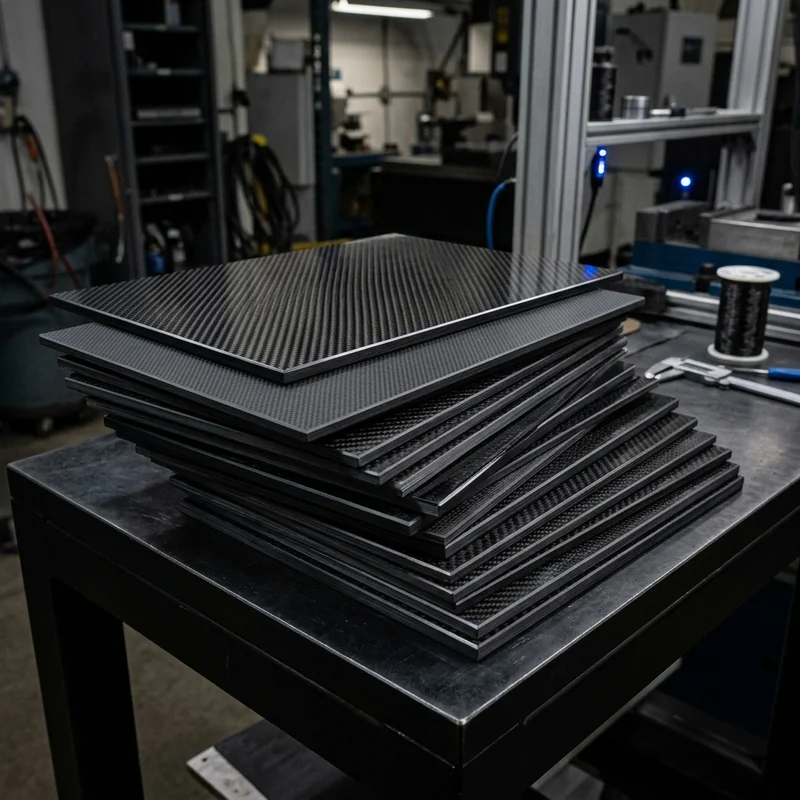
Carbon fiber standard plate-3k stripe
Lightweight, ultra-rigid standard sheets for drone fuselages, robot housings, facades and structural applications.
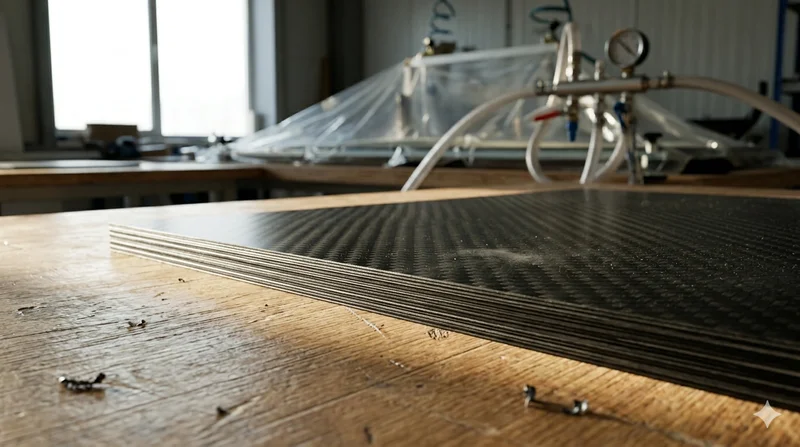
Carbon Fiber Plate — 3K Twill T700 3.0mm
Medium-thickness 3.0mm carbon fiber plate offering significantly higher load capacity while maintaining attractive 3K twill finish. Suitable for structural brackets, reinforcement plates, and load-bearing panels.
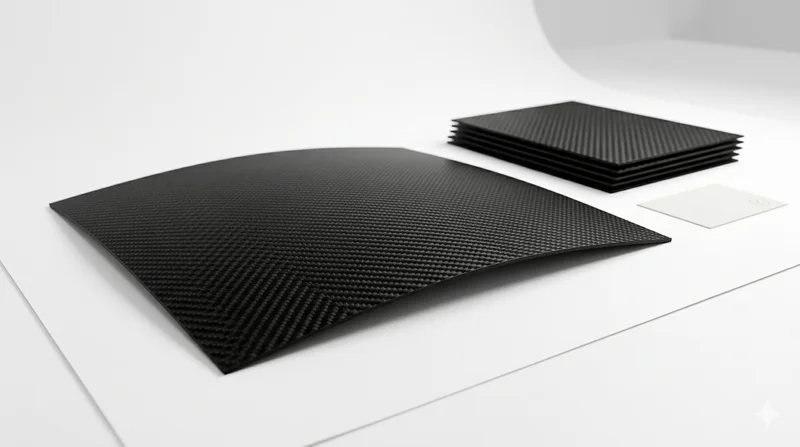
Carbon Fiber Plate — 3K Twill T700 1.5mm
Thin 1.5mm carbon fiber plate with 3K twill weave surface. Lightweight and stiff, commonly used for covers, panels, drone bodies, and applications requiring a premium aesthetic appearance.
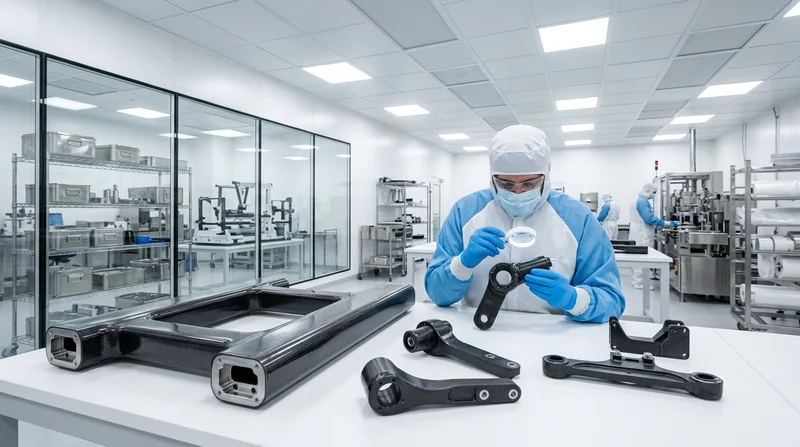
Custom Carbon Fiber Medical Device Components
Medical-grade carbon fiber components manufactured for imaging equipment, surgical instruments, and patient support systems. Carbon fiber's radiolucency (X-ray transparency) and high strength-to-weight ratio make it ideal for CT scanner beds, wheelchair frames, surgical robot arms, and MRI-compatible accessories. Biocompatible resin systems available.
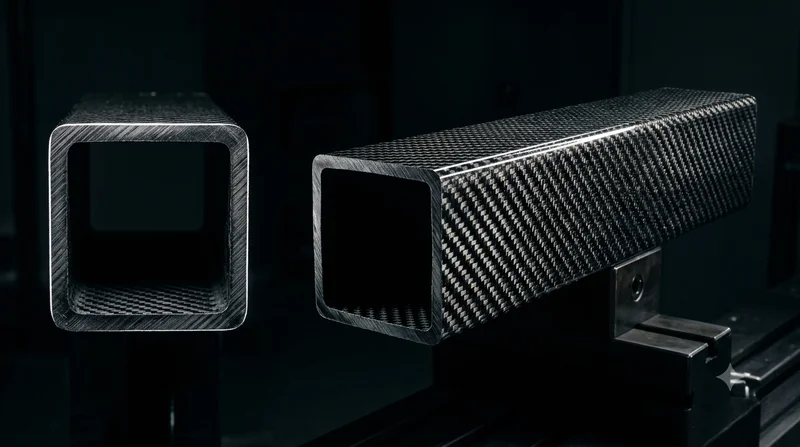
Square Carbon Fiber Tube — 3K Twill T700
Square cross-section carbon fiber tube manufactured with 3K twill weave for torsional strength. Preferred for structural frames, trusses, and support columns where rectangular geometry offers design flexibility.