
Lithuania is not the first country that comes to mind in a discussion of European carbon fiber markets. Its manufacturing base is modest, and it has no aerospace primes or large composite processors of the kind found in Germany or the UK. Yet the Lithuania carbon fiber market in 2026 is
Introduction
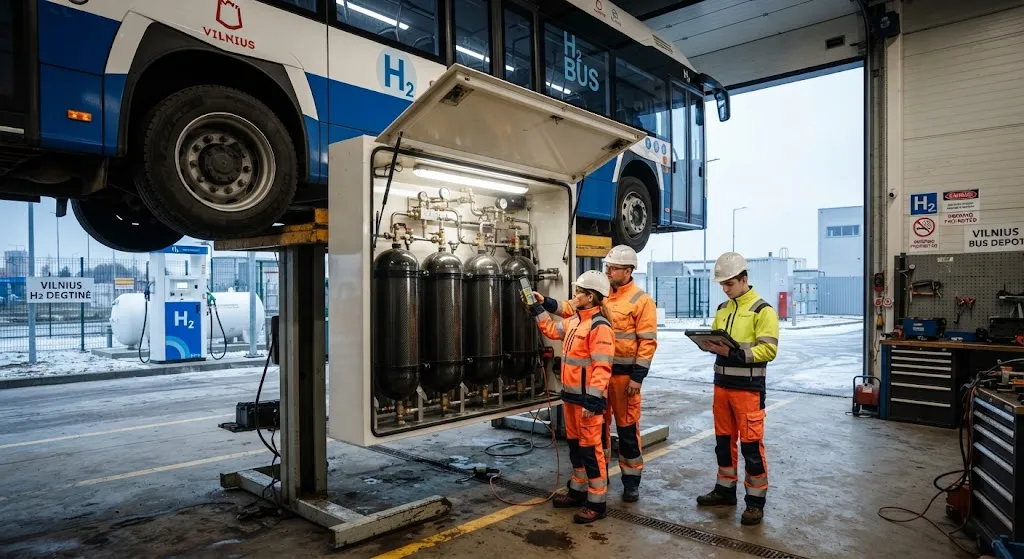
Lithuania is not the first country that comes to mind in a discussion of European carbon fiber markets. Its manufacturing base is modest, and it has no aerospace primes or large composite processors of the kind found in Germany or the UK. Yet the Lithuania carbon fiber market in 2026 is worth watching for a specific reason: it is one of the most active Baltic testing grounds for hydrogen transport, and hydrogen transport is precisely where carbon fiber demand attaches to a small economy with outsized ambition.
The demand story runs through three channels. First, municipal transport operators in Vilnius and Kaunas are running hydrogen bus trials funded through EU green-transport programmes, and those buses carry Type IV composite hydrogen tanks. Second, the supply chain for those tanks — including Norwegian manufacturers such as Umoe Advanced Composites, which supplies hydrogen storage systems for European bus and truck programmes — creates demand for high-modulus carbon fiber tow and prepreg. Third, Lithuania's broader EU energy-transition agenda, from offshore wind in the Baltic Sea to fuel-cell pilots, feeds a slowly widening industrial demand base. This article maps each channel and what it means for carbon fiber suppliers.
Market Size and Demand Structure
The Lithuania carbon fiber market is small in absolute terms — estimated at 150-300 tonnes per year in 2026 — but structurally concentrated in the applications most relevant to the energy transition. The table below summarizes the demand structure:
| Segment | 2026 Demand Share | Growth Outlook | Primary Drivers |
|---|---|---|---|
| Hydrogen storage & transport | 30-40% | 15-25% per year | Bus trials, Type IV tanks, EU hydrogen funding |
| Wind energy components | 20-30% | 10-15% per year | Baltic offshore wind, blade repair, composites |
| Industrial & construction | 15-25% | 5-8% per year | Repair systems, light structures, infrastructure |
| Automotive & light transport | 10-15% | 8-12% per year | Bus bodies, lightweight vehicle parts |
| Other (sports, marine, defense) | 5-10% | 4-7% per year | Marine refit, niche defense, sports goods |
Two features distinguish this market from larger European neighbors. The first is the outsized weight of hydrogen programmes relative to the size of the economy: no other EU country of Lithuania's scale has committed so directly to composite hydrogen storage as a mobility pathway. The second is the market's dependence on EU funding and Baltic-region security considerations, which means demand visibility is tied to policy cycles rather than purely commercial drivers.
Hydrogen Bus Trials and Type IV Storage
The core of the Lithuania carbon fiber market story is hydrogen mobility. Municipal operators in Vilnius and Kaunas have piloted hydrogen buses as part of EU-supported green fleet programmes, with additional trials planned across the Baltic region. Hydrogen buses differ from battery-electric buses in one respect that matters enormously to carbon fiber suppliers: they store fuel as compressed hydrogen in composite pressure vessels, and the vessels dominate the vehicle's cost and weight.
The relevant tank technology is the Type IV vessel — a carbon fiber reinforced polymer (CFRP) liner-free design in which a polymer liner contains the gas and a carbon fiber overwrap carries the structural load. Typical 350-bar Type IV bus tanks require approximately 30-45 kilograms of high-modulus carbon fiber per tank, and a hydrogen bus carries between four and eight such tanks depending on range design. The table below compares the mainstream hydrogen storage vessel types:
| Vessel Type | Liner | Operating Pressure | Carbon Fiber Use | Typical Application |
|---|---|---|---|---|
| Type I | All-metal steel | 200-300 bar | None | Industrial gas, stationary |
| Type II | Metal with hoop wrap | 200-350 bar | Moderate | CNG buses, older fleets |
| Type III | Metal liner, full wrap | 350-700 bar | High | Automotive fuel cells |
| Type IV | Polymer liner, full wrap | 350-700 bar | Highest | Buses, trucks, heavy transport |
The supply chain angle is concrete. Norwegian composite manufacturers such as Umoe Advanced Composites — which has supplied hydrogen storage systems for European bus and truck programmes — consume aerospace-adjacent carbon fiber at commercial quality, and their Baltic-region deliveries create a logistics corridor that a carbon fiber supplier can serve from a Central European or Nordic base.
Baltic Energy Security and Offshore Wind
The second channel feeding the Lithuania carbon fiber market is the Baltic energy transition. Lithuania has committed to ending its dependence on legacy electricity imports, and offshore wind in the Baltic Sea — planned under the EU's Baltic offshore wind targets — is a central pillar. While the turbines themselves are largely imported, the region's wind market generates demand for composite components and repair materials.
Concrete demand routes include:
- Blade maintenance and repair: Operating and planned wind farms in the Baltic region require composite repair systems, fabric, and consumables that distributors supply from regional stock.
- Structural composites in port and grid infrastructure: Lightweight composite profiles and gratings are increasingly specified for offshore substations, ports, and marine infrastructure in corrosive Baltic environments.
- Fuel-cell and electrolysis pilots: Small-scale pilots in Lithuania and neighboring countries use composite materials in balance-of-plant components where corrosion resistance and low weight matter.
- Regional logistics role: Lithuania's Klaipėda port and its rail connections position the country as a distribution hub for composite materials into the wider Baltic market, benefiting suppliers who establish local inventory.
For carbon fiber suppliers, the wind and energy channel is less about Lithuanian end-user volume and more about regional distribution: a Baltic warehouse and logistics presence can serve Lithuania, Latvia, Estonia, and the Nordic markets from one location.
Industrial Base and EU Funding Context
The third channel is Lithuania's modest but active industrial base, amplified by EU cohesion and transition funding. Lithuanian manufacturers in construction, light engineering, and transport equipment increasingly encounter carbon fiber in two forms: as imported finished parts (bicycle frames, marine components, industrial profiles) and as material inputs for repair and reinforcement work.
EU funding shapes this demand in three ways:
- Green transport grants: EU and national funding covers a share of hydrogen and electric bus procurement, directly financing the composite tank demand described above.
- Energy infrastructure investment: Baltic synchronisation and offshore wind projects channel EU funds into grid and port infrastructure, with associated composite material procurement.
- Industrial modernisation programmes: Grants for SME digitalisation and automation in Lithuania's manufacturing sector support the adoption of advanced materials, including lightweight composites, in niche production.
The practical message for suppliers is that Lithuanian demand is policy-amplified: volumes are small, but they are predictable, funded, and concentrated in applications — hydrogen storage and energy infrastructure — where carbon fiber has a genuine technical advantage over alternatives.
Frequently Asked Questions
How large is the Lithuania carbon fiber market in 2026?
Estimated at 150-300 tonnes per year in 2026, with hydrogen storage and transport representing 30-40% of demand. It is a small market by European standards, but one of the most hydrogen-concentrated, and growth of 15-25% per year in the hydrogen segment makes it strategically interesting for suppliers of storage-grade carbon fiber.
Why is hydrogen storage important to Lithuania's carbon fiber demand?
Municipal hydrogen bus trials in Vilnius and Kaunas, funded through EU green-transport programmes, rely on Type IV composite pressure vessels. Each bus carries multiple tanks requiring roughly 30-45 kilograms of high-modulus carbon fiber per tank, making hydrogen mobility the single largest and fastest-growing carbon fiber application in the country.
What role do Nordic tank manufacturers play in the Lithuanian market?
Norwegian composite manufacturers such as Umoe Advanced Composites supply hydrogen storage systems for European bus and truck programmes, including Baltic-region deliveries. They consume commercial-grade high-modulus carbon fiber and create a logistics corridor that carbon fiber suppliers can serve from a Nordic or Central European base.
How should carbon fiber suppliers approach the Lithuanian market?
Enter through regional distribution rather than large direct accounts: establish Baltic stock of repair materials, fabric, and consumables; target hydrogen and wind supply chains where carbon fiber has technical advantage; and align with EU-funded programmes that make demand predictable. Partnering with a distributor serving the wider Baltic and Nordic region is usually the fastest path.
Conclusion
The Lithuania carbon fiber market in 2026 is small in volume but unusually clear in direction. Hydrogen bus trials in Vilnius and Kaunas put Type IV composite storage at the center of the country's mobility transition; the Baltic offshore wind agenda and EU energy funding create a steady industrial channel; and Lithuania's port and rail position make it a practical distribution hub for the wider Baltic market. For a carbon fiber supplier, the entry logic is not volume but focus: storage-grade tow, regional logistics, and alignment with funded hydrogen programmes.
YongXian supplies high-modulus carbon fiber tow, unidirectional laminates, fabrics, and reinforcement materials for hydrogen storage, wind, and industrial applications worldwide. Explore our carbon fiber product range or contact our team to discuss specifications and Baltic-region supply options.
Part of topic
Related Articles
- Carbon Fiber Sheet for Sale: In-Stock Inventory and Custom Order Lead Times
- Carbon Fiber Sheet Supplier: Direct Factory Pricing and Custom Cut-to-Size Services
- Carbon Fiber Sheet Roll: Continuous Roll Supply for High-Volume Production
- Carbon Fiber Parts Houston: Texas Manufacturing Hub and Energy Sector Demand
- Carbon Fibre for Sale: Reading Listings, Grades and Lead Times
- Carbon Fiber Near Me: Why Local Sourcing Beats Cross-Border for Prototyping
Interested in Our Products?
Contact our team for competitive pricing and technical specifications.
Get a QuoteRelated Products
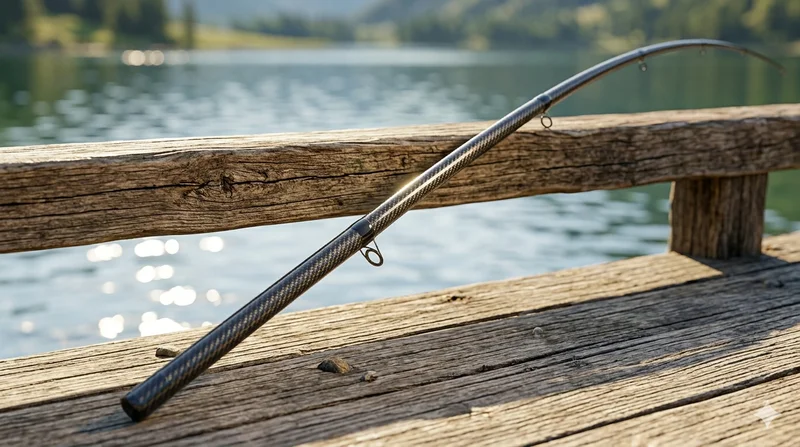
Carbon Fiber Fishing Rod Blank
High-quality carbon fiber fishing rod blank manufactured from multiple grades of Toray carbon fiber cloth. Available in a wide range of lengths, powers, and actions for freshwater and saltwater applications. Suitable for OEM rod building.

Carbon Fiber Plate — 3K Twill T700 1.5mm
Thin 1.5mm carbon fiber plate with 3K twill weave surface. Lightweight and stiff, commonly used for covers, panels, drone bodies, and applications requiring a premium aesthetic appearance.

Carbon Fiber Plate — 3K Twill T700 3.0mm
Medium-thickness 3.0mm carbon fiber plate offering significantly higher load capacity while maintaining attractive 3K twill finish. Suitable for structural brackets, reinforcement plates, and load-bearing panels.
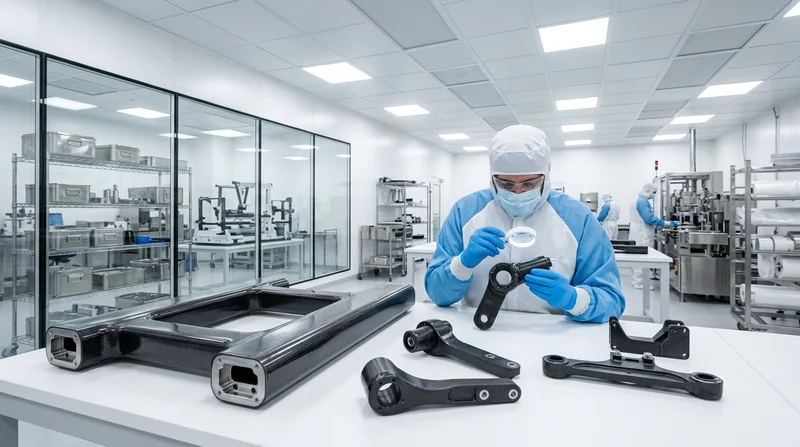
Custom Carbon Fiber Medical Device Components
Medical-grade carbon fiber components manufactured for imaging equipment, surgical instruments, and patient support systems. Carbon fiber's radiolucency (X-ray transparency) and high strength-to-weight ratio make it ideal for CT scanner beds, wheelchair frames, surgical robot arms, and MRI-compatible accessories. Biocompatible resin systems available.

Square Carbon Fiber Tube — 3K Twill T700
Square cross-section carbon fiber tube manufactured with 3K twill weave for torsional strength. Preferred for structural frames, trusses, and support columns where rectangular geometry offers design flexibility.